REVIEW · PEARL HARBOR TOURS
Battleships of WWII at Pearl Harbor Departing from Waikiki
Book on Viator →Operated by Hawaii Island Experiences, LLC · Bookable on Viator
Pearl Harbor, plus the last battleship. This tour pairs a calm harbor boat ride with time on the USS Missouri deck and the solemn USS Arizona Memorial, all with expert narration along the way. The main downside: a lot of what you experience at the memorials is quiet, slow, and self-paced, so you may feel you get less live commentary than you expected.
I like that the logistics are mostly handled for you: pickup from many major Waikiki hotels, an air-conditioned vehicle, and admission tickets provided by your guide on the day of the tour. It’s also built for attention—this runs as a small group (max 24), so questions don’t get swallowed up.
Value-wise, at $116.99 for a day that includes multiple major Pearl Harbor sites plus transportation, it’s a solid choice if you care about the military story and don’t want to fight parking and lines on your own.
In This Review
- Key things to know before you go
- Entering Pearl Harbor in the right order: Visitor Center first
- The USS Arizona Memorial boat ride: short, calm, and powerful
- Walking the USS Missouri: the last battleship and WWII’s end
- USS Oklahoma Memorial: the quiet, land-based counterpoint
- Honolulu history between the memorials: Punchbowl, palaces, and a church
- Timing, walking, and what to pack for an early start
- Getting the most out of the self-paced parts (without fighting them)
- Price and value: is $116.99 a good deal?
- Who should book this Pearl Harbor and Battleship tour?
- Bottom line: should you book?
- FAQ
- What time does the tour start?
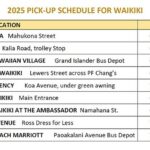
- Where does pickup happen?
- How long is the tour?
- Is the tour only about Pearl Harbor?
- Are tickets included for the main attractions?
- Are museum visits included?
- Can I bring a bag or purse into Pearl Harbor?
- Is lunch or dinner included?
- Is this tour suitable for people with limited mobility?
- What if I need to cancel?
Key things to know before you go
- Small group size (max 24) means more back-and-forth with your guide
- Boat ride to USS Arizona Memorial is part of the experience, not just a transfer
- USS Missouri deck tour connects the dots to WWII’s end and the surrender signing
- USS Oklahoma Memorial adds a second, crucial perspective on Dec. 7, 1941
- Waikiki-area hotel pickup reduces morning stress and time lost getting to Pearl Harbor
Entering Pearl Harbor in the right order: Visitor Center first
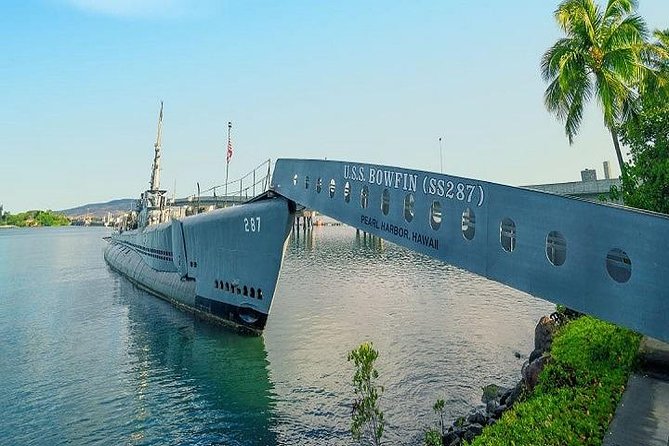
The day starts with a stop at the Pearl Harbor Historic Sites Visitor Center, and it makes a difference that you go here before you reach the memorials. You get context through exhibits that set the stage for what led to the attack on December 7, 1941. Then you watch a 23-minute documentary that frames what you’re about to see—why the attack mattered, how it unfolded, and why the USS Arizona Memorial is such a focal point.
This is also where the mood begins to shift. The film helps you look at the rest of the day with clearer timelines, rather than just collecting landmarks. It’s the kind of start that improves the rest of the tour, because you’re not guessing what you’re looking at.
One practical note: museum-style deep learning isn’t the goal here. If you’re hoping for extra exhibits and a longer, more museum-heavy schedule, you’d want a more expanded Pearl Harbor option. For this tour, the focus stays on the main memorials and the battleship deck experiences.
You can also read our reviews of more tours and experiences in Honolulu.

The USS Arizona Memorial boat ride: short, calm, and powerful
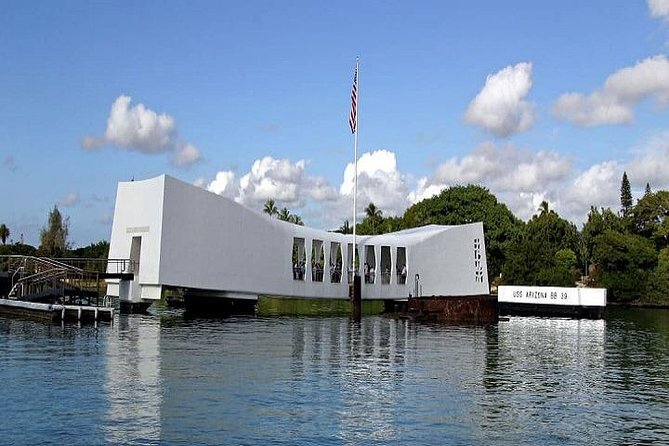
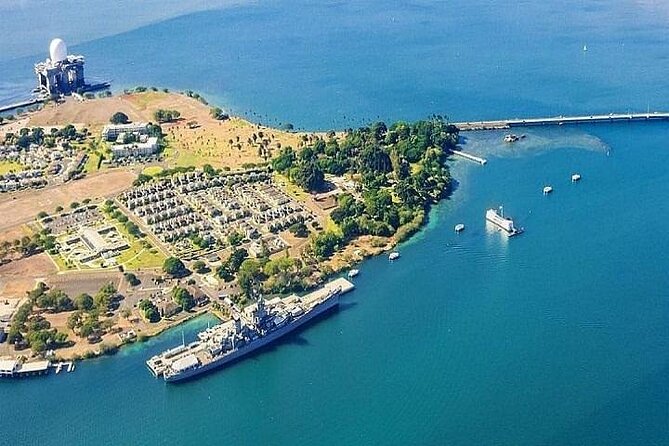
After the Visitor Center, you board a U.S. Navy-operated boat for the trip across the harbor to the USS Arizona Memorial. It’s a short ride—about 10 minutes—and the pace is calm. You’ll get views of the surrounding military installations, and that matters because Pearl Harbor isn’t just a story on land. It’s a working port and a still-relevant military setting.
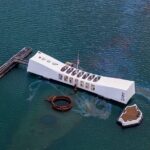
Then comes the part that almost always sticks with people: the USS Arizona Memorial itself. It’s an open-air, white structure spanning the remains of the sunken battleship. The design encourages quiet reflection, and you’re asked to keep respectful silence while you’re there. This isn’t the place for casual chatting or photo-burst behavior. It’s more “stand and take it in,” with the emotional weight of what happened doing the talking.
What you’ll notice once you’re inside:
- You can look down at the water to see parts of the wreckage just below the surface.
- Oil droplets, often referred to as The Tears of the Arizona, can still rise to the surface.
- At the far end, the Remembrance Wall lists the names of 1,177 crew members who were lost.
That combination—visible remains, ongoing markers of loss, and a wall of names—turns the memorial from a viewpoint into a remembrance space. Plan for your time here to feel slower than you expect.
Walking the USS Missouri: the last battleship and WWII’s end
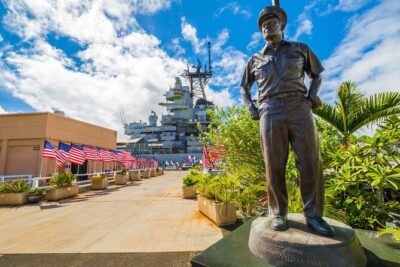
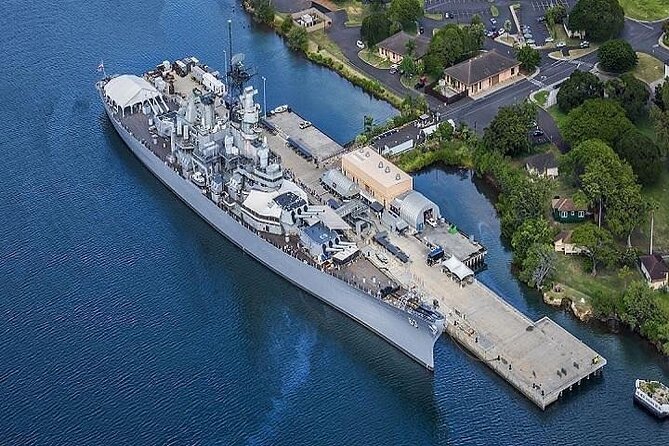
Next you move to the Battleship Missouri Memorial, and this stop feels different by design. If Arizona is about loss and mourning, Missouri is about what happened afterward—WWII’s end in a specific, grounded way.
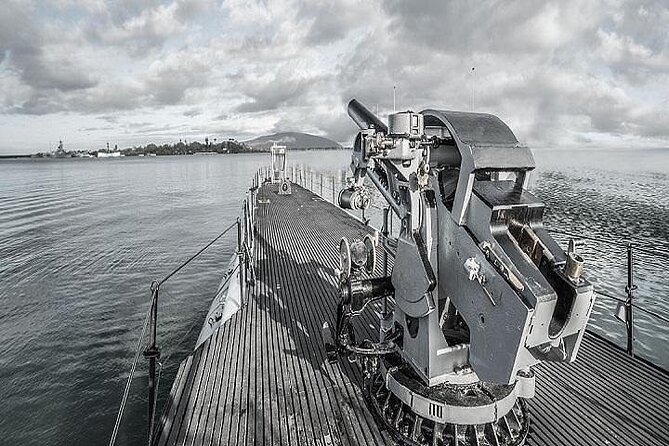
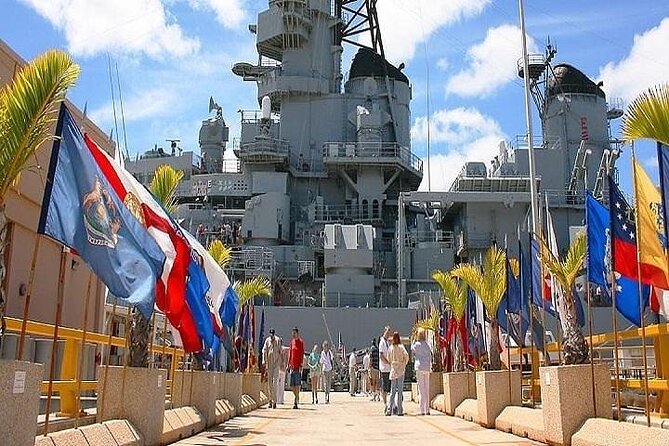
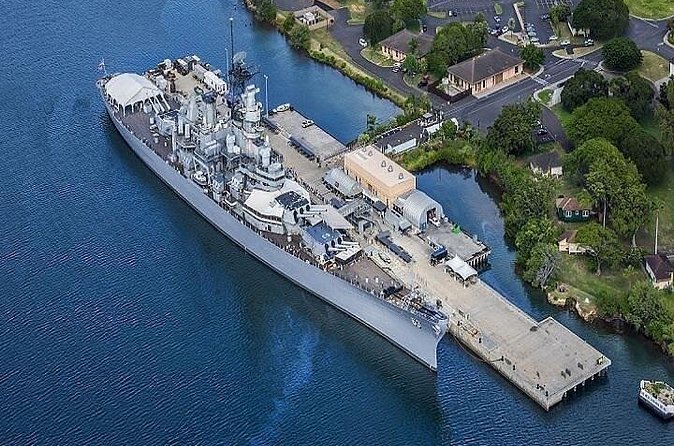
You’ll walk the deck of the last battleship the U.S. ever built, following the historical footprints of General MacArthur and Admiral Chester Nimitz. The tour includes a guided deck experience where you can see officer and crew quarters, artillery, and even a kamikaze aircraft crash site.
The deck is also tied to the surrender moment in 1945. It was on the USS Missouri deck that the Instrument of Surrender was signed, effectively ending WWII. The guided portion includes viewing areas connected to the ceremony as well.
The value here is that you’re on the actual surface where the end-of-war action happened, not just looking at model replicas or distant photos. You also get to understand daily military life elements—quarters and gear—so the battleship isn’t only a symbol. It’s a place.
Timing note: this stop is about 2 hours, so you’ll want comfortable shoes and a willingness to walk. It’s a deck, and decks have plans—stairs, surfaces, and some sections where you’ll naturally slow down to look.
USS Oklahoma Memorial: the quiet, land-based counterpoint
The USS Oklahoma Memorial is the only land-based memorial at Pearl Harbor, and that difference shapes the experience. Since it honors the more than 400 servicemen who died aboard Oklahoma during the attack, it carries a solemn tone. It’s also described as second in casualties only to USS Arizona on December 7.
You don’t get the same boat-to-wreckage feeling as at Arizona, because this is a land-based remembrance site. But the benefit is that it can feel a bit more grounded and contemplative in a different way. Instead of looking out to sunken remains, you’re moving through a dedicated memorial space that focuses attention on the ship and the people lost.
If you want the fullest sense of the attack, this stop matters because it keeps the day from becoming a single memorial experience. Arizona is essential, but Oklahoma fills in another part of the story.
Honolulu history between the memorials: Punchbowl, palaces, and a church
After Pearl Harbor stops, the tour pivots back to Honolulu. This is where you get a blend of Hawaii’s historical elements and present-day city life—still guided, still narrated, but with a different tempo.
One major highlight is National Memorial Cemetery of the Pacific, known as Punchbowl. You’ll see it sitting atop an extinct volcano crater. The cemetery is the final resting place for thousands of U.S. military members, and the layout—rows of white headstones against lush greenery—creates a strong sense of order and reflection.
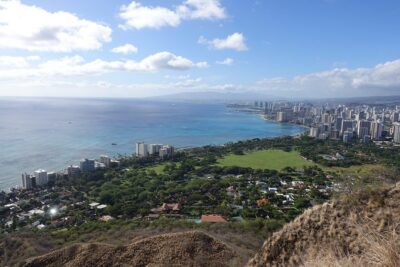
Punchbowl also brings one of the best “switch the gears” moments of the day: the crater location offers views over Honolulu, including downtown, Diamond Head, and the coastline. It’s a chance to look out and let the day’s heavy topics breathe for a minute.
Then you head to Iolani Palace, the only royal palace in the United States. Your guide tells the stories of Hawaii’s monarchy, including King Kalākaua and Queen Liliʻuokalani, the last reigning monarchs. It’s short—about 15 minutes—but it’s focused. You’ll learn about the Hawaiian Kingdom and how the monarchy shaped governance and identity.
From the palace area, you’ll also view the King Kamehameha Statue in front of Aliʻiōlani Hale, which now houses the Hawaii State Supreme Court. The stop is brief, but the landmarks help you connect the monarchy narrative to the physical city you’re walking through.
The tour includes a “talk story” moment from the guide about the original government building of the Hawaiian Kingdom. And you’ll also pass Kawaiahaʻo Church, often referred to as the Westminster Abbey of the Pacific. It’s one of the oldest Christian places of worship in Hawaii, and your guide explains its significance and its role in religious history.
These Honolulu stops are shorter than Pearl Harbor, but they give the trip balance. If all you did was military memorials, you’d leave only with grief and facts. Adding Punchbowl, Iolani Palace, and Kawaiahaʻo Church helps you leave with a broader sense of place.



Timing, walking, and what to pack for an early start
This tour starts at 7:00am, with pickup from most major Waikiki hotels. The duration is listed as about 7 to 9 hours, which is a big range. The reason is weather and site operations, since sites can close due to stormy conditions.
So build your day around this one schedule. Don’t book a “must-do” dinner reservation that night unless you’re comfortable with the tour possibly running a little past plan.
Walking level is moderate but real. The tour notes you’ll be walking much of the day, and it also says it’s not recommended for anyone who cannot walk about 4 city blocks. Wear comfortable shoes and plan for uneven outdoor surfaces and deck walking at Missouri.
Also pay attention to the Pearl Harbor bag rules:
- Purses and bags are not allowed inside Pearl Harbor.
- All bags may be stored for $7.00 each.
- Clear plastic bags are allowed if contents are readily visible (football-game style).
- Bags containing medical equipment that doesn’t fit standard lightweight plastic, transparent shopping bags are allowed.
Bring the basics, keep it light, and assume security will be strict.
Other rules that affect comfort: no smoking allowed on the visitor center grounds or at the memorial, and no swimwear is allowed. That’s a quick checklist item, but it matters for avoiding last-minute irritation.
Getting the most out of the self-paced parts (without fighting them)
Here’s the honesty: not every segment is nonstop narration. The memorial spaces—especially the USS Arizona Memorial—are designed for reflection and often work best when you slow down. If you’re expecting constant commentary like a museum tour, you might feel it’s “too quiet” for long stretches.
Instead of fighting that, use it. Bring your curiosity and be ready to read names at Arizona’s Remembrance Wall. Give yourself a little time to look down at the wreckage and notice details like the oil droplets. At Missouri, you’ll get the guided deck tour, so that’s where you can ask questions and get the most directed story-telling.
If you’re the kind of person who likes to absorb in your own pace for a few minutes, this tour works well.
Price and value: is $116.99 a good deal?
At $116.99 per person, you’re paying for more than transportation. You’re also getting:
- Arizona Memorial boat admission
- USS Missouri admission
- Guided deck tour elements aboard Missouri
- Time at USS Arizona Memorial, USS Oklahoma Memorial, and major Honolulu sites
- Pick-up and drop-off from Waikiki-area hotels
- Air-conditioned vehicle and expert narration
The biggest value lever for me is that admission tickets for tour attractions are handled by your guide on the day of the tour. That reduces friction and keeps the schedule moving. Also, the Arizona part isn’t a casual “look from afar.” The boat ride and memorial time are central, and those are included.
If you were to piece together separate tickets and self-drive your way around, you’d spend time coordinating parking, entry windows, and routing. This tour compresses that into one managed morning, which is a real savings of hassle.
That said, the value is best if you actually want the specific mix of sites: USS Arizona + USS Missouri + USS Oklahoma, then Honolulu’s signature stops (Punchbowl and Iolani Palace).
Who should book this Pearl Harbor and Battleship tour?
Book it if you want:
- A single-day plan that covers the core Pearl Harbor memorials plus the USS Missouri deck story
- A small group pace (max 24) with narration on landmarks
- Easy Waikiki access via hotel pickup and air-conditioned vehicle
- A balance of military remembrance and Honolulu’s cultural landmarks
Skip it or consider a different format if:
- You want nonstop guided narration inside memorial spaces
- You don’t like early mornings or don’t want to do significant walking
- You’re specifically hoping for extra museum time, since this tour does not include museums and suggests a complete Pearl Harbor option instead
Bottom line: should you book?
I’d book this tour if your priority is the meaningful memorial sequence at Pearl Harbor—and especially if USS Missouri is on your list. The combination of an Arizona boat ride, Missouri deck time tied to WWII’s end, and the Oklahoma memorial makes it feel like a full picture instead of one famous stop.
You’re also buying convenience. Waikiki pickup, included entry/tickets handled by the guide, and a tight day plan help you avoid the “where do I go next” stress.
Just go in with the right expectations: this is not a loud, chatty production. The quiet parts are part of the point, and once you accept that, the day lands harder—in a good way.
FAQ
What time does the tour start?
The start time is 7:00am.
Where does pickup happen?
Pickup is offered from most major hotels in Waikiki.
How long is the tour?
It runs about 7 to 9 hours.
Is the tour only about Pearl Harbor?
No. After Pearl Harbor, you also visit downtown Honolulu landmarks including the National Memorial Cemetery of the Pacific (Punchbowl), Iolani Palace, and stops connected to the Kamehameha area and Kawaiahaʻo Church.
Are tickets included for the main attractions?
Yes. Admission tickets for attractions on the tour are provided by your guide on the day of your tour, including the Arizona Memorial boat admission and USS Missouri admission.
Are museum visits included?
No. Visiting the museums is not part of this tour. If you want museums, you’d choose a more complete Pearl Harbor experience.
Can I bring a bag or purse into Pearl Harbor?
No. Purses and bags are not allowed inside Pearl Harbor. Bags can be stored for $7.00 each. Clear plastic bags with visible contents are allowed.
Is lunch or dinner included?
Meals are at your own expense.
Is this tour suitable for people with limited mobility?
It’s noted as not recommended for travelers who cannot walk about 4 city blocks. You’ll also be walking much of the day.
What if I need to cancel?
Free cancellation is available if you cancel up to 24 hours in advance for a full refund; within 24 hours, the amount paid is not refunded.