REVIEW · PEARL HARBOR TOURS
Battleships of WWII at Pearl Harbor from Waikiki
Book on Viator →Operated by Aloha Sunshine Tours · Bookable on Viator
Pearl Harbor sells out; this helps you get in. This day packs guaranteed admission to the busiest parts of Pearl Harbor with an expert guide who explains what happened on December 7, 1941. I also like the Waikiki pickup that keeps the morning calm instead of stressful. The trade-off: the schedule is long, and Pearl Harbor has strict bag rules, so you may need to store items for a $7 fee.
You’ll move through the memorials by the boat, then onto battleship decks, and still have time for historic Honolulu stops like Punchbowl and Iolani Palace. Expect a typical 7–9 hour outing in an air-conditioned vehicle, and plan on meals at your own expense.
In This Review
- Key highlights to know before you go
- From Waikiki to Pearl Harbor: why the start matters
- Guaranteed entry and the Visitor Center film that sets the stage
- USS Arizona Memorial: quiet design, clear reminders
- Battleship Missouri: the deck walk that makes WWII feel tangible
- USS Oklahoma Memorial and Ford Island context
- Old Honolulu stops: Punchbowl and Iolani Palace in one day
- What to expect on timing, walking, and comfort
- Bag rules and the $7 storage reality (plan for it)
- Price and value: what $116.99 buys you
- Who this tour fits best
- Should you book this Pearl Harbor WWII battleships tour?
- FAQ
- FAQ
- What’s the duration of the tour?
- What’s included in the price?
- Are meals included?
- Does the tour include the Pearl Harbor museums?
- What are the bag rules for Pearl Harbor?
- Where does pickup happen in Waikiki and at the airport?
- Is the tour suitable for everyone?
Key highlights to know before you go
- Admission handled for you, so you can skip the hardest part of planning
- U.S. Navy-operated boat ride across the harbor to USS Arizona
- A guided deck experience on USS Missouri, including WWII surrender context
- A mix of WWII and Hawaiian history, with Punchbowl and Iolani Palace on the same day
- Small group size (max 24) helps the guide keep things moving
From Waikiki to Pearl Harbor: why the start matters
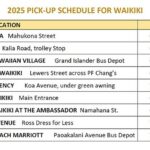
This tour begins early, with pickup around 7:00 am from the Waikiki area. If you’re coming from the airport, the pick-up details depend on which airline you used, but the big win is simple: you don’t have to coordinate buses, parking, or a last-minute ticket scramble.
That matters because Pearl Harbor days can get chaotic. The sites are always in demand, and your schedule can fall apart if you arrive without the right timing. Here, you’re set up to keep going rather than hunt down access points.
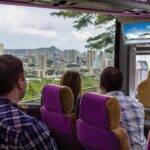
You’ll ride in an air-conditioned vehicle, and the day is paced as a guided loop. That makes it feel less like a stressful checklist and more like a focused education tour with breaks built in.
You can also read our reviews of more tours and experiences in Honolulu.
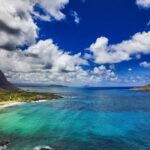

Guaranteed entry and the Visitor Center film that sets the stage
Your first stop is the Pearl Harbor Historic Sites Visitor Center. This is the part I recommend most people take seriously, even if you think you already know the story. The visitor center gives you context leading up to the attack, then you watch a 23-minute documentary that frames what you’re about to see.
After the film and exhibits, you board a U.S. Navy-operated boat for the short harbor ride to the USS Arizona Memorial. It’s about 10 minutes, and the ride is calm. More importantly, it gives you a moment to shift gears from crowds and phones to a quieter, more reflective mode.
One practical advantage: your entry tickets are provided by your guide on the day of the tour. That’s a big deal at Pearl Harbor, where securing timed entry can turn into a second job. You also avoid the hassle of figuring out which tickets are needed for which part of the site.
A small caution to keep in mind: the day can be affected by stormy weather and sites can close. That’s not unique to this tour, but it’s worth accepting up front.
USS Arizona Memorial: quiet design, clear reminders
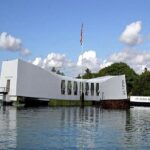
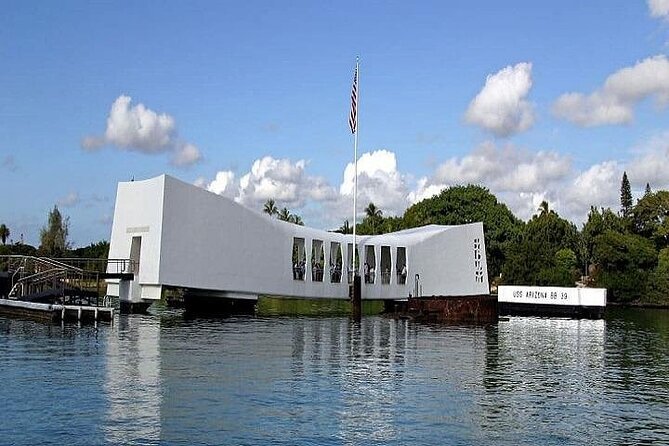
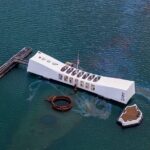
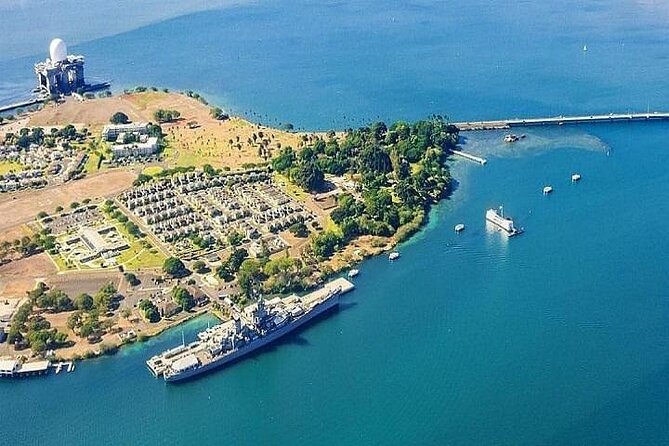
The USS Arizona Memorial is an open-air structure built over the remains of the sunken battleship. The look is simple and stark on purpose. The space is meant for reflection, and it moves at the pace of the moment.
Inside, you can view the wreckage through designated viewing points. You’ll see the outline of the ship below the surface, and oil droplets often called The Tears of the Arizona can rise to the water’s surface. That image hits harder than most history photos because it’s still happening in real time while you’re there.
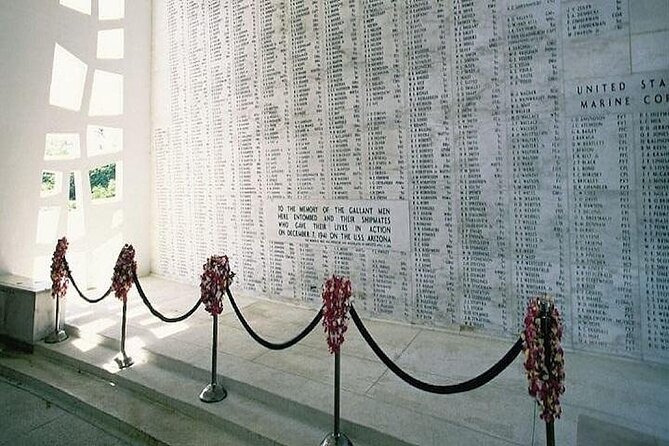
At the far end is the Remembrance Wall, engraved with the names of 1,177 crew members lost aboard USS Arizona. You don’t need to force emotion here. The setting does that work for you.
There’s also a guideline worth following: visitors are encouraged to maintain respectful silence on the USS Arizona Memorial. You’ll notice how much calmer the experience becomes when everyone cooperates with that tone. If you’re the type who likes to talk through history, save that for outside.
Time on site is about 1 hour, and admission is included.
Battleship Missouri: the deck walk that makes WWII feel tangible
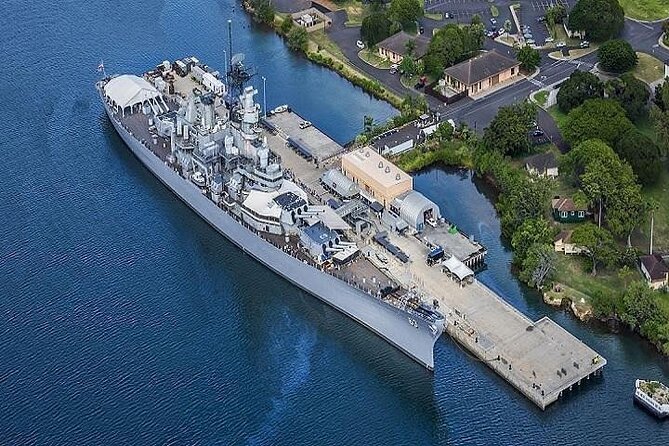
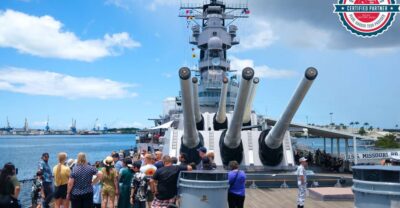
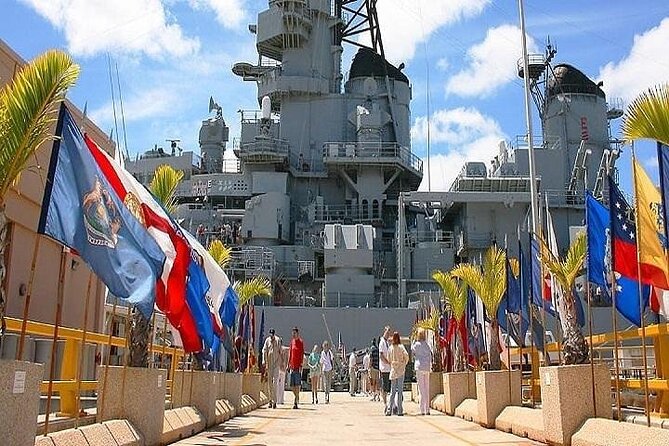
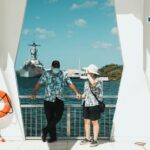
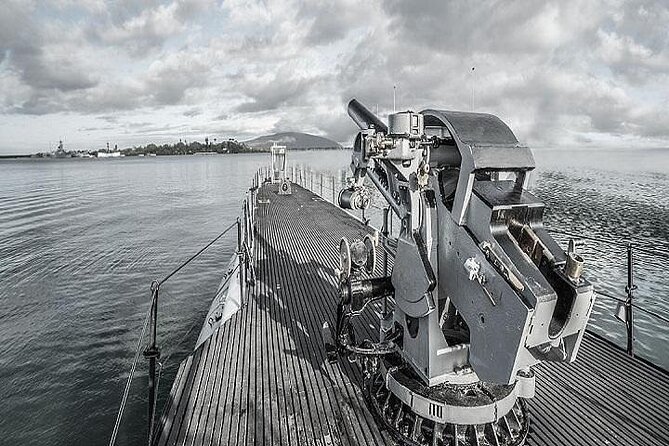
Next up is the Battleship Missouri Memorial. This is where the tour shifts from mourning to documentation and consequence. The Missouri is described as the last battleship the U.S. ever built, and it’s tied directly to the end of WWII.
On the guided deck tour, you walk the ship and see parts of what made it an engineering and military platform:
- officer and crew quarters
- artillery areas
- a reference point tied to a kamikaze aircraft crash
- and the place and story around the Instrument of Surrender in 1945
This is the stop I’d call the most “hands-on-feeling,” even though you’re not climbing anything extreme. Seeing the scale of the deck, the placements of rooms and equipment, and the memorial context all in one place helps it stick. You can picture how massive the operation was, not just read about it.
Time here is about 2 hours, and it’s another included admission stop. If you’re a history person, you’ll likely wish you had more time. If you’re not, it’s still worth it because it’s structured. The guide keeps the story tied to what you’re physically seeing.
USS Oklahoma Memorial and Ford Island context
Then you head to the USS Oklahoma Memorial. This one is land-based and honors more than 400 servicemen who died aboard the ship during the attacks on Dec. 7, 1941. The Oklahoma is often described as second only to USS Arizona in casualties that day, and the memorial keeps that weight front and center.
It also helps complete the larger Pearl Harbor picture. Arizona is the name people know first, but Oklahoma, along with Missouri and the rest of the memorial complex, gives you a more complete sense of the attack’s impact across different ships and locations.
This stop runs about 2 hours and stays part of the included ticket package.


Old Honolulu stops: Punchbowl and Iolani Palace in one day
Pearl Harbor is the main event, but the tour doesn’t stop there. You also get historic Honolulu pieces that help you see Hawaii as more than a backdrop.
Downtown Honolulu is on the schedule as a 45-minute narrated segment. The guide ties in Hawaii’s cultural heritage and the story behind how the city developed.
After that, you visit the National Memorial Cemetery of the Pacific on Punchbowl. The cemetery sits in an extinct volcano crater, and the grounds are carefully maintained with rows of white headstones against lush greenery. What I like about this stop is the combination of quiet respect and big views. You can look out toward downtown Honolulu, Diamond Head, and the coastline.
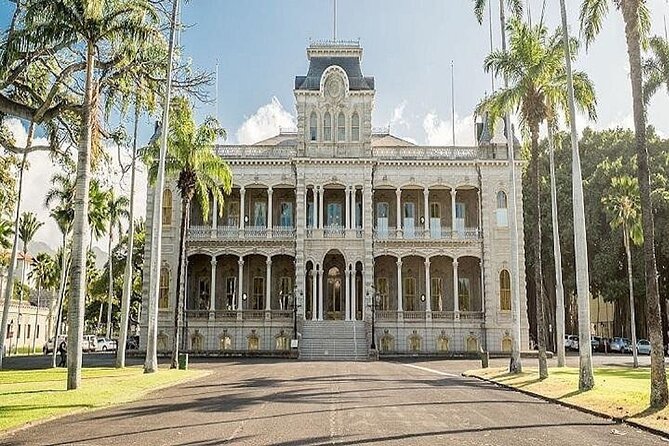
You also visit Iolani Palace, described as the only royal palace in the United States. It’s a fast stop at about 15 minutes, but it gives you a key storyline: the Hawaiian monarchy, including stories connected to King Kalākaua and Queen Liliʻuokalani.
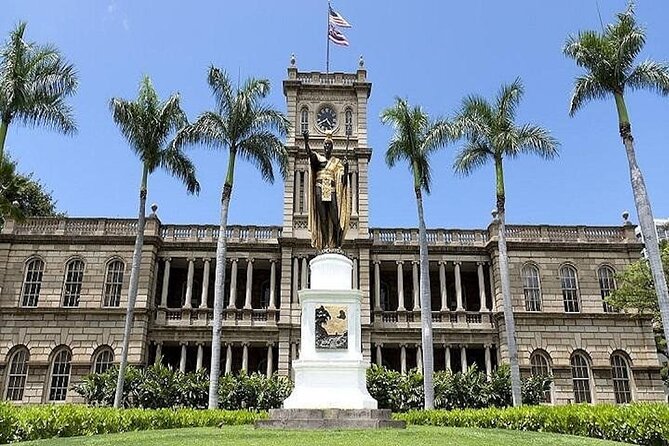
From there, you view the King Kamehameha Statue, and the guide adds talk-story around Aliʻiōlani Hale, the historic building that now houses the Hawaii State Supreme Court.
The final historic stop included here is Kawaiahaʻo Church, sometimes called the Westminster Abbey of the Pacific. It’s one of the oldest Christian places of worship in Hawaii, and the guide explains its role in Hawaii’s religious history.
If you want a day that balances reflection with variety, this pairing works. If you only want ships and battles, you might find the additional Honolulu stops a little fast. But they’re helpful for context and for pacing the day after Pearl Harbor.
What to expect on timing, walking, and comfort
This is a full day, roughly 7 to 9 hours, with multiple major stops and transitions. The most important part isn’t just duration; it’s how the time is spent. You’ll sit for a documentary and likely for some narration, but you’ll also be walking through multiple sites.
The tour notes you should wear comfortable shoes and that it’s not recommended if you cannot walk 4 city blocks. At Pearl Harbor and around downtown, that walking adds up faster than people expect.
Here are a few practical tips that make a noticeable difference:
- Sunglasses help with the bright open-air areas.
- Bring water habits with you. A helpful note from a recent experience is that the guide keeps water on hand.
- Keep your valuables simple. Pearl Harbor bag rules can slow you down if you show up overloaded.
Also, note the rule: no smoking on the visitor center grounds or at the memorial. And no swimwear is allowed. It’s not a beach day, even if Hawaii makes you want to treat it that way.
Bag rules and the $7 storage reality (plan for it)
Pearl Harbor has strict restrictions: purses and bags are not allowed inside. That means you need to store items. Bags can be stored for $7.00 each.
Clear plastic bags are allowed, similar to what you might see at sports events, as long as the contents are readily visible. There’s also guidance that bags containing medical equipment unsuitable for lightweight clear bags are allowed.
The simplest way to stay sane: pack only what you need and expect you’ll be leaving a bag behind. If you keep your essentials—phone, wallet, and what you need for the day—either on your person or in an approved clear bag, your lines and movement will feel smoother.
If you’re someone who likes to carry a camera bag full of extras, this stop will challenge that habit.
Price and value: what $116.99 buys you
At $116.99 per person, this tour isn’t cheap, but it does two things that can save you money and frustration: it includes admission to the key attractions and it includes Waikiki-area pickup and drop-off.
The big value isn’t only the tickets. It’s the combined effect:
- You don’t have to chase multiple entry rules and timed access.
- You’re not spending time piecing together your own transport plan for Pearl Harbor.
- You get narration that connects what you’re seeing, including what each memorial is meant to communicate.
When you add that the group is capped at 24 travelers, you get a more manageable scale for a guided day. And because the guide provides tickets on the morning of the tour, you’re less likely to lose time at gates.
If you’re on a tight schedule in Oahu and you want Pearl Harbor done right without a planning headache, this price can feel fair.
Who this tour fits best
I think this works best if you:
- want the core Pearl Harbor memorial experience without juggling ticket logistics
- like guided context more than reading placards on your own
- want a single day that mixes WWII with major Honolulu historic stops
- prefer a small-group approach (max 24)
It may feel less ideal if:
- you want a slower, museum-heavy Pearl Harbor day with lots of time at exhibits
- you strongly dislike walking between multiple sites
- you prefer independent exploring rather than a set route
One more note: visiting the museums is not part of this tour. If you want museum time, you’ll need a different option.
Should you book this Pearl Harbor WWII battleships tour?
If your priority is getting into the most important sites without ticket stress, I’d book it. The best part is the practical structure: pickup, admission handled on the day, and a guide who connects the dots between USS Arizona’s sacrifice and USS Missouri’s surrender story.
If you’re the type who wants to linger and read everything slowly, consider whether a 7–9 hour format will feel rushed. But for most people, this strikes a strong balance between emotion, history, and efficiency.
FAQ
FAQ
What’s the duration of the tour?
The tour runs about 7 to 9 hours.
What’s included in the price?
Pickup and drop-off in the Waikiki area are included, the vehicle is air-conditioned, and entry tickets for the tour attractions are provided by your guide on the day of the tour.
Are meals included?
No. Meals are at your own expense, though there are some on-site dining options near the Visitor Center and near Battleship Missouri.
Does the tour include the Pearl Harbor museums?
No. Museums are not part of this tour. If you want museum time, you’ll need a different Pearl Harbor option.
What are the bag rules for Pearl Harbor?
Purses and bags are not allowed inside Pearl Harbor. You can store bags for $7.00 each. Clear plastic bags are allowed.
Where does pickup happen in Waikiki and at the airport?
The tour includes pickup from the Waikiki area. If you flew Southwest into Honolulu, pickup is at Terminal 2, baggage claim 31, area 5. If you flew Hawaiian Airlines, pickup is at terminal 1, area 1.
Is the tour suitable for everyone?
Most travelers can participate, but it’s not recommended if you can’t walk about 4 city blocks. Service animals are allowed.