REVIEW · SCUBA DIVING TOURS
Certified Diver: 2-Tank Deep Wreck and Shallow Reef Dive Off Oahu
Book on Viator →Operated by Dive Oahu Inc · Bookable on Viator
Two tanks, turtles, and a real wreck. This Oahu outing strings together two underwater sea-life hotspots off the south shore, so you get depth-time for big ocean critters plus a second, shallower spot for close-up reef watching. I especially like that the sites are only minutes offshore, which helps you spend more time looking around and less time transferring gear.
The practical side is strong. You get free premier gear rental plus snacks and refreshments, and the whole day runs with a PADI Professional in charge. It’s also a small-boat format, and the crew names that pop up in real-world experiences include captains like Nacho, Adam, and Lindsay, with in-water guides such as Heather, Josh, Jordan, and Colton.
One thing to plan around: this experience depends on conditions. If the weather isn’t right, you’ll be offered another date or a refund, so keep your schedule flexible if you can.
In This Review
- Key highlights worth clocking
- South Shore Oahu: the wreck-plus-reef logic
- Price and what’s included: the value math at $248.81
- Stop One at depth: the Sea Tiger wreck experience
- Stop Two on the shallow reef or pipe: turtles, eels, and calmer water
- Crew skills that keep it smooth: gear checks, equalizing, and safety rhythm
- Timing, group size, and comfort on the boat
- Before you go and after you’re back: weights, suits, and flight rules
- Should you book this 2-tank outing?
- FAQ
- Do I need scuba certification to join?
- What’s included in the price?
- How long is the experience?
- Where do we meet, and how early should we arrive?
- How many people are on the tour?
- What if I need to cancel or the weather is poor?
- Can I add equipment like a GoPro or Nitrox?
Key highlights worth clocking
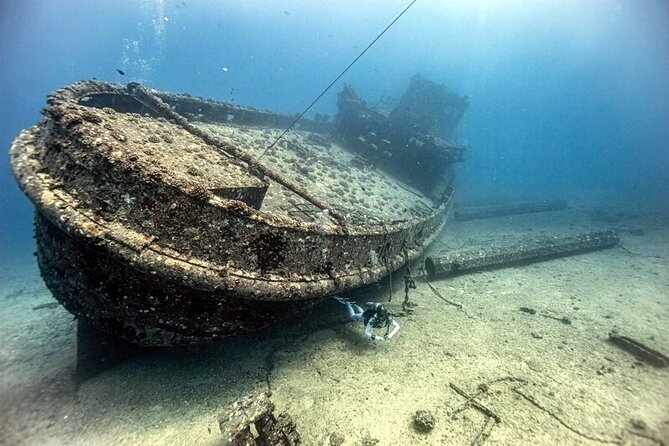
- Sea Tiger wreck at depth, with lots of wildlife on the edges: you usually aren’t doing a wreck-swim like a movie scene, but you’ll still see plenty living on and around it.
- Second site stays shallower for easier sightseeing: think more turtles, eels, and fish time.
- Free gear, snacks, and refreshments: fewer rental headaches and more comfort on the water.
- PADI-led guidance that helps you settle in: the crew’s style shows up as calm coaching, including equalizing help for nervous divers.
- Small group energy: the max is 21 participants, and some days are even smaller.
South Shore Oahu: the wreck-plus-reef logic
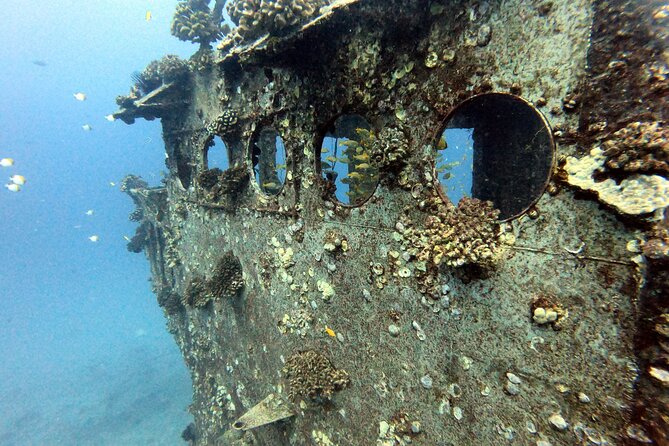
This plan works because it’s built around variety. First you go to a wreck that draws animals in, then you switch to a shallower reef or pipe-type structure where you can actually linger on the details—faces, hiding spots, and that slow, satisfying drift where everything pops into focus.
The south shore location is also practical. You’re not spending your morning in a long transfer to some remote corner. One day might put the wreck around the ~105-foot range and the shallower site around ~50 feet, which means you’ll feel the difference between “watch what’s out there at depth” and “take your time with the reef life.”
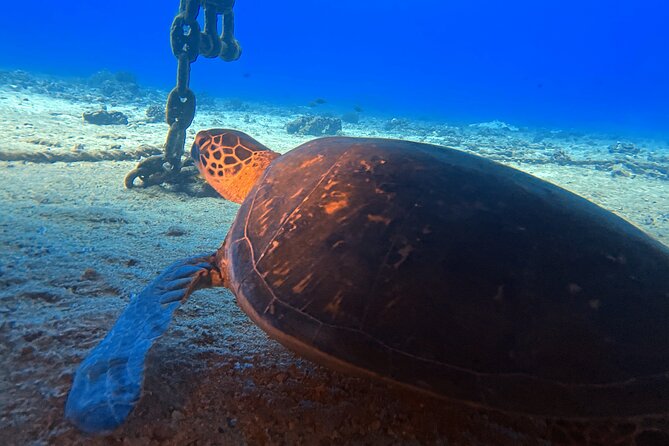
And you’re not just chasing scenery. You’re chasing encounters: turtles are a frequent headline, and eels, octopus, stingrays, and sharks show up often enough that you’ll want to stay alert. Even when the wreck itself can be too small or rusty to swim through comfortably, the structure still acts like a magnet—so you get the point of wreck diving without the gym-bad-claw fantasy.
You can also read our reviews of more tours and experiences in Oahu.
Price and what’s included: the value math at $248.81
At $248.81 per person, this isn’t a bargain in the “cheap ticket” sense. But it’s also not just paying for the boat. Your money buys two underwater sessions, a PADI Professional-led day, and the kind of on-site handling that saves you time and stress.
Here’s what’s included:
- Premier gear rental (free)
- Snacks and refreshments (free)
- Guided tour with a PADI Professional
That gear piece matters. If you have to rent tanks, weights, or the rest of the kit separately, the total can climb fast. With this package, you can show up ready and let the crew run the fit-up and swaps. That’s also why the day can stay on schedule at roughly 3 hours.
You’ll also have add-on options if you want more tech or customization: GoPro rental, Nitrox tank rental, a private guide, and/or a private photographer. If you’re a careful planner and want photos, those add-ons can be worth checking—especially if you don’t already have your own system dialed.
Parking is not included, so add that cost if you’re driving. For most people, the near-public-transport location around Ala Moana/Kewalo keeps it manageable.
Stop One at depth: the Sea Tiger wreck experience
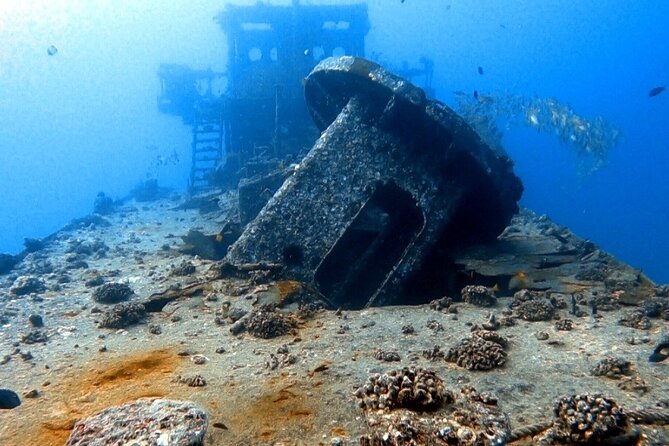
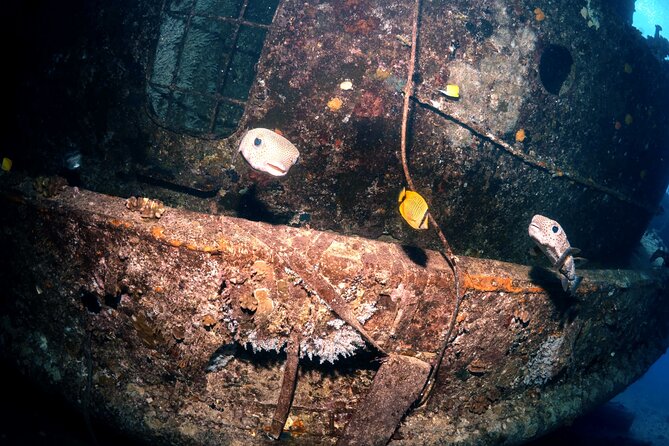
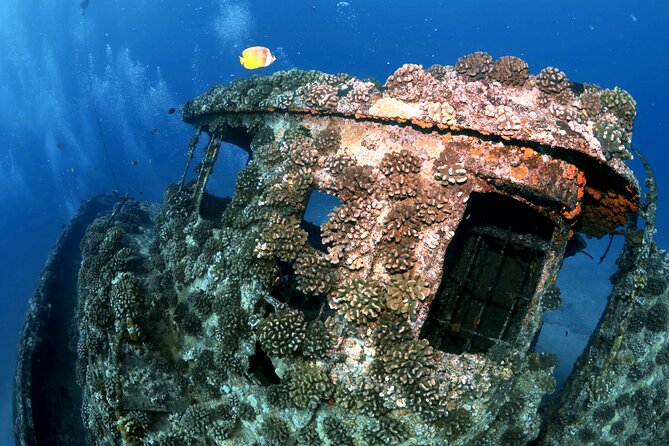
The first underwater stop is the star: the wreck visit at depth. In real outings, this gets tied to the Sea Tiger wreck name, and it’s often around the ~105-foot mark. Plan for a deeper, more deliberate pace. You’ll likely spend more time observing than “exploring,” and that’s a good thing—because the wildlife reaction to structure can be intense.
One useful expectation to set: you usually won’t be swimming through the wreck like a tunnel adventure. The hull can be too rusty or small in spots, and you’ll spend most of your energy looking at what lives around it. The upside is that you still get close-up viewing angles, plus the chance to spot bigger movers farther out below the boat line.
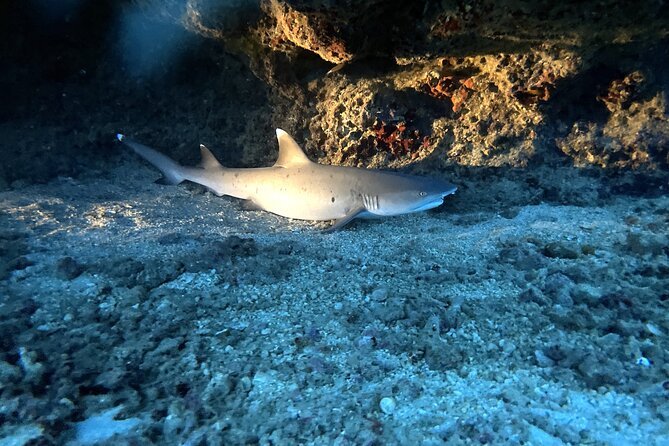
Wildlife sightings that have shown up on wreck days include sharks, octopus, lobster, sea turtles, and lots of colorful reef fish. If you’re the type who wants the “prove it” animals, this stop is your best bet.
Also watch how the crew handles descent and checks. People often feel more confident when the guide team does quick gear confirmation before you hit the water. That confidence is not fluff. It directly affects buoyancy control and reduces the mental churn that makes equalizing harder.
Stop Two on the shallow reef or pipe: turtles, eels, and calmer water
After the deeper wreck time, the second stop shifts to a favorite Honolulu-area reef site. In multiple experiences, this is described as a shallow pipe-type structure, sometimes around ~50 feet. That shallower range changes the whole mood: you can breathe, look longer, and focus on finding animals instead of managing depth.
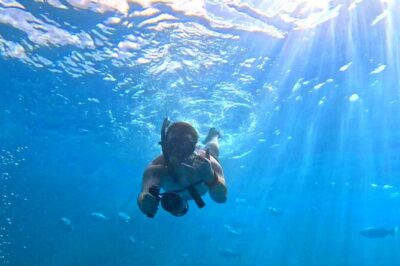
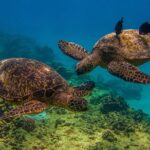
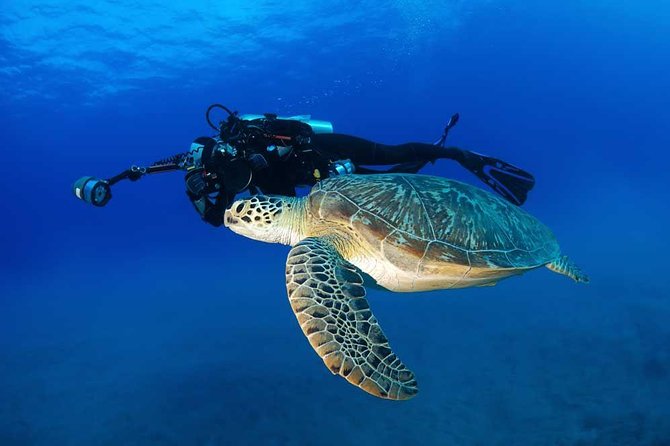
This stop is where “small drama” becomes “big rewards.” Turtle sightings are common, and eels show up frequently too—often in those places that look empty at first glance. Octopus appear in the shadows when you slow down and stop rushing from one target to the next.
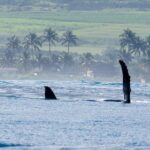
The reef or pipe structure also tends to attract more surface-of-the-day energy. A few experiences included whale spouts spotted during the surface break, which is a nice bonus if you’re patient and keep your eyes up between sessions.
If you’re bringing a camera, this is also where you’ll likely get the best shots. The closer fish and the more stable conditions help you get steady frames. One practical note from real-world prep: if you’re using a GoPro, cover it properly so it’s protected in the chop and getting in/out of the water.
Crew skills that keep it smooth: gear checks, equalizing, and safety rhythm
What makes this outing feel “easy” for many people isn’t just the sites. It’s the rhythm of how the crew runs the day.
First, there’s the pre-water gear flow. You’ll want to arrive early so the team can handle waivers and equipment fitting without pressure. A full half hour before the scheduled departure is the safe move. That buffer helps when someone needs weight adjustments or a quick second look at tank setup.
Second, there’s the in-water coaching style. The name patterns in real experiences include guides like Heather, Josh, Jordan, Jared, and Colton, and the common thread is patience. One story specifically highlights support for someone working on equalizing and regulating breathing—exactly the moment when a calm guide makes a huge difference in confidence.
Third, the captain’s role shows up as practical competence: getting everyone in and out smoothly, especially when conditions are choppy. Even divers with a little anxiety about getting back on the boat often find that the captain and guide make the process feel controlled.
If you want a quick reality check: yes, you’re going to see sharks, turtles, and eels. But the best part is how the crew helps you stay comfortable enough to actually enjoy that seeing part.


Timing, group size, and comfort on the boat
This is a 3-hour experience on the water (approx.), but the real time value comes from the fast turnaround between sites. Two locations, kept close to the harbor area, means you’re not burning half your day commuting.
The max group size is 21 participants. In practice, some trips have been tiny, and that usually means less crowd noise and more one-on-one attention. Even when the group is bigger, you still typically get enough personal check-ins because the guide-to-group interaction is part of the package.
Comfort-wise, you’re riding in a boat setup designed for a smooth arrival and exit. Snacks and refreshments also help you stay human through the second session. That sounds minor until you’re halfway through the day and realize you didn’t have to guess when you’d eat again.
Language is English, so if you’re not comfortable with scuba jargon in other languages, this setup is a plus.
Before you go and after you’re back: weights, suits, and flight rules
This is for certified participants. You must show proof of scuba certification through PADI or another approved course before boarding. You also need to be able to swim, be over 15, and be in good health.
The day also asks you to be ready with your weight. You’re not guessing that number at the last minute. Bring accurate info so the team can set buoyancy and comfort quickly.
Suit choice is another real-world comfort factor. In winter months like February, the water can feel cooler than the beach air, and it’s smart to plan for a wetsuit. If you run hot on land, still expect the temperature drop once you’re in the water and moving slowly.
Two more planning notes that actually matter:
- You must not fly within 24 hours after your scuba session.
- You’ll be asked to provide a valid email address so you receive a confirmation message from the operator. If anything looks off within a couple hours of booking, contact them.
If you’re prone to being the person who forgets small gear, write a checklist now. This outing gives you plenty, but it doesn’t fix a missing swimsuit layer or a forgotten dry bag.
Should you book this 2-tank outing?
I’d book it if you want a straightforward Oahu combo: one wreck stop for bigger-animal odds and one shallower reef/pipe stop for turtles, eels, and photo-friendly wildlife time. The free gear rental and included snacks are real value adds, not just marketing lines. And the crew reputation for calm, patient coaching is the kind of thing that changes how much you actually enjoy the day.
I’d think twice if your schedule is tight and you can’t flex for weather. Since the outing depends on conditions, it’s smart to plan around it rather than build the rest of your trip on the assumption that day will run exactly as planned.
If you want the most rewarding experience, come early, bring accurate weight info, and don’t fight the shallower second site. That’s where people often end up seeing the most unique behavior because they can slow down.
FAQ
Do I need scuba certification to join?
Yes. You must show proof of certification through PADI or another approved diving course before boarding the boat.
What’s included in the price?
The price includes free premier gear rental, free snacks and refreshments, and a guided tour with a PADI Professional. Parking is not included.
How long is the experience?
It’s about 3 hours.
Where do we meet, and how early should we arrive?
Meet at Kewalo Basin Harbor at 1085 Ala Moana Blvd suite 109, Honolulu, HI 96813. Plan to arrive about half an hour early for waivers and equipment fitting.
How many people are on the tour?
There is a maximum of 21 travelers.
What if I need to cancel or the weather is poor?
The experience requires good weather. If it’s canceled due to poor weather, you’ll be offered a different date or a full refund. Cancellation rules are strict: you can cancel for a full refund if you cancel at least 24 hours before the experience start time, and the operator also notes a 48-hour cancellation policy.
Can I add equipment like a GoPro or Nitrox?
Yes. Add-ons include GoPro rental and Nitrox tank rental, plus options for a private guide and/or a private photographer.