A waterfall rappel feels like fast-forward. This Oahu trip mixes an off-trail jungle hike with Caleb’s safety-first guidance, so you’re not just chasing thrills, you’re doing it with real structure. The one thing to watch is that the trail can be rugged and scramble-y, so moderate fitness and solid shoes matter.
You’ll be out for about 5 hours, with a small group (up to 10). Rope gear is included, you get a demonstration before you go down, and then there’s time for snacks and drinks after the rappel.
In This Review
- Key Highlights Worth Your Time
- Morning Pickup and Trailhead Reality Check
- The Jungle Hike: Scrambles, Views, and Island Stories
- Ropes Set Up at the Waterfall: Calm Confidence Before Descent
- The Waterfall Rappel: Controlled Thrills and Photo Time
- What’s Included (and What You Should Bring)
- Price and Logistics: Is $350 Worth It?
- Who This Tour Fits Best (and Who Should Rethink It)
- Should You Book Wild Hawaii Rappelling?
- FAQ
- Where does the tour start?
- What time does the experience begin?
- How long is the tour?
- How much does it cost?
- Is pickup available?
- What’s included in the price for equipment?
- How many people are in the group?
- What fitness level do I need?
- Is the tour equipment or ticket sent digitally?
- What is the cancellation and weather rule?
Key Highlights Worth Your Time
- Safety briefing + hands-on demonstration before anyone commits to the descent
- Small group size (max 10), which usually means less waiting and more attention
- Rugged, off-the-beaten-path hike with history, flora, and fauna talk along the way
- Full rappel kit included (harnesses, ropes, helmets, gloves, hardware)
- Photo options on request using drone, GoPro, or your camera
- Snack and drink stop after while the guide packs up gear
Morning Pickup and Trailhead Reality Check
This is a start-early kind of experience. You meet at 3000 10th Ave in Honolulu at 8:00 am, and the tour runs for about five hours total. If you want pickup, it costs an extra $25, and it’s useful if you don’t feel like hunting down the trailhead first thing in the morning.
What I like most is that the day doesn’t begin with guesswork. At the trailhead, you get a brief talk on the trail and terrain, plus a check that you have enough water and the right gear mindset for the day. For a rappelling trip, that early structure is everything: it sets expectations, reduces nerves, and helps you focus on what comes next.
This isn’t an easy stroll. The activity is meant for people with moderate physical fitness, and the group can be as large as 10. If you know you get tired on uneven ground, plan to move at a steady pace and treat the hike as part of the work, not just the prelude.
You can also read our reviews of more tours and experiences in Oahu.



The Jungle Hike: Scrambles, Views, and Island Stories
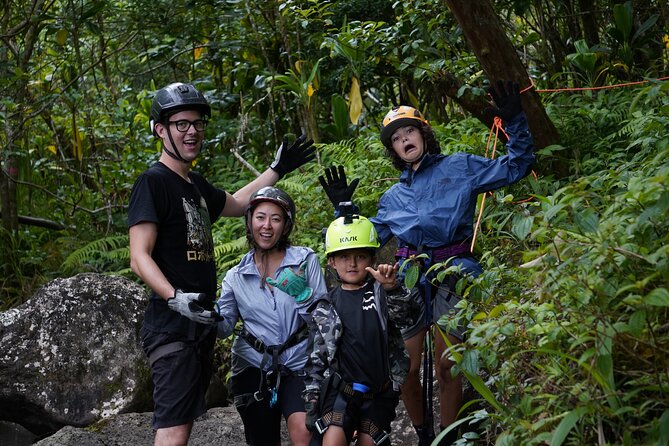
The hike is the bridge between Waikiki-area convenience and the kind of Oahu most people never see. You head toward a waterfall area through terrain that can feel more rugged than a normal marked trail. One rider described it as not really a trail, more of a jungle route with scrambles, and that matches the vibe here: you’re going off the beaten path.
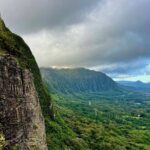
The reward is twofold. First, you get working views as you climb. Second, the guide fills the hike with history, flora, and fauna you can actually recognize when you’re staring at the plants instead of just passing them. It’s not just talk to fill time. It helps you notice where you are and why the island grows the way it does.
One practical note: after rain, conditions can get muddy. Bring shoes that can handle slick, uneven ground. If you only own light sneakers, you’ll likely feel it in your feet before you reach the ropes.
Ropes Set Up at the Waterfall: Calm Confidence Before Descent
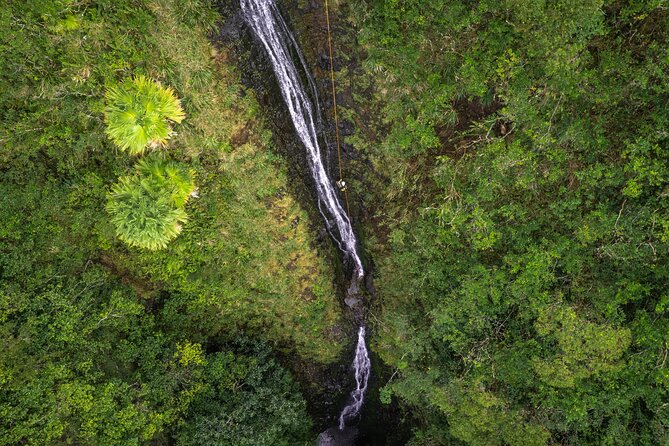
When you arrive at the waterfall, the experience shifts from hiking mode to controlled technical mode. The guide sets up ropes and equipment, then delivers a safety briefing focused on what you need to do and what you should avoid. You’re not just told, you’re shown.
This is where Caleb’s approach really stands out in the details you’d want before committing. The guide provides a demonstration and explains how to do the steps properly, with time to ask questions. That matters because rappelling isn’t only about bravery. It’s about correct setup, body positioning, and staying calm when you’re suspended and focused.
If you’re doing a more intense version of the excursion, you might get extra confidence-building help like a practice rappel on a small section first. Even if you’re not on the most extreme option, the overall pattern is the same: you should leave the briefing feeling ready, not guessing.
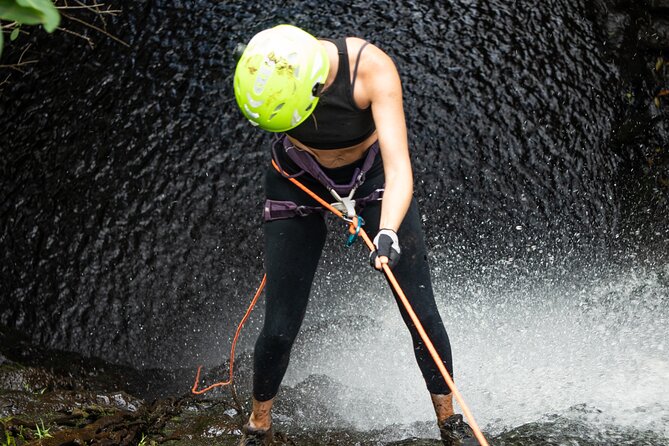
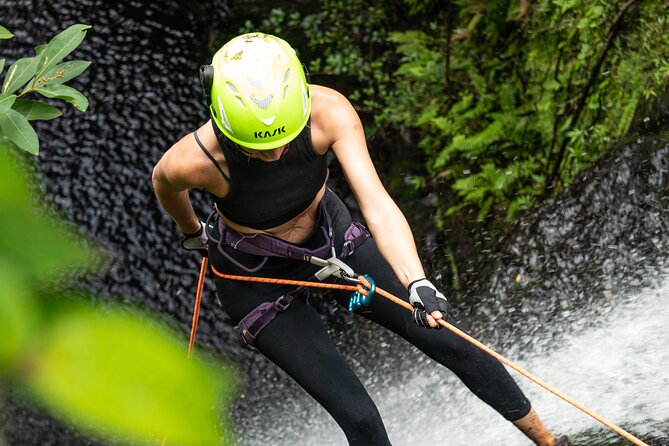
Also, rope gear is included for you: harnesses, ropes, helmets, gloves, and hardware. That’s a real value piece, because it reduces the hassle of renting specialized equipment and it ensures everyone rides the experience with the same safety kit.
The Waterfall Rappel: Controlled Thrills and Photo Time
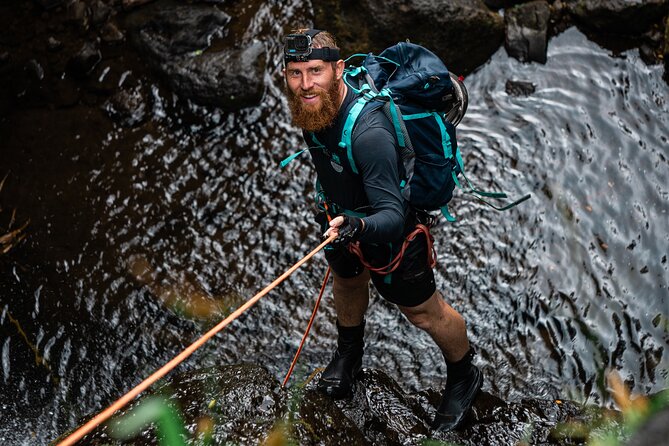
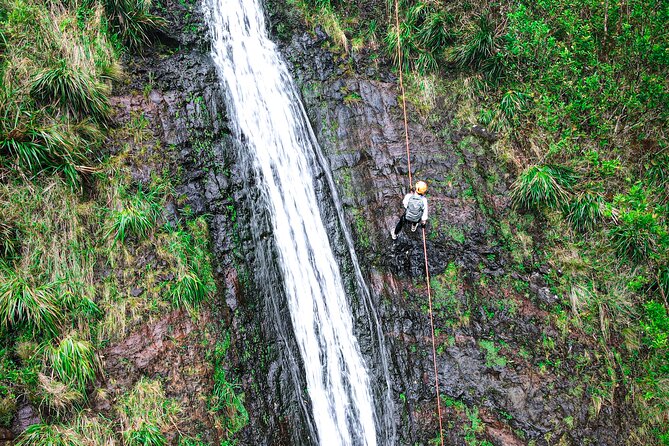
Now for the main event: the descent. Once ropes are ready and you’ve gone through the basics, you rappel down the waterfall. Expect the feeling of exhilaration that comes from mixing height, water, and motion. It’s the kind of thrill that feels personal, not like a theme-park ride, because you’re actively doing it.
What you might notice at the waterfall depends on conditions, but one description mentioned the waterfall dropping into a pool you can swim in. If that’s part of your plan, treat it as secondary and follow your guide’s call on what’s safe when you’re there.
After you finish your rappel, you can relax. You’ll get snacks and drinks while the guide recovers gear, and this is one of those moments that makes the day feel complete. You’ve done the intense work; now you get a chance to breathe and enjoy the setting without rushing.
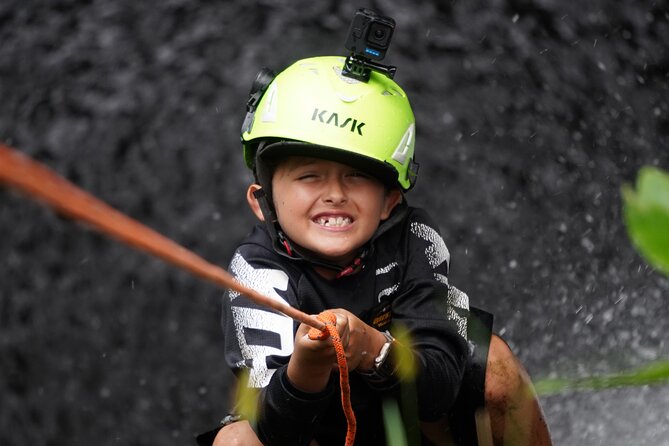
If you care about documentation, ask. The experience allows drone, GoPro, or camera capture at the guest’s request. Whether you want action shots of your rappel or something calmer after, you’ll likely be able to coordinate it without derailing the group’s safety rhythm.
What’s Included (and What You Should Bring)
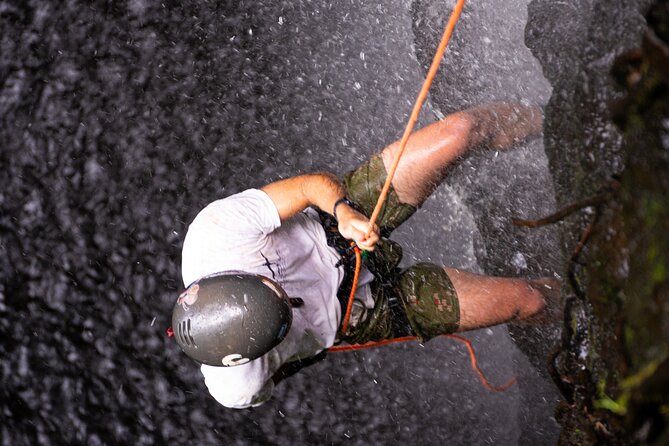
Included gear is a big part of why this adventure feels like real outfitting instead of just a guided hike. You’re provided with harnesses, ropes, helmets, gloves, and hardware. That lowers your cost and keeps the experience standardized.
Still, you’re the one who controls comfort and stability. Here’s what I’d plan to bring based on what matters for a rugged Hawaiian hike and a wet technical descent:
- Good hiking shoes with solid grip (conditions can get muddy after rain)
- A hat to keep water out of your eyes during the rappel
- Quick-dry clothing so you’re not freezing or chafing after you get wet
- A way to keep your essentials secure (small dry bag or waterproof pouch)
- A refillable water bottle and a bit of patience for a slower pace on uneven ground
Depending on the intensity level, you may be offered extra clothing like a wetsuit top and special grip footwear. The point is simple: if the water is involved, come ready to get wet and act like that’s normal.


Price and Logistics: Is $350 Worth It?
At $350 per person, this is not a budget activity. But rappelling with full safety gear, rope setup, and a guide who stays focused on instruction is expensive in real-world ways. You’re paying for specialized equipment, expert handling, and time spent building confidence before anyone drops down a waterfall.
The value also comes from access. This is not a roadside viewpoint where you walk 10 minutes and call it a day. You’re getting a rare route up and out, plus the payoff of doing something physical and technical in a place most people never hike to.
Two logistics pieces affect your real cost and experience:
- Pickup is extra $25, so decide if it saves you stress.
- The group is capped at 10, so you should expect more attention than larger mass tours.
One more practical detail: the experience is often booked well ahead (on average about 47 days). If your trip dates are firm, book earlier so you don’t end up chasing last-minute availability.
Who This Tour Fits Best (and Who Should Rethink It)
This is best for you if you’re:
- Comfortable hiking on uneven, rugged ground
- Interested in a guided day that combines nature with real hands-on action
- Willing to listen, follow instructions, and take safety seriously (because it is the point)
It’s also a strong fit if you like competence and communication. In multiple accounts, the guide’s style is described as calm, super communicative, and matched to your skill level. That kind of guide matters a lot when you’re dealing with ropes, water, and height.
Rethink it if:
- You’re not comfortable with heights or controlled exposure to an active rappel
- Your fitness is below moderate and you expect the hike to be easy
- You don’t have stable shoes for scramble-y terrain
Also remember: the activity requires good weather. If conditions are poor, you’ll be offered another date or a full refund. That’s important for planning your Oahu schedule, because you don’t want this to be the only slot you can’t move.
Should You Book Wild Hawaii Rappelling?
I’d book it if you want a day that feels different from the usual beach-and-bus routine. The best part is not only the rappel. It’s the full progression: hike into a quieter part of the island, learn what you’re seeing, arrive ready, get equipment and instruction, then do the descent without chaos.
You should also feel comfortable paying $350 if you value safety gear, a small group, and real coaching. You’re not buying a selfie with a waterfall. You’re buying an organized adventure that mixes exercise, technical skill, and the kind of scenery that makes people stop and forget their phone for a minute.
FAQ
Where does the tour start?
The meeting point is 3000 10th Ave, Honolulu, HI 96816, USA.
What time does the experience begin?
The start time is 8:00 am.
How long is the tour?
It runs for about 5 hours (approximately).
How much does it cost?
The price is $350.00 per person.
Is pickup available?
Pickup is offered for an extra $25.
What’s included in the price for equipment?
You’re provided harnesses, ropes, helmets, gloves, and hardware.
How many people are in the group?
The maximum group size is 10 travelers.
What fitness level do I need?
The tour is designed for people with a moderate physical fitness level.
Is the tour equipment or ticket sent digitally?
You’ll receive a mobile ticket, and confirmation is received at booking unless you book within 8 hours of travel.
What is the cancellation and weather rule?
Free cancellation is available up to 24 hours before the experience for a full refund. The activity requires good weather, and if it’s canceled due to poor weather you’ll be offered a different date or a full refund.