REVIEW · HIKING & TREKKING
Honolulu: Hawaiian Volcanic Rainforest Hike
Book on GetYourGuide →Operated by Bike Hawaii · Bookable on GetYourGuide
A hike through a living volcano world. This guided Honolulu Hawaiian volcanic rainforest hike takes you up the slopes of an ancient volcano, then rewards you with big O‘ahu views from the Ko‘olau range down toward the coast. You’re walking through native forest while the skyline keeps changing with every turn.
What I like most is the mix of effort and payoff: you get a 600-foot elevation gain on a moderate hike, not just a flat stroll. I also love that the route is built around native rainforest and the kinds of rare and endemic plants you can’t easily see on a drive-by.
The main thing to weigh is that this hike calls for above-average fitness and solid traction. If your legs tire quickly on uneven trails, this is not the right match.
In This Review
- Key highlights worth your attention
- Why this Ko‘olau rainforest hike feels more “Hawaiian” than sightseeing
- Getting to the trail: included pickup and a tight 3-hour window
- What’s provided (and what you still need to bring)
- The 600-foot climb: moderate effort with real humidity
- Inside the native forest: rare and endemic plants, plus a different kind of attention
- Overlooks tied to O‘ahu’s high points: Konahuanui and Mt. Ka‘ala
- Diamond Head and the coast: Honolulu, Waikiki, Pearl Harbor, Kailua
- Your guide makes the difference: Terry and Malki’s on-the-ground explanations
- Who should book this hike (and who should skip it)
- Price and value: is $90 worth it?
- Should you book this Honolulu Hawaiian volcanic rainforest hike?
- FAQ
- How long is the Honolulu Hawaiian Volcanic Rainforest Hike?
- What does the tour cost?
- Is transportation included?
- What’s included with the hike?
- What fitness level do I need?
- Are kids allowed?
- What should I bring?
Key highlights worth your attention
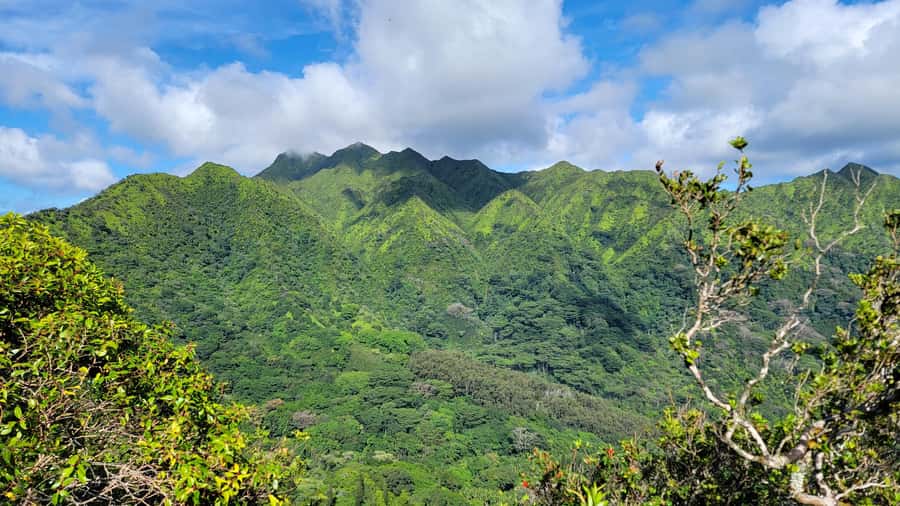
- Ancient Ko‘olau volcano slopes: rainforest walking with real altitude behind it
- 600-foot elevation gain: moderate, but it adds up in humidity
- Native forest focus: includes rare and endemic plant life
- Big view math: Konahuanui (3150 ft) and Mt. Ka‘ala (4025 ft) come into the story
- Signature island panoramas: Honolulu, Waikiki, Pearl Harbor, Kailua, and the Pacific Ocean
- Diamond Head crater views: Le’ahi shows up from a distance
Why this Ko‘olau rainforest hike feels more “Hawaiian” than sightseeing
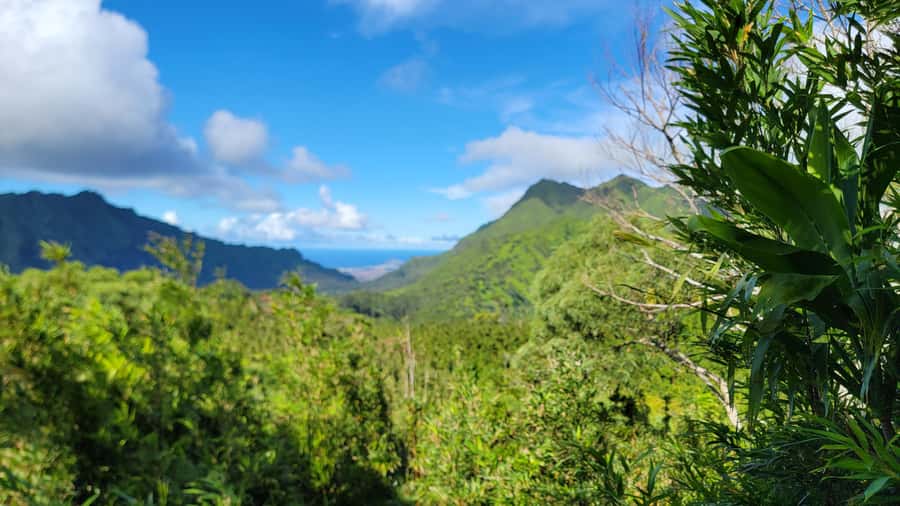
Honolulu is easy to romanticize from the beach. But the island really makes sense when you get into the mountains where the weather, plants, and terrain do most of the talking. This hike takes you into the slopes of an ancient volcano and keeps you moving through a native rainforest preserve rather than a theme-park trail.
What I like about this style of outing is that it’s not just scenery. You’re learning why the Ko‘olau range looks the way it does, and you’re seeing how that higher, wetter side of O‘ahu supports rare and endemic plant species. Even if you’re not a plant expert, the guide framing helps you notice more than you’d catch on your own.
And yes, the views are serious. You’ll get distant sightlines that connect multiple parts of O‘ahu in one outing—coastline, city, and crater all in the same trip window.
You can also read our reviews of more hiking tours in Honolulu

Getting to the trail: included pickup and a tight 3-hour window
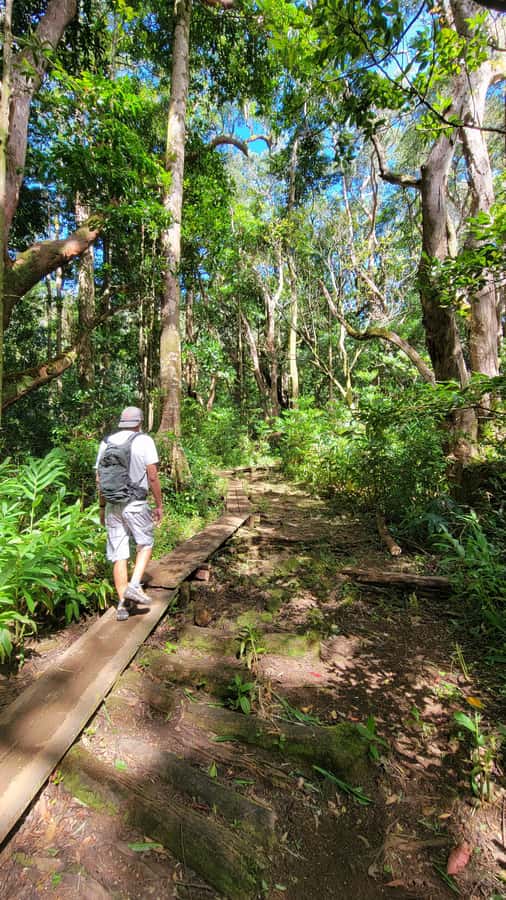
This tour is about 210 minutes total, which is long enough for a real climb and multiple viewpoints, but short enough that you can still keep a day in Honolulu flexible. That time balance matters if you’re juggling jet lag, beach time, or a packed itinerary.
You also don’t have to figure out a rental car just to get started. Round-trip transportation is included from Kahala, Waikiki, and Aloha Tower. That setup is especially convenient if you’re staying in central Honolulu and want the mountains without the hassle.
Bottom line: you’re trading a half-day of travel anxiety for a guided hike that’s timed to deliver views and rainforest time without dragging.
What’s provided (and what you still need to bring)
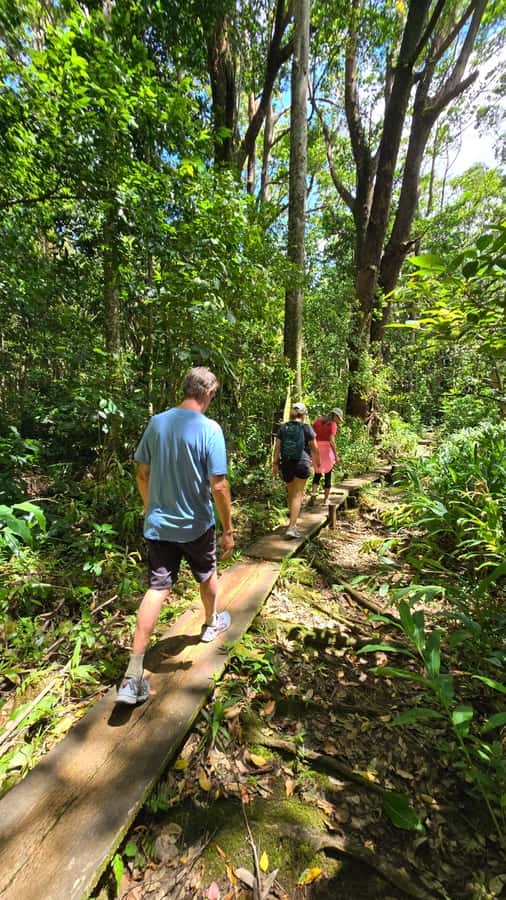
The included gear list is practical for a rainforest hike. You’ll have rain gear, a hip pack, and mosquito repellant, which removes two common problems: getting caught in sudden showers and dealing with bugs before you’re ready.
For what you bring yourself, focus on basic comfort and trail safety:
- Hat and sunscreen (even in rainforest, the sun can sneak through)
- Comfortable clothes you don’t mind getting a little damp
- Closed-toe shoes with good traction
The traction point isn’t optional. This isn’t described as a slippery boardwalk. Sturdy shoes help you feel confident when the ground changes underfoot.
The 600-foot climb: moderate effort with real humidity
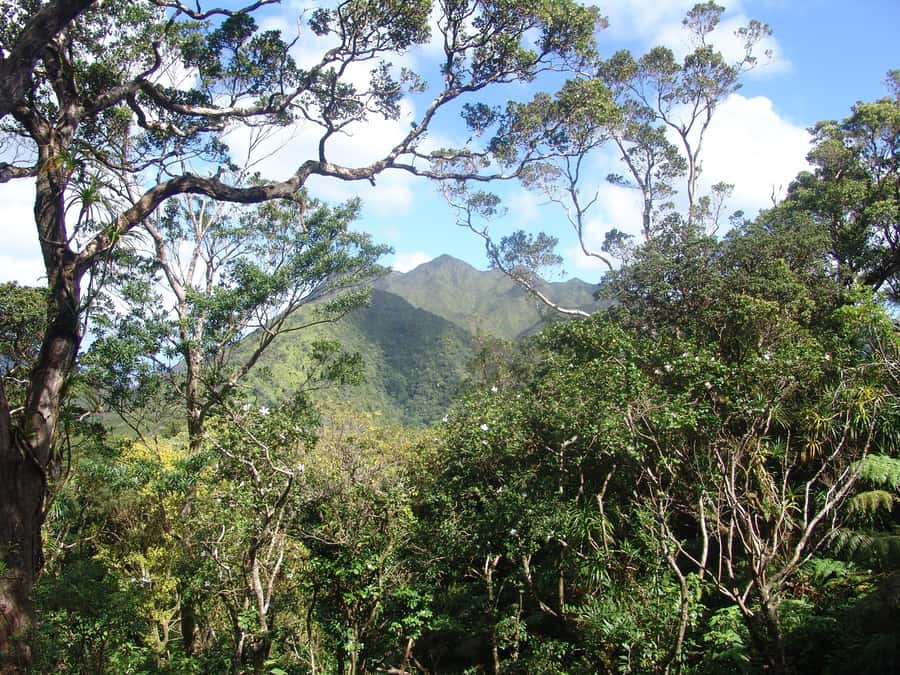
This is called a moderate hike, but the 600-foot elevation gain is enough to make your breathing pick up—especially in humid mountain air. The tour also notes an above average fitness level required, so don’t treat it like a casual walk.
What to watch for on your end: pacing. If you sprint at the start, you’ll pay for it later during the climb and viewpoint pauses. If you keep a steady rhythm, the hike starts to feel more like a slow unfolding of views than a single “workout moment.”
Also, remember the weather reality of O‘ahu’s wet side. Rain gear is included, but you should still plan for damp trail conditions. The goal is not to battle the mountain; it’s to move with it.
Inside the native forest: rare and endemic plants, plus a different kind of attention
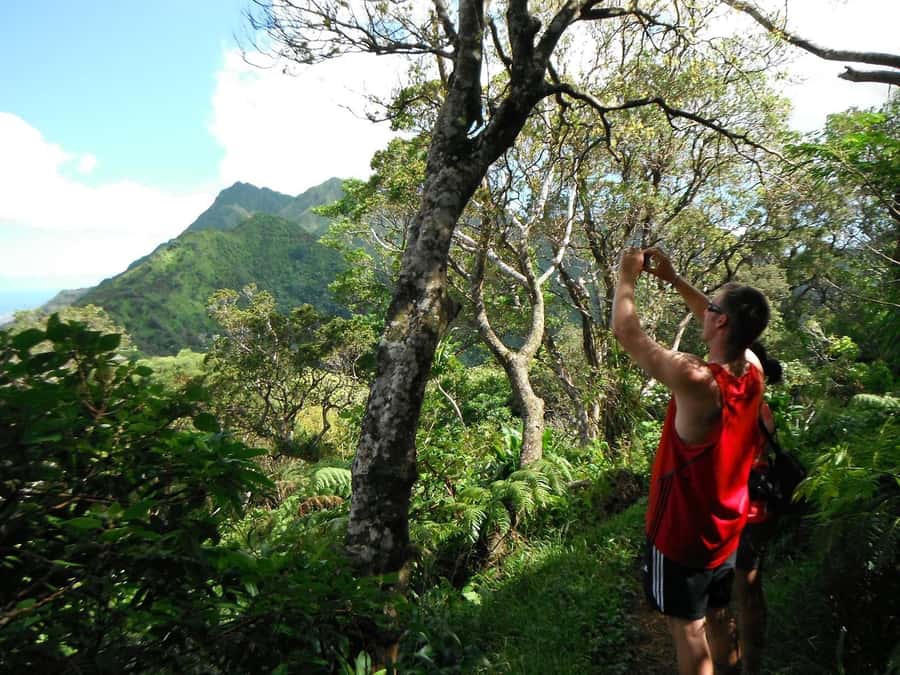
The rainforest part of this hike isn’t only background decoration. You’re exploring a native forest and the tour description calls out rare and endemic plant species. That means the guide is likely pointing out details you might miss if you’re just taking photos.
Even if you don’t remember every plant name, you’ll likely notice patterns: how the forest floor looks, how the canopy changes light, and how the trail corridors feel different from the drier sides of the island. That’s the value of guided walking here—you learn what to look for, not just where to walk.
One practical tip: bring your eyes down to trail level as often as you look out toward the horizon. The rainforest can be easy to ignore when the views keep pulling your attention outward, but that plant life is part of the “main course,” not a garnish.





Overlooks tied to O‘ahu’s high points: Konahuanui and Mt. Ka‘ala
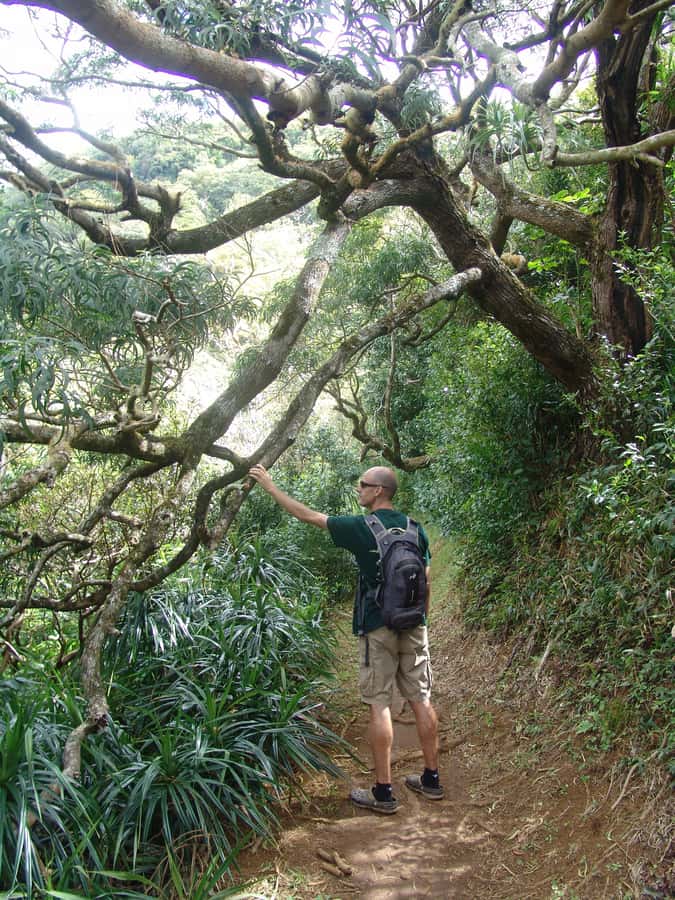
The hike is designed around sweeping perspectives across O‘ahu’s parallel mountain ranges. As you move along the slopes, you’re in range of sightlines tied to two major reference points: Konahuanui (3150 feet) in the Ko‘olau range and Mt. Ka‘ala (4025 feet) as the highest point of O‘ahu.
Why does that matter? Because it turns the views into something you can understand. Instead of seeing random peaks, you’re connecting a horizon line to real geography. With a guide explaining what you’re looking at, the mountain names become waypoints, not trivia.
If you’re the type who likes “big picture” travel, this part is satisfying. You’re not just looking at the island; you’re learning how its elevation structure shapes what you see from above.
Diamond Head and the coast: Honolulu, Waikiki, Pearl Harbor, Kailua
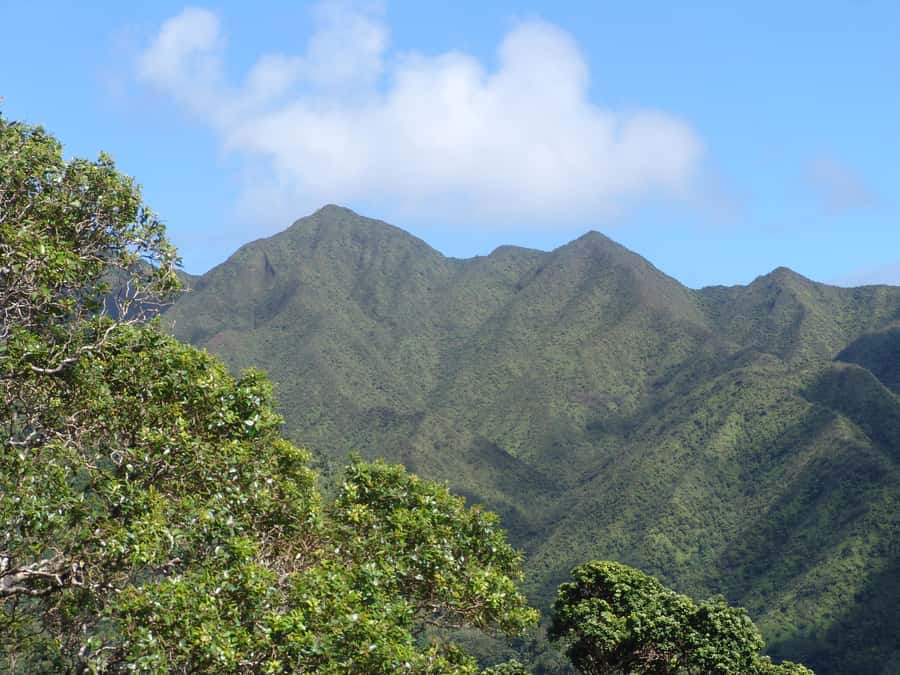
As the hike opens up into distant overlooks, you’ll also be treated to views across the urban and coastal sides of O‘ahu:
- Honolulu
- Waikiki
- Pearl Harbor
- Kailua
- the shimmering Pacific Ocean
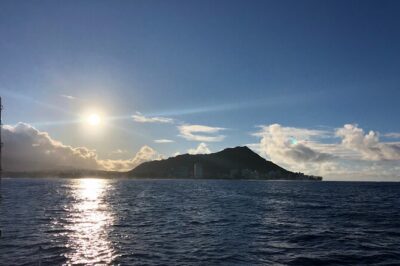
- and Le’ahi (Diamond Head) volcano
This is a rare combo: rainforest + crater + city waterfront in the same experience. It’s also the kind of view set that’s hard to recreate with only driving. From the trail, the city looks like it’s floating in a bowl of ocean and mountain layers.
A drawback to be aware of: visibility depends on weather and time. If clouds move in or the air is hazy, you might lose some of the “crisp” edges of distant landmarks. The good news is the hike’s rainforest quality remains a win even when the view is softer.
Your guide makes the difference: Terry and Malki’s on-the-ground explanations
The strongest praise in the guide feedback is consistent: people appreciated how clearly the guide explained the area. Names like Terry and Malki show up with standout notes about being well prepared and strong on local knowledge.
That matters because this kind of hike is not just a physical route. The experience becomes much more meaningful when the guide helps you interpret what you’re seeing—why the forest looks like this, what the mountains are doing in the distance, and how the island’s volcanic shape shows up in the panoramas.
If you care about learning while you walk, this tour has that built in. You’re not stuck figuring it out alone, which is a big deal when you’re dealing with multiple viewpoints and distant geography.
Who should book this hike (and who should skip it)
This activity is described as family-friendly, with kids welcome—but it’s also not suitable for children under 8. So it can work for families who have hiking kids, not just anyone hoping for an easy outing.
It also isn’t listed as suitable for:
- People with mobility impairments
- People with low level of fitness
That’s important. Even with rain gear and a guided group, the hike’s elevation gain means you should plan for a steady climb on uneven trail. If you’re recovering from an injury or you know you struggle with hills, look for a gentler option.
Best fit: couples, friends, and hikers who want something more “local” than a beach-and-bus day, and who are comfortable with about 3 hours of walking in warm, damp conditions.
Price and value: is $90 worth it?
At $90 per person, the price isn’t a bargain-basement stroll. But for O‘ahu, it starts to make sense when you break down what you’re getting.
You’re paying for:
- a guided rainforest hike with a focused viewpoint route
- gear support like rain gear, hip pack, and mosquito repellant
- round-trip transportation from Kahala, Waikiki, and Aloha Tower
- a total time block (210 minutes) that’s long enough to deliver both rainforest walking and multiple major scenic sightlines
If you were to recreate this on your own, you’d still need transportation planning, basic rain and bug readiness, and the “where to look” help that makes distant geography feel understandable. In that sense, the cost buys time, convenience, and interpretation.
So I’d call it fair value if you want a guided experience and you’re actually going to use the service. If you’re the type who prefers to roam independently, the value drops.
Should you book this Honolulu Hawaiian volcanic rainforest hike?
I’d book it if you want a day that mixes rainforest with skyline-level views, and you’re comfortable with a moderate climb that’s still strenuous enough to count as real exercise. The sightline set is a big reason—Diamond Head, Honolulu, Waikiki, Pearl Harbor, Kailua, and the Pacific from a volcanic rainforest trail is not a common combination.
I would skip it if you have low fitness, need a mobility-friendly route, or you’re traveling with kids who aren’t ready for a 600-foot elevation effort. Also consider your weather tolerance: if you get grumpy in wet conditions, bring your mindset for humid, rainy mountain walking even with included rain gear.
One last practical check: wear the shoes. Closed-toe with good traction isn’t a suggestion here—it’s what lets you enjoy the hike instead of worrying about your footing.
FAQ
How long is the Honolulu Hawaiian Volcanic Rainforest Hike?
The tour runs for about 210 minutes, roughly 3 hours.
What does the tour cost?
It costs $90 per person.
Is transportation included?
Yes. Complimentary round-trip transportation is included from Kahala, Waikiki, and Aloha Tower.
What’s included with the hike?
You get professional nature guides, rain gear, a hip pack, and mosquito repellant.
What fitness level do I need?
The tour requires an above average fitness level. Sturdy shoes with good traction are recommended.
Are kids allowed?
Kids are welcome, but it’s not suitable for children under 8.
What should I bring?
Bring a hat, sunscreen, comfortable clothes, and closed-toe shoes with good traction.