REVIEW · EVENING EXPERIENCES
Honolulu Sunset & Light Painting Experience
Book on Viator →Operated by Oahu Photo Tours · Bookable on Viator
Night photos in Honolulu can feel magical. This tour is built around three standout spots for sunset-to-starlight images, with real instruction on long exposures and creative light effects. You’ll use a tripod and light-painting tool, and you’ll learn how to work the camera (and especially an iPhone) as the light drops.
What I love most is how hands-on it is. Guides like Mac and Andrew (and others such as Malcolm, Mica, and Curt) go step-by-step, keep things fun, and help you turn your camera phone into a night-photo machine. The other big win for me is the small group size, capped at seven people, so you’re not lost in a crowd.
One thing to consider: it depends heavily on weather and timing. If conditions are rough, you may not get every planned shot, and the tour does not include bottled water or food, so you’ll want to plan ahead.
In This Review
- Key Things to Know Before You Go
- The Real Appeal: Sunset, Stars, and Creative Night Photos in One Loop
- Getting There: Pickup in Waikiki and What That Means for Your Night Schedule
- Stop 1: China Walls for Sunset Photos That Set Up the Night
- Stop 2: Makapu‘U Point for Gear Familiarity and Night-Sky Setup
- Stop 3: Makapu‘u Beach for Stars, Lighthouse Views, Light Painting, and Steel Wool
- The Guides Make the Difference: Humor, Patience, and Real Photo Coaching
- Tripods and Light Tools: Why Included Gear Changes the Whole Experience
- Photo Techniques You’ll Actually Use Back in Your Own Travel Days
- How Much Time You Really Need (And Why Four Hours Works)
- Value Check: Guided Access Plus Gear Plus Instruction
- Who This Tour Suits Best (And Who Might Want to Rethink)
- Should You Book Honolulu Sunset & Light Painting?
- FAQ
- How long is the Honolulu Sunset & Light Painting experience?
- Where does the tour start, and is pickup offered?
- What’s included in the tour?
- What stops will we visit?
- Are bottled water or snacks provided?
- What if the weather is bad?
Key Things to Know Before You Go
- Max 7 people means you get more attention while you set up and shoot.
- China Walls sunset plus Makapu‘u lighthouse views gives you two different kinds of night imagery.
- Tripods + light-painting tools are included, so you’re not guessing with gear.
- You’ll practice night-sky capture at Makapu‘u Point before you start doing creative techniques.
- Steel wool photos add a dramatic, hands-on moment if you’re comfortable with the challenge.
- The guides share iPhone-friendly settings and tips for better exposure in the dark.
The Real Appeal: Sunset, Stars, and Creative Night Photos in One Loop
If you’ve only done daytime sightseeing in Honolulu, this tour changes the whole vibe. Instead of rushing between views, you work the same places through the full light shift: golden sunset, then true night skies, then glow-and-trail photography.
The best part is that this is not just a drive-and-stop “look at that” outing. It’s a teaching-focused experience. You learn how to set up, how to steady your shots, and how to create light patterns on purpose using the tools and tripod you’re given. That’s why people leave saying they learned how to take better night photos themselves, not just how to witness a pretty sky.
And because the group stays small, you can ask questions without feeling like you’re slowing everyone down. That matters a lot when you’re trying long exposures and dialing in settings on the fly.
You can also read our reviews of more evening experiences in Oahu

Getting There: Pickup in Waikiki and What That Means for Your Night Schedule
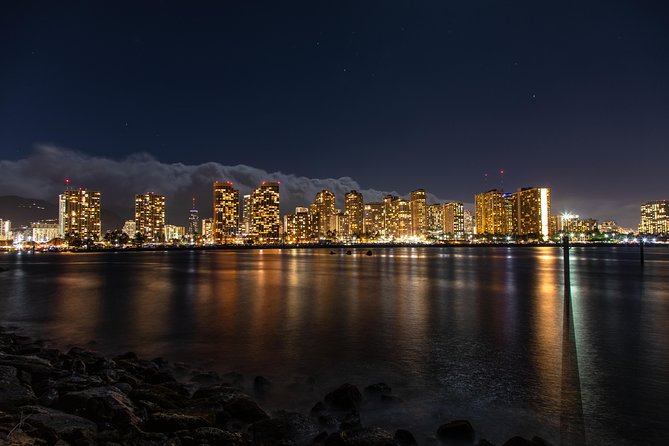
The start point is at the Honolulu Zoo area (151 Kapahulu Ave), and the tour includes pickup only from selected hotels in Waikiki. They ask you to call to confirm your exact pickup location, so do that early if you want a smooth start.
This matters because you’re doing a night photography route. Even a small delay can mean you miss the best part of the sunset-to-dark transition at each stop. If you’re staying outside Waikiki, you’ll likely navigate to the start yourself, so build in time.
Also note the basics: the tour runs about 4 hours, it’s offered in English, and you’ll get a mobile ticket. You’re near public transportation, which helps if you prefer to plan your own timing.
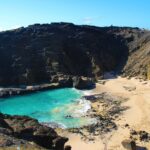
Stop 1: China Walls for Sunset Photos That Set Up the Night
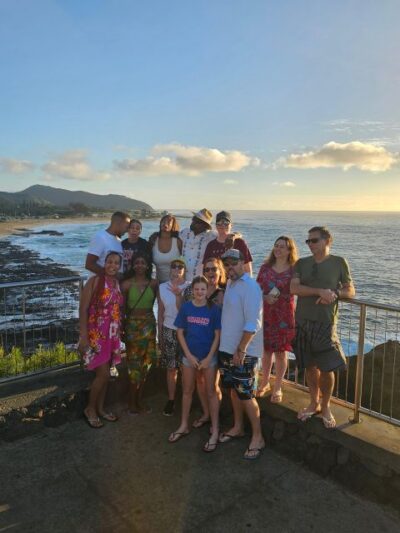
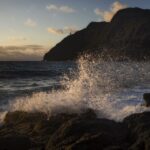
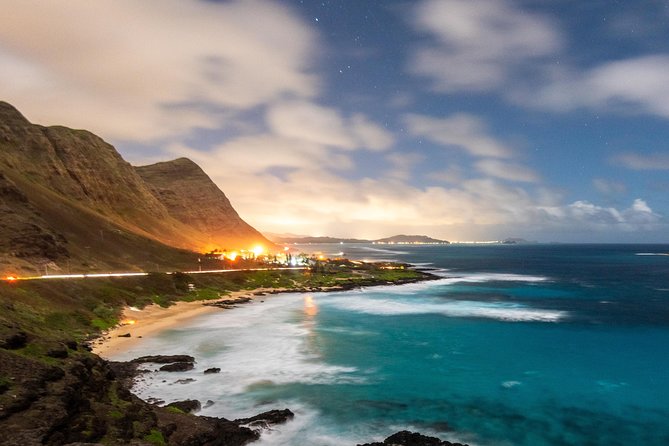
Your first real wow moment is China Walls. You’ll spend about 1 hour here, and the goal is simple: capture sunset while you’re still in that sweet zone where colors are strong and the sky is dramatic.
China Walls is special for night photography because it gives you a good horizon view and a natural staging point. During sunset, you can set your baseline: composition, camera angle, and how you like to frame the scene. Then when it gets darker, you’re already positioned and thinking like a photographer instead of a tourist.
What to watch for: this is a time you’ll want to move from “I’m taking pictures” to “I’m choosing settings.” If the guide demonstrates how to handle exposure as the light changes, pay attention and copy it. Small adjustments can make a huge difference on the first night shoot of your tour.
Stop 2: Makapu‘U Point for Gear Familiarity and Night-Sky Setup
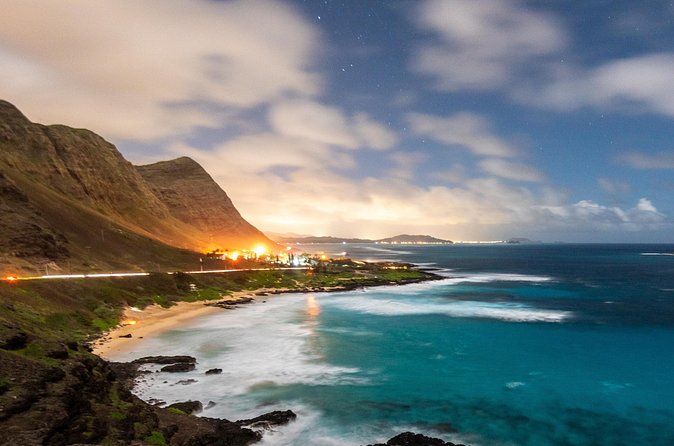
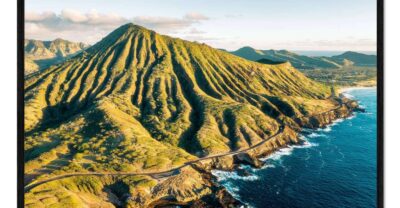
Next you head to Makapu‘U Point, where you’ll get about 30 minutes to settle in for night-sky capture. This is the stop for orientation and technical practice. You’re not yet doing the big creative effects; you’re getting ready to shoot the sky with confidence.
This kind of “warm-up” is smart. Night photography is unforgiving if you wait until it’s pitch dark to figure out your tripod setup. At Makapu‘U Point, you get the chance to test your stance, stabilize your camera/phone, and learn what the guide wants you to do before you start light painting and special techniques.
If you’re using an iPhone, this is the moment where the guide’s phone-friendly tips can help the most. In past tours, guides like Mac have spent extra time showing iPhone night tricks such as exposure handling and other practical adjustments for longer shots. That kind of coaching turns a scary-looking camera app into something usable.
Stop 3: Makapu‘u Beach for Stars, Lighthouse Views, Light Painting, and Steel Wool
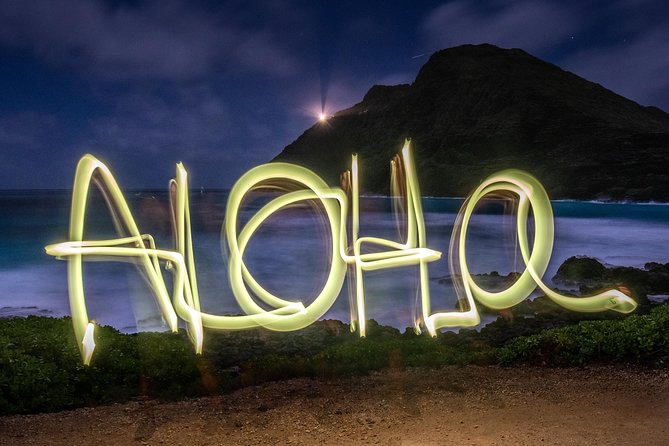
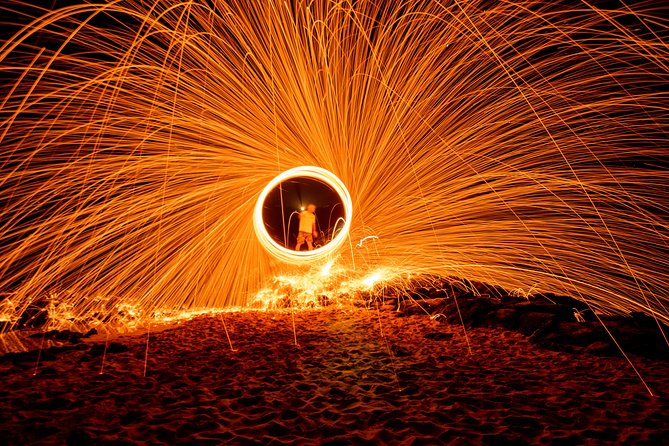
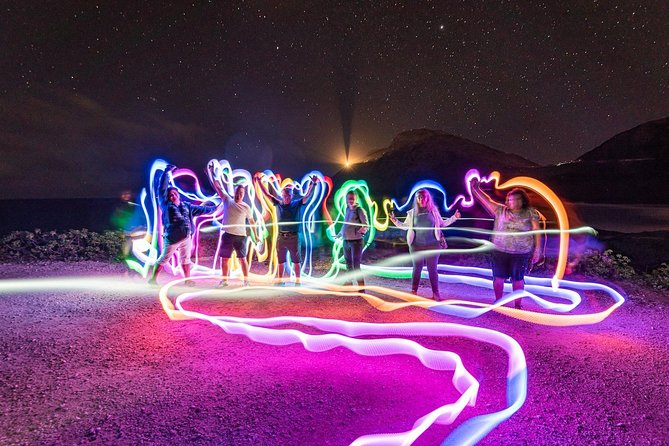
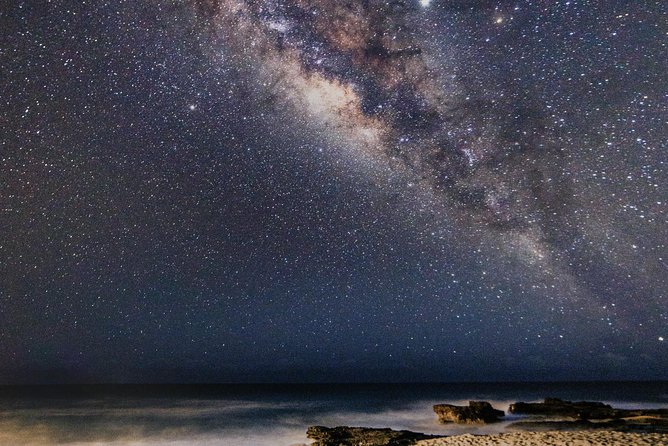
The main creative finale happens at Makapu‘u Beach. You’ll have about 1 hour here, and the focus shifts to capturing the stars and the lighthouse, plus doing both light painting and steel wool photos.
This stop is where the tour becomes more than instruction. It becomes playful. Light painting lets you draw with light in the dark, which can look magical once you understand timing and movement. Steel wool photos are more adventurous: you’re creating a glowing trail effect, and you learn how to do it in a way that’s visually striking on camera.
A few practical notes from the spirit of the experience:
- You’ll likely be using a tripod and long-exposure settings.
- The guide will help you understand how movement and timing translate into the final image.
- If you’re nervous, start by watching the guide’s demo first. Then try your version right away while the group is still rolling.
You should also go in expecting that star visibility can vary from night to night. One solo guest specifically mentioned shooting during a new moon for tons of stars, and that makes sense: darker skies usually help your stars show up better.


The Guides Make the Difference: Humor, Patience, and Real Photo Coaching
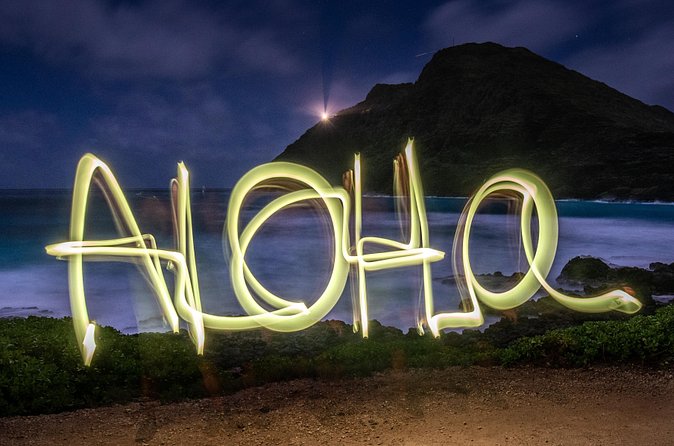
The guides are a big reason this tour earns such high marks. Names that show up include Mac, Andrew, Malcolm, Mica, and Curt. People mention the guides being engaging and helpful, and several accounts call out humor that keeps the energy up during the longer dark-photo stretch.
What I’d tell you to look for in any photography guide is this: patience. Night photography is not easy, especially if you’re using an iPhone or if it’s your first time with a tripod at night. In the better guides’ style, they slow down just enough to make you successful, then speed up so you still get time to create.
You’ll often get instruction on two fronts:
1) How to capture (tripod steadiness, exposure basics, and what to aim for).
2) How to make it your own (where to place yourself, how to frame the sky and shoreline, and how to experiment with light effects).
A standout detail from the tour vibe: one guest described a guide staying extra time to show how to take better iPhone night photos, including exposure-related tricks. That’s exactly what you want when you’re paying for a learning experience, not just a scenic walk.
Tripods and Light Tools: Why Included Gear Changes the Whole Experience
This tour includes tripods and light-painting tools, which is a bigger deal than it sounds. When you have proper support for long exposure, you stop fighting blur and start focusing on composition and creative choices.
Even if you already own camera gear, using the included tripod and tool system helps you match what your guide expects. You’re shooting with the same setup the guide demonstrates, which reduces guesswork. That makes it easier to get results during the limited time at each stop.
Light painting tools also mean you’re not trying to improvise in the dark with whatever you brought from home. The guide can show you how to use the tool to create specific patterns and trails, and you can immediately experiment with your own movement and timing.
Photo Techniques You’ll Actually Use Back in Your Own Travel Days
The instruction here isn’t just for this tour. The skills you pick up can help you photograph other night scenes in Honolulu and beyond.
Here’s what you’ll be practicing in a practical way:
- Long exposures for stars and night glow.
- Stabilization with a tripod so your night frames don’t smear.
- Exposure control ideas you can apply on your phone, since multiple accounts mention iPhone-specific tips.
- Creative light effects like light painting and steel wool trails.
If you walk away able to adjust exposure and keep your camera steady, you’ll see better results on your own later. And if you’re traveling with family or friends, this is also one of the more “teachable” tours. You can compare photos and help each other refine settings while it’s still fresh.
How Much Time You Really Need (And Why Four Hours Works)
At about 4 hours, this tour is long enough for a full sunset-to-night progression, but not so long that you’re cooked by the time you finish. The structure matters:
- Sunset and setup at China Walls
- Short orientation and night-sky practice at Makapu‘U Point
- Creative finale and hands-on techniques at Makapu‘u Beach
So you’re not stuck doing one type of shooting the whole time. You’re shifting from natural color sunset work to technical night-sky shooting, then to playful light effects. If you’re the type of traveler who likes variety, this pacing fits.
Value Check: Guided Access Plus Gear Plus Instruction
Even without prices listed here, the value logic is clear. You’re getting three things that are hard to DIY in a short time:
1) Guided location pacing across multiple meaningful spots.
2) Included gear (tripods and light tools), which removes a lot of friction.
3) Hands-on instruction, including help with iPhone night photos.
That combination is what turns it from “cool pictures I didn’t think I could take” into “I can actually repeat this on my next night out.”
If you’re the sort of traveler who hates reading manuals and still wants results, this tour is likely a good match. If you prefer total freedom and don’t want guidance, you might find it less satisfying.
Who This Tour Suits Best (And Who Might Want to Rethink)
This seems like a solid choice for many travelers because most people can participate, and it works well with families. Multiple accounts mention bringing kids around age 10 to teens, and describe the guides as attentive and patient.
Still, there’s one caution worth taking seriously. One account complained about the guide’s tone and included comments about feeling unsafe due to driving. I can’t verify details beyond that report, but it does highlight a real point: if you’re traveling with younger kids or you’re sensitive to adult humor, you should ask the operator about guide style and overall group dynamics ahead of time.
In practical terms, I’d recommend this tour if you:
- Want to learn night photography basics with real coaching
- Enjoy hands-on creative challenges like light painting
- Appreciate a small group setting where questions are welcome
I’d think twice if you:
- Get motion-sick or dislike late-night roadside driving
- Want a quiet, strictly family-only atmosphere without any adult jokes
Should You Book Honolulu Sunset & Light Painting?
I think you should book if you want more than a pretty view. This is a night-photo experience designed to teach you how to shoot stars and long exposures, then let you get creative with light painting and steel wool trails. The small-group setup and tripods make it easier to succeed quickly, especially if you’re using an iPhone.
If weather is a big unknown for you, understand that the tour requires good conditions and may shift or cancel if nature doesn’t cooperate. And if you’re the type who forgets water, plan ahead since food and bottled drinks are not provided.
If your goal is to leave Honolulu with usable night photos and skills you can reuse later, this is a very strong match.
FAQ
How long is the Honolulu Sunset & Light Painting experience?
It runs about 4 hours.
Where does the tour start, and is pickup offered?
The start point is at Honolulu Zoo, 151 Kapahulu Ave, Honolulu. Pickup is offered only at selected Waikiki hotels, and you need to call to confirm your pickup location.
What’s included in the tour?
You get tripods and light-painting tools.
What stops will we visit?
You’ll visit China Walls, Makapu‘U Point, and Makapu‘U Beach.
Are bottled water or snacks provided?
No. The tour does not provide bottled water and does not include food or drinks.
What if the weather is bad?
The experience requires good weather. If it’s canceled due to poor weather, you’ll be offered a different date or a full refund.