REVIEW · NORTH SHORE TOURS
Surf Lessons on the North Shore Great for Families and all Ages
Book on Viator →Operated by Sea and Board Sports Hawaii · Bookable on Viator
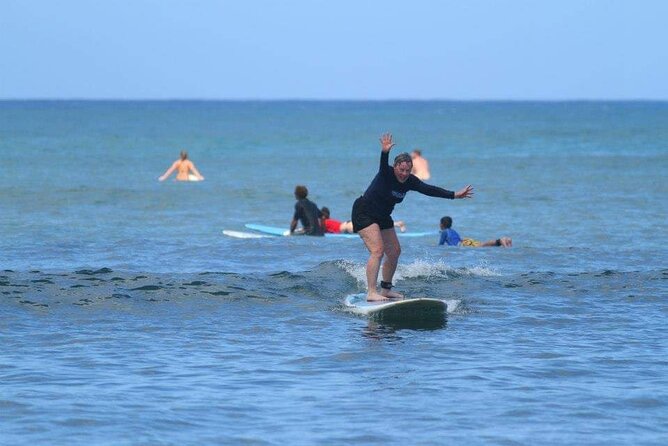
Your first wave starts with a simple plan. The North Shore is a great place to learn, and this Haleiwa surf lesson is built for first-timers and families.
I like that you get a top-quality longboard plus a rashguard, so you’re not hunting for gear before you even hit the water. I also like the small-group setup (max 12), which usually means more time with your instructor when you’re figuring out basics like timing and where to stand.
One thing to plan around: this experience needs good weather. If conditions aren’t right, you’ll be offered another date or a full refund, but that does mean flexibility helps.
In This Review
- Key things I’d put on your radar
- Why the North Shore and Haleiwa make sense for first-timers
- What’s included: longboard, rashguard, and a beginner-friendly lesson structure
- Small-group coaching that keeps your attention on surfing
- Your lesson flow in Haleiwa: etiquette, timing, and standing up
- Morning or afternoon: how to choose the right time in your trip
- The $165 price: what you’re really paying for
- Who should book this surf lesson (and who should call first)
- Practical tips to make your first surf lesson smoother
- Should you book this Haleiwa North Shore surf lesson?
- FAQ
- FAQ
- Where is the surf lesson meeting point?
- How long is the lesson?
- Is this lesson good for beginners?
- What surfboards and clothing are provided?
- Do you get instruction before going into the water?
- Do instructors help you catch waves?
- Are there options besides small-group lessons?
- How big is the group?
- Can I choose a morning or afternoon lesson?
- What happens if the weather is poor?
- Is there a place for kids?
Key things I’d put on your radar
- Haleiwa North Shore lessons focused on catching your first wave
- Longboard + rashguard provided, with other board types available on request
- Small group (max 12) for steadier coaching and fewer wait times
- Beach instruction first, then in-water guidance and hands-on help
- Instructor support to help you transition from paddling to standing
Why the North Shore and Haleiwa make sense for first-timers
If you’re new to surfing, the best lesson isn’t the one that talks the longest. It’s the one that helps you read the water fast, avoid common mistakes, and get your body into the right rhythm. This surf lesson takes place on Oahu’s world-famous North Shore in Haleiwa, which is a smart match for learning how to catch a first wave.
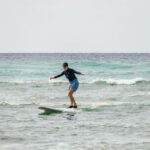
Here’s the key value: you’re not just shown how to paddle. Your instructor also teaches you how to understand the surf zone and when to make your move. That matters because surfing is a timing sport. A tiny delay can turn a great moment into a wipeout, so learning timing early saves you a lot of frustration.
The lesson also covers surfing etiquette, which I love because it helps you relax in the water. When you know what others are doing and what you should do, you’ll spend less time guessing and more time actually surfing.
You can also read our reviews of more tours and experiences in Oahu
What’s included: longboard, rashguard, and a beginner-friendly lesson structure
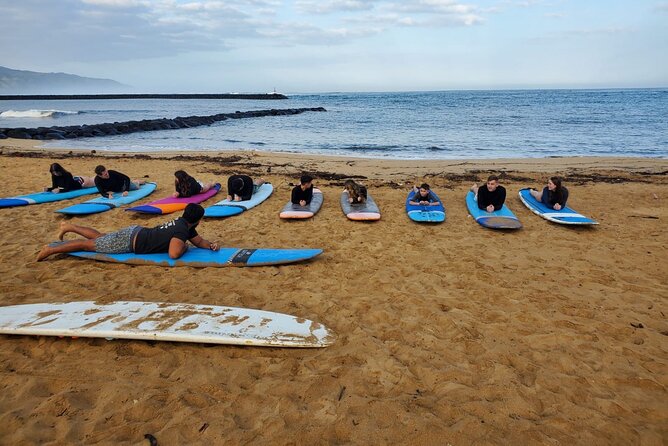
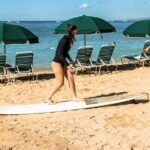
You can budget more confidently with this one because the basics are included. You’ll get a top-quality ST longboard (and a rashguard), plus pre-surf instruction on the beach before you go into the water.
That beach-to-water flow is practical. Beginners often struggle because they learn one thing, then immediately forget it once they’re in motion and water-cold. Starting on shore lets your instructor set expectations for what you’ll do next. Then, when you step in, you’re following a plan instead of hoping it works out.
A few other included elements are worth calling out:
- Guidance and assistance in the water, not just a quick demo.
- A focus on the transition from paddling to standing, which is the heart of making the first clean ride.
Also, they offer private, semi-private, and small group lessons up to 2 hours. If you want more time with the instructor, or you’re traveling as a family and need a pace that works for everyone, it’s good to know this isn’t only one fixed format.
Small-group coaching that keeps your attention on surfing
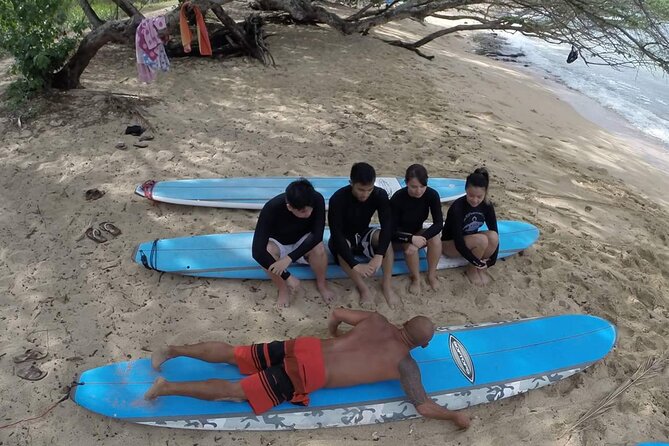
Surf lessons can go two ways: you either get steady coaching, or you become a bystander watching someone else learn. The best part of this experience is the maximum of 12 travelers, which helps keep things from feeling chaotic.
In a small group, your instructor can correct issues earlier. That’s huge for beginners, because the same mistake repeats fast if nobody catches it. For example, if you’re paddling but not lining up your board, you can waste a lot of waves before you realize what to fix. Small-group coaching gives you more chances to get feedback while you’re still in the learning zone.
The reviews also highlight instructor patience and kindness, including names like James, Evan, and Kane. I take that as a strong sign the coaching style is family-friendly and calm, which you’ll appreciate if you’re bringing kids, grandparents, or anyone who gets nervous on a moving board.
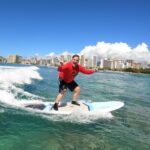
One more detail that helps: this is built to keep you catching waves. The lesson includes a push from the instructor to help you get your first Hawaiian wave. That kind of physical support can reduce that first-wave fear fast, especially when your legs are still learning what “standing” should feel like.
Your lesson flow in Haleiwa: etiquette, timing, and standing up
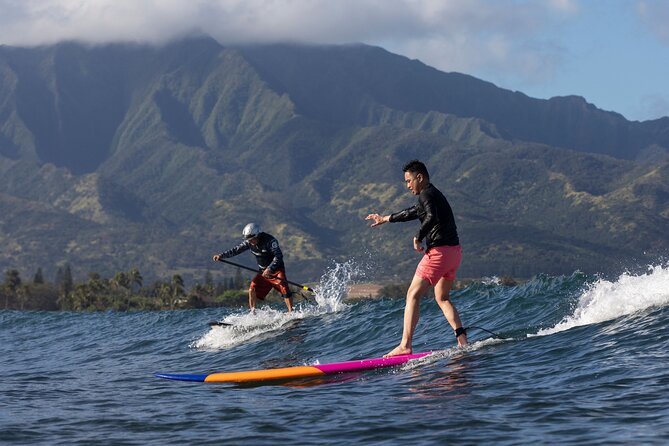
The experience starts at Sea & Board Sports Hawaii in Haleiwa, and the whole thing runs about 1 hour 30 minutes (approx.), ending back at the meeting point.
Even though the itinerary is short on paper, the coaching covers a lot of fundamentals in a logical order. Here’s what that typically means for your experience in the water:
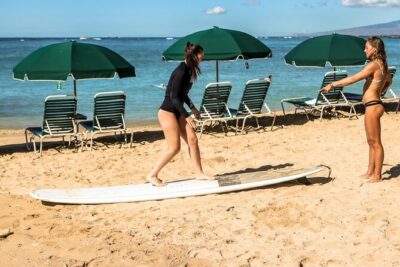
1) Pre-surf instruction on the beach
You’ll get the basics first: how to handle the board, what to watch for, and how to think about the surf zone. This is where you learn the rules of the water and the common safety points.
2) Surf fundamentals and etiquette
Your instructor explains surfing etiquette, which is more important than it sounds. In shared lineups, simple rules help prevent collisions and frustration. It also helps you move with confidence instead of awkwardly waiting for permission.
3) Timing and catching a wave
You’ll learn how to time your attempt based on what’s happening around you. This is where many first-timers feel the difference between theory and reality. The lesson aims to turn that into action: when to paddle, when to pop up, and how to set up your stance before the wave pulls you forward.
4) Transition: paddling to standing
This is the make-or-break step. Your instructor focuses on the transition from paddling to standing, which is why the board and rashguard matter too. With the right setup and support, you’re more likely to get that first clean ride instead of staying stuck in the “almost” stage.
5) Instructor assistance in the water
You should expect hands-on guidance. The program explicitly includes help to catch waves, including an instructor push to help you get your first ride.
Drawback to keep in mind: since it’s a lesson, you’re not choosing your own itinerary once you start. If you want a free-surf session where you mostly experiment on your own, this format is coaching-first. That’s not bad; it’s just the trade-off for beginner success.
Morning or afternoon: how to choose the right time in your trip
You can pick either a morning or afternoon lesson, which is a practical perk if you’re juggling other North Shore plans. Haleiwa is a popular area, so flexible timing makes it easier to fit surfing into your day.
In real life, your choice mostly comes down to what fits your energy level and schedule:
- If mornings are your best “do something active early” time, go then.
- If you want a later start after breakfast, choose the afternoon option.
Because the experience requires good weather, it’s also smart to choose the time that gives you the best backup options in your overall itinerary. If your first pick gets delayed or canceled due to conditions, having room to shift helps you keep your trip moving.



The $165 price: what you’re really paying for
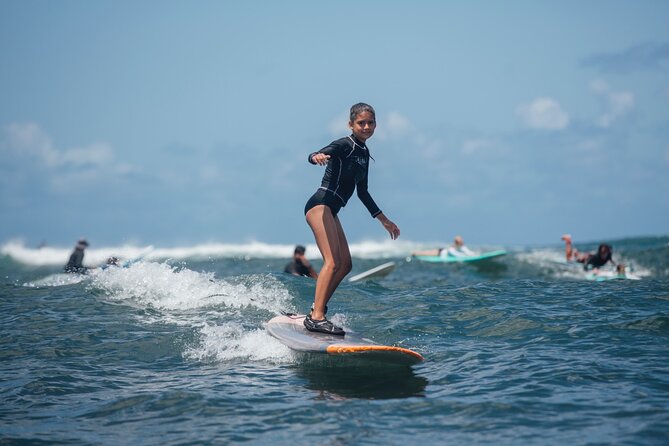
At $165 per person for about 1.5 hours, this isn’t a bargain you should ignore, but it also isn’t priced like a luxury private surf guide. What justifies the cost here is what’s bundled into the lesson.
You’re not paying extra for the essentials:
- ST longboard provided
- Rashguard provided
- Pre-surf instruction on the beach
- Guidance and assistance in the water
You’re also paying for coaching that reduces learning friction. Surfing teaches you fast, but only if someone helps you shortcut the biggest errors. The small-group limit and instructor support (including helping you catch your first wave) are the parts you’d miss if you tried to learn on your own.
There are also group discounts, which can help if you’re traveling with family or friends. If you’re splitting the experience across multiple people, ask about the best fit for your group size when you book.
One more note on value: the lesson is offered in a few formats—private, semi-private, and small group, with private and semi-private potentially running up to 2 hours. If your family has multiple experience levels, a longer or more tailored session could be worth it. The key is to match the coaching time to your group’s needs.
Who should book this surf lesson (and who should call first)
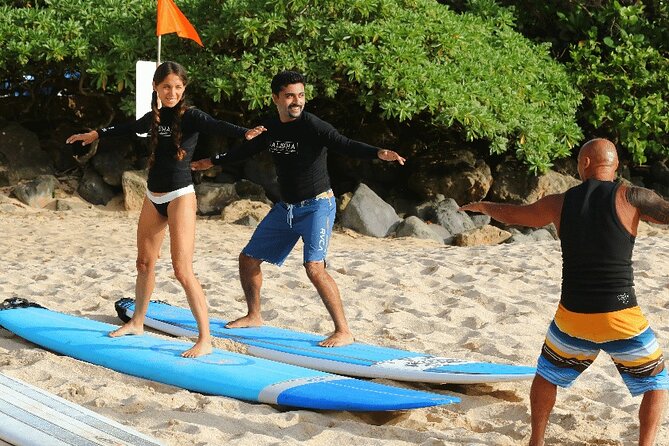
This experience is marketed as great for families and all ages, and it’s designed for beginners and recent newcomers. Most travelers can participate, which is reassuring if you’re worried about “Can we do this?”
A couple details help you judge fit:
- Children ages 4–12 require a call. That means they likely want to confirm the right lesson type and safety setup for younger surfers.
- Service animals are allowed.
- It’s near public transportation, which can make logistics easier if you don’t want to stress about parking or last-minute rides.
Because the coaching includes etiquette and safety basics along with hands-on help in the water, this is a strong choice for families who want an activity with real instruction instead of a vague “go try it” vibe.
If your group includes someone who gets nervous in the ocean, the small-group attention and calm instructor approach (highlighted in the reviews with instructors like James, Evan, and Kane) is exactly what you want.
Practical tips to make your first surf lesson smoother
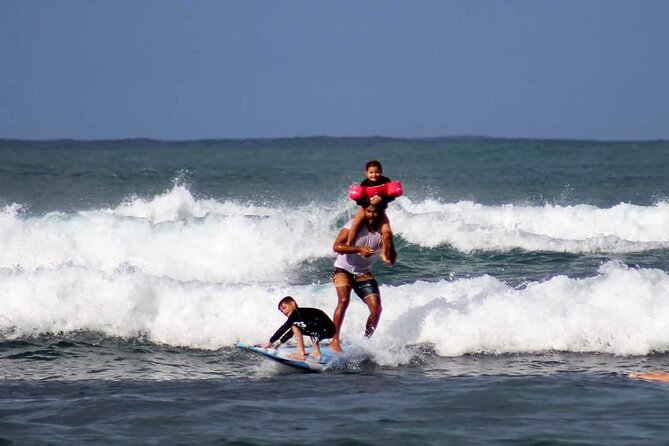
You’ll learn a lot in 1.5 hours, so anything you can do to reduce friction helps. Here are practical tips that fit the structure of this kind of beginner lesson:
- Arrive early enough to soak in the beach instruction without rushing. The beach part is where you get the mental map.
- Wear the rashguard they provide and follow the instructor’s gear guidance. This part is handled, so don’t overthink it.
- Listen closely when you’re taught surf etiquette. It makes the water feel calmer fast.
- If you’re new, focus on one cue at a time. A lot of beginners try to fix everything at once and get stuck.
- Mentally prep for the paddling-to-standing transition. That’s the moment you’ll work on most, and your instructor will help you through it.
If you’re bringing kids or older relatives, keep expectations simple: your goal is not to become a pro in one lesson. Your goal is to feel safe, understand timing, and get at least a few successful wave attempts.
Should you book this Haleiwa North Shore surf lesson?
I think this is worth booking if you meet any of these criteria:
- You’re a beginner or returning surfer who wants structured coaching.
- You want gear included, especially a quality longboard and rashguard.
- You care about safety, etiquette, and getting real help in the water.
- You’re traveling with family and want small-group attention (max 12).
I’d think twice if your schedule is so tight that a weather-dependent reschedule would be a major problem. Since it needs good weather, plan with a bit of slack.
If you want the simplest path to a good first surf experience on Oahu, booking this North Shore (Haleiwa) lesson is a solid move. You’ll leave with skills you can use again, plus the confidence that someone is coaching you the whole time, from the beach briefing to catching your first wave.
FAQ
FAQ
Where is the surf lesson meeting point?
It starts at Sea & Board Sports Hawaii, 62-540 Kamehameha Hwy, Haleiwa, HI 96712, USA, and ends back at the meeting point.
How long is the lesson?
The duration is about 1 hour 30 minutes.
Is this lesson good for beginners?
Yes. It’s designed for first-time surfers and recent beginners, with instruction and guidance throughout.
What surfboards and clothing are provided?
You’ll receive a top-quality ST longboard (other board types are available on request) and a rashguard.
Do you get instruction before going into the water?
Yes. There is pre-surf instruction on the beach before you head into the water.
Do instructors help you catch waves?
Yes. You’ll get guidance and assistance in the water, including a push from your instructor to help you catch your first Hawaiian wave.
Are there options besides small-group lessons?
Yes. The provider offers private, semi-private, and small group lessons. Some options can run up to 2 hours long.
How big is the group?
The experience has a maximum of 12 travelers.
Can I choose a morning or afternoon lesson?
Yes. You can choose either a morning or afternoon lesson.
What happens if the weather is poor?
The experience requires good weather. If it’s canceled due to poor weather, you’ll be offered a different date or a full refund.
Is there a place for kids?
Children ages 4–12 can participate, but you’re instructed to call for that age group.