REVIEW · DOLE PLANTATION & POLYNESIAN CULTURAL CENTER TOURS
Oahu: Valley of Waimea Falls Swim & Hike with Lunch & Dole
Book on GetYourGuide →Operated by And You Creations · Bookable on GetYourGuide
Swim in Waimea Falls without the stress. This 8-hour Oahu outing pairs a gentle walk through Waimea Valley with a guided waterfall swim, then finishes with lunch and a quick stop at Dole Plantation. It’s the kind of day that feels active, but not exhausting.
I love that you start with a real morning break at Greenworld Coffee Farm (pastry and coffee) and then get a structured, guided experience once you’re in Waimea Valley. One thing to plan around: waterfall swimming depends on daily conditions, so you might not be able to swim every day.
In This Review
- Key Highlights You Should Care About
- Greenworld Coffee Farm: The Best Kind of Warm-Up
- Getting to Waimea Valley: Why the Timing Feels Smart
- Waimea Valley Hike: Short Distance, Real Variety
- Waimea Falls Swim: Safety, Conditions, and Footwear Reality
- Lunch at Waimea Valley: Simple Picnic, Good Choices
- Botanical Gardens and Hawaiian Culture: How the Day Stays Meaningful
- Dole Plantation Stop: Tourist-Heavy, But Useful
- Price and Value: What $134 Actually Buys You
- Who This Tour Fits Best (And Who Should Skip It)
- A Few Real-World Tips That Make the Day Easier
- Should You Book This Waimea Falls Swim & Hike With Lunch and Dole?
- FAQ
- How long is the Waimea Falls swim and hike tour?
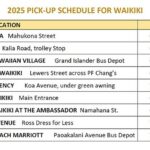
- Do you get pickup and drop-off in Waikiki?
- What’s included for breakfast and lunch?
- Is waterfall swimming guaranteed?
- What should I bring?
- Is the tour suitable for kids or people with mobility limits?
- What languages are the guides, and is cancellation possible?
Key Highlights You Should Care About
- Greenworld Coffee Farm breakfast to fuel a hike that starts early enough to avoid peak crowds
- Easy 1.5-mile hike through gardens, streams, and traditional Hawaiian Hale areas
- Waimea Falls swim with support including life jackets and a nearby changing station
- Waimea Valley botanical education across themed gardens with rare and endangered Hawaiian plants
- Hawaiian culture activities using traditional game sites along the way
- A Dole Plantation add-on for pineapple snacks and souvenirs on the way back
Greenworld Coffee Farm: The Best Kind of Warm-Up
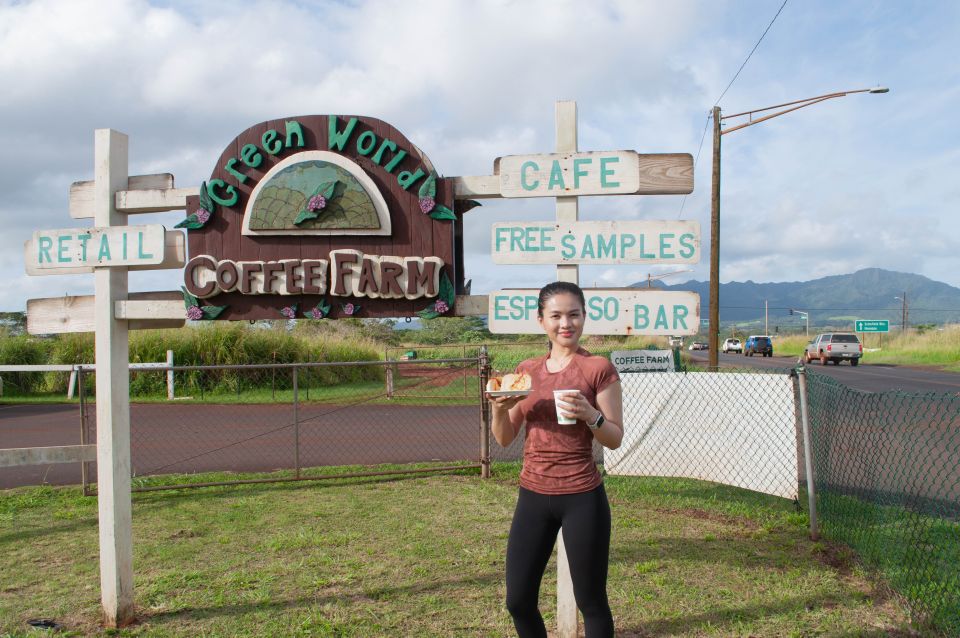
Most Oahu tours race straight to the action. This one actually earns the morning. You begin with a light breakfast and coffee at Greenworld Coffee Farm—think a pastry plus a drink to get your energy up before you’re climbing down toward the waterfall.
What I like about this start is simple: you’re not hunting for food after pickup, and you’re not rushed. The pastry options can vary based on availability, but the intent is consistent—keep it light, keep it quick, and set you up for a hike that’s easy on paper (1.5 miles) but still outdoors and sometimes slippery.
Greenworld also gives the day a local feel. A coffee stop on Oahu shouldn’t be a souvenir pit stop, and in this case it functions like the pre-game before the hike.
You can also read our reviews of more tours and experiences in Honolulu


Getting to Waimea Valley: Why the Timing Feels Smart
After pickup from Waikiki (complimentary, at designated locations), you drive toward the North Shore. The route is part of the experience in a good way, with your crew pointing out things along the way.
One practical tip: the road to the waterfall area is paved and generally easy to reach, so you’re not dealing with intense rugged access right off the bat. That matters because it helps you conserve energy for the swim portion and the time spent exploring the valley trails and gardens.
Schedule changes can happen for weather, traffic, or holidays, and the day still runs in mild conditions. The good news is that you’re not going into this expecting nonstop chaos—your crew plans the day to keep the flow working.
Waimea Valley Hike: Short Distance, Real Variety
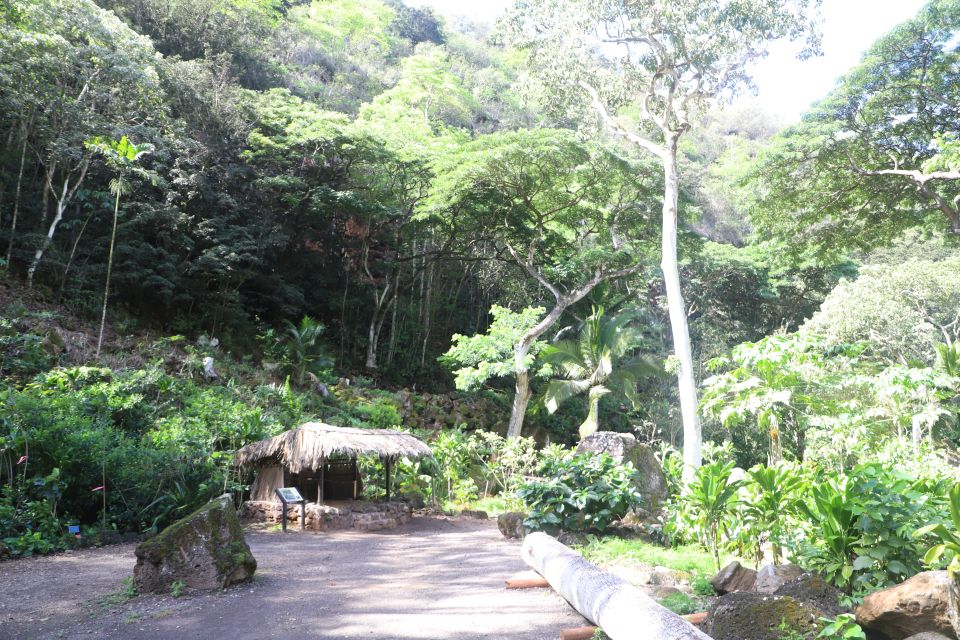
The hiking portion is listed as an easy 1.5-mile trail, and that’s accurate in the sense that you’re not doing a steep climb for hours. But don’t treat it like a casual stroll only—Waimea Valley brings variety quickly.
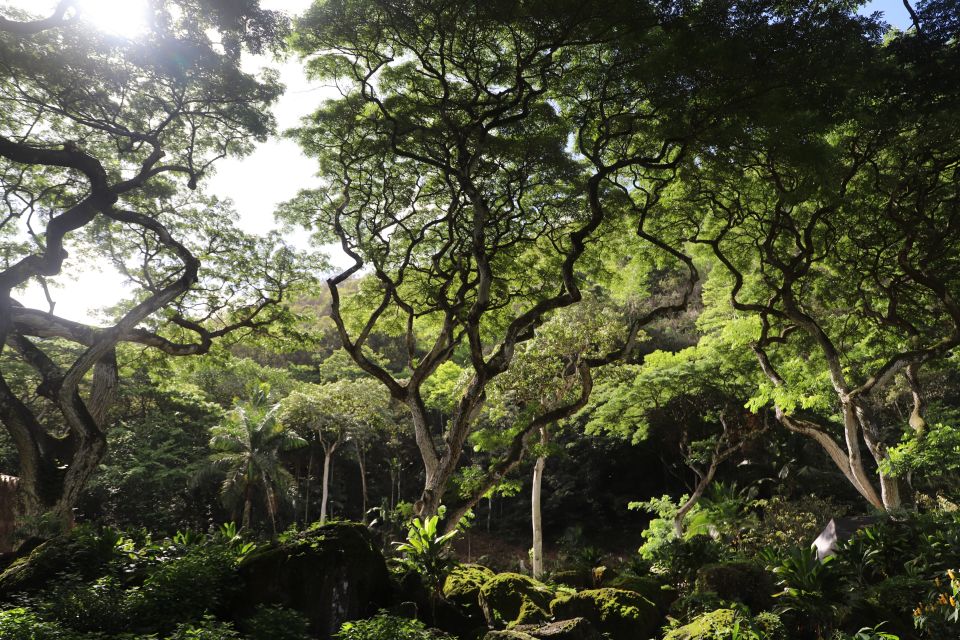
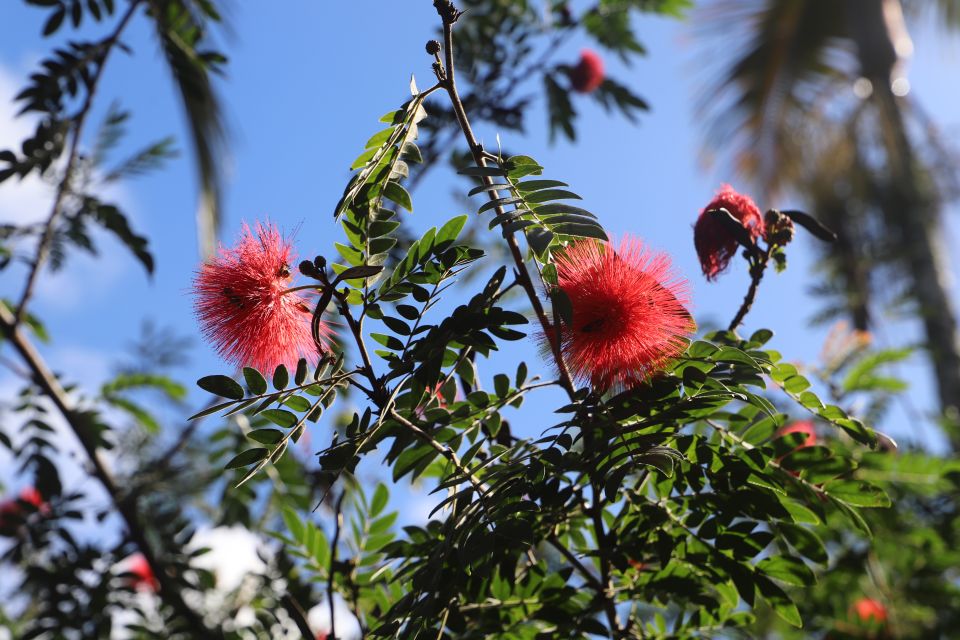
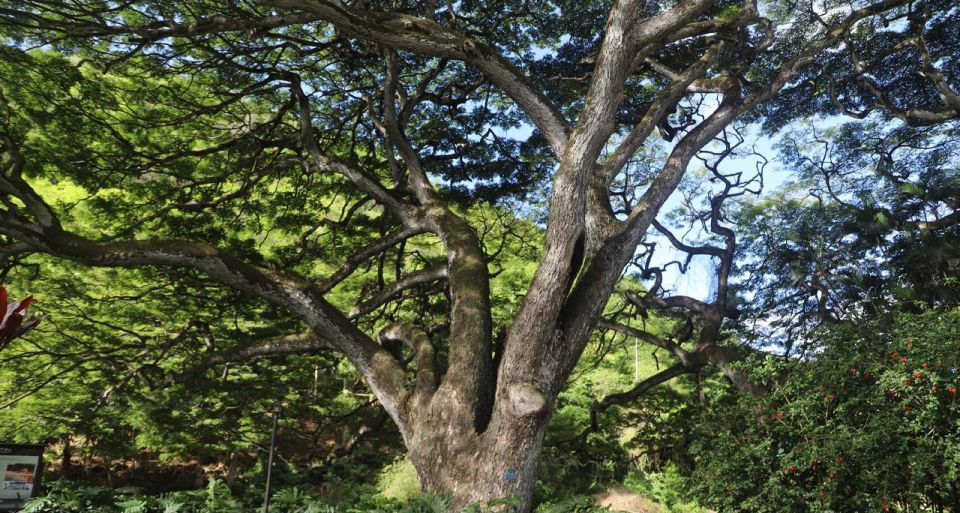
You’ll move through forests, gardens, and streams, and the botanical garden area stands out because it’s not just pretty planting. The valley includes 52 themed gardens with 5,000+ documented species of tropical and subtropical plants, and it’s home to one of the largest collections of endangered Hawaiian plants. Translation: this isn’t only sightseeing. It’s structured nature education where you can connect what you see to what’s at stake.
Along the way, you also encounter traditional Hawaiian Hale (houses) built using natural materials like wood, grass, and coconut-fiber cordage. These aren’t presented like museum objects. You’ll get context for what they represent and why they belong in this landscape.
And there’s a culture layer too. At Hawaiian Game sites, you can participate in traditional games and activities. That’s a big difference-maker compared to tours that just narrate history from a bus seat. Here, your body is moving through the same spaces that shaped daily life for generations.
Waimea Falls Swim: Safety, Conditions, and Footwear Reality
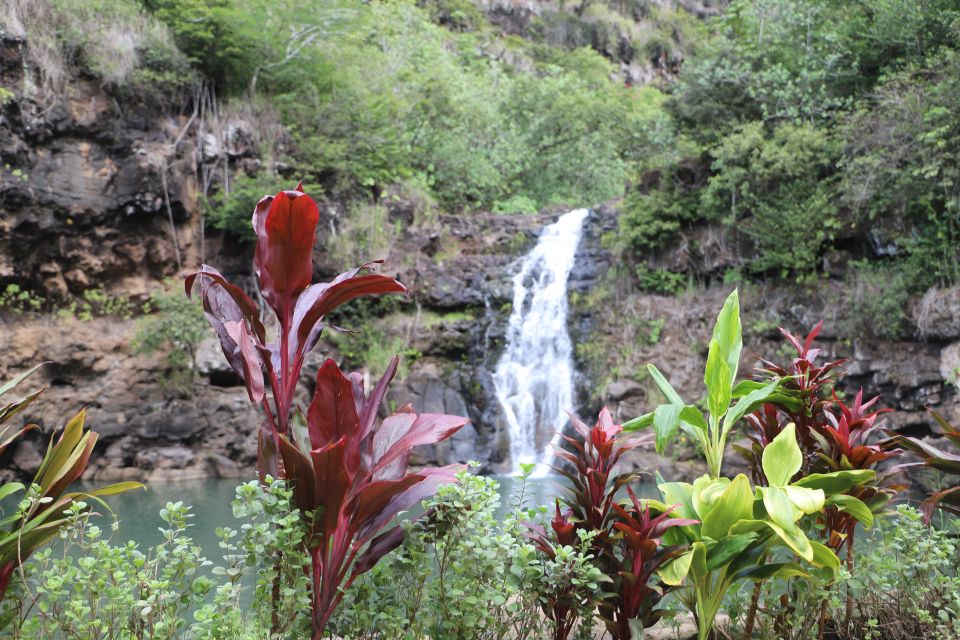
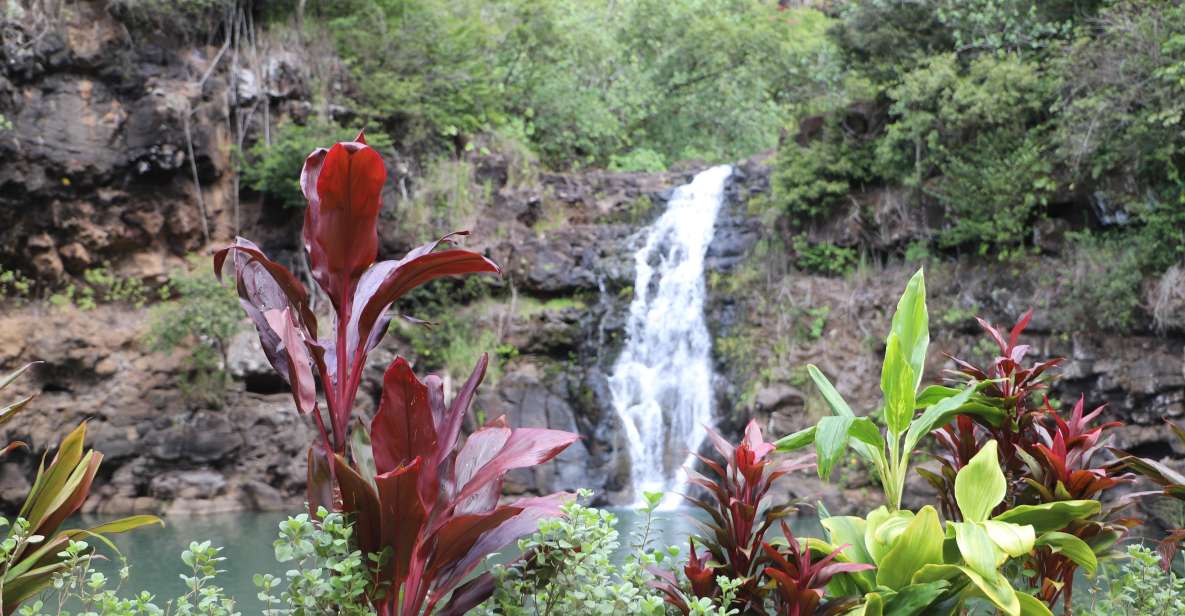
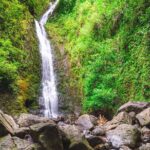
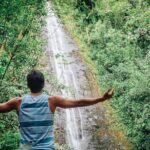
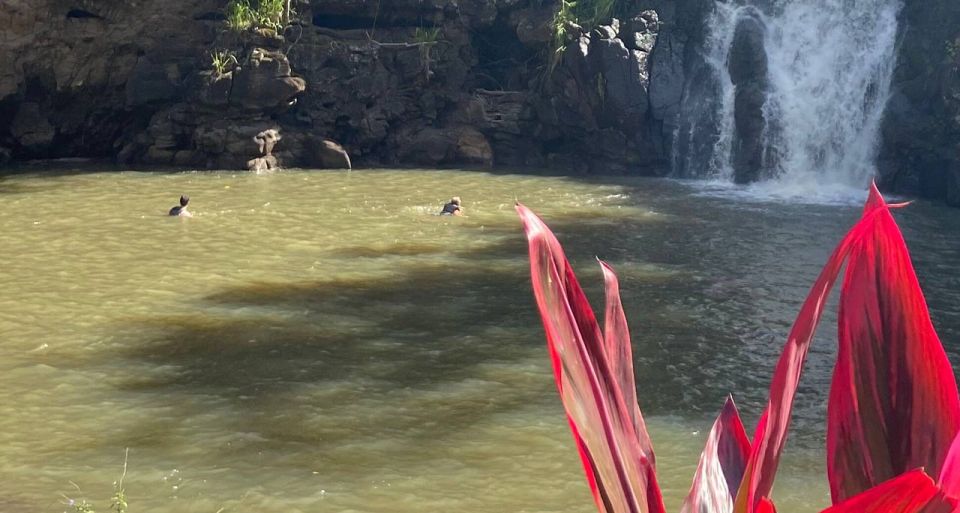
The headline is the waterfall. At the end of the trail, you reach Waimea Falls, which forms a natural pool surrounded by green forest. It’s meant for swimming and it feels refreshing in a way that dry land can’t replicate.
Here’s the part you should take seriously: waterfall swimming depends on daily waterfall conditions. Some days are swim-friendly; some days aren’t. Your crew will follow what the conditions allow, which is exactly what you want for safety.
Safety support is included. You’ll get a life jacket, and there’s a changing station near the waterfall. Also plan to bring a towel—it’s mentioned as something you should have. Reviews also point out that lockers are available but cost extra, so if you don’t want to pay, keep valuables minimal and bring what you can carry.
Footwear matters a lot. The trail itself is described as paved and easy to reach, but the steps and entry area around the pool can be uneven, with loose and algae-covered rocks and no handrails. I’d treat this like water shoes day. Reviews mention people being glad they wore tevas/water shoes because the rocks can be slippery. If you’re even slightly unsure of your footing, wear footwear designed for wet surfaces.
What you’ll likely notice once you’re in: the water feels “earned.” You’ve walked to it, learned a bit while you’re walking, and then you cool off without the chaos of trying to manage your own timing.
Lunch at Waimea Valley: Simple Picnic, Good Choices
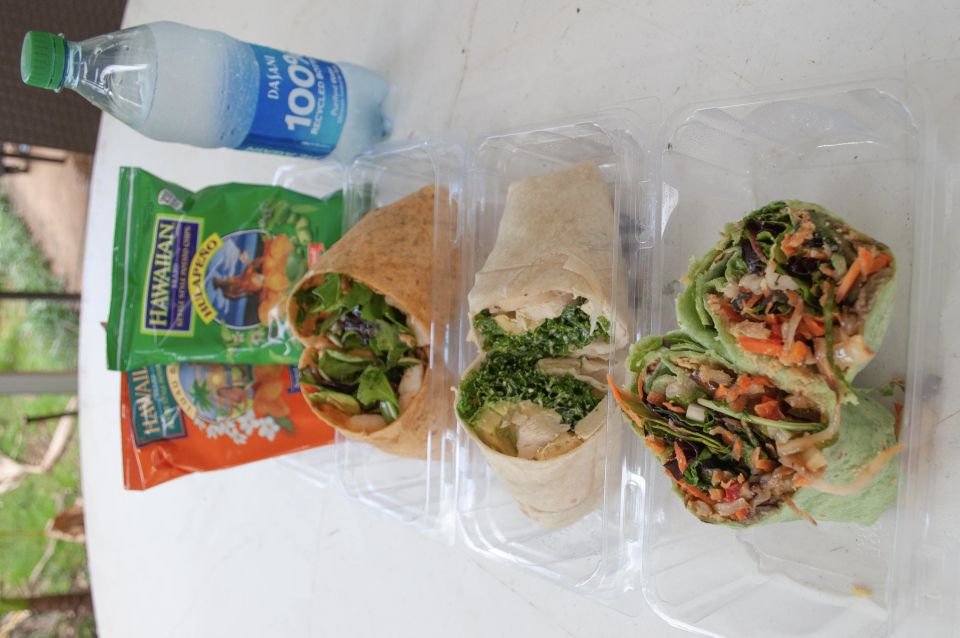
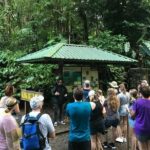
After hiking and swimming, it’s time for lunch—picnic-style inside Waimea Valley. This is where the tour’s value shows, because you’re not standing in line somewhere while everyone else orders off a menu. You’re given your food and you get to relax in the valley.
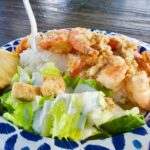
Lunch includes a choice of wraps:
- Chicken Caesar
- Veggie
- Grilled Shrimp
You’ll also get chips and a refreshing drink. It’s not a fancy tasting menu, but it is a solid, low-decision meal after an active morning. The “pitfall” to watch for is dietary needs. One review notes there were no gluten-free options offered, so if you eat gluten-free, bring your own option or plan to eat around the included meal as needed.
Also note that lunch is picnic-style, meaning you’ll want to decide quickly where you’ll sit and how you’ll store items while you eat and regroup.
You can also read our reviews of more hiking tours in Honolulu
Botanical Gardens and Hawaiian Culture: How the Day Stays Meaningful
A lot of tours do nature stops and culture stops as separate boxes: photos here, facts there. This one connects the dots while you’re walking.
In Waimea Valley, you get botanical context because the setting is already built for it: the themed gardens and plant collections let your guide explain what you’re seeing. That’s useful even if you’re not a plant person. You start noticing details—the kind of plant, why it’s endangered, why the collection matters.
Then you layer that with culture. Traditional Hale structures and Hawaiian game activities aren’t just decorative. They show how daily life interacted with materials and space. You’re not only learning facts; you’re moving through a place where those ideas have physical anchors.
Your crew may also educate you about whales. This comes through in the tour highlights, and it’s the kind of added local wildlife education that makes the day feel more like a living island than a photo backdrop.
If you want a day that mixes movement, learning, and a genuine swim moment, this is built for that.
Dole Plantation Stop: Tourist-Heavy, But Useful
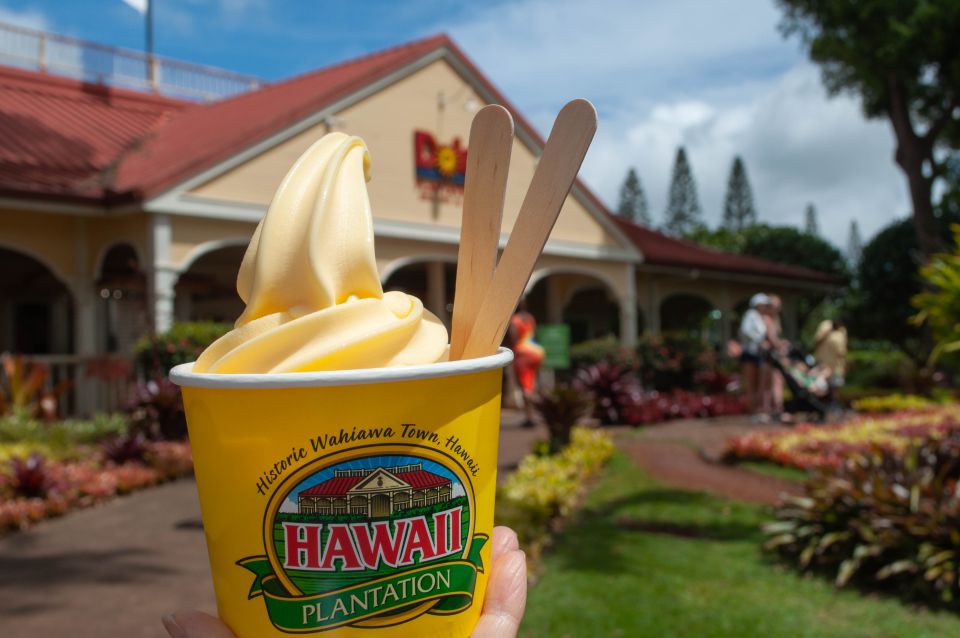
On the return trip, you’ll stop at Dole Plantation. It’s popular and it shows—crowded is the safe expectation. Still, reviews suggest it’s a fun ending if you treat it like a rest stop with pineapple rewards, not as the main event.
You can pick up pineapple-themed souvenirs and treats. Dole Whip is often the easy win here, and one review mentioned enjoying it while sitting outside and talking with other people waiting in line.
My practical take: use this stop to reset. Grab something sweet, buy a small souvenir if you want, and don’t let it slow down the momentum of the day. Since the tour is already planned for 8 hours, you’ll be glad you’re not overcommitting elsewhere after a waterfall morning.
Price and Value: What $134 Actually Buys You
At $134 per person for 8 hours, you’re paying for more than a bus ride. This price covers:
- round-trip pickup and drop-off from Waikiki
- an educated guide with on-the-ground commentary
- light breakfast and coffee at Greenworld Coffee Farm
- guided hike and waterfall swim
- life jackets for swimming
- picnic lunch in Waimea Valley
- light refreshments
If you tried to assemble this yourself, the costly part is often coordination: getting to Waimea Valley on the North Shore, timing your swim conditions, figuring out food, and having someone explain what you’re seeing. Here, you get the whole structure laid out.
Is it a “cheap” day? No. But it’s not overpriced if you value a guided experience that includes meals and transportation. The value becomes even clearer if you’re staying in Waikiki and you don’t want to spend your morning driving and guessing.
One more check: alcohol isn’t included. If you want drinks, you’ll need to plan on your own.
Who This Tour Fits Best (And Who Should Skip It)
This tour is a great fit if you want:
- a day that combines a short hike + a real swim
- guided cultural and nature learning (Hale sites, game activities, and garden history)
- food handled for you: breakfast and a picnic lunch
- a low-stress structure from Waikiki pickup to return
It’s not suitable for:
- children under 3 years old
- pregnant women
- wheelchair users
The swim portion and uneven pool access explain part of that, but even beyond physical factors, the day is designed for active walking and changing quickly to get in and out of the water.
If you’re prone to slipping on wet rocks or hate water activities, you could still enjoy the gardens and hike, but the real payoff is the waterfall swim. Make sure you’re comfortable with that reality.
A Few Real-World Tips That Make the Day Easier
These are small, but they matter in Hawaii rain-and-rock situations:
- Bring insect repellent. Outdoor trails do their thing.
- Wear comfortable shoes with grip. Water shoes are a strong idea for the swim area.
- Bring a towel. Changing stations exist, but you’ll still need your own.
- Plan your clothing so you can swim easily. The tour recommends wearing your swimsuit underneath your clothes.
- Pack sunscreen, sunglasses, a hat, and a water bottle.
- If you care about storage, know that lockers may cost extra at the falls.
Also, keep an eye on the schedule day-of. Weather and traffic can shift timing, and swimming depends on the waterfall conditions.
Should You Book This Waimea Falls Swim & Hike With Lunch and Dole?
If you want one of the better “worth-it” days on Oahu’s North Shore, I’d book it. The mix is strong: breakfast at Greenworld, an easy hike through Waimea Valley’s gardens, a supported Waimea Falls swim, then a practical lunch and a fun Dole Plantation add-on.
Skip it if your top priority is comfort without any wet, rocky footing risk, or if swimming conditions might be a dealbreaker for you. And if gluten-free or another special diet is essential, you’ll want to plan ahead since gluten-free options aren’t indicated in the included meal choices.
One last thought: this tour is at its best when you treat it like a whole day—walk, learn, cool off, eat, and end on pineapple mode.
FAQ
How long is the Waimea Falls swim and hike tour?
It’s 8 hours long.
Do you get pickup and drop-off in Waikiki?
Yes. The tour includes complimentary pickup and drop-off at designated locations in Waikiki.
What’s included for breakfast and lunch?
Breakfast and coffee are included from Greenworld Coffee Farm. Lunch is a picnic-style meal at Waimea Valley with wrap choices (Chicken Caesar, Veggie, or Grilled Shrimp), plus chips and a drink.
Is waterfall swimming guaranteed?
No. Swimming at Waimea Falls is dependent on daily waterfall conditions. You do receive a life jacket, and a changing station is available.
What should I bring?
Bring comfortable shoes, swimwear, a towel, insect repellent, and also plan for a hat, sunglasses, sunscreen, and a water bottle. It’s recommended to wear your swimsuit underneath your clothes.
Is the tour suitable for kids or people with mobility limits?
Children under 3 years old can’t be accommodated. The tour is also not suitable for pregnant women and wheelchair users.
What languages are the guides, and is cancellation possible?
The live guide speaks English and Japanese. You can cancel up to 2 days in advance for a full refund.
![Diamond Head Hike [Starts at 7:00 a.m.] - Ticket office chaos, solved: advance tickets and a faster start](https://6.honoluluguides.com/wp-content/uploads/diamond-head-hike-starts-at-700-a-m-400x267.jpg)