REVIEW · CIRCLE ISLAND TOURS
All Inclusive Ultimate Circle Island Tour, Waimea Falls & Lunch
Book on Viator →Operated by Oahu Nature Tours · Bookable on Viator
Oahu goes by fast when you drive it yourself. This all-inclusive Circle Island day turns Waikiki pickup into a one-day hit list, with live guide commentary and lunch already handled. I especially like how the route mixes big-name stops with quieter spiritual and nature breaks, and I also like that you get entry fees included so your day runs on schedule.
The trade-off is time. It’s about 10 hours, and most stops are short—so you’ll be sightseeing more than lingering, and a couple of places have strict safety rules (including no swimming).
In This Review
- Key things to know before you go
- Price and value: paying for less hassle
- Waikiki pickup and the quick Honolulu warm-up
- Diamond Head drive-by: you get the icon, not the climb
- Ka’iwi coastline for whales and the Halona Blowhole moment
- Makapu’u area coastal views and the Nuuanu Pali payoff
- Byodo-in Temple: where the day turns calm
- Mokoli’i Island (Chinaman’s Hat) and the Kahana Bay coast
- Tanaka Kahuku Shrimp lunch: straightforward, tasty, and timed right
- North Shore big-wave country: seeing the surfing legends from shore
- Waimea Valley and the waterfall: the day’s most walkable stop
- Haleiwa’s one-hour stop: shopping, shave ice, and sea turtle chances
- Dole Plantation: the last stretch, quick and sweet
- Who this Oahu Circle Island tour fits best
- Should you book this All Inclusive Ultimate Circle Island Tour?
- FAQ
- FAQ
- Is lunch included on this tour?
- Does the tour include entry into Diamond Head crater?
- Are admission fees included for the sights?
- Is swimming allowed at Halona Blowhole or Sandy Beach?
- How long is the tour?
- What happens if the tour is canceled due to weather?
Key things to know before you go
- Diamond Head is a drive-by (no crater entry), so bring your feet for the rest of the day
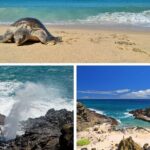
- Whales and turtles are seasonal (humpbacks typically Nov–May at Ka’iwi; turtles often spotted at Halona)
- No swimming at Halona Blowhole or Sandy Beach due to dangerous surf conditions
- Lunch includes a shrimp plate plus a vegetarian option at Tanaka Kahuku Shrimp
- Byodo-in Temple gives you a calmer pause with koi, peacocks, and garden quiet
- Waimea Valley includes an easy path to the waterfall area if you want a straightforward walk
Price and value: paying for less hassle
At $156.02 per person for an all-day Circle Island loop, you’re paying for two main things: transport and planning. The tour includes round-trip transport from Honolulu, lunch, and the entry fees for the stops that charge. You also get a guide doing the interpretation as you go, which is a big deal on Oahu where the roads can steal your attention.
The lunch stop is one of the clearer value points. You get a meal at Tanaka Kahuku Shrimp (with a drink), and the tour notes vegetarian options are available. Even if you’re not a “shrimp person,” that lunch break keeps the day moving without you hunting for something open on the North Shore.
One thing to calibrate: this is not a slow-food, stay-longer style tour. It’s built for seeing the island’s major highlights in one pass, and you’ll feel that when you step off the bus after only a short stretch of time.
You can also read our reviews of more tours and experiences in Honolulu


Waikiki pickup and the quick Honolulu warm-up
You start with a bus ride that’s basically Oahu’s highlight reel before the island roads even begin. The route takes you past Waikiki Beach and stops along the way that help you place what you’re seeing later—Queen’s Beach, Kuhio Beach, Fort DeRussy, Kahanamoku Beach, the Ala Wai Channel, and the Duke Kahanamoku Statue.
Next up is a drive-by through Kapiolani Park, one of Oahu’s older public parks. It’s also the area with the Honolulu Zoo, Aquarium, Natatorium, and even space for sports and jogging. The point here isn’t a long visit—it’s context. You’re learning how Honolulu’s built along the coastline and park system, instead of just jumping straight to the dramatic “away from town” views.
If you’re early or a little jet-lagged, this first phase is kind. It’s long enough to get comfortable on the ride, but it doesn’t rush you into a sprint right away.
Diamond Head drive-by: you get the icon, not the climb
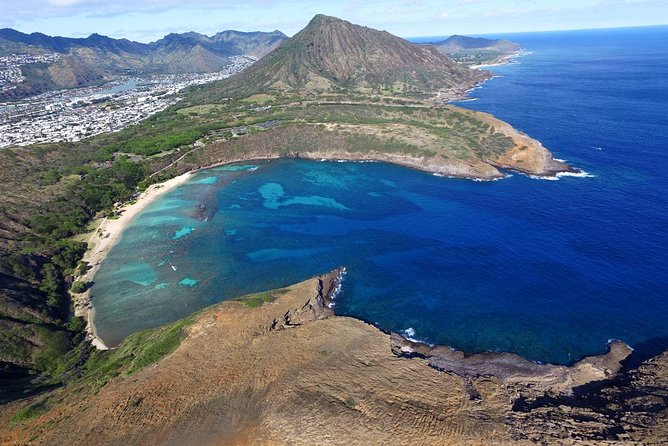
Diamond Head Crater is one of those places you expect to enter. On this tour, you get a drive-by on the ocean-facing outer slopes and the Amelia Earhart monument viewpoint area. The crater hike isn’t part of this package.
That can be a drawback if you were hoping for views from the summit. Still, the trade is that the schedule keeps room for stops that do include walking—like later in the day at Waimea Valley and the gardens/temple areas.
If you’re the type who loves the geology side of Hawaii, you’ll still get plenty of “what you’re looking at” talk. The crater towers over the Pacific and you’re set up for a good photo angle without the commitment of the full climb.
Ka’iwi coastline for whales and the Halona Blowhole moment
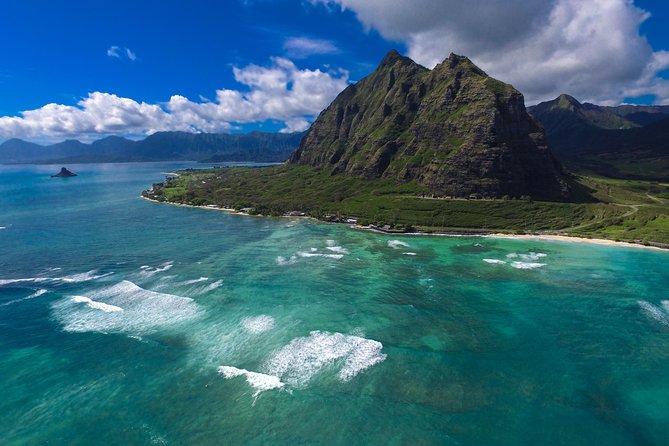
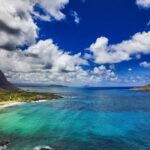
Once you’re out along the Ka’iwi coastline, the tour leans into nature watching. This coast is a well-known gathering place for humpback whales from November through May, so the seasonal timing matters. Even if whales aren’t visible on the day you go, the coastline itself is the real attraction—ocean scale, lava coastline, and that strong sense of open horizon.
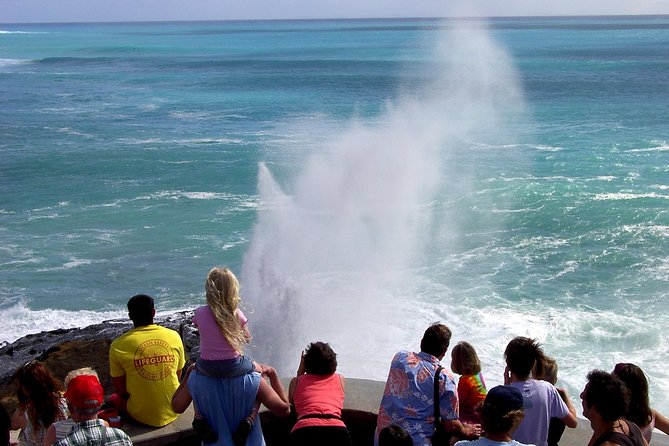
Halona Blowhole is the next big “wow” stop, built around a simple geology story: the ocean has undercut the lava and drilled a hole up to the surface. It’s also one of the stops where the guide encourages you to scan for sea turtles in the emerald waters nearby.
Important safety note: the tour clearly states there’s no swimming at the blowhole. Rip currents and shore breaks can be dangerous, and the operators don’t allow it for your safety. If you’re thinking beach time here, you’ll want to adjust your expectations before you arrive.
The tour then continues with a visit to Sandy Beach Park. This sand looks calm, but it’s known for powerful shore-breaks. Again, swimming isn’t allowed. You’re there for the coastline and the view, not to use it like a beach day.
If you want to maximize your enjoyment, I’d treat these two stops like photography and spotting breaks. Bring sunglasses, keep an eye on the water conditions, and let the guide’s explanation do the heavy lifting.
Makapu’u area coastal views and the Nuuanu Pali payoff
After the blowhole and sandy surf pull-your-eyes moments, the route shifts to more viewpoints and coastal context. You pass by the Makapu’u Lighthouse area, with mention of the point being well known for bodysurfing where conditions permit. You also learn the local mythology naming tied to Makapuu.
Then you head through Waimanalo, an older Hawaiian homelands area you pass where you can see the Koolau mountain rim and the scale of Oahu’s collapsed volcanic history. This is one of those stretch-your-brain stops: it helps you connect what you’re seeing to how the island was formed.
Next is Nu’uanu Pali Lookout, a classic wind-and-view stop with a panoramic look toward Oahu’s windward side. It’s also known for strong tradewinds, so expect a breezy, almost wind-tunnel feeling at the overlook. There’s a strong historical layer here too, including the 1795 Kamehameha The Great battle context tied to the cliff-side tragedy.
You get about 20 minutes here, so it’s not a long museum moment. It’s a “stand, look, breathe, and listen” stop. If you want a great photo, it helps to pick your spot early and then let the guide walk you through what you’re seeing.




Byodo-in Temple: where the day turns calm
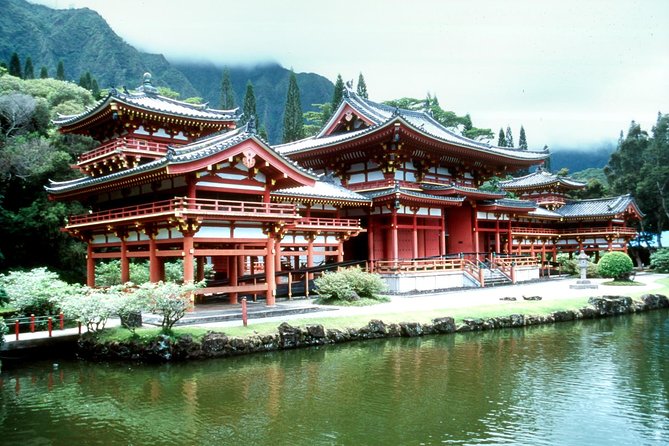
At Byodo-in Temple, the schedule gives you a more restful experience. The grounds are lush and landscaped, set in a cleft area with Japanese koi, meditation niches, and small waterfalls. Wild peacocks live there, and that detail alone makes the stop feel lively even when the vibe is quiet.
This is also one of the better stops for people who like gardens and atmosphere more than constant motion. Even if you’re not a formal temple visitor, this place gives you a pause from bus rides and cliff viewpoints.
You’ll likely recognize the setting from TV and film references mentioned on the tour—episodes of Hawaii Five-O and Magnum, P.I., and a Lost season-one location. Even if you don’t care about the pop-culture tie-ins, the gardens and water features are the main event.
Plan for about 30 minutes. It’s enough time to walk the grounds and take photos, but not enough to slowly meander for hours.
Mokoli’i Island (Chinaman’s Hat) and the Kahana Bay coast
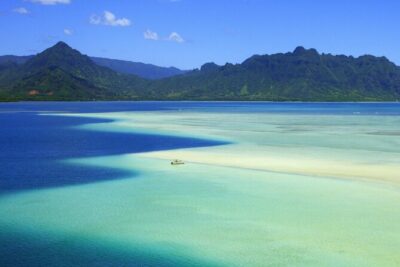
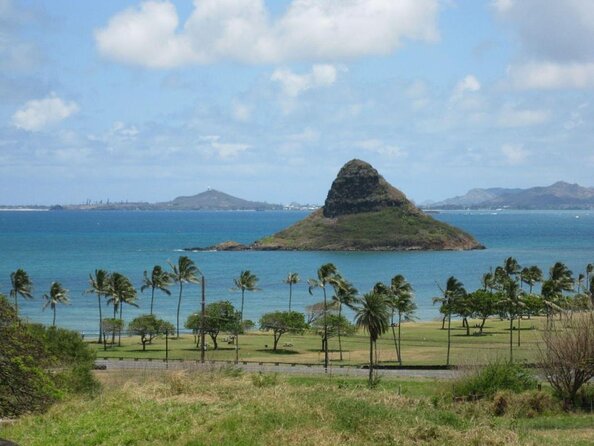
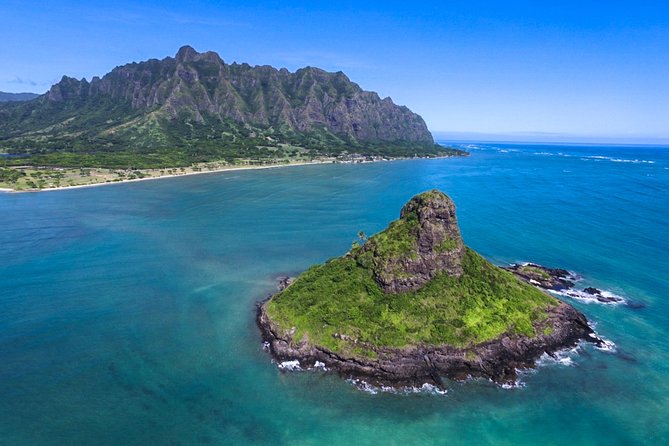
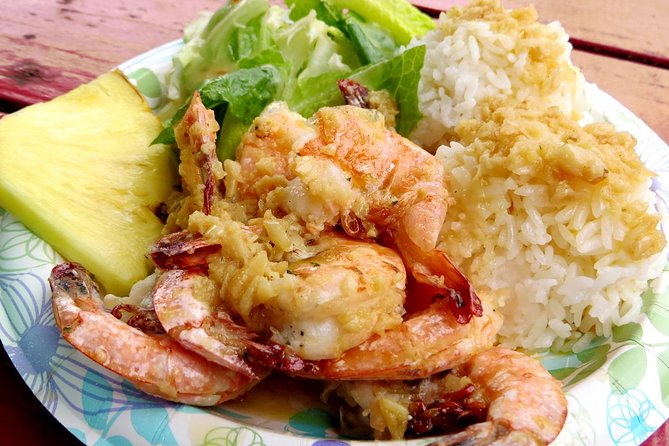
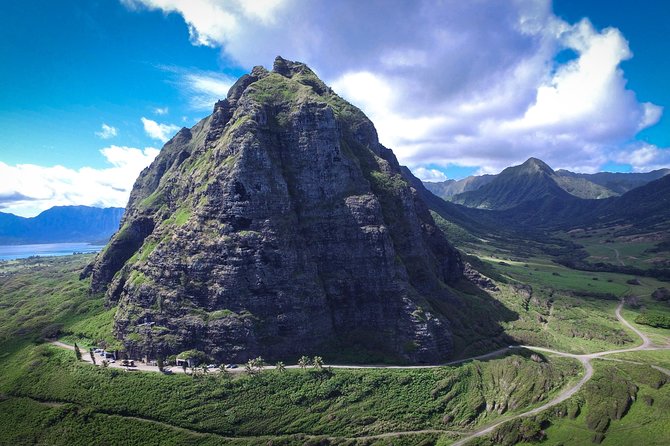
Next you head to Mokoli’i Island, also known by the local nickname Chinaman’s Hat because of the shape. This stop is short—about 20 minutes—but it’s a great change of pace after temple gardens.
From there, you get drive-bys and coastal context on the east side, including the area across from Ahupua’a State Park tied to Kahana Bay. The tour notes it as a cove with clear waters and white sand and ties it to early Polynesian canoe landings. Even without a long stop, you’re learning how many “small” shoreline places mattered historically.
If you’re hoping for a beach-and-swim stretch here, remember the tour doesn’t frame this as a swim-heavy itinerary. Your best bet is to enjoy the views, watch ocean conditions, and keep your expectations aligned with the time you’re given.
Tanaka Kahuku Shrimp lunch: straightforward, tasty, and timed right
This is your North Shore break, and it’s built into the day for a reason: after a lot of sightseeing, you need a clean reset. You’ll reach Kahuku and then stop at Tanaka Kahuku Shrimp for lunch, with a plate option including garlic shrimp, fish, or chicken. A drink is included, and vegetarian options are also available.
You also get time to observe endangered native wetland birds and learn a bit about Hawaiian aquaculture from your guide. That’s a smart inclusion because it ties food to place. It’s not just lunch—it’s a mini lesson that makes the area feel more connected to Hawaii beyond scenery.
The lunch stop is about 45 minutes, which is usually the right length for eating without feeling rushed beyond comfort. If you tend to finish quickly, use the extra minutes for photos or to ask your guide what to watch for in the wetland area.
North Shore big-wave country: seeing the surfing legends from shore
After lunch, the tour heads to one of the legendary big-wave surfing locations where towering waves arrive in the season between November and April. The tour calls it a Triple Crown beach, so it’s designed for people who like knowing where the famous contests happen—even if you’re not there for competition day.
This part of the experience is less about walking and more about orientation. You’re seeing how the North Shore looks when it’s built for waves, not calm swimming. If you’ve never been on Oahu outside Honolulu, this section gives you a “real” sense of coastline energy.
Waimea Valley and the waterfall: the day’s most walkable stop
One of the best schedule decisions is placing Waimea Valley and Waterfall later in the tour. It’s the most “do something physical” stop of the day, with a paved path inside the arboretum that leads to the waterfall area.
The stop includes access to an arboretum featuring over 5,000 species of tropical flowering plants and includes ancient archaeological sites. That means it’s not only a photo stop. If you like plants, rocks, and the way Hawaii tells its story through living things, this is the stop that rewards you for slowing down a little.
There’s also time to enjoy the waterfall setting. The tour notes that guests can use life jackets provided at Waimea Valley if they choose to swim in the waterfall pool. So if you decide to go in, you’re not supposed to be scrambling for safety gear on the spot.
It’s a major reason people end up feeling like they got more than just roadside views. You get to walk, look around, and spend time in a place that feels like a contained nature experience even though you’re on a tour schedule.
Haleiwa’s one-hour stop: shopping, shave ice, and sea turtle chances
Next comes Haleiwa, known as the surfing capital of the world. You get about one hour to roam at your own pace, which is a gift. This is your chance to decide what you care about: historic streets, local art, surf cafés, or just walking off the day’s bus time.
The tour specifically suggests Matsumoto’s Shave Ice if you want the classic island sweet that’s been around for over 70 years. It’s the kind of stop where you can taste the local ritual without it turning into a long detour.
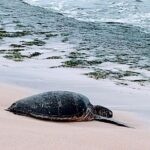
For nature lovers, the tour mentions the nearby beaches as a possible spot to look for green sea turtles resting on the sand. That’s not a guarantee, but it’s solid guidance on where to spend your time if you’re hoping for sightings.
Dole Plantation: the last stretch, quick and sweet
The final major stop is Dole Plantation, located among still-extensive pineapple fields. The tour frames the location as culturally significant and tied to Hawaiian royal birth stories connected to birthing stones nearby.
You’ll likely notice the country store and snack options, including the world-famous pineapple ice cream and DoleWhip. The stop itself is about 30 minutes—so think of it as a quick souvenir and dessert window, not a full “spend-the-afternoon” attraction.
This is also a stop where timing matters. If you’re sensitive to the feeling of being “toured through” a place, treat Dole as optional to your main interests: grab what you want, then enjoy the drive back knowing you’ve seen the island’s arc.
Who this Oahu Circle Island tour fits best
This tour is a good fit when you want a structured island overview with less driving stress. If you’d rather spend your energy listening to island stories—geology, coastal behavior, Hawaiian cultural context—this kind of guided format makes sense.
It’s especially suited for:
- First-timers to Oahu who want the “big names” in one day
- People who like photos and short walks, not long hikes every stop
- Anyone who wants lunch handled, including vegetarian options
- Families with kids age 3 and up, noting minors must be accompanied by a parent or guardian over age 21
If your idea of a vacation is slow and quiet, you might feel the pace. Most stops are 20–45 minutes, so you’ll be choosing moments rather than spending long stretches in any one spot.
Should you book this All Inclusive Ultimate Circle Island Tour?
Book it if you want one day that covers the island’s most recognizable highlights without renting a car or building a route. The value is strongest when you count what’s included—transport, lunch, and entry fees—plus the guide commentary that makes the scenery easier to understand.
I’d hesitate if you’re specifically chasing Diamond Head summit views, because this one is a drive-by and doesn’t include crater entry. I’d also be cautious if you dislike “stop-and-go” scheduling. A few places are intentionally strict about safety, with no swimming at Halona Blowhole and Sandy Beach.
If you’re okay with a full day, you’ll come away with a strong sense of Oahu’s shape—from Waikiki’s edge, to the wind at Pali, to temple calm, to the North Shore’s wave country, and finally the waterfall walk at Waimea Valley.
FAQ
FAQ
Is lunch included on this tour?
Yes. Lunch is included, served at Tanaka Kahuku Shrimp with a drink, and the tour notes vegetarian options are available.
Does the tour include entry into Diamond Head crater?
No. Diamond Head is a drive-by on the outer flanks, and crater entry isn’t included on this itinerary.
Are admission fees included for the sights?
Yes. The tour includes entry fees for stops that charge an admission ticket.
Is swimming allowed at Halona Blowhole or Sandy Beach?
No. The tour states that swimming is not allowed at these locations due to potentially dangerous rip currents and shore breaks.
How long is the tour?
It runs about 10 hours.
What happens if the tour is canceled due to weather?
The experience requires good weather. If canceled due to poor weather, you’ll be offered a different date or a full refund.