REVIEW · CIRCLE ISLAND TOURS
Sunrise Plus Island Tour
Book on Viator →Operated by Blue Hawaii Photo Tours · Bookable on Viator
Waking up at dawn is usually a pain. Here it turns into a photo lesson with a payoff: you start before sunrise and chase the horizon with break-of-day light and a small group. The route shifts with the weather so the day can be bright, dramatic, or rainy-cool in a way that still works for pictures.
I like that this tour mixes real instruction with smart logistics. You get hands-on guidance from pro photography teacher guides like Nelson and Jim, plus tripods so you’re not trying to steady a camera with shaky hands while the sun is doing its thing. The one catch: it’s an early start and meals are on your own, so plan for both the wake-up and extra spending.
In This Review
- Key Things I’d Plan Around
- Why This Sunrise Photo Tour Starts So Early
- What “Small-Group Coaching” Really Feels Like
- Included Tripods: The Quiet Upgrade for Dawn Shots
- The Dawn Stop: Watching the Sun Appear, Not Just Seeing a Photo
- Breakfast and Lunch: Why Meals Are on Your Own
- Road-Trip Stops Across Oahu: The North Shore Angle
- How the Van Ride Works (And Why It Matters)
- What I’d Pack to Make This Day Feel Easy
- Price and Value: Is $165 Worth It?
- Who This Tour Fits Best
- FAQ
- What time does the tour start?
- How long is the Sunrise Plus Island Tour?
- Is pickup and drop-off included?
- What’s included in the price?
- Are breakfast and lunch included?
- How many people are on the tour?
- Should You Book This Sunrise Photo Tour?
Key Things I’d Plan Around
- A sunrise departure from Waikiki at 5:45am, so you’re not driving in the dark
- Up to 6 people, which keeps the coaching useful instead of one-size-fits-all
- Tripods included, helping with sharp shots and lower-light settings at dawn
- Weather-driven route changes, meaning you follow light and conditions, not a rigid checklist
- Pickup and drop-off in an air-conditioned van, so you can focus on shooting and not maps
Why This Sunrise Photo Tour Starts So Early
The tour kicks off at 5:45am, which sounds intense until you realize why. You’re picked up in Waikiki and you leave about an hour before sunrise, giving you time to get to the right spot before the horizon lights up.
That timing matters for photos more than most people expect. Dawn changes fast, and the best light shows up for minutes, not hours. Getting there with a guide and transport is a big deal if you don’t want to fight traffic, parking, and dark roads right before the best moment.
And yes, you’ll want to be ready to move. This is not a slow sightseeing day. You’re up early, you’re shooting early, and you’re rolling from stop to stop with a purpose.
You can also read our reviews of more tours and experiences in Honolulu.


What “Small-Group Coaching” Really Feels Like
This is a small-group experience, capped at six people. That size is the difference between getting advice and getting ignored. In a group, you usually get a general tip and then you’re on your own. Here, the setup is built around teaching you how to see your shot, not just where to stand.
The guides run you through practical photo concepts while you drive and while you stop. You’ll learn how light behaves and how camera choices affect what the final image looks like—things like framing, shutter speed, focal points, and other basics that suddenly click when you’re watching sunrise light change over water.
The guides’ teaching style comes through in the feedback. Nelson, for example, is praised for sharing lots of information during the drive and at each stop. Jim also gets high marks for helping people take better pictures with clear, usable advice—even if you’ve shot for years or you’re just starting with a camera.
If you’re the type who wants to go home with better skills (not just more photos), this is a strong match.
Included Tripods: The Quiet Upgrade for Dawn Shots
Many tours give you a location and a timetable. This one gives you tripods too, which changes what you can do at sunrise.
With dawn light, you often get a darker scene than you expect. That can mean slower shutter speeds or higher ISO if you’re handheld. A tripod lets you slow things down without your image turning into a blur-fest. It also helps when you’re aiming for sharp detail in things like tide pools and shoreline textures.
You don’t need to be a camera expert to benefit. Even if your settings are basic, stabilizing the camera makes it easier to capture what you’re seeing. It’s also a good equalizer in a group, because everyone gets a chance to take a solid shot instead of scrambling with gear.
The Dawn Stop: Watching the Sun Appear, Not Just Seeing a Photo
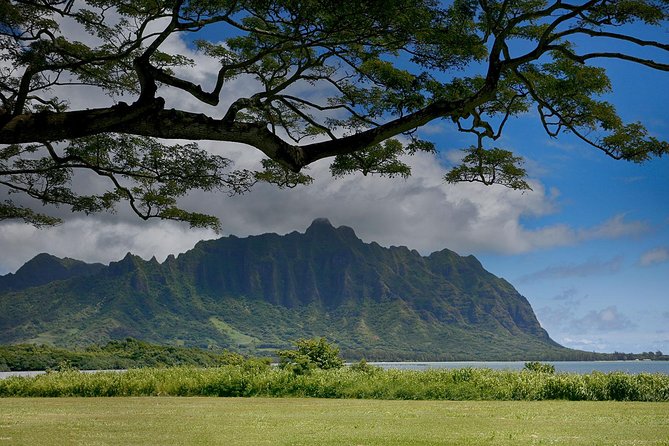
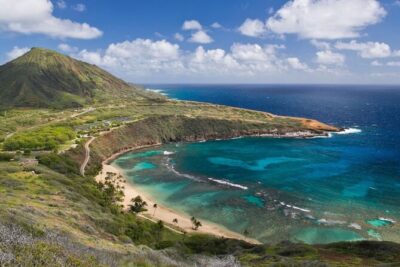
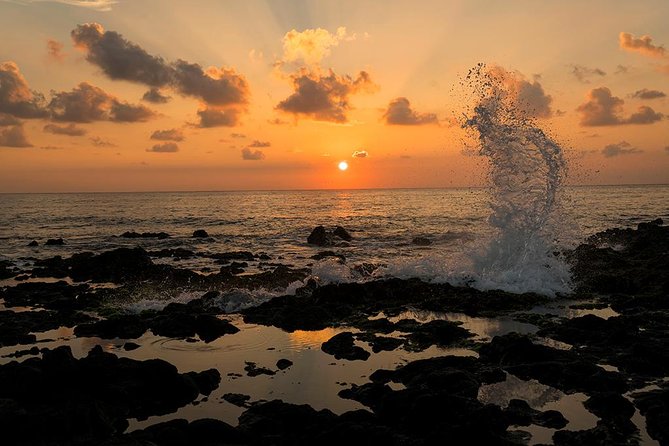
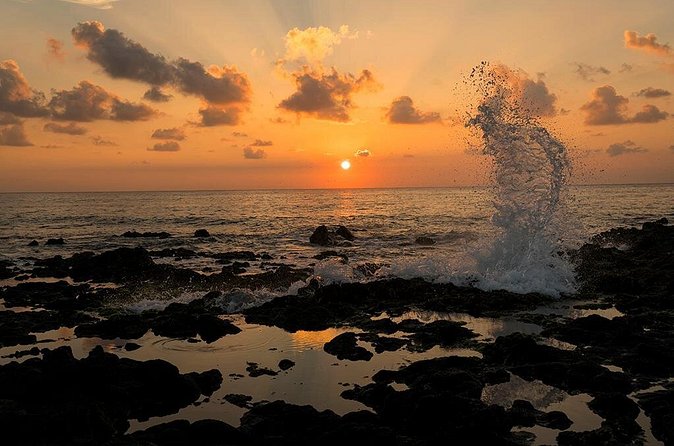
Right out of Waikiki, the van heads for a scenic beach spot for sunrise. The goal is simple: a breathtaking view as the sun appears on the horizon, with waves and tide pools nearby.
This is one of those moments where being there matters more than the camera. The sky shifts, the reflections start moving, and the water surface keeps changing texture. That’s why the tour leaves early—the best light doesn’t wait for your schedule.
And if weather throws a curveball, don’t assume the day is ruined. One review specifically calls out rain as still enjoyable, with the sun appearing to give a rainbow afterward. In other words: keep your plans flexible and your rain gear ready. Soft rain and sudden breaks in cloud cover can create more interesting light than perfect weather.
Practical tip: give yourself time at the stop. Don’t fire off a few quick photos and move on. Let your eyes adjust, then experiment with framing and shutter speed once you see the scene in motion.
Breakfast and Lunch: Why Meals Are on Your Own
The tour includes a quick breakfast stop after sunrise. Lunch is also available later, but both are own expense, not included in the price.
At first, this can feel like a bummer—until you realize what it buys you. By not bundling meals into the tour price, you’re more free to grab food where it fits your taste and budget. You can keep energy steady without being locked into a set meal that may or may not match your preferences.
Still, plan ahead. Early mornings make hunger show up fast. Pack some snacks if you want a buffer, and consider budgeting extra for food. The tour is priced to include transportation, coaching, and gear support; meals are where you’ll spend extra during the day.
If you hate making food decisions while tired, choose something simple during the breakfast stop and then keep lunch easy later. You’ll enjoy the rest of the day more.


Road-Trip Stops Across Oahu: The North Shore Angle
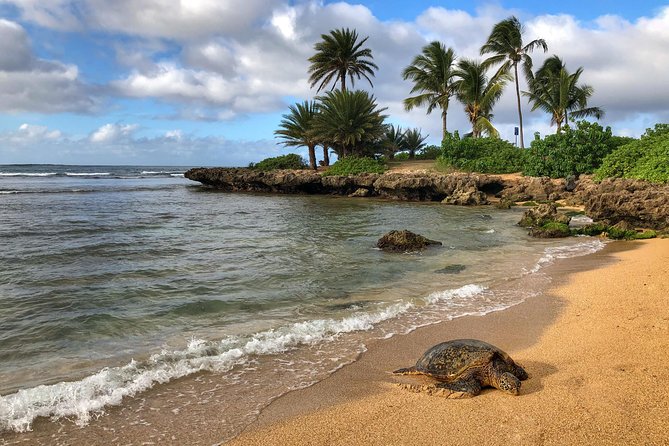
After sunrise and breakfast, the tour keeps going around the island. The big focus is a full-day “visual road-trip,” including North Shore scenery and dramatic coastal views.
The key thing is that the route can change based on weather, season, and time of day. That matters because coastal lighting and visibility can shift quickly. A guide who’s watching conditions can choose a spot that makes sense right now—rather than forcing everyone to follow the same plan even if the light is wrong.
You’ll stop at numerous locations around Oahu, with the itinerary supported by ongoing coaching. The guide helps you understand how to work the frame—not only what the view looks like. That’s what turns random stops into a learning experience.
Drawback to know: since the tour is weather- and light-dependent, you can’t treat it like a guaranteed checklist of exact landmarks. If you’re coming for one specific photo location you already have in mind, you’ll want to do that separately. This tour is about adapting to conditions and helping you get better results where you are.
How the Van Ride Works (And Why It Matters)
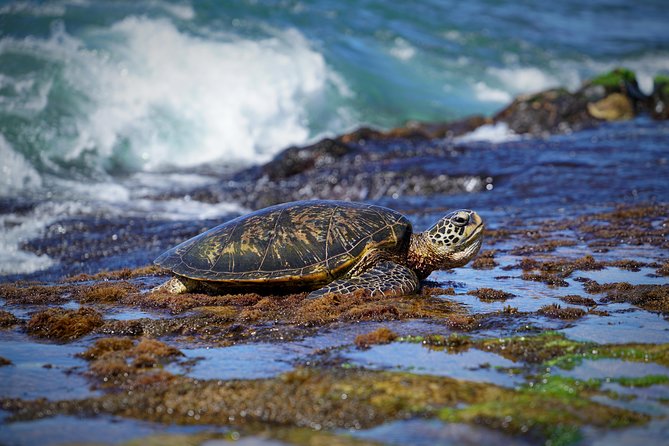
This is transport by an air-conditioned 12 passenger van, with hotel pickup and drop-off in Waikiki. That’s a practical win, because you’re not renting a car or trying to navigate early-morning roads with a dozen things on your mind.
The drive time is also part of the experience. The guides share information on the way—so you’re not just waiting to arrive. You can use the ride to learn terms and techniques, then apply them immediately at the next stop.
For photographers, that structure helps. You learn a concept, you see how it plays out with real light, and then you try it on the spot. For everyone else, it keeps the day from turning into nonstop driving with vague explanations.
If you don’t want the hassle of logistics, this is one of the strongest reasons to book.
What I’d Pack to Make This Day Feel Easy
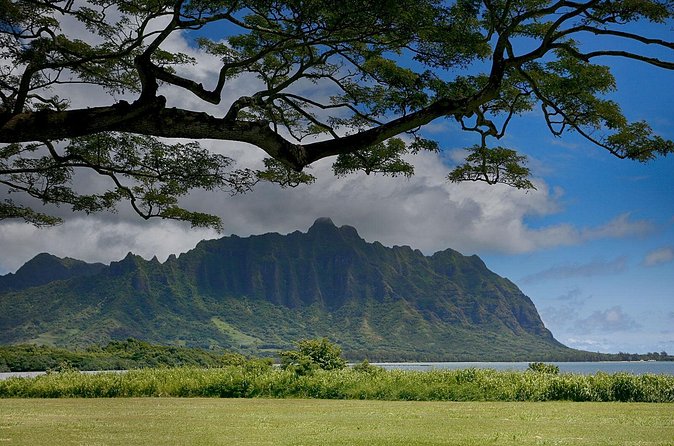
Since it operates in all weather conditions, you should dress like the day might change its mind. Even if the forecast looks good, dawn air on the coast can feel colder than you expect, and coastal weather can shift fast.
Here are practical items to consider:
- A light rain jacket or poncho for quick changes
- Layers you can peel off once the sun warms up
- Closed-toe shoes with decent grip for shoreline or uneven areas
- Your camera (and if you have one, a small lens you know well)
If you’re bringing a bigger tripod setup anyway, check how you want to handle gear inside the van. The tour provides tripods, so you may not need to bring your own.
Also, charge your gear the night before. With an early start, you don’t want a dead battery turning the first part of the day into a troubleshooting session.
Price and Value: Is $165 Worth It?
At $165 per person, this isn’t a bargain-basement tour. But it also isn’t just transport and a sunrise view. You’re paying for three things that add up fast on your own: expert photo coaching, included tripods, and round-trip logistics from Waikiki.
If you were to do this independently, you’d likely spend time figuring out where to go before sunrise, then lose the benefit of instruction while you’re trying to troubleshoot camera settings. Even if you know photography, having a guide explain framing, shutter speed, focal points, and how to read light in real time can save you months of trial and error.
And if you’re new to photography, this day can be especially valuable. Someone is essentially teaching you how to make a decent image in tricky dawn conditions, not just telling you what you should photograph.
The only part that isn’t included is food and drinks. That’s common for tours like this, and it means the true daily cost depends on what you eat. If you budget for breakfast and lunch, the price starts to feel more reasonable.
Who This Tour Fits Best
This tour is a great fit if you:
- Want an Oahu sunrise experience without driving yourself at dawn
- Like learning camera skills, even if you’re not a serious photographer yet
- Prefer small groups and practical guidance over big-bus crowds
- Enjoy scenic North Shore driving and want photos that feel intentional
It also works if you’re experienced. Reviews suggest the guides give useful advice to people who’ve been shooting for years, plus helpful tips for beginners. That balance is rare.
If you hate very early mornings or you’re hoping for a relaxed late start, this probably won’t feel like your ideal Hawaii day. The schedule is built around light, not convenience.
FAQ
What time does the tour start?
The tour starts at 5:45am, with hotel pickup in Waikiki and departure about an hour before sunrise.
How long is the Sunrise Plus Island Tour?
It runs about 8 hours 30 minutes.
Is pickup and drop-off included?
Yes. The tour offers round-trip transportation with hotel pickup and drop-off in Waikiki, using an air-conditioned van.
What’s included in the price?
The included items are tripods, hotel pickup and drop-off, and transport by air-conditioned van.
Are breakfast and lunch included?
No. Breakfast and lunch are stops you’ll make, but food and drinks are not included. Lunch is own expense as well.
How many people are on the tour?
The experience has a maximum of 6 travelers.
Should You Book This Sunrise Photo Tour?
If you want a sunrise day on Oahu that feels more like guided creative work than random sightseeing, I think you’ll be happy you booked. The combination of early departure, small-group size, included tripods, and real coaching from guides like Nelson and Jim is the core value here.
Book it if you’re willing to rise early, dress for changing weather, and spend a bit extra on breakfast and lunch. Skip it if your priority is a relaxed schedule or you’re only interested in one specific view you already have locked in.
For most people, this is a smart way to get better photos without dealing with the hardest part of dawn travel: getting there on time and knowing how to shoot once you’re standing in the light.