REVIEW · WATERFALL HIKES
Byodo In Temple, Waimea Botanical Garden-Waterfall: Includes Fees
Book on Viator →Operated by 1 EPIC TOUR, LLC · Bookable on Viator
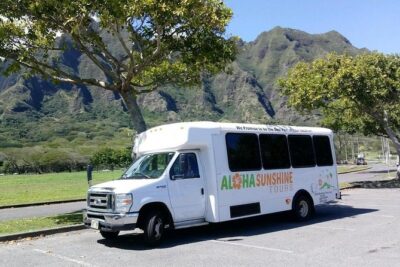
A temple and a waterfall in one long day. This tour strings together Byodo-In Temple beauty with a real swim-able waterfall stop at Waimea Valley, plus quick hits along Oahu’s east and north shores. You’ll ride in an air-conditioned bus with free Wi-Fi, and you’ll start early enough to get ahead of the biggest crowds.
I love that key admission costs are handled for you, especially Byodo-In Temple and the Waimea Valley/Waimea Botanical Garden experience. I also like the pacing style: short photo stops where it matters, and more time where you actually need it, like the temple and your 1-hour window at Waimea’s waterfall area.
One thing to consider: the schedule is tight, so some stops are brief. At Waimea, the walk is rocky and not for everyone, and even though swimming is allowed (with required life vests), you may want the optional golf cart if you’d rather not do the terrain.
In This Review
- Key points to know before you go
- Why this Byodo-In and Waimea combo feels worth the money
- The early pickup game: why the 7:00am start matters
- Waikiki to the coast: Halona Blowhole and whale-season viewpoints
- Makapuʻu Point and Rabbit Island: big views, short stops
- Byodo-In Temple: calm grounds, multiple faiths, and good timing
- Tropical Farms, chinaman’s hat photos, and snack-and-shop rhythm
- Kuilima Farm Stand: banana lumpia timing and a sweet break
- Waimea Waterfall and Botanical Garden: swim time with real terrain
- Dole Plantation: pineapple history, but skip-the-lines expectations
- Downtown Honolulu: King Kamehameha statue and Iolani Palace
- Lunch at Liliha Bakery: how to handle it without losing time
- Who this tour is best for (and who should think twice)
- Should you book this Byodo-In + Waimea day?
- FAQ
- How long is the tour?
- What does the price include, and what costs extra?
- Is hotel pickup offered?
- What stops are included besides Byodo-In Temple and Waimea Waterfall?
- Can I swim at Waimea Valley?
- What should I know about Dole Plantation time?
- Is this tour suitable for mobility needs?
Key points to know before you go
- Waikiki hotel pickup + air-conditioned bus + free Wi-Fi keeps the day comfortable from start to finish
- Fees included for Byodo-In Temple and Waimea Valley means fewer surprise add-ons beyond lunch and snacks
- Early start aims to beat the big tour buses, especially at the popular photo points
- Waimea gives you a real swim option, but the ground is rocky and shoes help
- Dole is quick: no time for the maze or the train
- Whale-spotting stop runs late Nov through March, depending on season
Why this Byodo-In and Waimea combo feels worth the money
At $164 per person for a day that runs about 8.5 hours, this is priced like a “full route” tour, not a pick-a-couple-stops situation. The value jumps because your admission is already covered for Byodo-In Temple and Waimea Valley/Waimea Botanical Garden. Waimea’s admission is listed at $20 per adult, and covering that matters if you’re trying to keep your budget predictable.
Your biggest extra costs are simple and common: lunch and optional treats. Lunch at Liliha Bakery is given as a 45-minute break and is not included, and the tour also builds in short opportunities for snacks and shopping along the way.
You can also read our reviews of more tours and experiences in Honolulu.

The early pickup game: why the 7:00am start matters
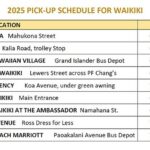
This tour starts at 7:00am, with hotel pickups beginning between 6:30am and 6:45am. The operator’s stated goal is to keep the group in front of other tours, and you’ll feel that in the way the day is planned: more time at the right stops, fewer “we’re stuck behind a bus” delays.
The ride is also set up to keep you sane. You’re in an air-conditioned vehicle with free Wi-Fi, and you can be online, plan the day, or just rest while the guide handles the logistics.
One practical note: pickup is Waikiki hotels only, and if you’re outside Waikiki you’ll need to talk through transportation options. If you don’t get a detailed text message prior to 6pm the day before, plan to follow up so you know exactly where and when to meet.
Waikiki to the coast: Halona Blowhole and whale-season viewpoints
The day begins with passing sights around Waikiki and then moves into more scenic viewpoints. If you’re traveling during whale season, there’s a stop designed for whale watching timed for late November through March. You’re not promised a guarantee, but the timing is deliberate, and it’s a nice add-on when the rest of the route is already strong.
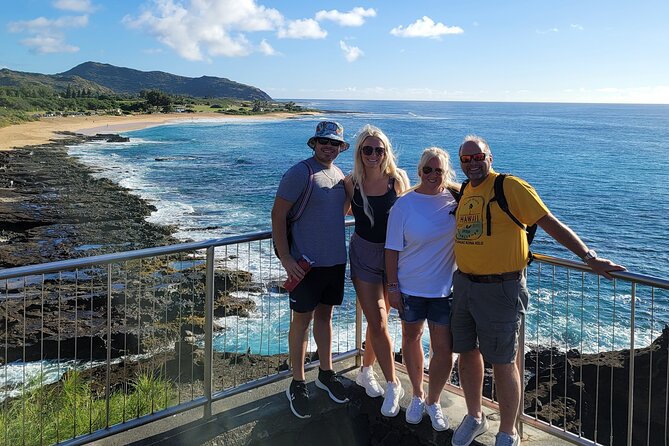
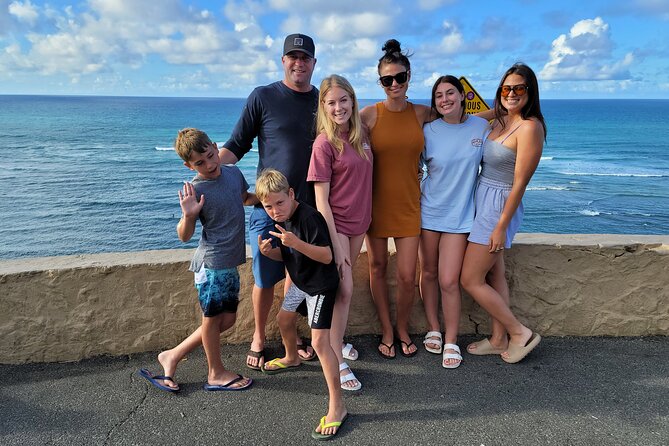
Next is Halona Blowhole, a popular ocean lookout tied to a famous film location. You get about 15 minutes here with a focus on pictures—explicitly described as getting in and out quickly so you can stay ahead of other companies and crowds.
What I like about this approach is how it respects reality. Blowhole viewpoints are great, but the time sink is usually waiting around. Here, the tour aims to get you photos first and then move on.
Makapuʻu Point and Rabbit Island: big views, short stops

On the east side of Oahu, the itinerary includes Makapuʻu Point and Rabbit Island (a small island offshore near the area). Makapuʻu is known as a hiking viewpoint, but on this kind of schedule you should think of your time as scenic viewing from stopping points, not a long hike.
What you’re getting is variety: ocean-and-cliff panoramas toward Waimanalo and the Ka ʻIwi Channel, plus offshore islands that look especially striking when the light is right. If you’re a photo person, this section is a win because it fits the “see a lot in one day” style without asking you to commit to a major trek.
Byodo-In Temple: calm grounds, multiple faiths, and good timing
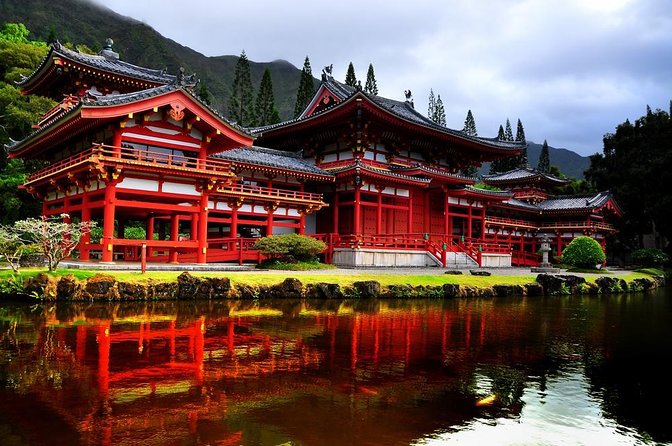
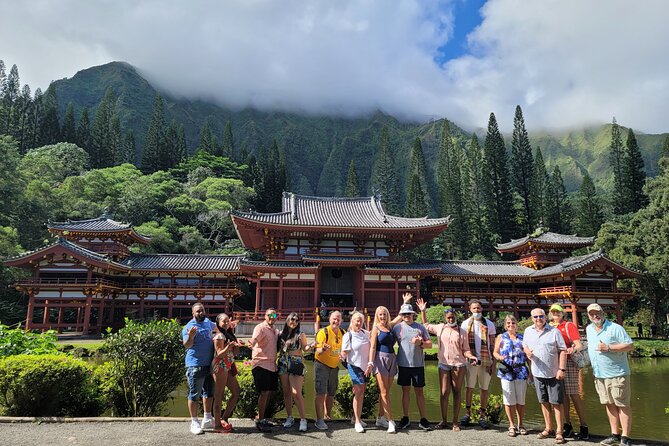
This is the heart of the tour for a reason: Byodo-In Temple at Valley of the Temples Memorial Park is built for people who want beauty, quiet, and a break from pure sightseeing. It’s described as a non-practicing Buddhist temple that welcomes people of all faiths to worship, meditate, or simply appreciate the space.
You get about 25 minutes at the temple, and the admission is included. That’s long enough to slow down, walk through at an unhurried pace, and still be back on schedule.
A practical benefit here is the way the day is sequenced. You aren’t only rushing between viewpoints; you get at least one stop that’s designed for atmosphere. If your trip is short and you want one “different” kind of stop that isn’t just another lookout, this is a strong choice.




Tropical Farms, chinaman’s hat photos, and snack-and-shop rhythm
After the temple, the route shifts into a mix of shopping and short scenic photo moments.
At Tropical Farms (the Macadamia Nut Farm Outlet), you get roughly 20 minutes. There are restrooms, and it’s a classic place to buy macadamia snacks, gifts, and souvenirs without needing a long detour.
Then you’ll have a quick photo stop for Mokoliʻi, also known as Chinaman’s Hat, described as a basalt islet in Kāneʻohe Bay. The instruction here is clear: this is picture taking only, with no long stretch of time.
What that means for you: you’ll see it, you can decide whether you’re satisfied with the view, and you move on. If you’re the type who likes photos but doesn’t want to spend half a day at a single point, this fits your style.
Kuilima Farm Stand: banana lumpia timing and a sweet break
There’s a short stop at Kuilima Farm Stand, and the focus is on a fresh treat: Filipino banana lumpia (Turon), described as freshly fried. The cost for a treat is listed at $1 per treat, and the stop runs about 10 minutes.
This section is small, but it matters because it gives you a “fuel stop” without turning into a full meal. It’s also where the tour’s personality shows—quick, local, and straightforward.
If you’re planning your day carefully, grab this snack only if you still want room later. Lunch is coming at Liliha Bakery, and the tour keeps you moving.
Waimea Waterfall and Botanical Garden: swim time with real terrain
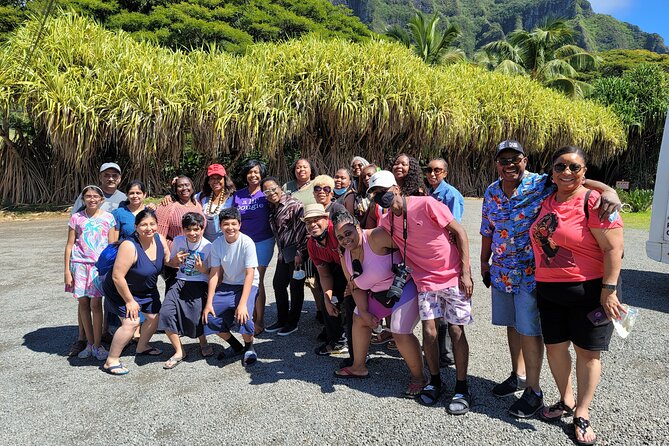
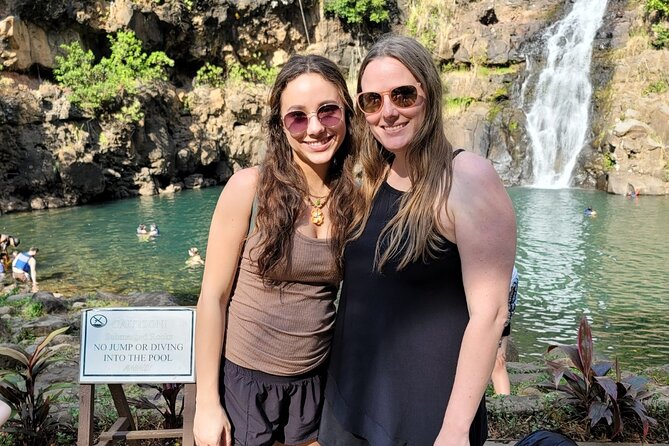
If you want the main nature payoff, this is it: Waimea Valley with the waterfall and the Botanical Garden walk. You get about 2 hours total, including around 45 minutes for the walk through the World Famous Waimea Botanical Garden and up to 1 hour to swim.
The admission is included, and swimming is allowed. Life vests are supplied at no additional cost and are required. That’s a big deal if you’re not a strong swimmer or you don’t want to fuss with gear.
Here’s the realistic part: the walk into the waterfall is described as rocky, and it’s “not for everyone.” The Pacific Islanders are noted as walking barefoot, but that isn’t your job. You should consider shoes designed for reef-like terrain or water shoes if you have them. If you’d rather avoid the rocky section, there’s an optional golf cart ride available for an additional $20 round trip per person.
Also, note that the waterfall experience can vary with weather. The tour can’t control rainfall, so if conditions aren’t ideal, you might not be able to swim even if you arrive prepared.
Dole Plantation: pineapple history, but skip-the-lines expectations
Dole Plantation is the next “big name” stop, but it’s intentionally not a full theme-park visit. You’ll have only about 30 minutes, and the tour explicitly notes you won’t have time to do the maze or the train because those take over 2 hours and the lines can be long.
What you’re getting in that half hour is a taste: the plantation setting and a quick look at the fruit empire story. The route includes background on James Dole’s pineapple farming start and how the operation grew, ending with the plantation-style home turned museum.
My advice: treat this as a quick landmark stop. If you want to do the maze or train, plan a separate visit later in your trip so you’re not rushing.
Downtown Honolulu: King Kamehameha statue and Iolani Palace
After the north and east shore scenery, the tour brings you back toward the political and royal landmarks of Honolulu.
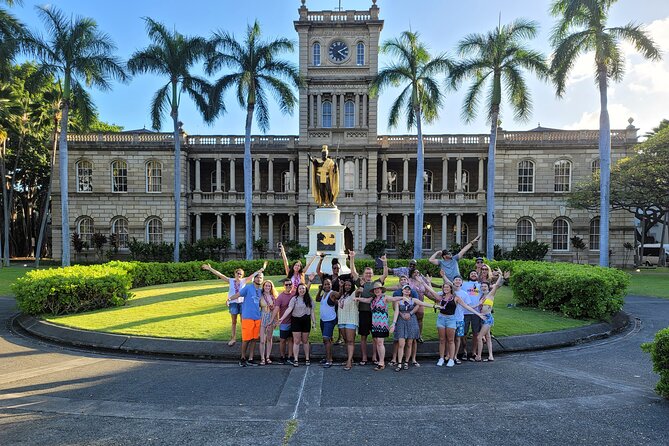
You’ll pass by and stop near the commissioned statues honoring King Kamehameha I, including the most recognized statue in front of Aliiolani Hale across from Iolani Palace. The dedication date is noted as 1883, and the story includes that an earlier statue attempt was lost at sea near Cape Horn.
Then comes Iolani Palace, described as a living restoration and the official royal residence for Hawaii’s last reigning monarchs until the overthrow of the monarchy in 1893. It’s also identified as a National Historic Landmark and described as the physical and spiritual multicultural epicenter of Hawaii.
This part is worth it even if you’re not a museum person. It gives context for why modern Hawaii is shaped the way it is—plus it’s a change of pace after all the ocean and greenery.
Lunch at Liliha Bakery: how to handle it without losing time
Lunch is at Liliha Bakery on Nimitz Road or the nearby Haliewa area, depending on timing. You get 45 minutes, and lunch is not included.
Because your time here is limited, I suggest you use the 45 minutes as both a meal and a reset: water, bathroom break, and then back to the bus. If you have dietary needs, it’s smart to look at options before you’re hungry enough to get stuck waiting in line.
The good news is that this stop is built into the route like a practical break, not an extra detour. You’re not left searching for lunch on your own.
Who this tour is best for (and who should think twice)
This day works well if you want a lot of Oahu highlights without planning your own drives. It’s also a good fit for first-timers because you hit the temple, the waterfall, and key island landmarks in one go.
It’s especially strong for people who:
- Want both Byodo-In Temple and Waimea Valley in a single day
- Like short photo stops but appreciate one calmer longer stop
- Are comfortable with a guided schedule and early pickup
- Want the option to swim at Waimea with provided life vests
Think twice if:
- Rocky walking at Waimea is a concern for you, and you don’t want the extra cost for the golf cart ride
- You prefer very relaxed stops and a slower pace (this tour is built for efficiency)
- You’re sensitive to repetitive crowd-avoidance tactics or call-and-response style learning
One more balancing note from the feedback: most comments praise the guide’s fun, engagement, and Hawaiian language teaching. A minority note the interaction felt repetitive or questioned professionalism, so if you want a more quiet, low-interaction style, consider sending a quick message to the operator about what you prefer.
Should you book this Byodo-In + Waimea day?
If you’re short on time on Oahu, I think this is a good bet. Byodo-In Temple plus Waimea Valley’s waterfall swim in one day is a rare pairing, and the included admissions help your budget stay under control. The early start and quick stop style also mean you spend more time seeing and less time waiting.
You should skip or re-plan if you’re chasing a slow, lounge-by-the-pool kind of vacation. This is an all-in-one route: you’ll be on the move, you’ll do some walking, and a couple of stops are brief by design—especially Dole.
If your goal is to get your bearings fast, see the big sights, and still enjoy one genuine nature highlight, booking makes sense. Just plan for swimming gear or shoes for rocky ground, and budget for lunch at Liliha Bakery plus any snacks and souvenirs you can’t resist.
FAQ
How long is the tour?
The tour duration is about 8 hours 30 minutes.
What does the price include, and what costs extra?
The price includes hotel pickup in Waikiki, transportation, and admission to Byodo-In Temple and Waimea. Lunch at Liliha Bakery is not included, and you’ll also pay for treats, shopping, and any optional add-ons like the Waimea golf cart ride.
Is hotel pickup offered?
Yes. Pickup is included from Waikiki hotels, and you’re asked to specify your exact hotel for pickup.
What stops are included besides Byodo-In Temple and Waimea Waterfall?
The route includes stops such as Halona Blowhole, Makapuʻu Point and Rabbit Island area viewpoints, Tropical Farms macadamia farm outlet, Mokoliʻi (Chinaman’s Hat) photo stop, Kuilima Farm Stand (for banana lumpia), Dole Plantation, lunch at Liliha Bakery, and downtown stops near the King Kamehameha statue and Iolani Palace.
Can I swim at Waimea Valley?
Yes. Swimming is allowed, life vests are supplied at no additional cost, and they are required to swim.
What should I know about Dole Plantation time?
You will not have time to go into the maze or ride the train. The stop is only long enough for about 30 minutes.
Is this tour suitable for mobility needs?
The tour notes that drivers cannot lift any motorized wheelchair and that there are no large motorized scooters. If you use mobility equipment, it’s best to ask the operator directly before booking.