REVIEW · SCUBA DIVING
First-Time Scuba Diving in Honolulu + Free Videos
Book on Viator →Operated by Try Scuba Diving-Honolulu · Bookable on Viator
First time underwater can feel scary. This Honolulu lesson keeps it calm, with small-group coaching and hands-on help from start to finish. I like that you get a full gear fitting and a serious safety talk before you ever head in, then the session moves step-by-step at shallow depths.
What makes it especially appealing is the instructor focus. Guides like Danny, Alex, Nick, Rida, and Rida Omar show up in the feedback as patient, friendly, and constantly checking comfort underwater. A possible drawback: a few people felt the water area was more protected than they expected, with less open-ocean marine life when visibility was murky or when the setup limited animal sightings.
In This Review
- Key things that make this lesson worth your time
- Honolulu scuba setup at Magic Island Lagoon: gear, wetsuit, and that first breath
- The shallow training: waist-deep practice before anything deeper
- Going deeper (but not too deep): what max 15 feet really means for you
- Stop at Ala Moana Beach Park: expect calm water and wildlife sightings
- How the instructor experience changes everything (Danny, Alex, Nick, Rida, and more)
- The GoPro take-home video: how to get the most from the camera
- What you’ll see: turtles, fish, octopus, and sea stars—plus coral-like details
- Value check: $89 for a lesson plus gear and a video
- Logistics that matter day-of: meeting point, group size, and comfort rules
- When weather changes the plan: why this can happen in Honolulu
- Should you book it? My call for first-timers on Oahu
- FAQ
- What is the duration of the experience?
- How much does it cost?
- Do I need scuba certification?
- What is the maximum depth?
- Is hotel pickup included?
- Where do I meet for the tour?
- Are contacts or glasses allowed?
- Can I fly right after scuba?
Key things that make this lesson worth your time
- Safety briefing first, then you practice and build confidence in waist-deep water before going deeper
- Max depth around 15 feet, so it stays beginner-friendly without the pressure of a big excursion
- All scuba gear included, so you are not stuck renting stuff at the last minute
- GoPro video take-home after the session, plus the guide captures photos too
- Multiple praised instructors, including Danny and Alex, known for staying close and teaching clearly
- Calm, shallow-water location near Magic Island Lagoon and Ala Moana Beach Park
Honolulu scuba setup at Magic Island Lagoon: gear, wetsuit, and that first breath
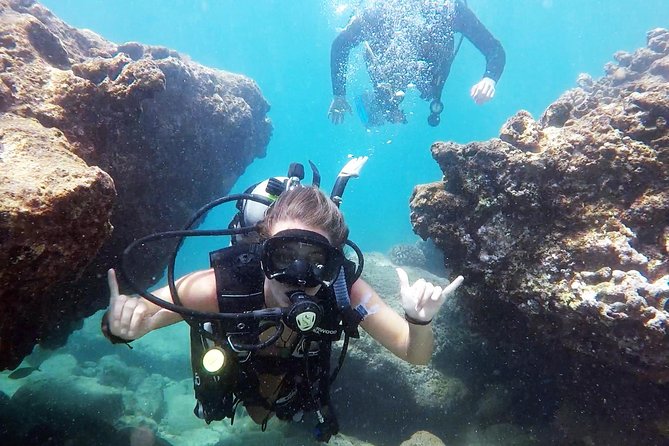
Your experience starts at Magic Island Lagoon in Honolulu. Plan on meeting at the lagoon, then you’ll get fitted with your wetsuit and full scuba gear. This part matters more than people think. When you wear a mask that fits right and a regulator that sits comfortably, the whole underwater experience feels easier.
You’ll get a safety seminar before you step in. Expect a practical talk about breathing through the regulator, how to equalize safely, how to handle your buoyancy, and how the group will move. For first-timers, the goal is simple: get you comfortable with the equipment and the routine so you can enjoy the ocean instead of fighting your own nerves.
A helpful detail from the guidance: you need to be comfortable in the water, even though you do not need prior swimming experience. You also need moderate physical fitness, and you must be able to walk with the equipment. That usually means you should be okay with short stretches of standing, getting in and out, and carrying gear a little bit.
If you wear vision correction, here’s the key point: prescription glasses cannot be worn under the scuba or snorkel mask. Contact lenses are allowed, or you can go without—underwater magnification makes objects appear about 25% closer and larger, so the world still looks big and interesting even if you are not 20/20.
You can also read our reviews of more scuba diving tours in Honolulu
The shallow training: waist-deep practice before anything deeper
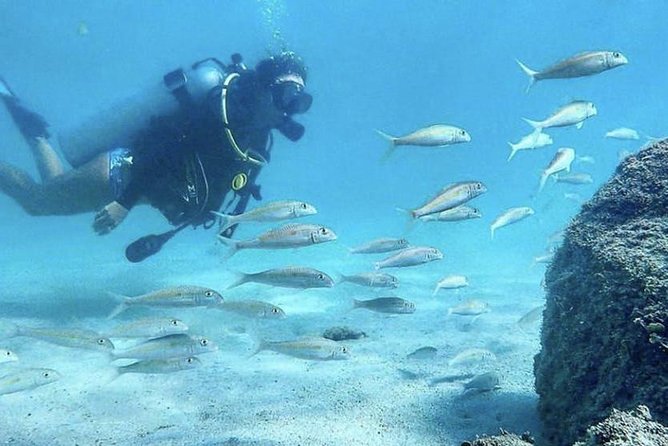
Once you’re geared up, you’ll start in waist-deep water. This is where the instructors earn their keep. You build confidence first, then you move deeper only when you’re ready. The session is designed to be low-pressure: you are learning a skill, not chasing a checklist.
In the teaching flow, expect frequent check-ins and coaching on calm breathing and controlled movement. From the feedback, the strongest theme is that the guides stay patient and supportive, especially with nervous first-timers. People specifically called out how instructors kept an eye on them the entire time and made sure they were doing okay.
One practical tip: show up feeling rested and ready to focus. Your timing under water will feel easier when you listen well on land. Also, if you get even a little anxious, say so early. These instructors are used to nervous first-timers and tend to adjust teaching pace on the spot.
Going deeper (but not too deep): what max 15 feet really means for you
The experience has a max depth around 15 feet. That matters because it keeps the whole lesson in a safer, simpler range for beginners. You get real underwater time, but you are not suddenly far from the surface or dealing with long, deep breathing requirements.
As you progress, you’ll move beyond the initial waist-deep zone and explore more of the marine life in the area. Expect the guide to stay close and guide your position. Buoyancy control can feel awkward at first, but shallow depths reduce the stress. In plain terms: you get to practice the skill and still feel like you can look around.
Stop at Ala Moana Beach Park: expect calm water and wildlife sightings
The second part of the experience centers on Ala Moana Beach Park. This is where you shift from learning mode to exploring mode. The guide leads you through the water and helps you spot animals as you gain comfort.
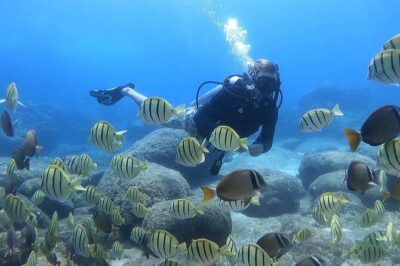
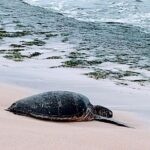
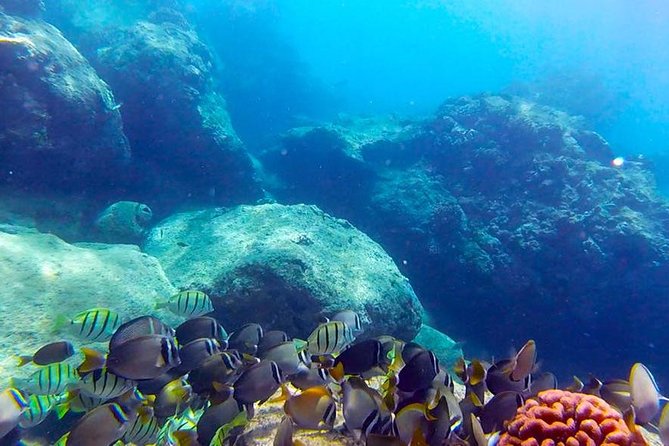
What you’re likely to see includes green sea turtles, octopuses, sea stars, and plenty of colorful reef fish. The big idea is not that every animal appears on command, but that your guide watches for opportunities and helps you notice what is right in front of you.
A quick reality check based on feedback: some people were disappointed when they felt the water conditions limited marine life, especially when the area felt more protected or when visibility was murky. If you’re booking for a specific, big wildlife moment, go in with flexible expectations. The lesson experience is consistent. The animal sightings depend heavily on water clarity and conditions that day.
If you care most about wildlife, consider timing. One early-session review described being in the water within about an hour of arrival, with the guide taking photos and sharing that earliest sessions can help with marine life visibility. You can’t control conditions, but starting earlier can sometimes improve your odds.
How the instructor experience changes everything (Danny, Alex, Nick, Rida, and more)
For a first-time scuba participant, the instructor is half the product. This tour’s strongest praise is about teaching style: patient, friendly, and safety-first.
Names that popped up in the feedback include Danny, Alex, Nick, and Rida (and also Reda Omar). Multiple people emphasized that instructors:
- stayed close and checked in often
- explained steps clearly before moving underwater
- kept the mood chill, even for anxious first-timers
- took lots of photos and video during the session
One small-but-real tip from reviews: bring extra cash to tip your instructor if you feel they helped you. Not everyone said this, but it came up enough that I think it’s a smart move.


The GoPro take-home video: how to get the most from the camera
This experience includes a GoPro video of your underwater adventure, plus the guide takes video and pictures throughout the session. You end up with something you can share right away—useful if you’ve ever done an activity and then had nothing to show for it.
There’s one important note in the rules: if camera malfunctions, there is no refund for the tour. That’s not a reason to avoid it. It just means you should treat the video as a bonus, not the only reason you’re booking.
To maximize your video results, stay relaxed and follow the guide’s movement plan. When you swim slowly and keep your body stable, your footage often comes out steadier. Also, if you want to be easy to film, listen for when the guide says to stop and pose or look toward a specific direction.
What you’ll see: turtles, fish, octopus, and sea stars—plus coral-like details
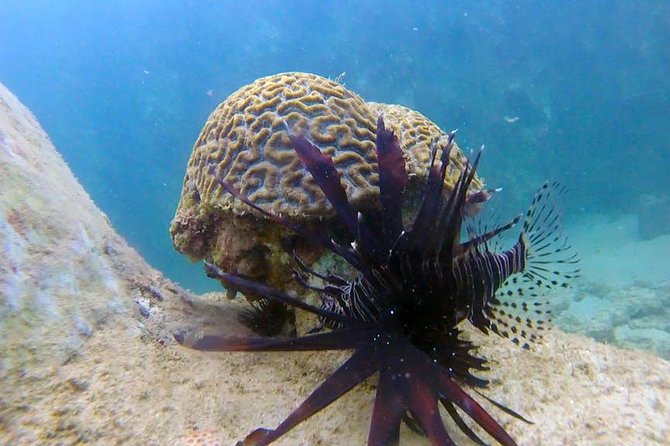
The guide is looking for marine life such as green sea turtles, octopuses, sea stars, and lots of tropical fish. You may also see corals and other underwater features in the area. In the feedback, people often highlighted spotting fish and corals right away once they got comfortable.
Here’s the practical expectation-setting: your visibility and animal sightings can vary. If it’s clear, you’ll have an easier time making out details. If the water is murky, you might still enjoy the experience, but animals can be harder to spot.
Also, underwater magnification can help. Because objects can appear about 25% closer and larger, you may feel like the fish are “closer” even if you are not. It’s a nice way to make the underwater world feel bigger, especially for first-timers.
Value check: $89 for a lesson plus gear and a video
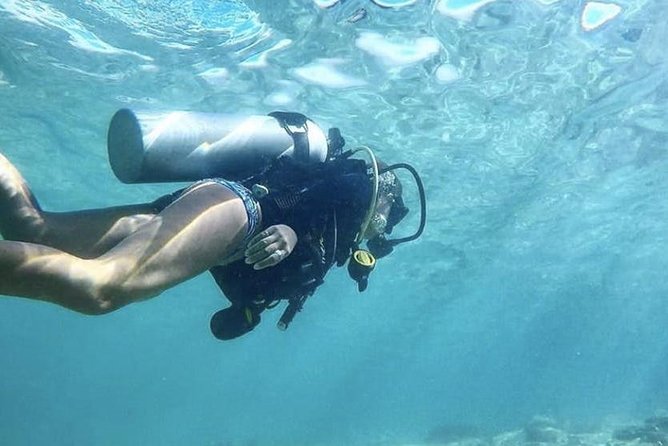
At $89 per person for about 1.5 hours (approx.), the value depends on what you’re trying to do.
This is not a deep expedition. It is a guided, beginner-friendly learn-first session that includes:
- instruction and safety briefing
- all scuba gear
- small-group support
- GoPro video take-home
That combination is the value. If you tried to do this solo, you’d still need a guide, training, and rental gear. Here, the price bundles the “scuba basics” into a single straightforward package.
It’s also booked in advance often, with an average booking window of about 18 days, which suggests it’s a popular option for visitors who want a first-time activity lined up.
Logistics that matter day-of: meeting point, group size, and comfort rules
A couple logistics points can save you stress:
- Group size max is 16, so you are not stuck in a huge crowd.
- No hotel pick-up or drop-off is included, so plan to reach the meeting spot on your own.
- Mobile ticket is used.
- Service animals are allowed.
- No private experience—you’ll be part of the small group.
You also need to be ready for a short walk with your equipment. The tour requires you to be physically able to do that, even if you do not need swimming experience.
When weather changes the plan: why this can happen in Honolulu
This kind of shallow-water lesson needs good conditions. The experience notes that it requires good weather, and if it’s canceled due to poor weather, you’ll be offered a different date or a full refund.
Water clarity can also shift. One review mentioned plans changing due to winds and water clarity. That lines up with how ocean activities work. The upside is that the core lesson format stays the same: safety briefing, gear fitting, then controlled underwater practice.
Should you book it? My call for first-timers on Oahu
I’d book this if you want a beginner-first scuba experience without the hassle. The reasons are straightforward: gear is included, you get step-by-step coaching in shallow water, and the GoPro video gives you a real souvenir.
Skip this only if you are chasing a guaranteed, open-ocean wildlife safari. Even though the possible sightings are great on paper—turtles, octopus, sea stars, colorful fish—conditions can affect how many you actually spot. In other words: you’re booking a skill lesson and guided underwater outing, not a guaranteed wildlife show.
If you go, I’d do two smart things. Arrive on time so you get fitted and briefed without rushing. And bring a positive, patient attitude—this experience rewards calm cooperation, and the instructors clearly respond well to nervous first-timers.
FAQ
What is the duration of the experience?
It’s about 1 hour 30 minutes (approx.).
How much does it cost?
The price is $89.00 per person.
Do I need scuba certification?
No prior certification is needed. It’s set up as a small-group lesson.
What is the maximum depth?
The max depth is around 15 feet.
Is hotel pickup included?
No. Hotel pickup and drop-off are not included.
Where do I meet for the tour?
You meet at Magic Island Lagoon, Honolulu, HI 96815, USA. The activity ends back at the meeting point.
Are contacts or glasses allowed?
Prescription glasses cannot be worn under the scuba or snorkel masks. Contact lenses are allowed, or you may go without.
Can I fly right after scuba?
Flying within 12 hours after the scuba session is not recommended.