REVIEW · NATIONAL PARKS
Hawaii Volcanoes National Park Experience From the Big Island
Book on Viator →Operated by Aloha Sunshine Tours · Bookable on Viator
Some days on the Big Island feel like a greatest-hits album. This one strings together Kona coffee, Hawai‘i Volcanoes National Park, and a black-sand beach stop with real local guidance in a single long day. The small group vibe also helps you get answers as you go, instead of just staring out the window.
Two things I really like: first, the tour includes Volcanoes National Park admission plus round-trip transfers, so you skip logistics and spend more time looking. Second, your guide’s storytelling adds context—how the land was shaped, why certain places matter, and what to notice as you drive. One possible drawback: the schedule is tight, so if you’re hoping for extra walking time at the park (or a long sit-down at the beach), you may wish you had more minutes on the ground.
In This Review
- Key takeaways that matter
- Price and pickup: what you’re really paying for at $139
- Greenwell Farms: Kona coffee with history and volcanic soil
- Manuka State Wayside Park: a short trail where ecology does the talking
- Punalu‘u Bake Shop lunch and black-sand beach turtles
- Hawai‘i Volcanoes National Park in about 2 hours: what you can actually see
- Mauna Kea Access Road and the Kohala Coast: big drives, fast altitude awareness
- Hilo stop: history, museums, and a food-friendly reset
- Guide style and group size: why some vans feel tighter than others
- Weather, volcanic safety, and what to pack so the day feels easy
- Should you book this Volcanoes-from-Kona day?
- FAQ
- What time does the tour start, and how long does it last?
- Where do I meet if I’m flying into Kona International Airport?
- Is Hawai‘i Volcanoes National Park admission included?
- Are meals included?
- What should I bring for the park?
- Can I cancel for a full refund?
Key takeaways that matter
- Park admission included: you’re not scrambling for tickets once you arrive.
- Hotel pickup and drop-off: fewer rental-car headaches on a busy day.
- A “see a lot” route: coffee farm, trail stop, black-sand beach, Volcanoes, plus driving through Mauna Kea/Kohala/Hilo areas.
- Short stops add up: expect quick looks more than deep wandering.
- Guides steer the day: people often leave impressed by how much story gets packed into the ride.
- Bring layers and sturdy shoes: volcanic areas can be cool, uneven, and occasionally smoky.
Price and pickup: what you’re really paying for at $139
At $139 per person, this tour isn’t cheap, but it’s built for convenience. You’re paying for an air-conditioned vehicle, narration from a local guide, and the transport itself—plus the big one: Hawai‘i Volcanoes National Park admission is included. If you were doing this on your own, you’d likely spend time and money just getting between far-flung stops on the island’s highways.
The day runs about 8 to 10 hours, starting at 8:00 am. That’s long enough that you’ll want to be ready with snacks, water, and a layer even if Kona weather feels warm at pickup time. In many cases, the tour packs in several short stops, so you’ll feel the “road-trip day” pace rather than a slow travel day.
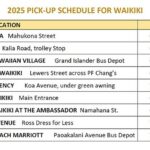
Pickup is straightforward if you’re flying into Kona International Airport: meet in the lot behind Alaska Baggage claim B-2. If you’re staying at a hotel, pickup and drop-off are included, which is a big deal on the Big Island where distances can eat your day.
You can also read our reviews of more tours and experiences in Honolulu.
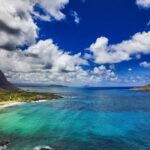

Greenwell Farms: Kona coffee with history and volcanic soil
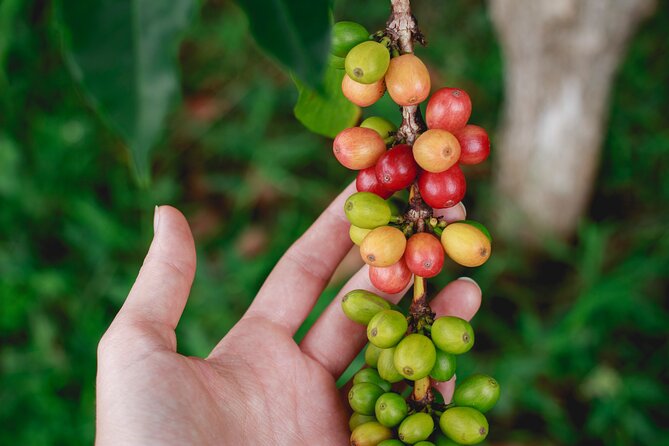
Greenwell Farms is one of those places that helps you understand why Kona coffee tastes the way it does. The farm traces back to 1850, and it sits on the slopes of Mauna Loa, where the weather pattern supports coffee growth: sunny mornings, cloud cover later in the day, and consistent rainfall helped by the volcanic environment.
This stop is about 30 minutes. That’s not enough time to become a coffee expert, but it is long enough to walk the grounds, see what the farm looks like, and learn how the island’s geology connects to farming. If you like coffee, you’ll enjoy how the guide frames it as a product of soil, elevation, and rainfall—not just a label in a shop.
A small practical note: this is a working area, and your time there may include quick viewing rather than a slow, sit-and-sip experience. If you want to linger, plan to buy something and do the real tasting later.
Manuka State Wayside Park: a short trail where ecology does the talking
Manuka State Wayside Park is a quiet 13-acre stop along Hawaii Belt Road (Highway 11). You get a 2-mile Manuka Nature Trail, which is a great “stretch your legs” moment inside a tour day that otherwise stays mostly in the vehicle.
What makes this stop special is the mix of wet and dry forest ecosystems on the slopes of Mauna Loa. The trail includes interpretive signs and volcanic features, so you’re not just walking—you’re learning why the plants and terrain look the way they do. You might also spot talk-worthy native species, including birds such as the Hawaiian hawk and honeycreeper.
Time here is around 30 minutes, so keep your pace realistic. Aim to take in the plants and key views rather than trying to complete the whole trail like it’s your main hike of the trip. It’s a good stop for people who want nature without committing to a full morning hike.
Punalu‘u Bake Shop lunch and black-sand beach turtles
Punalu‘u Bake Shop is famous for traditional Hawaiian sweet bread, often in flavors like taro, guava, and mango. It’s in Na‘ālehu, and it’s also known as the southernmost bakery in the U.S. Beyond baked goods, there’s a gift shop and a garden, so you’re not just making a quick stop—you’re taking a break in a pleasant spot.
Lunch is effectively built into this stop. Meals are not included, but the tour does schedule time here (around 30 minutes), and it’s a chance to eat what you want. You may see options like sourdough sandwiches, Kalbi beef, and Hawaiian plate lunches, plus plenty of sweet treats and baked goods. One practical heads-up: bring cash, because roadside stands and some shops may be cash-only.
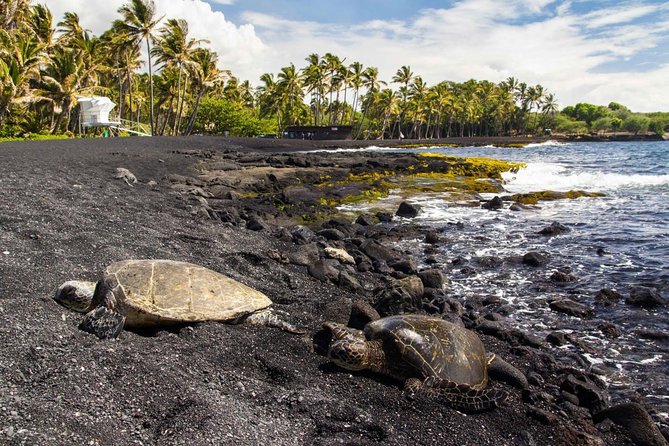
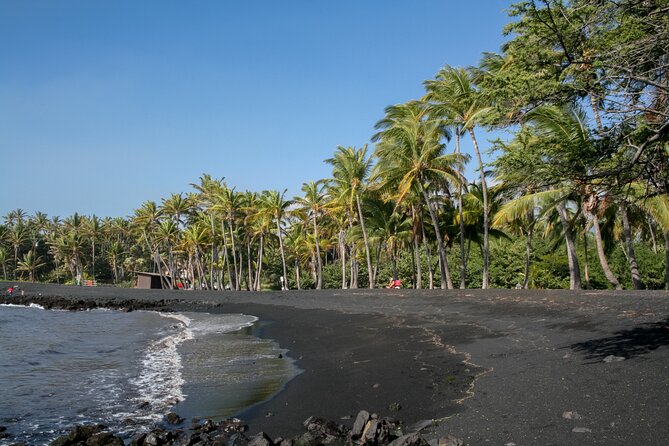
After eating, the tour typically makes a quick move to Punalu‘u Black Sand Beach. The goal is simple: walk the black sand and keep an eye out for native Hawaiian green sea turtles. The beach time is about 30 minutes, which means you’ll want to be efficient—find a spot to watch safely and don’t sprint around. If you’re lucky, you’ll catch turtle activity close to shore.
If the sea is rough or weather turns, the beach might be more about watching from a calmer viewpoint than doing much walking. Also, black sand runs hotter than you expect in sun, so sunscreen and hydration matter.
Hawai‘i Volcanoes National Park in about 2 hours: what you can actually see
This is the heart of the day, and it’s why the rest of the itinerary works. Your park time is about 2 hours, starting at the visitor center where you get orientation on geology and park history.
Then you move through a sequence of highlights:
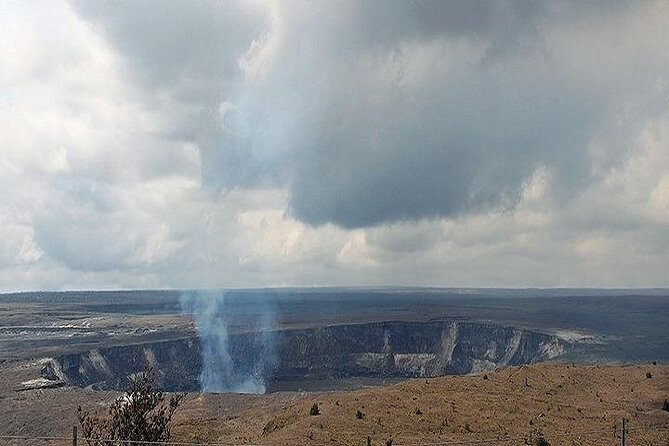
- Halema‘uma‘u Crater: this is where you look for that jaw-drop effect—an active reminder of how Kīlauea keeps reshaping the area.
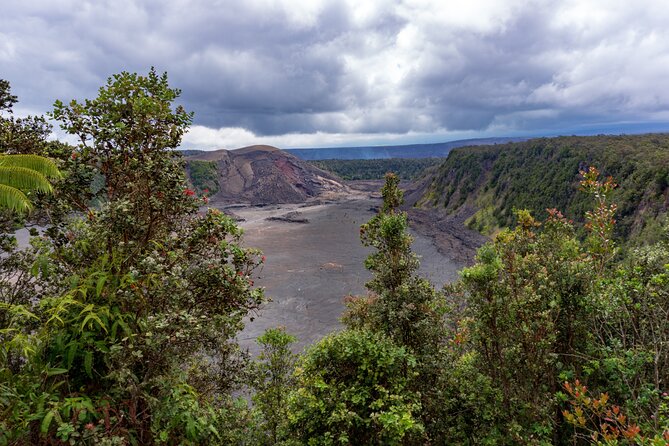
- Kīlauea Iki Rainforest Lookout: a contrast moment. You shift from stark volcanic features to lush rainforest visuals around a crater area, and you learn how eruption remnants connect to what you see now.
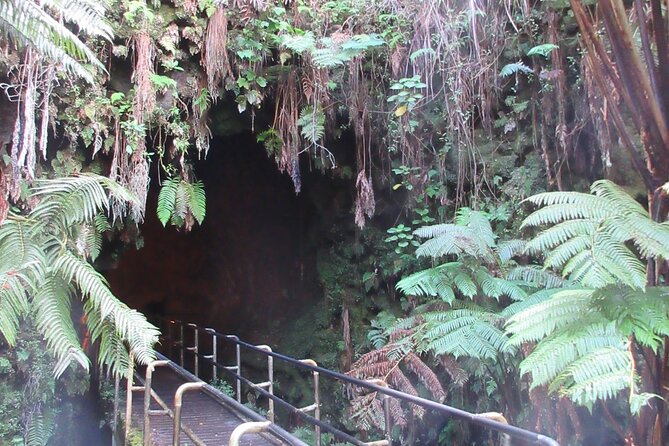
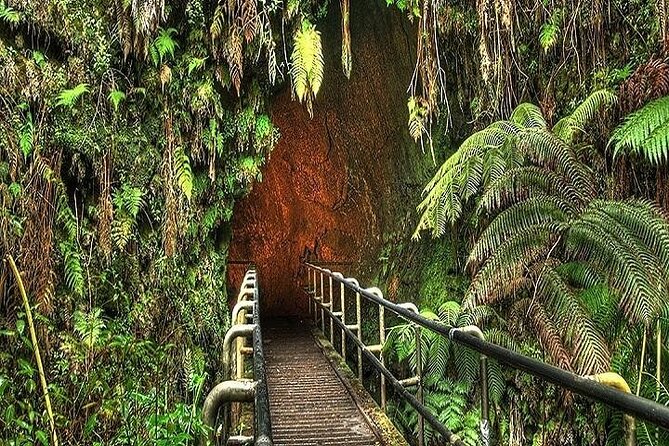
- Thurston Lava Tube: a natural tunnel formed by flowing lava. It’s a cool stop in more ways than one—temperature and airflow change as you move through.
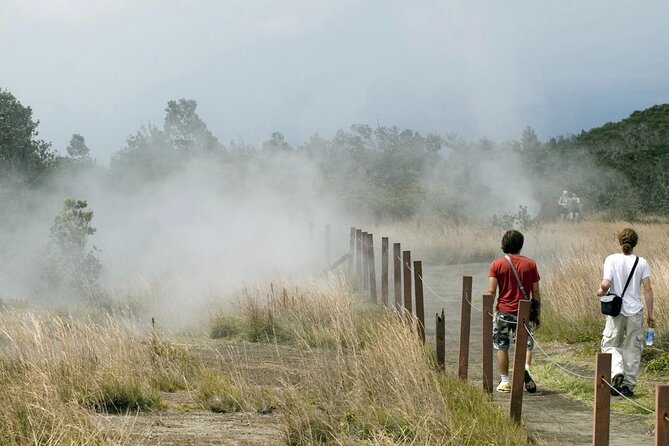
- Active steam vents: you can feel the heat rising from the ground. It’s also a spot where you need to pay attention to air quality and safety instructions.
You won’t have time for long hikes in just two hours, so the park works best if you treat it like a guided highlights route: walk the short segments, pause at key viewpoints, and let the guide explain what you’re looking at. If you’re hoping to see molten lava directly, know that volcanic visibility and activity can vary—this tour can set you up for the experience, but nature writes the final script.
Practical safety points matter here. Volcanic areas can release gases like sulfur dioxide, and cell service can be limited or nonexistent. Bring layers and keep to marked trails. And since the park includes culturally significant places, show respect—don’t disturb or remove anything.




Mauna Kea Access Road and the Kohala Coast: big drives, fast altitude awareness
Later in the route, the tour may include the Mauna Kea Access Road area, which is a steep, winding climb from Route 200 (Saddle Road). As you ascend, you go through changing climates, and temperatures drop as the air gets thinner. Even if you don’t get to the very top, the drive itself is a good reality check: your body feels elevation changes faster than you expect.
This is also where timing and weather matter. If clouds roll in or winds pick up, visibility can turn gray quickly, and you’ll rely on your guide’s direction and your own clothing. Pack for cold and potential wet conditions even if the bottom of the island feels warm.
The tour may also pass through the Kohala Coast, known for its drier feel compared to other parts of the island. You’ll typically get scenic views and a sense of the coastline’s resort-and-beach vibe. It’s a nice palette cleanser after volcanic features, and it also helps break up the day so you’re not stuck staring at the inside of a van the whole time.
Hilo stop: history, museums, and a food-friendly reset
Depending on the timing, the tour includes a look around Hilo. Hilo is a good place to learn how the Big Island’s story isn’t only about volcanoes—it’s also about people, culture, and how communities adapt.
The itinerary points toward stops such as the Lyman Museum, the Hilo Historic District, and the Pacific Tsunami Museum. You may also see Liliuokalani Gardens, which honors Queen Liliuokalani. And since this is a practical travel day, Hilo can also give you a chance to grab something and reset your energy with a local-food atmosphere like the Hilo Farmers Market (if it fits the schedule).
The best reason to include Hilo on a same-day tour is psychological: you go from dramatic volcanic terrain to a town that feels like a living place. It turns your day from a checklist into a broader sense of island life.
Guide style and group size: why some vans feel tighter than others
This tour runs with a maximum of 22 travelers, and the group is described as smallish. In practice, that usually means better conversation and more personal attention than large bus tours. You’ll also get narration from a local guide throughout the ride, not just at the stops.
The strongest praise tends to land on the guides themselves. People specifically highlight Mel, Henry, Brandon, and Jim (often called Uncle Jim) for mixing Hawaiian culture, geology, botany, folklore, and even music into the day. That blend matters. It turns the sights from names on a map into places with meaning.
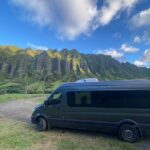
One real caution: van seating can feel cramped for some passengers, especially where wheel bulges limit foot space. If you’re tall, have mobility needs, or get uncomfortable in tight seating, it’s worth considering that a small group can still mean tight quarters depending on the vehicle. I’d also advise arriving with a plan for bathroom stops and keeping expectations realistic about legroom.
Hearing the guide matters too. If the vehicle is loud, you might have trouble catching every detail at all times. In that case, don’t worry—use the guide’s big moments at each stop, when your surroundings get quieter and the explanation naturally becomes more audible.
Weather, volcanic safety, and what to pack so the day feels easy
The Big Island does weather fast. Even if you start in sun, higher elevations and the park can turn cool and wet. The tour specifically warns that weather can change quickly, so plan layers and a rain jacket.
Pack essentials:
- Sturdy closed-toe shoes for uneven, potentially sharp volcanic ground
- A hat and sunscreen
- Water (there are limited services in the park)
- Snacks, plus whatever you like for personal comfort
- A light layer even if the forecast looks warm
Also take volcanic gases seriously. If you have respiratory issues, sulfur dioxide exposure can be an issue, and you may want to consult your doctor before you go. Follow guide instructions and stick to marked trails.
Because cell service can be limited or nonexistent in parts of the park, download anything you need before you leave the hotel. And if you enjoy supporting your guide, cash tips are appreciated.
Finally, practice Leave No Trace. Trash doesn’t belong anywhere, and disturbing sacred or culturally significant sites is disrespectful. The park is both a natural wonder and a living place with meaning.
Should you book this Volcanoes-from-Kona day?
Book it if you want one day that covers the essentials: Kona coffee vibes, a nature walk, sweet bread and black sand beach time, and the main Hawai‘i Volcanoes National Park highlights—without worrying about tickets and driving.
Skip it (or adjust expectations) if you want long free time. Two hours in the park means you’ll see key stops, but you won’t have time for long hikes or a slow beach day. Also, if you’re sensitive to tight vehicle seating or you need guaranteed quiet time for hearing commentary, this “pack a lot in one day” style might feel less comfortable.
If you decide to go, show up ready for a long day: wear proper shoes, bring layers, and treat the schedule as a guided route through multiple worlds, not a single-location deep-dive. With a strong guide—like Mel, Henry, Brandon, or Jim—you can leave with a much better understanding of why this island looks the way it does.
FAQ
What time does the tour start, and how long does it last?
The start time is 8:00 am, and the duration is about 8 to 10 hours.
Where do I meet if I’m flying into Kona International Airport?
If you fly into Kona International Airport, meet at the lot behind Alaska Baggage claim B-2.
Is Hawai‘i Volcanoes National Park admission included?
Yes. Hawai‘i Volcanoes National Park admission fees are included in the tour price.
Are meals included?
Meals are at your own expense. The tour does stop at Punalu‘u Bake Shop for lunch where you can buy lunch and snacks.
What should I bring for the park?
Bring layers (including a rain jacket), sturdy closed-toe shoes, water, sunscreen, a hat, and any personal snacks. Cell service can be limited, so it also helps to be prepared ahead of time.
Can I cancel for a full refund?
Yes. You can cancel for a full refund up to 24 hours before the experience start time. The experience can also be canceled due to poor weather, with an option for a different date or a full refund.