REVIEW · COFFEE EXPERIENCES
Kona Coffee Tasting: A Farm to Cup Experience
Book on Viator →Operated by The Coffee Lab by Hala Tree Cafe · Bookable on Viator
If coffee has always felt like a mystery, this fixes that. This Kona tasting at The Coffee LAB by Hala Tree Cafe turns a simple drink into a guided lesson in farm-to-cup coffee and what actually changes flavor. I love how you get a hands-on three-coffee flight plus a clear method for tasting, and I especially like the way the story stays tied to what’s in the cup. The one drawback: it’s a compact, 1-hour experience, so you won’t leave with deep brewing gear talk or lab-level experiments.
I also like that the tasting is grounded in real production choices, not just marketing. You’ll hear how Kona coffee is grown and processed on a family-owned farm on the slopes of Mauna Loa, then connect that to cultivation, fermentation, and roasting decisions you can taste. It’s built for both curious beginners and coffee nerds who want the “why” behind the flavor notes.
Plan for a small group and a quick cadence. The experience tops out at 12 travelers, runs about 1 hour (one review clocked it around 35 minutes), and you’ll start at 51-666 Kamehameha Hwy in Kaaawa. For $10, it’s a very low-friction way to upgrade your coffee instincts—just be ready to pay attention while you taste.
In This Review
- Key Things You’ll Notice in This Kona Coffee Tasting
- Getting Oriented at The Coffee LAB by Hala Tree Cafe (Kaaawa)
- Your Three-Coffee Flight: How Kona Tastes Differently in the Cup
- The Tasting Technique They Teach (And Why It Works)
- What You Learn About the Kona Farm (From Growing to Roasting)
- Processing, Fermentation, and Drying: How the Choices Become Flavor Notes
- Stop 1 at Hala Tree: What the Flow Feels Like
- Price and Value: Is $10 a Good Deal for This Kona Experience?
- Who This Kona Tasting Is Best For
- Should You Book the Kona Coffee Tasting?
- FAQ
- Where does the Kona coffee tasting begin?
- How long is the experience?
- How much does it cost?
- What language is the tour offered in?
- How many coffees do you taste?
- How large is the group?
- Is a mobile ticket provided?
- Can I bring a service animal?
- Is cancellation free, and what affects refunds?
Key Things You’ll Notice in This Kona Coffee Tasting
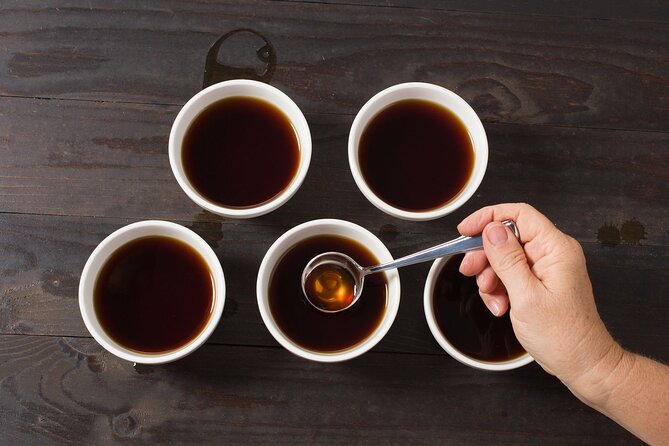
- A three-coffee flight of 100% Kona coffee, chosen to show differences in varieties and processing.
- A guided tasting method that teaches you how to smell and taste for real flavor, not just preference.
- Mauna Loa farm story tied to cultivation, harvesting, processing, drying, fermentation, and roasting.
- Traceability-focused farm details, so you learn where the coffee comes from, not just that it’s Kona.
- Small-group feel with a maximum of 12 travelers for an intimate, back-and-forth vibe.
- A casual, friendly pace that works even if you’ve never done a formal tasting class.
Getting Oriented at The Coffee LAB by Hala Tree Cafe (Kaaawa)
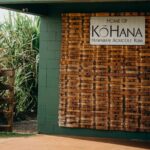
Your tour starts at The Coffee LAB by Hala Tree Cafe at 51-666 Kamehameha Hwy, Kaaawa, HI 96730. In one review, the group met on the bottom floor of the shop, so if you walk in and don’t see people gathered right away, check downstairs before you assume you missed the group.
This is one of those experiences that’s easy to slot into a day. It’s about an hour long (often faster in practice), and it ends back at the same meeting point. That means you don’t need a complicated commute plan beyond getting yourself to Kaaawa.
Two practical notes matter here. First, the experience is in English, so you can follow the farm and flavor explanations without guessing. Second, it’s close to public transportation, which helps if you’re not driving on Oahu that day. Service animals are allowed too, so the vibe is welcoming in a straightforward way.
If you’re the type who likes to arrive a few minutes early, do it. With a small group size (12 max), being late can squeeze you into the tasting flow and you’ll miss the first part of the method.
You can also read our reviews of more food & drink experiences in Oahu

Your Three-Coffee Flight: How Kona Tastes Differently in the Cup
The heart of this experience is a guided flight of three Kona coffees. These aren’t just random pours. The idea is to let you taste how subtle shifts—variety and processing methods—show up as different flavors and aromas.
Here’s why that matters for you. Most people try to evaluate coffee after it’s already “decided” for them—like if it’s labeled light roast or Kona and that’s that. This tasting trains you to compare what you’re tasting while you’re still fresh, so you can catch those small differences instead of feeling like everything tastes like coffee.
One review highlighted learning about the difference between roasted and light roasted. Even if you’re not buying multiple bags at home, that concept changes how you interpret “notes” on a bag label. Light roast often keeps more delicate aromatics; other roast levels can push sweetness and body differently. The tasting gives you a practical way to notice that in minutes, not weeks.
The Tasting Technique They Teach (And Why It Works)
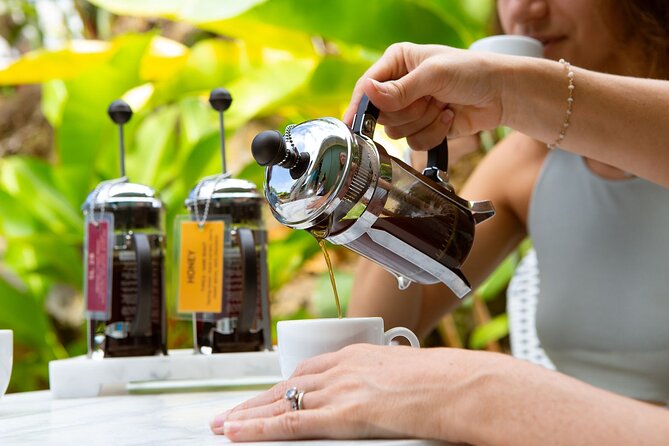
What really gets praised here is the instruction on tasting itself—how to use your senses in a way that unlocks flavor. One review shared a super clear method, and it’s worth using as your takeaway even after the tour.
Here’s the approach you’ll learn:
- Smell with your mouth open first, so aroma doesn’t get blocked by a closed mouth.
- Take a sip and let the liquid spread across different parts of your mouth before swallowing.
- After you swallow, breathe through your nose to finish the flavor experience.
That last step is key. Most people taste coffee like it’s only a front-of-tongue event. But aroma and after-breathing through the nose contribute a lot of what we call flavor notes. This method turns that into a repeatable habit.
It also helps that the tasting is designed to be approachable. Reviews mention it’s accessible even if you haven’t done a formal class before, and the educators guide you so you don’t feel lost. If you’ve ever watched people do wine tastings and thought, I don’t know what I’m doing, this helps.
If you want to take it one step further, the experience also points you toward more in-depth classes on tasting, brewing, and roasting. That’s useful if you catch the coffee bug and want more than a single tasting flight.
What You Learn About the Kona Farm (From Growing to Roasting)
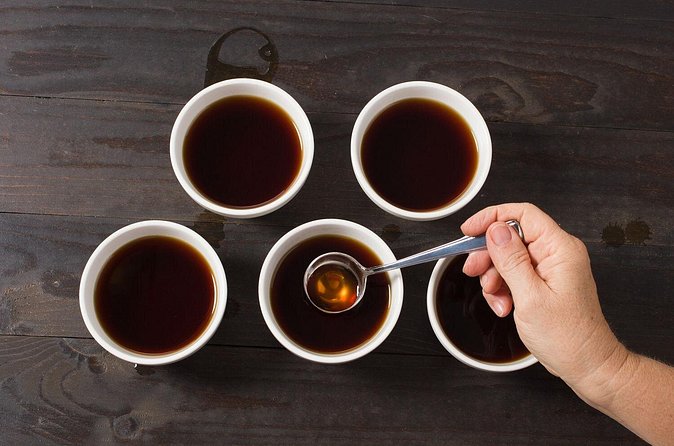
This isn’t just a sip-and-go situation. You’ll get a presentation about an award-winning farm in Kona, focused on how the coffee moves from plant to cup.
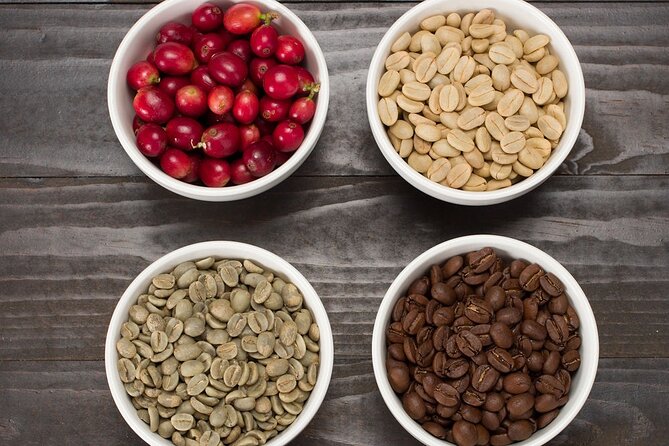
The topics covered include how they grow and harvest coffee, how they process it, and how they roast it. It also includes details on industry-leading traceability, innovative drying techniques, and experimental fermentation methods.
Here’s the practical value for you: when you know which step is being tweaked—drying, fermentation, or roasting—you stop treating flavor as luck. Instead, you start seeing it as cause and effect.
One review also mentioned learning about how they grow it and understanding how fermentation and roasting choices show up in taste notes. That connection is the real win. Kona can be expensive, and it can also be marketed in confusing ways. When you understand the process, you can better judge why one Kona tastes cleaner, one tastes heavier, and one tastes brighter.
Also, the setting matters. One review mentioned a gorgeous ocean view on the way to the Kona coffee portion of the experience. Even if your focus is the cup, Hawaii has a way of making the whole session feel like part of the vacation, not a detour.
Processing, Fermentation, and Drying: How the Choices Become Flavor Notes
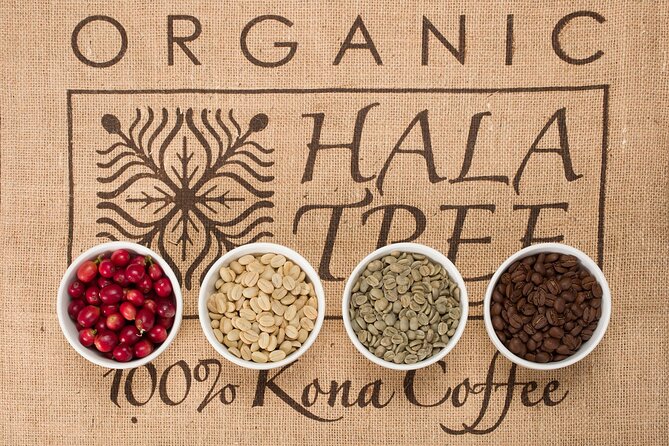
The experience is built around the idea that flavor isn’t one thing. It’s the result of multiple decisions layered together: cultivation, fermentation, and roasting.
You’ll hear about innovative drying techniques and experimental fermentation methods. The useful part isn’t that you memorize scientific details—it’s that you learn what to look for when tasting and comparing coffees.
For example, even without getting lab-specific, you can expect that changing fermentation approach can alter aroma intensity and how “smooth” or “bright” the cup feels. Drying method and timing can influence how the coffee develops sweetness and overall balance. Roasting choice can then amplify or mute those signals.
That’s why the tasting flight format is smart. You taste three coffees in one session, so your brain can connect the dots while the impressions are still fresh. You’re not trying to remember what something tasted like from last week’s bag at the grocery store.
When you leave with that frame, you’ll read coffee descriptions differently. Instead of just chasing flavor words, you’ll start thinking about the process behind them. That’s how you get more satisfied with what you buy next.
You can also read our reviews of more tours and experiences in Oahu

Stop 1 at Hala Tree: What the Flow Feels Like
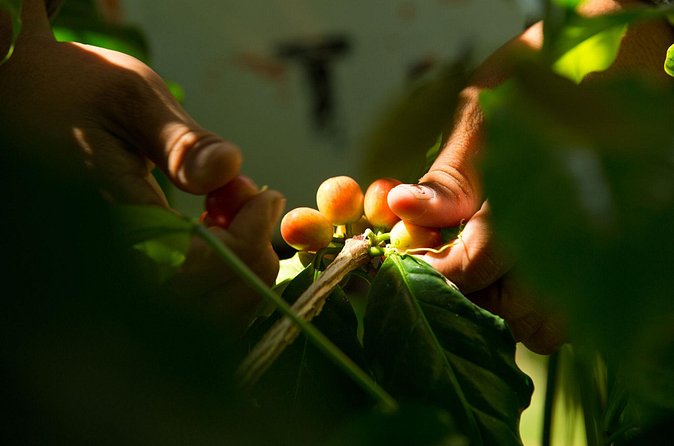
This tour effectively keeps everything in one place: Stop 1 is at Hala Tree Coffee, and it ends back where you started. That simplicity is a plus. You aren’t juggling multiple locations or timing windows.
From what I’d expect from the pacing described in reviews, the session doesn’t waste time. One person estimated the experience lasted around 35 minutes, even though it’s listed as approximately 1 hour. That lines up with a flight format: brief setup, structured tasting, a farm story presentation, and enough time to ask questions without turning it into a lecture.
Also, because it’s small, you’re more likely to get real interaction with the educators. Reviews mention asking questions and learning about growing and processing in Kona specifically. That’s especially helpful if you’ve got one coffee question you keep meaning to ask, like why two Kona coffees taste so different.
Price and Value: Is $10 a Good Deal for This Kona Experience?
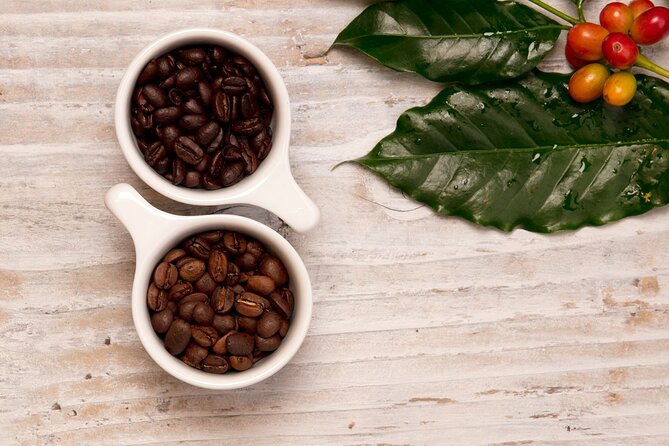
At $10 per person, this tasting is aggressively fair—especially for what you receive: three Kona coffees, guided tasting instruction, and a structured presentation about farm practices and processing choices.
The real value is not just quantity (three samples). It’s guidance. Most people can drink three coffees and still walk away confused about why they taste different. Here, you’re getting the method to taste properly and the context to interpret what you’re noticing.
It also helps that the group size is capped at 12 travelers. In practical terms, that keeps the experience personal enough that you can actually follow along. And with mobile tickets and English language support, you can book and show up without stress.
One more value point: this experience is often booked about 21 days in advance. That doesn’t mean it sells out instantly like a big museum; it just means the most popular slots go first. If Kona coffee is on your must-do list, reserve early so you don’t end up settling for a time you don’t want.
And if weather becomes an issue, you’re offered a different date or a full refund. The point is: this tour has some weather dependency, so don’t schedule it as your only plan on a day you’ll need certainty.
Who This Kona Tasting Is Best For
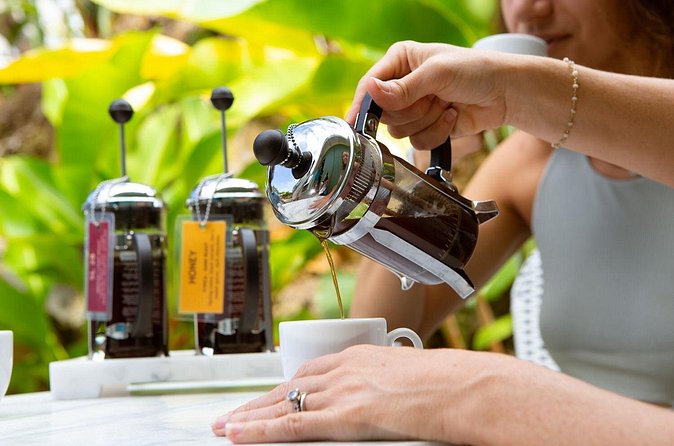
This experience works for a wide range of coffee people.
If you’re a beginner, you’ll appreciate how the tasting instruction makes the sensory process feel doable. You won’t need formal training to follow along, and the educators guide you through a tasting method that actually translates into better judgment.
If you’re a coffee enthusiast, you’ll likely enjoy the focus on process. The presentation connects cultivation, fermentation, innovative drying techniques, experimental fermentation methods, and roasting choices to what ends up in the cup. That helps you stop guessing and start tasting with intention.
It’s also a good choice for couples or small friend groups because the session feels intimate. If you’re traveling with non-coffee people, it can still land well since the pacing is casual, and the farm story adds a cultural and human angle—not just technical talk.
Should You Book the Kona Coffee Tasting?
Book it if you want a short, hands-on way to learn how Kona differs when choices change from farm step to roasting step. The strongest reason to go is the tasting technique—especially the specific approach to smelling, sips across the mouth, and breathing through your nose after swallowing. That alone can make your next cup feel more vivid.
Skip it only if you’re looking for a long, full-day class or a heavy brewing workshop. This is a focused 35–60 minute tasting plus explanation, not an all-day lab.
If you’re in Oahu and Kona coffee is on your list, this is one of the simplest ways to turn “I like coffee” into “I can taste what’s happening.” And at $10, it’s hard to argue against trying it—especially with a small group and a farm-to-cup story anchored in real production.
FAQ
Where does the Kona coffee tasting begin?
It starts at The Coffee LAB by Hala Tree Cafe, 51-666 Kamehameha Hwy, Kaaawa, HI 96730, USA.
How long is the experience?
It runs for about 1 hour on average.
How much does it cost?
The price is $10.00 per person.
What language is the tour offered in?
The experience is offered in English.
How many coffees do you taste?
You taste a flight of three Kona coffees.
How large is the group?
The maximum group size is 12 travelers.
Is a mobile ticket provided?
Yes, the experience uses a mobile ticket.
Can I bring a service animal?
Service animals are allowed.
Is cancellation free, and what affects refunds?
Cancellation is free up to 24 hours in advance for a full refund. If weather cancels the experience due to poor conditions, you’ll be offered a different date or a full refund.