REVIEW · FOOD
Hawaii Off The Beaten Path Food Tour
Book on Viator →Operated by Hawaii Free Tours · Bookable on Viator
Chinatown tastes better when you have a local guide. This 3-hour small-group walking food tour on Oahu takes you off the main drag, mixing market stops, fruit vendors, and Chinatown classics with stories about how Hawaii’s food culture was shaped by many communities. You also start with a quick look at an active Japanese Shinto temple by Nuuanu stream, so the morning feels grounded in real places, not just restaurants.
I especially love the amount of food you get for the price, and how it comes in a full progression from snacks to seafood to roast meats and sweets. I also like the guide-led context from Victor and TJ, who connect what you’re eating to Hawaii’s mixed-history food scene and the people behind the counters.
One consideration: you’ll be standing for much of the tour, and a few stops may mean eating on your feet. Also, pickup only covers Honolulu/Waikiki, so if you’re staying farther out you’ll need to meet at the first stop near Chinatown.
In This Review
- Key highlights worth showing up for
- Value for $150: what you’re paying for in real terms
- Pickup in Waikiki vs meeting by 201 N Kukui
- Victor and TJ: why the stories and pacing feel worth it
- Izumo Taishakyo Mission of Hawaii: the quiet 15-minute start
- Manapua and the sweet-salty rhythm of downtown
- Chicken adobo and deep-water prawns: the savory middle
- Fruit stops in Honolulu: seasonal, exotic, and genuinely hard to replicate
- Oahu Fish Market: chutoro sashimi, tako poke, and Japanese octopus
- Chinatown roast meats, Vietnamese pandan cake, and Hawaiian poke
- Walking pace and eating without stress (mostly standing)
- Who this tour fits best
- Should you book Hawaii Off The Beaten Path Food Tour?
Key highlights worth showing up for
- Small-group feel (max 16) with hotel pickup for Waikiki/Honolulu, so you spend more time eating and less time figuring things out
- Big, filling tastings that add up to a true meal, not the tiny bite model
- Hands-on Chinatown time with lots of vendor energy and food that locals actually queue for
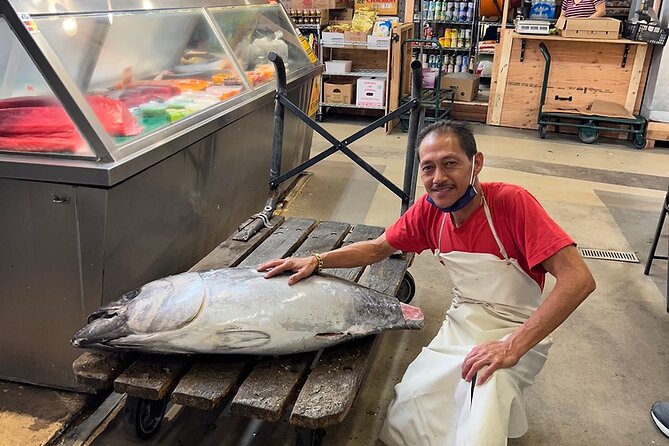
- Seafood market stop with Japanese-style selections like chutoro sashimi and tako poke
- Sweet and savory spread that includes Filipino favorites, Vietnamese pandan cake, tropical fruits, and Hawaiian poke
- Take-home leftovers are part of the deal, which is a lifesaver if you get full before the last stop
Value for $150: what you’re paying for in real terms
At $150 per person for about 3 hours, this is not a budget snack crawl. But it’s also not overpriced for what you receive: multiple tastings across several food neighborhoods, drinks (local juice or bottled water), and hotel pickup/drop-off in the Waikiki/Honolulu area.
Most importantly, the value is in the variety and the access. You’re sampling a lot of different cuisines tied to Hawaii’s multicultural food story, plus you’re going to a seafood market and then moving through Chinatown where you’re surrounded by working vendors. That combo usually costs more when you try to piece it together yourself.
If you hate tourist traps and want to eat where the food is made and sold day-to-day, this format makes sense. You’ll likely be stuffed by the end, and you can often bring extras with you.
You can also read our reviews of more food & drink experiences in Oahu

Pickup in Waikiki vs meeting by 201 N Kukui
This tour starts at 9:30 am and uses a meeting point at 201 N Kukui St, Honolulu. If you’re in Waikiki or the Honolulu area, the tour offers pickup from your hotel lobby/Airbnb residence in a 9:00–9:30 am window (timing can vary with traffic).
Here’s the practical watch-out: pickup is limited to Honolulu/Waikiki. If you’re staying on the east side (like Kailua/Kaneohe) or farther west (including Aulani, Ko Olina, or Four Seasons), you’ll need to meet at the first stop instead.
You’ll get a text the day before with a pickup window (about 15 minutes) and the final details. Make sure you can receive it.
Victor and TJ: why the stories and pacing feel worth it
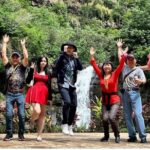
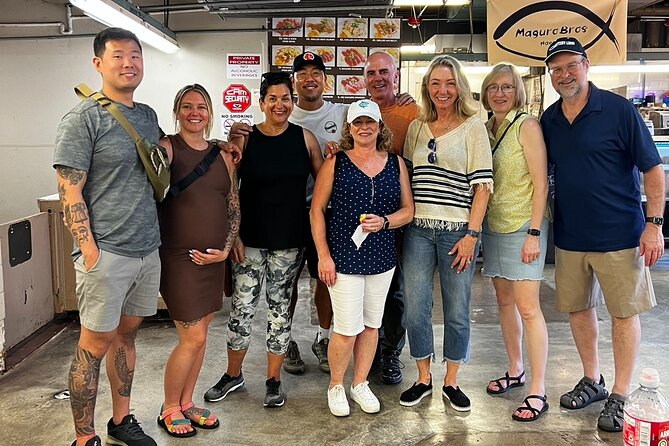
The tour’s strength is the guide pairing of Victor and TJ, and the way they connect what you taste to the people and history behind it. In plain terms: they don’t just point at food. They explain why it exists here, how different communities shaped it, and what to pay attention to while you’re eating.
I also like that the group stays small, so you’re not lost in a crowd while trying to ask questions. On top of that, guides are keeping the flow moving through Chinatown and the market area, which is key because the tastings are frequent and the portion sizes add up fast.
Izumo Taishakyo Mission of Hawaii: the quiet 15-minute start
The morning kicks off with a visit to Izumo Taishakyo Mission of Hawaii, an active Japanese Shinto temple next to Nuuanu stream. It’s only about 15 minutes, and admission is listed as free.
Why this matters for a food tour: it sets a tone. Before you jump into the smells and crowds of Chinatown, you get a quick sense of the Japanese presence in Honolulu’s cultural mix. It’s also a good reset point if you’re arriving early and want the day to start in a real, local-feeling place.
It’s a short stop, so you won’t lose time, but you’ll still get context.
Manapua and the sweet-salty rhythm of downtown
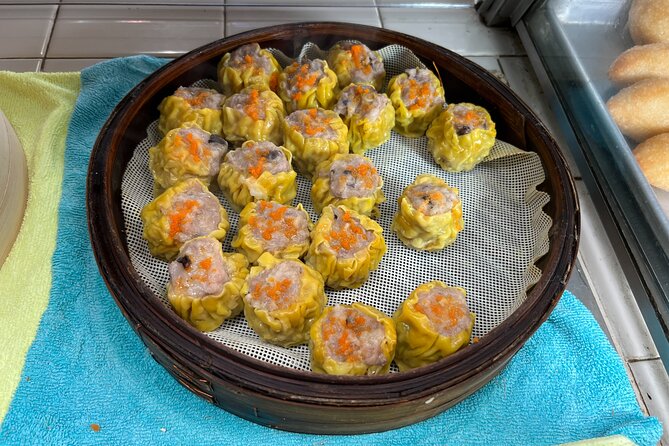
Next up is Downtown Honolulu for Local Manapua: sweet bread buns filled with savory, smoky pork. It’s another 15-minute stop with free admission.
This is a smart opener because manapua is filling, portable, and deeply tied to Hawaii’s working-class comfort-food world. It also helps you avoid the most common mistake on food tours: showing up too empty, then getting overwhelmed by the later seafood and roast items.
From there you head to Chinatown for a Filipino dessert: Turon (Banana Lumpia), another 15-minute tasting. Expect fried banana in a lumpia format, which hits sweet and crispy, and it works as a palate pivot right after a savory bite.
You can also read our reviews of more tours and experiences in Oahu



Chicken adobo and deep-water prawns: the savory middle
In Chinatown, you’ll taste Chicken Adobo, a Filipino dish where chicken is marinated and simmered until it turns rich and saucy. This stop is listed as 15 minutes and free admission.
Adobo is a great example of what Hawaii does so well: it takes strong, flavorful roots from the Filipino islands and turns it into everyday comfort. If you’re the type who likes your meals to have a clear sauce and a salty-sweet balance, this is one of the better stops.
Then the tour shifts to Kauai wild-caught deep-water prawns (Ama Ebi / Boton shrimp) in the downtown area. It’s also about 15 minutes.
Deep-water prawns are a different kind of seafood experience than what most people try on vacation. You get a chance to taste a local sourcing story that’s tied to Hawaii’s fishing and import patterns, without the touristy menu markup.
Fruit stops in Honolulu: seasonal, exotic, and genuinely hard to replicate
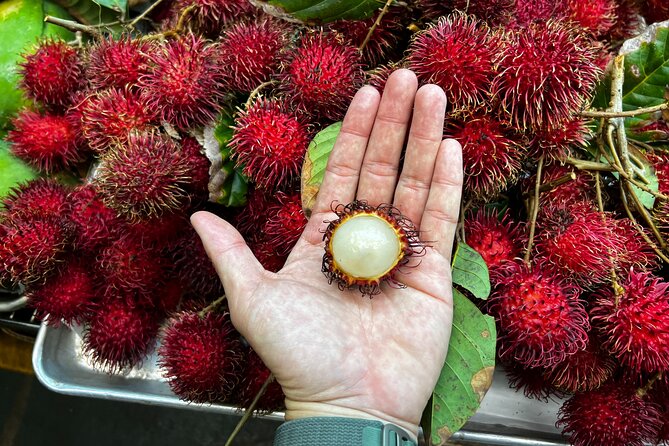
After the savory stretch, you’ll get Fresh Local Fruits in Honolulu. This is about 20 minutes, and the guide checks what looks good seasonally.
The tour doesn’t lock you into a single fruit list, which is a plus. Fruit is one of those things that changes a lot with weather and timing, so you’re getting what’s currently available. One of the most fun parts from the experience reports is how exotic the fruit can get, with durian mentioned as an example when it’s offered.
You’ll get 5+ tastings. This is also a nice break from seafood and fried items, because fruit resets your palate and helps you enjoy the later raw fish and roast meats without losing interest.
Oahu Fish Market: chutoro sashimi, tako poke, and Japanese octopus
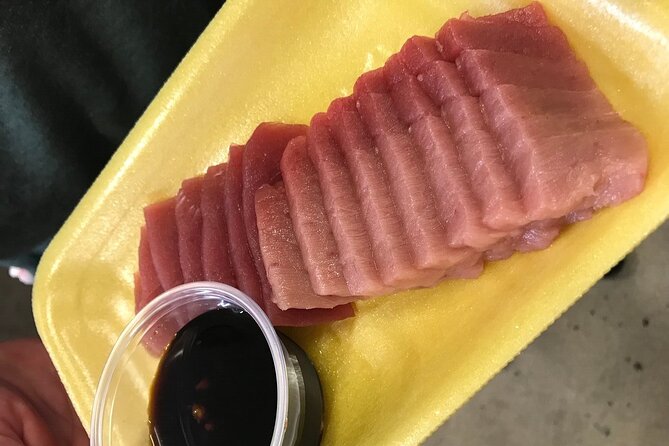
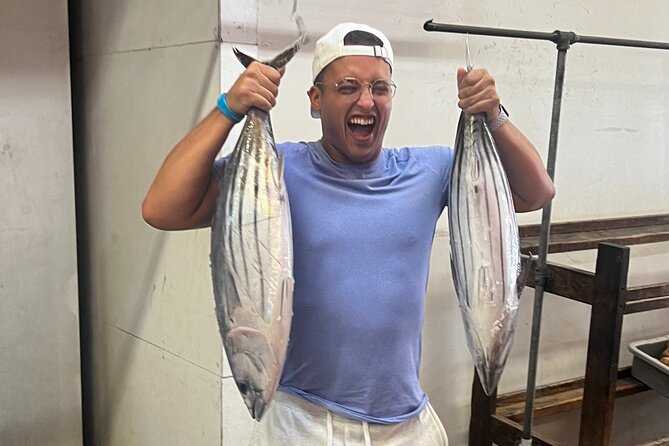
One of the standouts is the Oahu Fish Market stop. The tour includes a tasting that depends on availability, with Japanese-style raw and cooked seafood options.
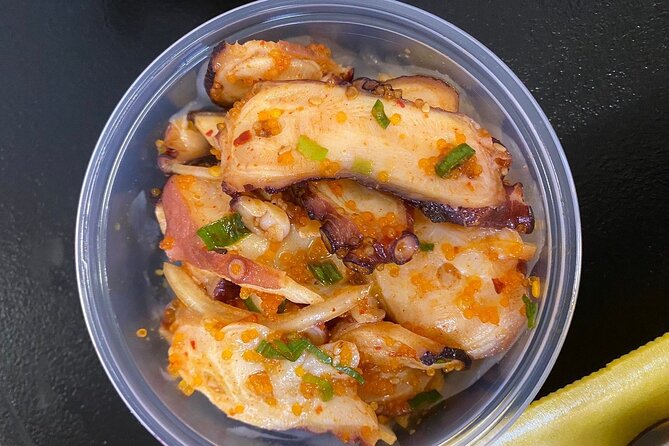
You’ll try Chuturo sashimi (fatty tuna belly, served Japanese style) plus Tako Poke. In the description, tako poke is cooked Japanese tako (madako) seasoned in a Korean spicy sauce and served with flying fish eggs.
This is where the tour earns its off-the-beaten-path claim. You’re not just ordering poke from a tourist menu. You’re learning in an environment where seafood is the main event.
The sample menu also includes Japanese octopus (madako) served in a Korean dressing, and that fits the same flavor family as the tako poke. So even if the exact presentation varies by day, you should expect octopus to show up in some form during this seafood portion.
Practical tip: if you’re on the fence about raw fish, don’t assume you won’t like it. The tour’s tastings are small and paced, and the emphasis is on freshness and local sourcing.
Chinatown roast meats, Vietnamese pandan cake, and Hawaiian poke
The final stretch concentrates in Chinatown with multiple savory and sweet stops.
First: Roast Meats, listed as duck and/or roast pork depending on availability (free admission, 15 minutes). The sample menu signals you may also encounter options like roast pork belly with crispy skin and honey BBQ pork belly (charsiu). If you love crispy skin and slow-roasted flavor, Chinatown is where you’ll feel it.
Then comes dessert: Vietnamese Pandan Cake in Chinatown (15 minutes, free). This is a good ending note because pandan brings a distinct aroma that’s different from coconut-heavy sweets you might see elsewhere.
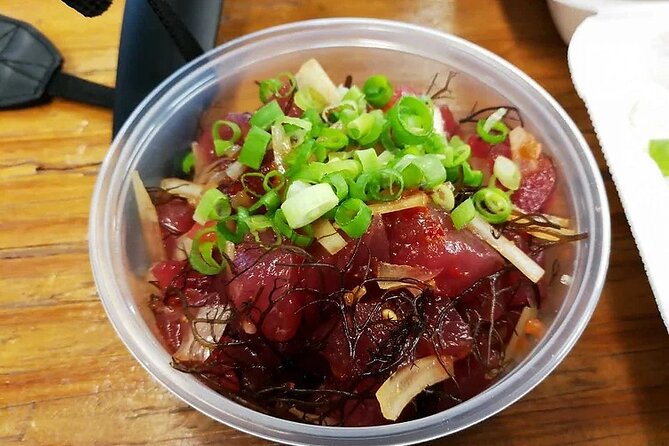
Finally, you’ll end with Hawaiian Style Poke: big eye tuna cubed and seasoned local style. This stop is also about 15 minutes. Poke is the Hawaii food everyone recognizes, but the value here is in how it’s paired in sequence after fruit and roast meats, so you can taste it with better contrast.
On top of all this, drinks are included throughout. You’ll get local juice options like lilikoi, lychee, guava, or pineapple, or bottled water.
Walking pace and eating without stress (mostly standing)
This is a walking tour, but it’s not a steep, endurance-style plan. The experience includes time on foot through neighborhoods like Chinatown and market areas, and it’s designed for regular walking.
The catch is that you’ll likely stand for much of the tour, and seating is arranged whenever possible. Some stops may require eating while standing, so wear shoes you can stand in comfortably.
Also, come with room in your stomach. The portion sizes are repeatedly described as more than “microscopic.” Many people end up taking leftovers to go, and the tour provides containers for extras, which turns the end of the morning into a built-in snack plan for later.
If you want to handle the pace, start by sipping your drink early, then pace your bites. There’s a lot coming your way, and rushing usually makes you miss the flavor differences between sweet, fried, braised, and raw.
Who this tour fits best
This is ideal if you want:
- A food-first introduction to Honolulu that still includes cultural context
- A guided way to sample Filipino, Japanese, Vietnamese, and Hawaiian flavors without guessing where to go
- Seafood curiosity, especially if you want Japanese-style tuna and a market setting
- A morning activity that ends with you feeling like you ate a full meal, not a few bites
It’s also a good choice early in your trip. A solid food orientation helps you spot the differences between tourist-focused places and the vendors that move quickly because locals keep buying.
Should you book Hawaii Off The Beaten Path Food Tour?
Book it if you want a serious food morning with multiple tastings, real vendor energy, and guides like Victor and TJ who make the multicultural story feel connected to what’s on your plate. The best part is the combination: temple stop for context, then Chinatown and seafood market for the flavors, plus enough sweetness and fruit to keep it from getting one-note.
Skip it or be cautious if you:
- Prefer mostly seated dining and hate standing
- Have serious food allergies and haven’t contacted the operator in advance (the tour notes that serious allergies need attention before booking)
- Are staying outside Waikiki/Honolulu and don’t want to coordinate meeting at the first stop instead of hotel pickup
One more practical thought: it’s commonly booked ahead (on average about 44 days), so if your dates are fixed, lock it in early. This is the kind of tour that fills up because people go hungry on purpose.