REVIEW · CYCLING TOURS
Manoa Falls eBike to Hike
Book on GetYourGuide →Operated by Bike Tour Hawaii · Bookable on GetYourGuide
Hawaii’s rain-forest hike starts with a bike. This Mānoa Falls eBike to Hike tour mixes an easy e-bike roll through Waikiki with a guided walk to the famous waterfall. I like that you get a small group (up to 6) plus a guide who keeps you informed the whole way, and I also like the way the day builds in chunks: city ride, valley climb, waterfall time, then food. One thing to plan for: the trail can be slick when wet, so you’ll want real grip shoes and you’ll move slower if it’s muddy.
You’ll start at the Kūhiō Beach Hula Show area and ride from there across Honolulu, taking in different microclimates as you head toward Mānoa Valley. The bikes include a communication system, which matters more than you’d think on a tight, guided route. The hike itself is often described as easy, but easy still means slippery underfoot—rain gear and patience help.
If you can’t ride a bike well, skip this. Also note the height and health limits (no bike-riding, too short, over 80, pregnant, or mobility impairments), because you’re doing real uphill movement even with electric help.
In This Review
- Key Things I’d Note Before You Go
- Riding Out of Waikiki: From Kūhiō Beach to Your First Views
- The Waikiki-to-Manoa Transition: Microclimates You Can Feel
- Approaching Mānoa Falls by Foot: Distance, Elevation, and Real Conditions
- Rainforest Trail Reality Check: Slips, Mud, and Pace Control
- Time at Mānoa Falls: Photos, Movie-Familiar Views, and a Quick Reset
- The Honolulu Food Break: Regional Stop That Keeps the Day Balanced
- What You’re Really Paying For: Value at $169 Per Person
- Who This Tour Fits Best (and Who Should Skip It)
- Practical Packing Tips: Rain Gear, Shoes, and Bug Spray
- Should You Book This Mānoa Falls eBike to Hike Tour?
- FAQ
- How long is the Mānoa Falls eBike to Hike tour?
- What’s included in the price?
- Where do I meet the tour guide in Waikiki?
- Is the hike to Mānoa Falls difficult?
- What should I bring for the trail?
- What languages do the guides speak?
- What’s the cancellation policy?
Key Things I’d Note Before You Go
- E-bike with communication built in: less waiting, fewer missed turns, smoother pacing
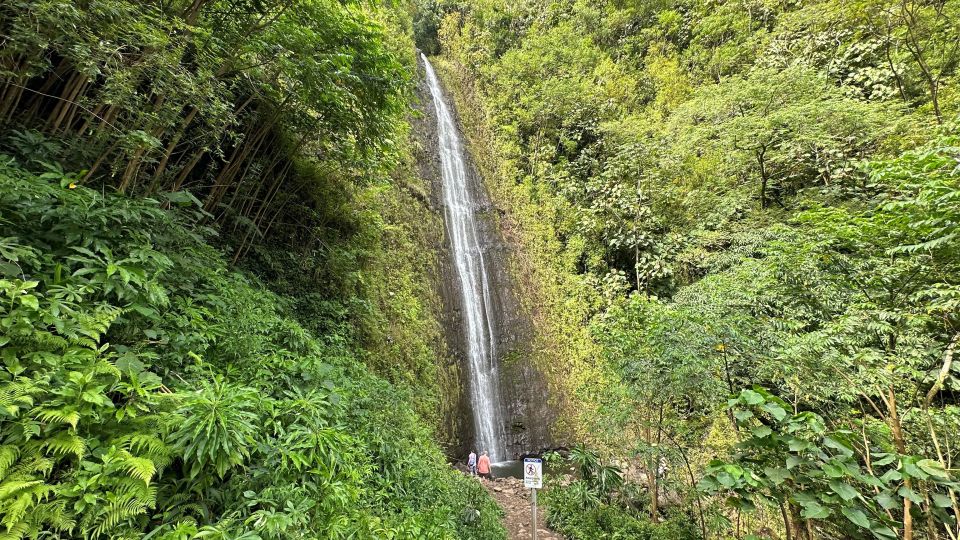
- Rainforest trail to a movie-recognizable waterfall: it’s the Mānoa Falls vibe, not just a scenic stop
- Guides who manage the details: water, snacks, and a plan for the hike time
- Hike time can swing with mud: expect about 1–2 hours on the trail depending on conditions
- Bug spray is smart: bring it, especially if it’s damp
- Lunch is part of the day: you’re not just hiking and hoping to find food afterward
Riding Out of Waikiki: From Kūhiō Beach to Your First Views
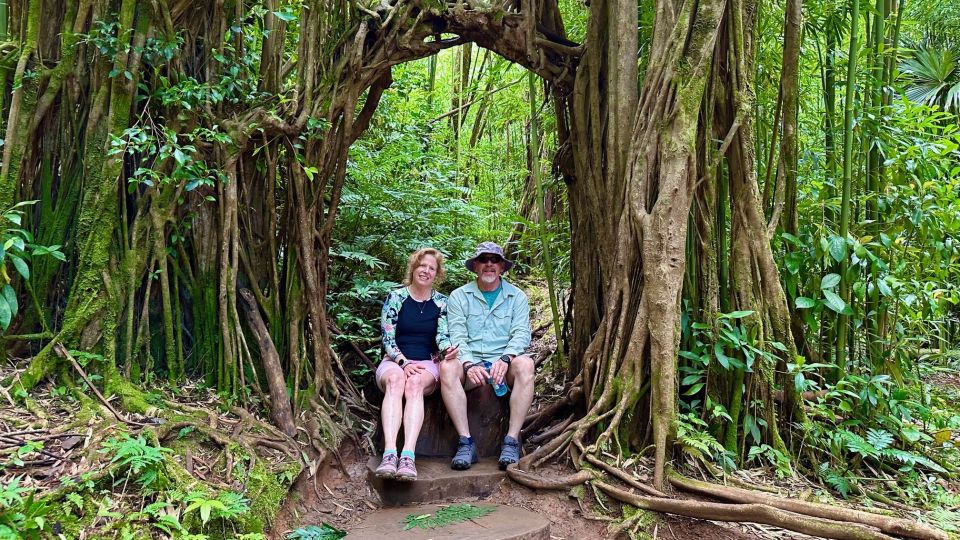
The tour’s meeting point is in Waikiki by the Kūhiō Beach Hula Mound/Banyan Tree area—near the beach bike racks, across Kalakaua Ave from the Hyatt Regency Waikiki Towers. Look for a guide in a green Bike Tour Hawaii T-shirt. Once you’re matched up with your e-bike, you’re ready to roll without the stress of traffic and directions.
That first ride segment is about getting your bearings fast. You’ll cover around 1.5 hours of biking in Honolulu before you shift your focus to the valley and the waterfall hike. This matters because it sets the tone: you’re not starting the day already tired. The e-bike handles a lot of the climbing work, so you can enjoy the scenery and learn what you’re seeing.
One detail I really appreciate: the bike setup uses a communication system. When you’re in a group, that kind of setup helps you stay together and understand what’s happening next. You won’t be playing guess-the-leader every few minutes.
You can also read our reviews of more cycling tours in Honolulu

The Waikiki-to-Manoa Transition: Microclimates You Can Feel
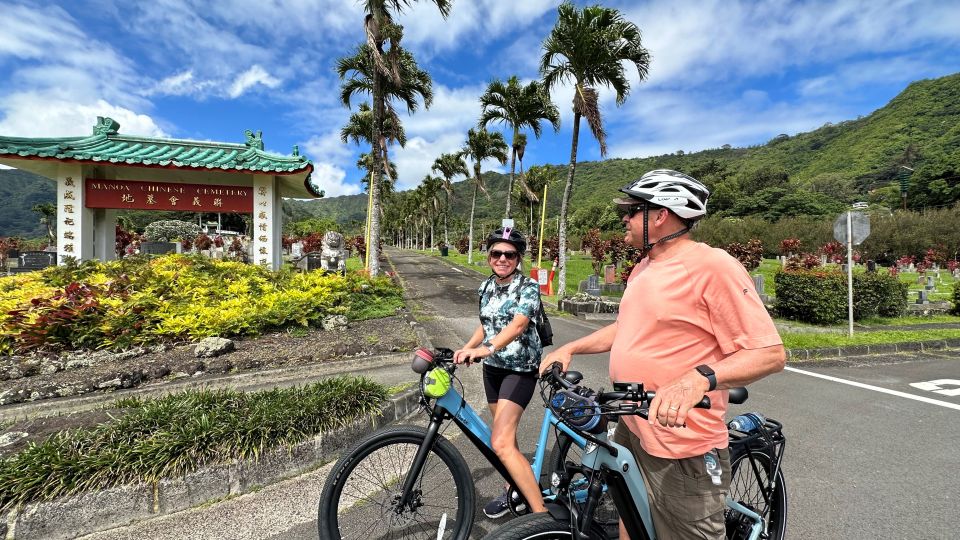
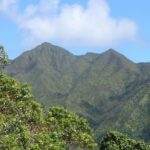
As you move toward Mānoa Valley, the day changes. Hawaii can do this fast: you can start in bright ocean air and gradually feel the air turn cooler and wetter as you gain elevation. The tour leans into that with the route choice—so you’re not just biking somewhere and then hiking randomly. You’ll be riding through mānoa valley multi-micro climates as you ascend.
The e-bike portion includes a climb of about 390 feet (as described for the biking effort). That number sounds small on paper, but in the real world it’s a steady uphill push. The good news is that the electric assist makes the difference between a strenuous slog and a comfortable ride where you can still look around.
You’ll also get time to watch for local nature. You’re in a place with real ecological “activity,” not just pretty plants. If you’re the kind of person who notices birds or pays attention when something moves in the undergrowth, this portion will reward you.
And yes, there’s a cultural angle to this area. The tour includes context around ancient Hawaiian culture, which helps explain why the waterfall trail is more than just a hike-with-photos stop.
Approaching Mānoa Falls by Foot: Distance, Elevation, and Real Conditions
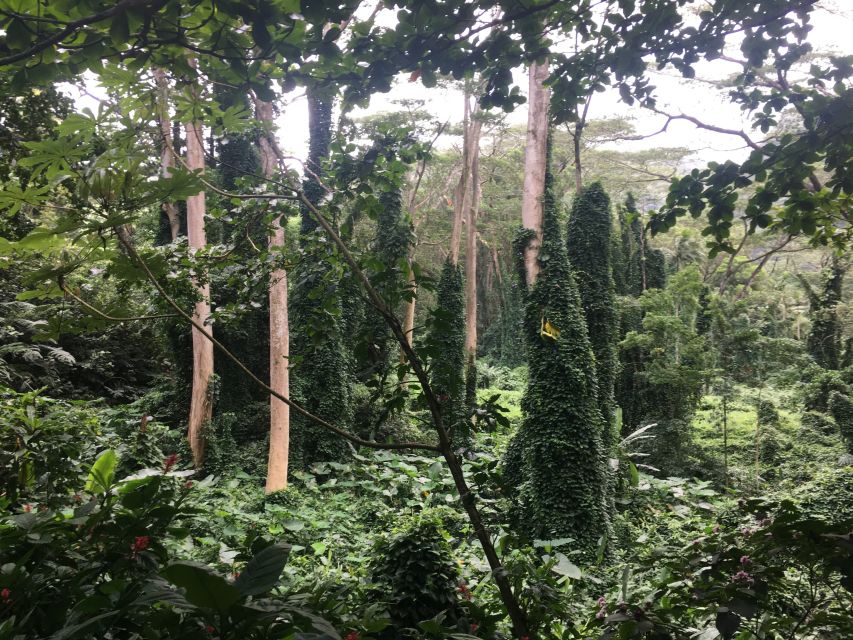
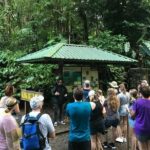
Once you reach the trail area, the tour shifts from e-bike cruising to rainforest hiking. The goal is Mānoa Falls, reached along a picuturesque rainforest trail that’s been used in several movies. If you’ve seen shots of Mānoa Falls on screen, you’ll likely recognize the look of the path and the surrounding greenery.
The hike is often called easy, but here’s the honest part: easy doesn’t mean gentle underfoot. The trail can be slippery when wet. If it’s raining or the ground has been getting damp, expect slick stones and a surface that doesn’t forgive rushed steps.
How long should you plan for? The hike commonly runs about 1–2 hours depending on how muddy the trail is, how fit you are, and how long you linger at the falls. That timing matters because the entire tour is about 4 hours total, so you’ll want to move steadily but not sprint.
Distance and elevation have a couple different measurements depending on how the day is described:
- The hike includes a climb of about 3/4 mile up into the valley with roughly 330 feet of elevation gain through the rain forest.
- The overall effort to the falls area is also described as 1 mile with about 800 feet of elevation gain.
In plain terms, you’re doing an uphill valley walk in rainforest conditions. The e-bike gets you close; the trail does the rest. Wear hiking shoes if you have them. Comfortable shoes work only if they still have traction.
Rainforest Trail Reality Check: Slips, Mud, and Pace Control
This is where your guide earns their keep. A good guide doesn’t just point; they manage pacing, regrouping, and where you place your feet on wet sections. One of the biggest practical reasons to do this with a guide is that rainforest trails can go from manageable to annoying quickly when it’s muddy.
The tour is set up as a guided hike (about 1.5 hours guided time), which gives you enough structure to avoid wasting energy. Guides help you find the best rhythm: steady steps on slick parts, short pauses when needed, and enough time to enjoy the waterfall without turning it into a timed race.
In one write-up from the UK, the guide was very informative, and the falls were beautiful. The one clear takeaway for me: bring bug spray. In damp rainforest settings, that’s not overkill—it’s just smart.
Another note from the group experience: rainfall can change what you see at the waterfall. Even when the hike is still gorgeous, the falls can be a smaller trickle if recent rain has been light. You’re going for the setting and the atmosphere as much as the water volume.
Time at Mānoa Falls: Photos, Movie-Familiar Views, and a Quick Reset
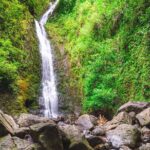
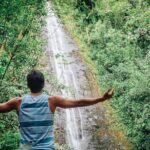
When you finally reach Mānoa Falls, you get the payoff. The trail is famous enough that it’s shown in multiple movies, but what really sells it is how the whole area feels like it belongs to another climate and another pace. The rock, the humidity, the green walls of the valley—this is the real thing.
Plan to linger. That’s partly because the water scene is photo-friendly, and partly because you’re already working uphill. If you need a reminder to slow down, this is the stop that helps.
One of the strongest highlights from real experience: the guide took over 100 pictures for a family group, then shared them so they didn’t have to worry about constantly swapping devices or missing shots. That kind of support is more than a nice extra. It turns the waterfall stop into something you can actually enjoy with your people, rather than doing a one-arm selfie shuffle.
If you’re visiting when rainfall has been minimal, don’t be surprised if the falls look lighter than the biggest postcard images. The hike still feels worthwhile because the trail itself is the show—this is a rainforest walk that happens to end at a waterfall.
You can also read our reviews of more hiking tours in Honolulu
The Honolulu Food Break: Regional Stop That Keeps the Day Balanced
After your waterfall time, you’re back in Honolulu rhythm. There’s a regional food stop of about 35 minutes, and lunch is included. This is a smart part of the itinerary because it prevents the classic Hawaii problem: you’ve climbed and sweated, and then you end up eating something random and expensive.
Because the food is included, you can focus on what matters—good local flavor—without needing to navigate menus while tired. It also breaks up the remaining short ride segments without feeling like dead time.
Then you head back with another short biking segment (around 10 minutes) before you return to the original meeting area at the Kūhiō Beach Hula Show.
What You’re Really Paying For: Value at $169 Per Person
At $169 per person for a 4-hour outing, the value comes from what’s included:
- Electric bicycle
- Helmet
- Snacks
- Lunch
- Cold water
- Park entry
Add in the small group size (up to 6) and the fact you get a live guide in multiple languages (English, German, Korean, Japanese). That’s part of why this feels like an organized day rather than “rent a bike and hope for the best.”
The big trade-off: you’re not getting hotel pickup/drop-off. You should be prepared to get yourself to the meeting area by Waikiki Beach/Kūhiō Beach Hula Mound zone. If you stay in Waikiki, that’s usually easy. If you’re elsewhere on Oahu, you’ll need to factor in getting there.
Also, because the tour includes both biking and a real hike, it’s not priced like a casual stroll. But you’re also not paying separately for gear, water, park entry, snacks, and lunch. For many people, that bundle adds up to a better deal than piecing it together.
Who This Tour Fits Best (and Who Should Skip It)
This tour is a great match if you want a healthy family-style activity that still feels like an adventure. The e-bike makes the ride approachable, and the guided hike keeps it from becoming a stressful navigation problem.
It also works well if you like learning. The guide isn’t just escorting; they’re sharing useful info about what you’re seeing, including local fauna and cultural context. One review highlighted how informative the guide was and praised the pace.
Now, who should skip:
- People who can’t ride a bike
- Height limits: under 4 ft 9 in (150 cm)
- Age: over 80 years
- Pregnant women
- People with mobility impairments
If any of those apply, this is the wrong type of day. The route includes uphill effort and a rainforest trail that can be slick.
Practical Packing Tips: Rain Gear, Shoes, and Bug Spray
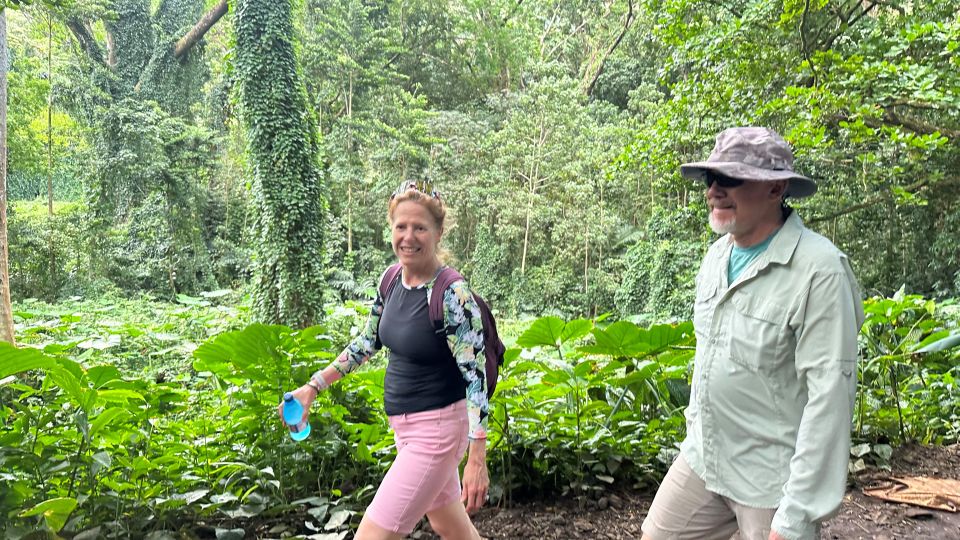
Bring what keeps you comfortable and safe in a rainforest setting:
- Comfortable shoes (traction matters) and hiking shoes if you have them
- Rain gear
- Expect possible rain
The tour also provides disposable rainwear for guests, which helps a lot. Still, don’t rely on that alone. Bring shoes that can handle wet surfaces and stay stable.
Bug spray is a big one. A guide might provide a smooth, informative day, but bugs show up when the rainforest is doing rainforest things. If you’re sensitive to bites, pack repellent and apply it before you hit the trail.
Finally, bring a basic attitude for muddy conditions: slower steps win. If the trail is slick, the best move is to go steady and let the guide set the pace.
Should You Book This Mānoa Falls eBike to Hike Tour?
I’d book it if you want a smart mix of Waikiki riding + a guided rainforest hike to Mānoa Falls without having to plan gear, entry, or meal stops. The small group size, included lunch/snacks/water, and the guided support make it feel like a complete day out, not a rushed checklist.
I’d hesitate if you’re worried about slippery trails or you’re not confident on a bike. Also, if you’re expecting postcard-level roaring waterfall every time, remember water volume can vary with recent rain. You’re still going for the rainforest trail and the famous setting, not just a guaranteed heavy flow.
If you like your Hawaii days active but not exhausting, this one fits.
FAQ
How long is the Mānoa Falls eBike to Hike tour?
The tour duration is listed as 4 hours total.
What’s included in the price?
The price includes an electric bicycle, helmet, snacks, lunch, cold water, and park entry.
Where do I meet the tour guide in Waikiki?
Meet near Waikiki Beach / Kūhiō Beach Hula Mound / Banyan Tree area, across Kalakaua Ave from the Hyatt Regency Waikiki Towers. Look for a guide in a green Bike Tour Hawaii t-shirt near the bike rack.
Is the hike to Mānoa Falls difficult?
The trail is considered easy, but it can be slippery when wet. The hike takes about 1–2 hours depending on mud, fitness, and how long you spend at the waterfall.
What should I bring for the trail?
Bring comfortable shoes or hiking shoes and rain gear. Disposable rainwear is provided if needed.
What languages do the guides speak?
Guides are listed as speaking English, German, Korean, and Japanese.
What’s the cancellation policy?
Cancellation is free up to 24 hours in advance for a full refund.