REVIEW · CANOES & KAYAKS
Private Outrigger Canoe Surfing Experience
Book on Viator →Operated by Hana Ke Kai Ocean Adventure Co. · Bookable on Viator
Surfing from an outrigger canoe feels truly different. You start on land with hands-on instruction, then get guided coaching to paddle at the right moments through real surf. It is also a private outing, so your group gets attention and course-corrections instead of feeling lost.
Two things I like a lot: the on-land equipment training so you understand what you are handling before you’re in motion, and the wave-riding coaching that helps you actually catch and stay with waves instead of just trying to survive them. One consideration: this needs moderate physical fitness and good weather, so if conditions are rough or you feel unsure about swimming/handling water gear, this is not the best match.
In This Review
- Quick Take: The highlights you’ll care about most
- Arriving at Magic Island and getting oriented on Oahu’s coast
- On-land training: learning your outrigger canoe before the surf
- Reading the day: wind, water, and obstacle awareness
- The first time you paddle: technique that helps you catch waves
- Surfing rhythm: about one hour of wave riding
- The Diamond Head and coastal-view factor (and why it’s more than sightseeing)
- Wildlife moments: what you might see around the waterline
- Photos, snack, and the post-surf wrap-up
- What to bring (and what not to forget)
- Who this private outrigger surf experience suits best
- Weather dependence: why the ocean calls the shots
- Value and the private-guide difference
- Should you book this private outrigger canoe surf session?
- FAQ
- What is the duration of the private outrigger canoe surfing experience?
- Where does the tour start and end?
- What happens before you go into the water?
- Who steers the canoe while you surf?
- How long do you spend surfing?
- What’s included in the tour?
- What should I bring since sunscreen and swim gear aren’t included?
- Is the tour private and offered in English?
- What if weather is bad on the day of the tour?
Quick Take: The highlights you’ll care about most
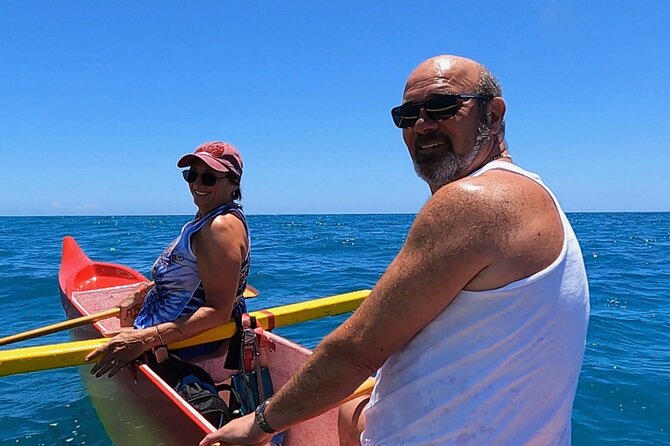
- Private instruction with your own guide attention from start to finish
- On-land setup training for canoe, paddle, and rudder use
- Coaching timing so you paddle when the wave is coming, not whenever
- About one hour of surfing after you build confidence on shore
- Photo help and a small snack when you’re back on land
Arriving at Magic Island and getting oriented on Oahu’s coast
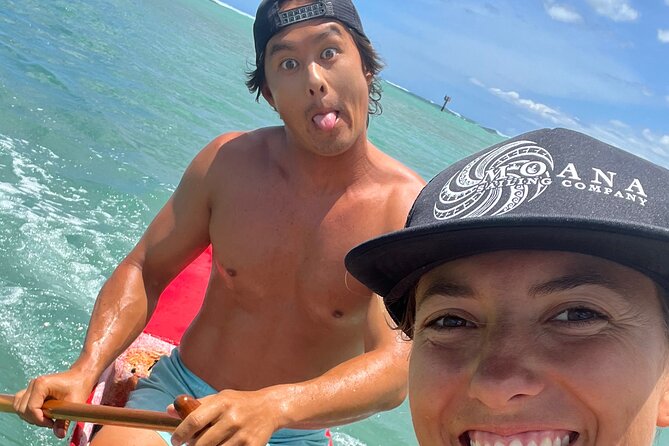
Your experience starts at Magic Island in Honolulu, and you’ll meet at a predetermined location from there. From the start, the vibe is practical: the guide gets you geared up and ready, then shifts quickly into teaching. This matters because outrigger canoe surfing is not a casual “watch and copy” activity.
You’ll be given English instruction and a clear sense of what happens next. The tour runs around two hours total, and that time is intentionally packed with both learning and riding. If you want action without a long day of waiting, this format is a good fit.
You can also read our reviews of more private tours in Oahu
On-land training: learning your outrigger canoe before the surf
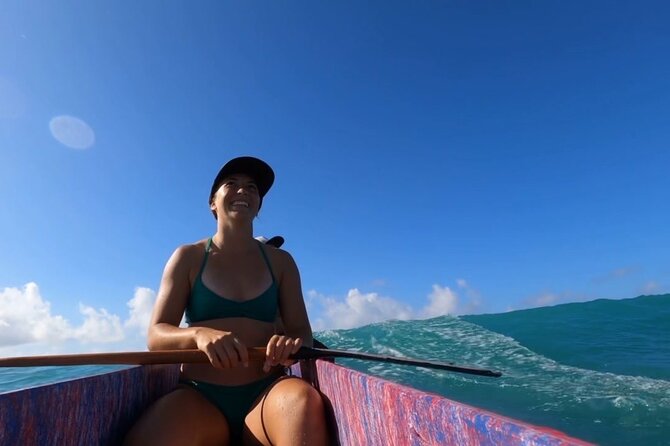
Before you hit the water, you’ll get instruction on how to set up, maintain, and use the equipment. That includes the canoe itself, the paddle, and the rudder. Even if you’ve never touched any of this before, the lesson is built to get you comfortable fast.
Here is what I think is most valuable about this part: you learn the “why,” not just the “do this.” When you understand how the paddle works and what the rudder is for, you stop guessing once the boat is moving. You also get a reality check on your own physical capacity and experience.
The guide will talk about current weather conditions and also your comfort level. That means the coaching isn’t generic. If you are brand-new, you get basics and pacing. If you have more experience, you still get technique reminders, but the guide can push you toward cleaner paddle habits.
Reading the day: wind, water, and obstacle awareness
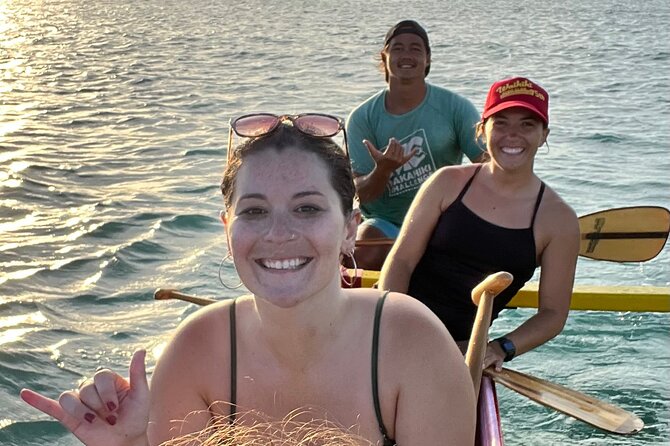
Once the plan is explained, the guide moves from equipment to ocean reading. You’ll get a quick but important tour of what to expect with weather, wind movement, and surf behavior. In other words, you’ll learn how the ocean is likely to act today.
Then comes the part that makes the difference between a fun ride and a stressful one: your guide points out obstacles to be aware of. That could be anything in the surf zone that affects where you should aim or how you should time your paddling. It is the kind of information you cannot “figure out” on your own from the shore.
Most of the time, the guide steers the canoe. Your job is to take direction about when to paddle and how hard to paddle to catch a wave. That structure keeps the ride safer and more enjoyable, especially for first-timers.
The first time you paddle: technique that helps you catch waves
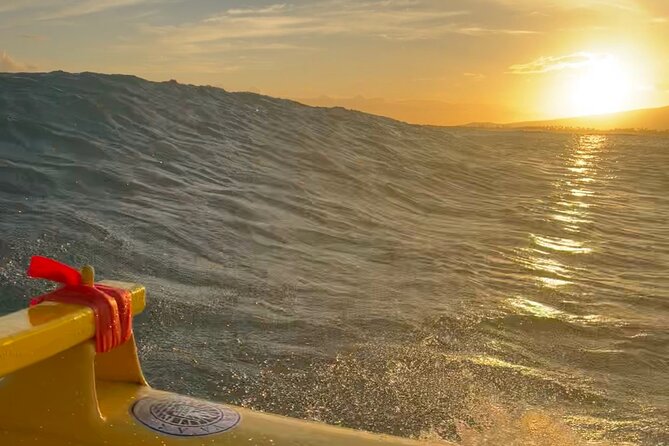
On the water, the coaching gets more hands-on. You’ll receive guidance about paddle technique, and your guide will watch your form and adjust what you do. The goal is simple: paddle in a way that helps the canoe position correctly as a wave approaches.
Your guide also shares observations about what the water is doing at that moment. That might mean noticing the speed of the set, how the wave is shaping, or how wind is affecting the canoe’s angle. When the guide says go, it is because the ocean conditions line up with your chance to catch the wave.
One subtle point I appreciated: because the guide is steering, you can focus on your paddling instead of worrying about steering decisions. That makes your efforts more effective, and it reduces the mental load for someone new to surf.
Surfing rhythm: about one hour of wave riding
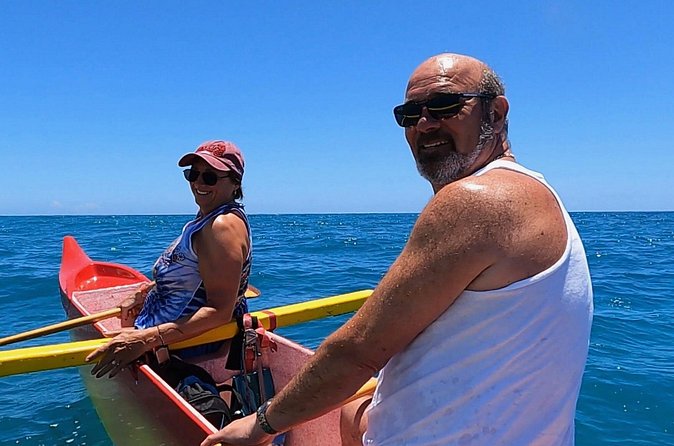
You’ll spend around one hour surfing before returning to shore. That is enough time to feel real momentum and start understanding the rhythm of catching waves. It also means you avoid the common vacation trap of spending most of the day “waiting your turn.”
If you get the timing right, you’ll feel the wave do the work. The canoe gets picked up and pushed along, and suddenly the surf is not something you fight—it becomes propulsion. It is thrilling in the way that makes you laugh, not in the way that makes you white-knuckle every moment.
And yes, it’s normal for the first waves to feel like learning. You might catch a first wave, then refine your paddle cadence for the next one. If the ocean is cooperating, your session can build momentum quickly—more waves, more confidence, more smooth turns.
You can also read our reviews of more tours and experiences in Oahu
The Diamond Head and coastal-view factor (and why it’s more than sightseeing)
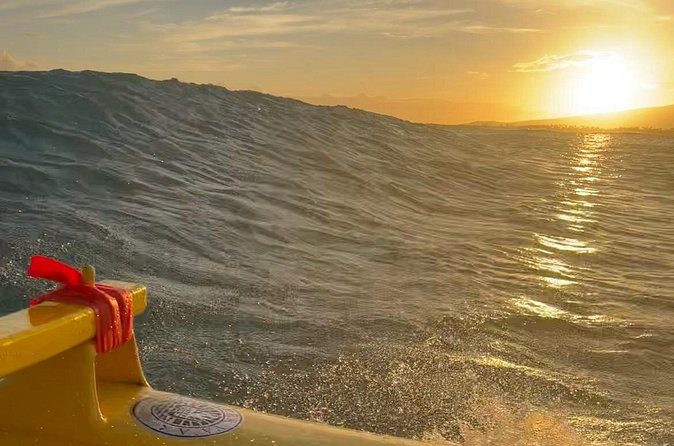
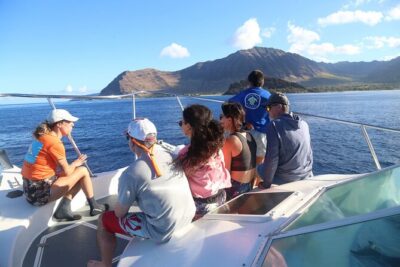
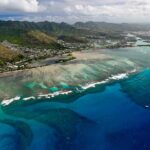
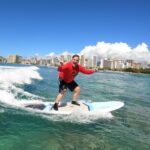
Oahu’s shoreline looks dramatic from a distance, but it hits different from the water. On this kind of surf outing, you often get a unique view of landmarks because you’re positioned on the water rather than the beach.
In one of the experiences I drew from, the group got a view of Diamond Head during the ride out. That same outing also included a calmer moment leaving the beach area near Hickam Field, which is roughly a 30-minute drive from Waikiki. You get more than ocean time—you get a sense of the coastline and city edge.
There’s also a history-and-place element that can show up during the ride to the launch area. In that same experience, the group noticed visible scars on some buildings from World War II raids and saw F-22 fighter jets overhead. Even when those specific sights are not guaranteed, the point stands: you’re seeing Hawaii in a way that connects water, land, and ongoing daily life.
Wildlife moments: what you might see around the waterline
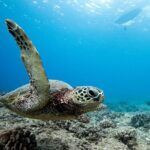
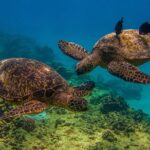
One of the most memorable parts of an ocean outing is the chance of wildlife. During one outing tied to this style of experience, the group spotted three turtles on the way out. You cannot treat that as a promise, but it is a good reminder that this is a living ocean, not a theme park.
If you notice wildlife, the best move is to stay calm and follow your guide’s instructions. Don’t chase angles or sudden movements that could distract you from safe paddling. Think of wildlife as a bonus, not a target.
Photos, snack, and the post-surf wrap-up
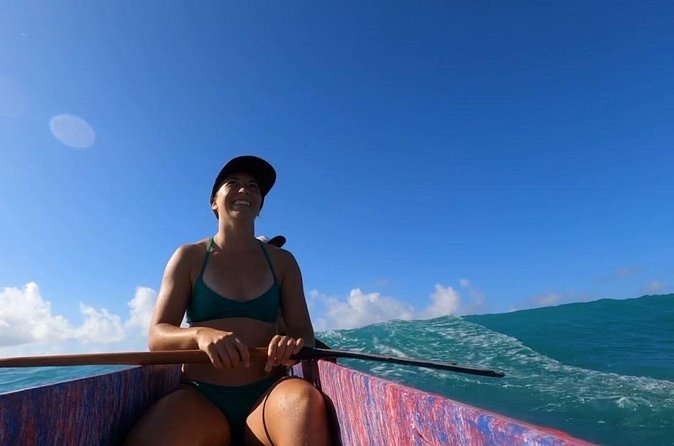
Back on land, the guide offers a small snack and helps with photos. This matters more than it sounds. Surf sessions blur by fast—so having help with photos means you actually end up with proof that you did the thing.
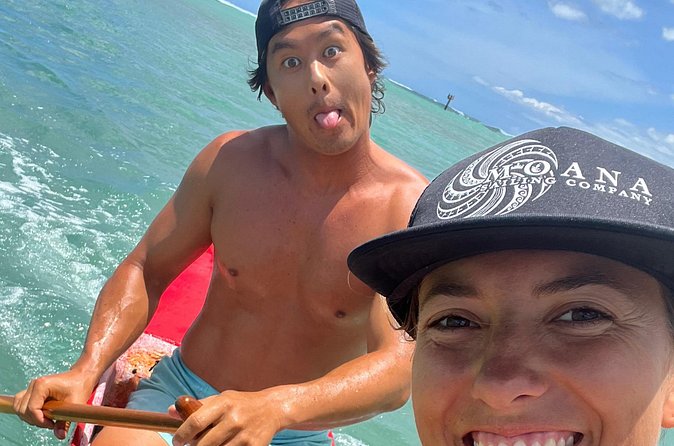
There is also time for questions. If you’re curious about outrigger canoes, surfing, or just how life works on Oʻahu, you’ll likely get friendly answers. In one experience, the guide duo—Sara and Hanalei—felt more like ohana than a distant tour script, with conversation that went beyond the checklist.
That personal touch is part of the value here. When you feel comfortable, you listen better during instruction—and you end up safer in the water.
What to bring (and what not to forget)
The essentials are mostly handled for you—outriggers, paddle, lifejacket, water, and a small snack are included. You do need to think about what will keep you comfortable.
Bring:
- Sunscreen (not included)
- A hat (not included)
- Swimming attire (not included)
Also, wear something you can move in and that dries reasonably fast. If you’re unsure about what to wear, choose simple, practical gear. This is water time, not a fashion show.
Who this private outrigger surf experience suits best
This tour fits best if you want active learning with real coaching. If you’re the kind of traveler who gets frustrated by vague instructions, you’ll probably love the structure here: on-land setup, then guided paddling and wave timing.
You should have moderate physical fitness. You’ll be paddling, balancing, and responding to instructions in moving water. If you can handle that and you’re comfortable being in the ocean, you’ll likely have a great time.
It is also a strong choice for people who want something more authentic than sitting on a beach. You are actively participating in Hawaii’s ocean environment. You also get a private group format, which usually means less confusion and more attention on technique.
If you prefer high adrenaline without the risk of feeling unprepared, this is one of the better ways to do it—because the guide steers and teaches you how to contribute.
Weather dependence: why the ocean calls the shots
This experience requires good weather. If conditions are not suitable, you’ll be offered a different date or a refund. That’s not a downside so much as a safety reality: ocean sports depend on wind, wave size, and water conditions.
So when you book, think of it as a plan that follows the day. If your schedule is flexible enough to swap dates, you’ll improve your odds of getting a session that matches your expectations.
Value and the private-guide difference
The best part of this experience isn’t just the wave riding. It’s the way you get there.
Because it’s private, your guide can:
- adjust the instruction to your physical capacity and experience
- watch your paddle technique and correct quickly
- steer most of the canoe work while you focus on catching waves
And because gear and water are included, you’re not spending your time chasing rentals or figuring out equipment compatibility. You get to show up, learn, ride, and then wrap up with a snack and photos. That is solid value for travelers who want memorable ocean time without extra logistics.
Should you book this private outrigger canoe surf session?
Book it if you want hands-on coaching, a real shot at riding waves (not just watching), and a private setup that keeps the experience personal. It’s ideal when you’re comfortable with the idea of moderate fitness and you are okay letting the ocean and weather guide the details.
Skip it if you know you’re not comfortable with open water or you prefer low-activity tours. Surfing in any form asks you to participate physically, and this one asks you to paddle at the right moments to help the canoe catch waves.
If you’re the right fit, this is the kind of Oahu activity that turns into a story you keep telling.
FAQ
What is the duration of the private outrigger canoe surfing experience?
The experience lasts about 2 hours total, including instruction, time on the water, and returning to shore.
Where does the tour start and end?
It starts at Magic Island, Honolulu, HI 96815, USA, and ends back at the meeting point.
What happens before you go into the water?
You meet for on-land instruction where the guide explains how to set up, maintain, and use the equipment, then reviews current conditions and basic maneuvering through surf.
Who steers the canoe while you surf?
In most cases, the guide is in charge of steering, and you follow directions about when and how hard to paddle to catch waves.
How long do you spend surfing?
You spend around 1 hour surfing before returning to shore.
What’s included in the tour?
Included are the outrigger canoe, paddle, lifejacket, water, and a small snack.
What should I bring since sunscreen and swim gear aren’t included?
Bring sunscreen, a hat, and swimming attire.
Is the tour private and offered in English?
Yes. It is a private tour/activity with only your group, and it is offered in English.
What if weather is bad on the day of the tour?
This experience requires good weather. If it’s canceled due to poor weather, you’ll be offered a different date or a full refund.