REVIEW · HALEIWA
Oahu: Beginner Group Surf Lesson on North Shore
Book on GetYourGuide →Operated by North Shore Banzai Surf School · Bookable on GetYourGuide
Surfing on the North Shore is a lot more doable than it looks. This beginner group lesson at North Shore Banzai Surf School is built for first-timers, with a small crew size and patient coaching from Keoni and Kalani Nozaki. What I like most is how the session focuses on core mechanics early, then gets you back in the water quickly for practice. The other big win is the small group capped at 8, so you don’t spend the whole lesson watching.
One thing to consider: you’re not getting picked up, and there’s no time buffer for late arrivals. Show up ready to move, because this is a 2-hour block that can leave you good and tired by the end.
In This Review
- Key things that make this surf lesson work
- First Paddle on the North Shore: what you’ll actually be doing
- Meeting near Haleiwa: your game plan before check-in
- Gear and safety: the part that makes beginners comfortable
- The core skills: paddling and standing up the way beginners need
- Time in the water: how you get lots of wave time in a group
- North Shore Banzai instructors: what Keoni and Kalani add to the experience
- Who this is best for on Oahu
- When you should sit this one out
- Price and value: is $125 per person a fair deal?
- What to bring (and the small stuff that matters)
- My take: should you book this beginner North Shore surf lesson?
- FAQ
- How long is the beginner group surf lesson?
- What ages can participate?
- Where do we meet?
- Is pickup included?
- What’s included in the lesson?
- What should I bring?
- How large is the group?
- Is the instruction offered in English?
- Can I cancel, and can I pay later?
Key things that make this surf lesson work
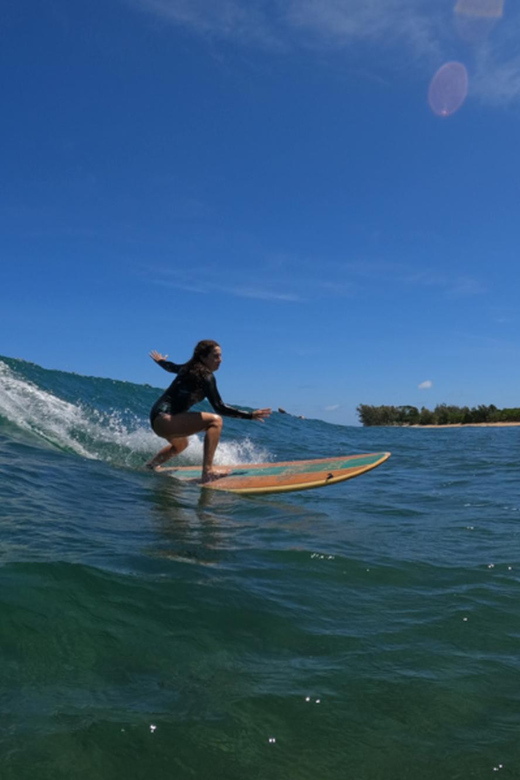
- Real beginner coaching: you start with paddling and the pop-up, then you practice immediately
- Certified instructors with long teaching experience: Keoni and Kalani guide you step-by-step
- Small group format (up to 8 people): enough eyes on you without feeling rushed
- Board and rash guard provided: you’re not juggling extra gear
- Lots of wave time: the goal is to catch, stand, and learn through repetition
First Paddle on the North Shore: what you’ll actually be doing
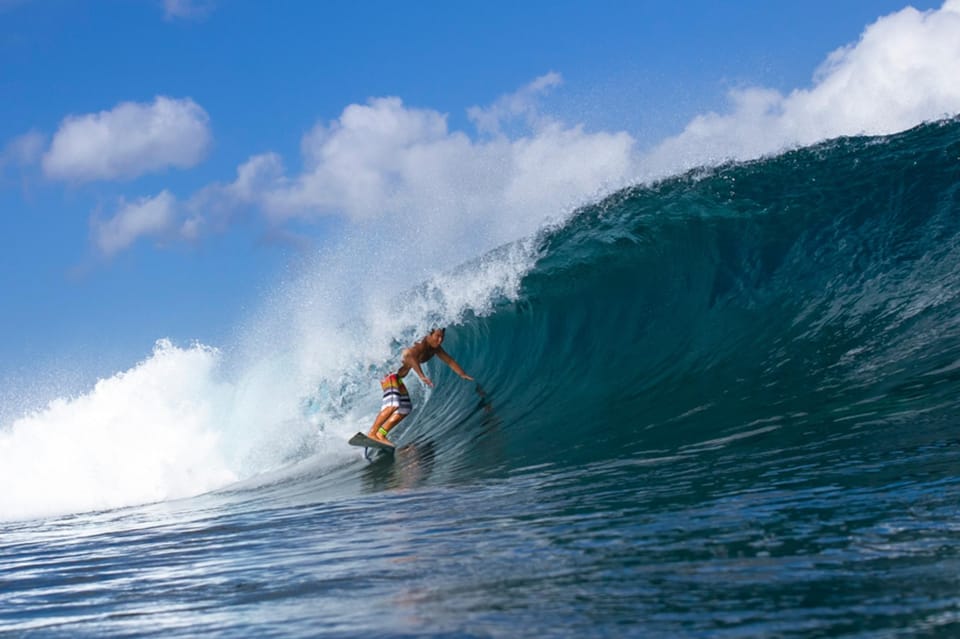
This is a beginner group surf lesson on Oahu’s North Shore, aimed at ages 6 and up. The vibe is straightforward: you learn the basics, you get outfitted, and then you spend the session practicing until your body starts remembering the steps. The North Shore is iconic for a reason, but the lesson is organized so you’re not thrown in at the deep end without support.
The structure is the big reason this works for beginners. You’ll get a safety briefing first, then you’ll work on paddling and standing up with instructor guidance. After that, you’re in the water more than you’re on land, which is exactly what you want as a first-timer. Surfing is physical, and skill comes from doing, not from a long lecture.
There’s also a clever flexibility built in. If you book as a single participant, the lesson can be reduced to 1 hour to allow more personalized attention. That’s useful if you’re the type who wants faster feedback or you learn best with tighter coaching.
You can also read our reviews of more tours and experiences in Haleiwa.


Meeting near Haleiwa: your game plan before check-in
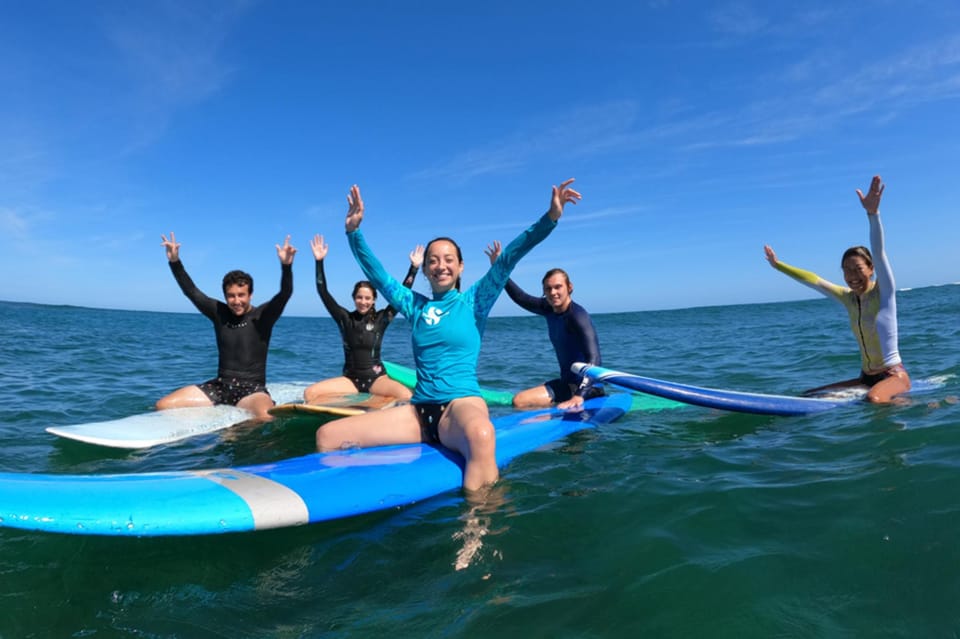
You meet in the parking lot close to the beach, near Haleiwa. No pickup is included, so you’ll want your own ride and you’ll want to be on time. The check-in window matters here: arrive 5–10 minutes early so you can get suited up and not feel rushed when it’s time to head out.
What I’d do in your shoes: plan to park, take a quick breath of beach air, and then get settled with your towel and swimwear. Once you start, you’re moving through the session quickly, so arriving early lets you start calm instead of scrambling.
Language is English, so communication is easy. That matters a lot for beginners, because tiny corrections—like how to angle your paddle or where your feet should land—make the difference between standing and face-planting (the learning kind, not the scary kind).
Gear and safety: the part that makes beginners comfortable

This lesson provides a surfboard and also includes a rash guard. You just bring comfortable swimwear and a towel. Having the rash guard helps with sun exposure and friction, and it also makes you feel more protected while you’re learning.
Before you hit the water, you’ll go through a safety briefing. The instructors keep it practical: how to move around with a board, how to paddle effectively, and how to understand the water so you can surf with confidence. This is where experienced teachers earn their keep. When you’re nervous, clear instructions reduce the mental noise, and you start learning faster.
If you’re traveling with kids, pay attention to the tone you’re given. This is designed as a safe and fun environment for ages 6 and up, so the goal is confidence, not intimidation. That matters for first-wave success, because hesitation can kill momentum.
The core skills: paddling and standing up the way beginners need
A beginner surf lesson lives or dies on the first technical skill you learn. Here, the instruction sequence is designed around what your body needs to do in order.
You’ll practice:
- Paddling: learning how to move efficiently so you don’t burn out too fast
- Getting to your feet: the pop-up mechanics that turn a lying position into a standing one
- Timing: coordinating your movement with the wave so you’re not guessing
One of the most helpful themes from feedback is how instructors give specific tips to help you paddle better and save energy. For example, there’s guidance that focuses on paddling technique so you use less effort to get into position. That’s huge. Beginners often assume they just need stronger arms, but surf success is often about efficiency.
You’ll also be taught in the moment. During your practice, instructors watch what your body is doing and adjust small things. That’s how you go from wobbling to actually standing on a wave. It’s also why a small group setup matters: if you’re in a group that’s too big, feedback gets delayed. Here, there are enough eyes on you to catch issues early.
Time in the water: how you get lots of wave time in a group
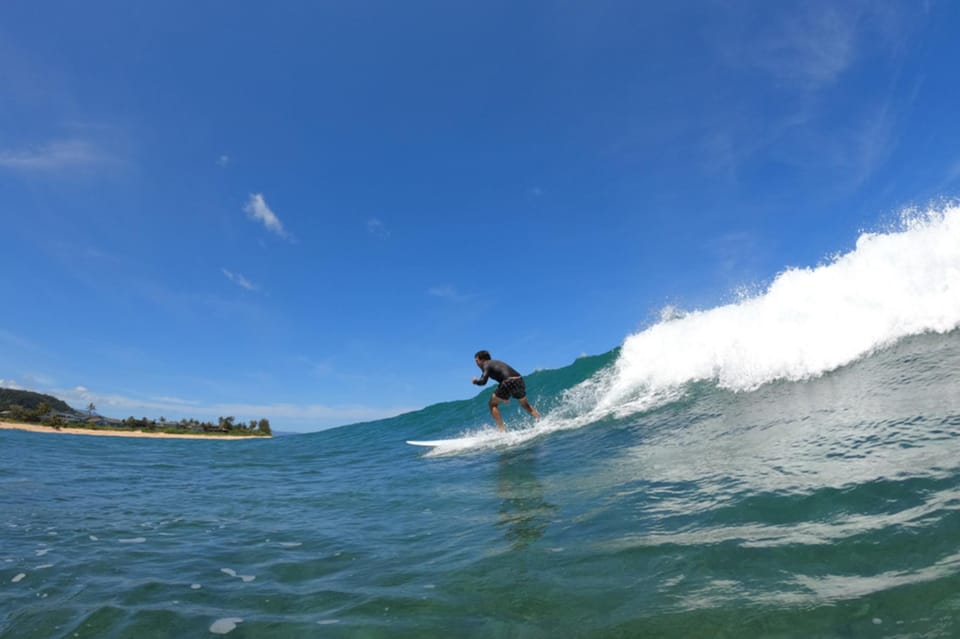
After the basics, you spend the bulk of the session in the water. The coaching continues as you practice riding. The instructors are actively involved while you’re out there, so you’re not just waiting your turn.
The small group limited to 8 participants is a big deal. In a larger class, it’s easy to spend time watching or waiting. In this format, you get more consistent practice. The lesson is built for repetition: paddle, try, get feedback, try again.
And there’s a useful detail: if you’re the only participant in your time slot, you may get a more focused session. One person experienced an effectively more exclusive 1-to-1 style hour. Even if you’re in a normal group, the mindset stays the same: you should feel like the instructor is coaching your body, not just giving general advice to everyone.
In terms of real outcome, a common story in feedback is that people finish worn out but happy. That makes sense. Surfing is cardio plus balance plus timing. You’ll likely feel it in your legs and core the next day, even if you only catch a few waves.


North Shore Banzai instructors: what Keoni and Kalani add to the experience
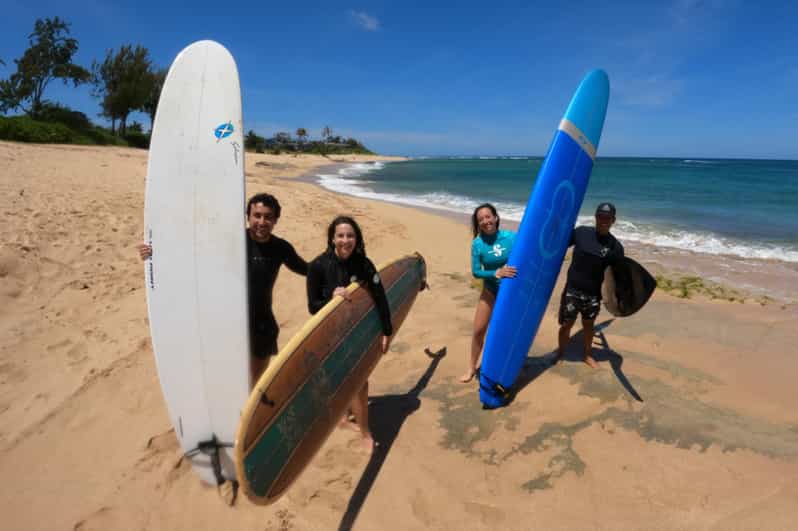
North Shore Banzai Surf School is locally owned, and the teaching team includes Keoni and Kalani Nozaki. What I look for in surf instruction is patience and clarity, because beginner errors are predictable. You’ll likely do the same few mistakes early on: wrong foot placement, slow pop-up timing, and paddling that uses too much effort.
From feedback, the standout quality is how friendly and helpful the coaching feels. One instructor approach highlighted is consistent guidance while you paddle, so you can conserve energy and set yourself up better. Another theme is patience, especially when teaching youth and first-timers.
That’s also why this lesson tends to work well for families. Kids learn fast when they feel safe and supported, and when the coaching is specific enough that they can understand it without overthinking. There’s also a good chance you’ll see a mix of ages in the group, since it’s ages 6 and up, but the teaching style is kept beginner-friendly.
Who this is best for on Oahu
This is a great match if you:
- Want a first surfing experience without needing prior skills
- Prefer a small group where you’ll actually get coached
- Have friends or family traveling with you and want an easy, shared activity
It’s especially attractive for families with older kids (6 and up). A lesson this size can work well for teens too, because they can focus on learning the mechanics rather than getting overwhelmed by water pressure.
If you’re an experienced surfer seeking a technique overhaul, this may feel basic, but it can still be fun if you want a confidence-building refresher. For most people, though, beginner is the sweet spot.
When you should sit this one out
The lesson isn’t suitable for:
- Children under 6 years
- Wheelchair users
And if you’re physically very limited or not comfortable in the ocean for a full 2-hour session, you might want to consider a different kind of activity. You’ll be in water during the practice portion, and you’ll be moving a lot.
Price and value: is $125 per person a fair deal?
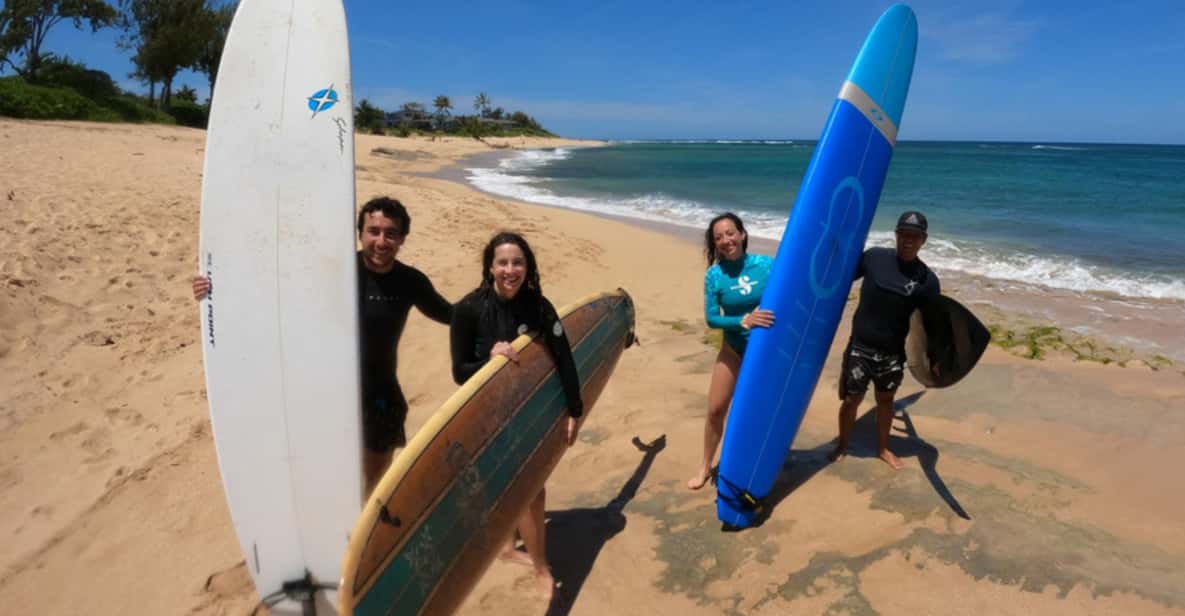
At $125 per person for a 2-hour beginner lesson, this isn’t a bargain-basement deal. But when you break it down, it’s priced like a real instruction experience with meaningful time in the water.
Here’s what you’re paying for:
- Certified instruction from an experienced team (Keoni and Kalani)
- Surfboard and rash guard provided
- A small group size that supports feedback
- A structure that prioritizes practice time
The value is highest if you want to learn efficiently. Beginners usually improve faster when they get corrections in real time, and when they’re not stuck waiting between attempts. That’s exactly what the cap of 8 participants helps deliver.
Also consider the flexibility: if you book as a single participant and it adjusts to 1 hour, the pricing still aims to match the attention level. In other words, you’re not paying for “empty time.” You’re paying for coaching and attempts.
If you’re the kind of traveler who loves hands-on activities where you come away with a story and a skill, this is a strong use of your Oahu time.
What to bring (and the small stuff that matters)
Keep it simple:
- Wear comfortable swimwear
- Bring a towel
- Expect to be wet and moving
Since there’s no mention of food included, plan to eat before or after. The lesson also doesn’t list drinks as included, so bring water if you want it for after the session (especially if you’re going straight into a later activity).
One more practical note: arrive a few minutes early and get checked in. Surf lessons have a rhythm. If you’re late, you may lose setup time and start the session feeling behind.
My take: should you book this beginner North Shore surf lesson?
If you’re new to surfing and you want a setup that respects your time and your nerves, I think this is a smart booking. The combo of small group size, hands-on coaching from Keoni and Kalani Nozaki, and a lesson plan that gets you practicing quickly is exactly what beginners need.
I’d pass only if you’re not comfortable getting to the meeting spot on your own, or if your group includes someone under 6. Also skip it if you’re looking for a casual, “watch from the beach” kind of experience. This lesson is about doing.
On the North Shore, it’s easy to get intimidated. This one keeps it practical: learn the basics, get the coaching in the moment, and keep trying until you feel your first wave turn into a real win.
FAQ
How long is the beginner group surf lesson?
The lesson is 2 hours. If you book as a single participant, the lesson can be 1 hour long.
What ages can participate?
The lesson is suitable for ages 6 and above. It is not suitable for children under 6.
Where do we meet?
You meet in the parking lot close by the beach.
Is pickup included?
No. Pickup is not included.
What’s included in the lesson?
You get a surfboard and a certified instructor. A rash guard is also provided.
What should I bring?
Wear comfortable swimwear and bring a towel.
How large is the group?
The group is small, limited to 8 participants.
Is the instruction offered in English?
Yes, the instructor speaks English.
Can I cancel, and can I pay later?
You can cancel up to 24 hours in advance for a full refund. You can also reserve now and pay later.