REVIEW · CANOES & KAYAKS
Oahu: Mokoliʻi Kayak Rental and Self-Guided Hike
Book on GetYourGuide →Operated by Active Oahu, LLC · Bookable on GetYourGuide
A salty breeze can change your whole mood fast. This self-guided kayak and hike combo on Oʻahu sends you out to Mokoliʻi (Chinaman’s Hat), then lets you land your own pace on a rocky little island with big ocean views and Koʻolau mountain scenery.
I especially liked the clear, no-nonsense rhythm: pick up your kayak right by the beach, paddle out, then hop off and explore on foot. The scenery is the real payoff—Kaneohe Bay and the Koʻolau range look totally different from water level than they do from land.
One thing to plan for: this is not a stroll. The island hike can be slippery and challenging in spots, so you’ll want solid hiking shoes and the willingness to move carefully.
In This Review
- What makes this trip feel worth your time
- Key points to know before you go
- Kayak Out to Mokoliʻi: the view shift that makes it special
- A practical time rhythm that works
- Where you start in Kailua and how the day actually runs
- What you should expect on arrival
- The paddle: wind, currents, and how to stay confident
- Double-seat kayaks can change the feel
- How to read the ocean without guessing
- Mokoliʻi hike: short routes, big views, and real footing
- Bird sanctuary details you’ll actually notice
- Litter: keep the island pristine
- Ocean rules that keep the trip fun (and safe)
- Wildlife viewing without crowding it
- What to bring for comfort and fewer problems
- Why water shoes matter more than you think
- Who this is best for (and who should skip it)
- A quick self-check before you book
- Value check: $82 for a kayak plus a real island hike
- How to decide: should you book this Mokoliʻi kayak-and-hike?
- FAQ
- How long is the Oʻahu Mokoliʻi kayak and self-guided hike?
- Is this a guided tour?
- Where do I pick up the kayak?
- What should I bring?
- What age or size limits apply?
- Is alcohol allowed?
What makes this trip feel worth your time
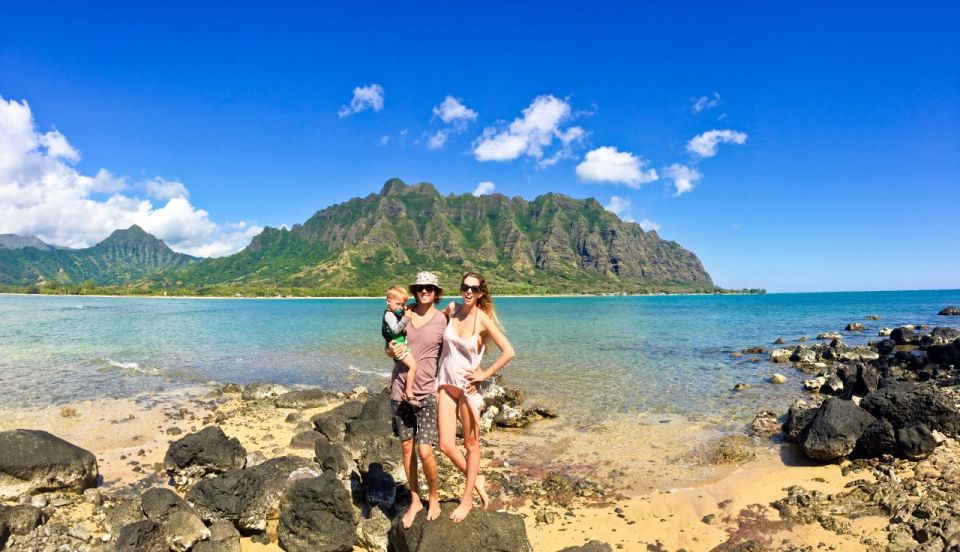
You’re getting two activities that actually connect: ocean paddling plus an island hike that’s short enough to do well, but active enough to feel like you earned the views. And because it’s self-guided, you’re not stuck waiting for a group pace.
I also like that it’s built for real-world Oʻahu conditions. The windward side often has breeze (sometimes very windy), so you’re planning around nature instead of pretending the ocean will behave. That makes the whole outing feel more honest—and the views feel even better when you’ve worked for them.
The main drawback is fit. If you’re not a strong walker on uneven ground, or you don’t do well with wind and changing conditions, the experience can feel more stressful than fun.
Key points to know before you go
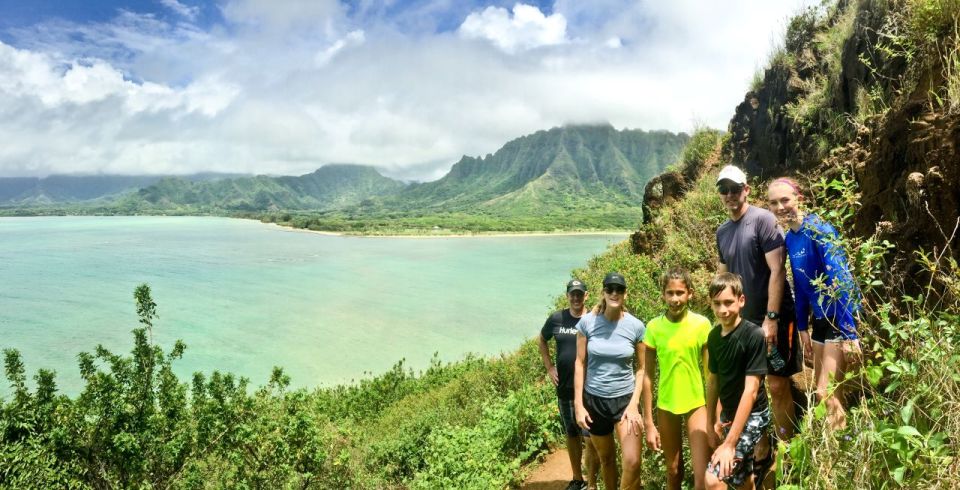
- Windward-side kayaking is usually breezy, with calmer conditions at certain times of year
- Self-guided means no on-island guide, so you need to follow the rules and trail markers
- Gear pickup by the beach saves time and makes the start smoother than most tours
- Mokoliʻi is a bird sanctuary, and springtime can mean lots of young chicks
- Bring the right shoes because some parts can be slippery
- Double-seat kayaks may be part of the setup, and that can help when currents get stronger
You can also read our reviews of more guided tours in Oahu


Kayak Out to Mokoliʻi: the view shift that makes it special
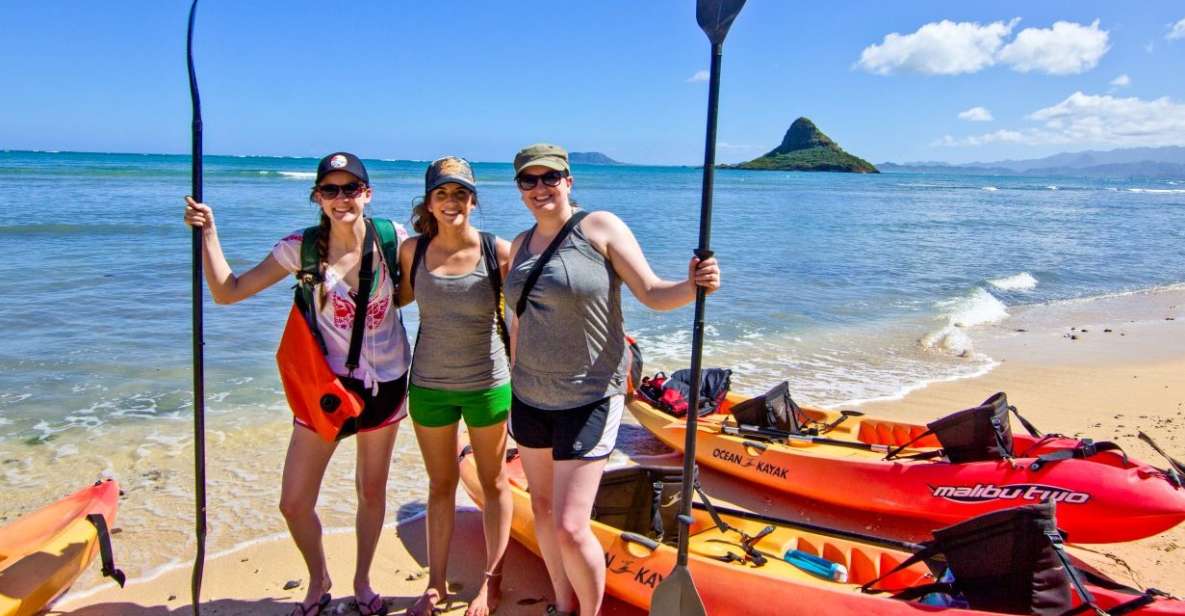
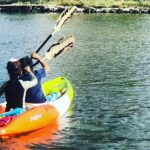
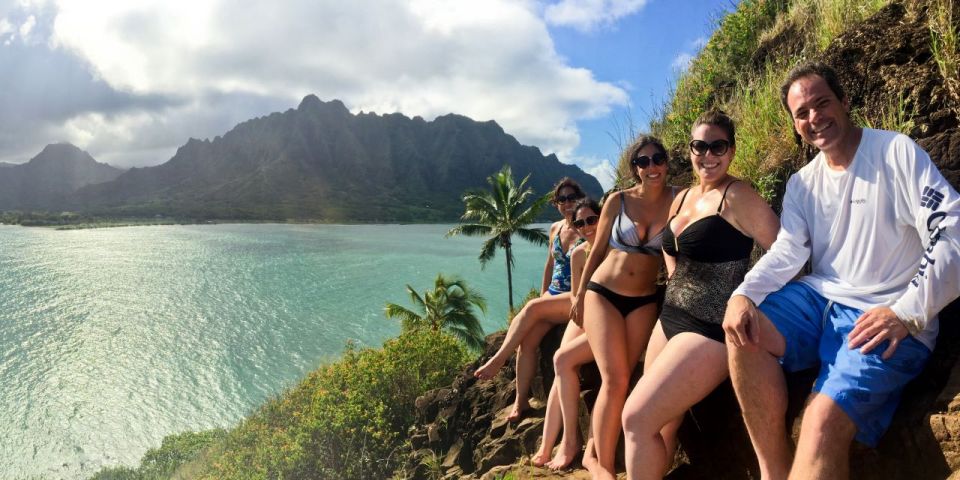
The first reason I’d choose this trip is simple: you don’t just look at Oʻahu’s east coast, you ride it. On this outing, you start near Kailua, then you’re out on the water with the Koʻolau mountain range and the Kaneohe Bay area in view. Even before you reach Mokoliʻi, the coastline feels open and wide, and the ocean glare off the surface makes everything look sharper.
From the water, the island’s shape hits differently. Mokoliʻi looks iconic from shore, but when you’re paddling toward it, the scale feels more real. It’s not just a postcard point—it’s a small outpost in active ocean space. That helps the hike feel like a real mission instead of an afterthought.
You also get the kind of ocean detail you can’t fake on land: the way water texture changes as you paddle, and how the breeze hits your face when you’re moving out. If you like being outside and doing something physical, that combination is the whole magic trick.
A practical time rhythm that works
This is a 4-hour experience total, so it’s long enough to feel complete but short enough that you’re not planning a whole day around it. You’ll paddle out, land for the hike, then return at your own pace. That self-guided pacing matters. If you’re the kind of person who likes to stop for photos, stretch your legs, or just take a breath, you can do that without feeling rushed.
Where you start in Kailua and how the day actually runs
You pick up the kayak at Active Oahu Tours at 134B Hamakua Dr, Kailua, HI 96734. Plan on about a 30-minute drive from the meeting point to where you do the activity. When you arrive, the team will help you strap the kayak to your vehicle and provide the necessary equipment.
This is one of those tours where logistics are half the success. If you’re carrying gear, loading safely, and getting off-site without stress, you start the day calmer. Here, the setup is designed around you not having to figure everything out on your own.
You do need the right kind of car: a 4-door vehicle is required to transport the kayak. If you don’t have that, you might lose time scrambling for alternatives, and this outing runs best when you keep things smooth from the start.
What you should expect on arrival
After the gear handoff, you’ll be responsible for your own pacing once you’re on the water and on the island. There’s no tour guide accompanying you during the excursion. A greeter or host may assist with the equipment process, but you’re doing the actual kayak-and-hike portion self-guided.
That sounds intimidating until you realize how simple the flow is: paddle to Mokoliʻi, hike around defined routes, then paddle back. If you can follow basic instructions, you can handle this.
You can also read our reviews of more tours and experiences in Oahu




The paddle: wind, currents, and how to stay confident
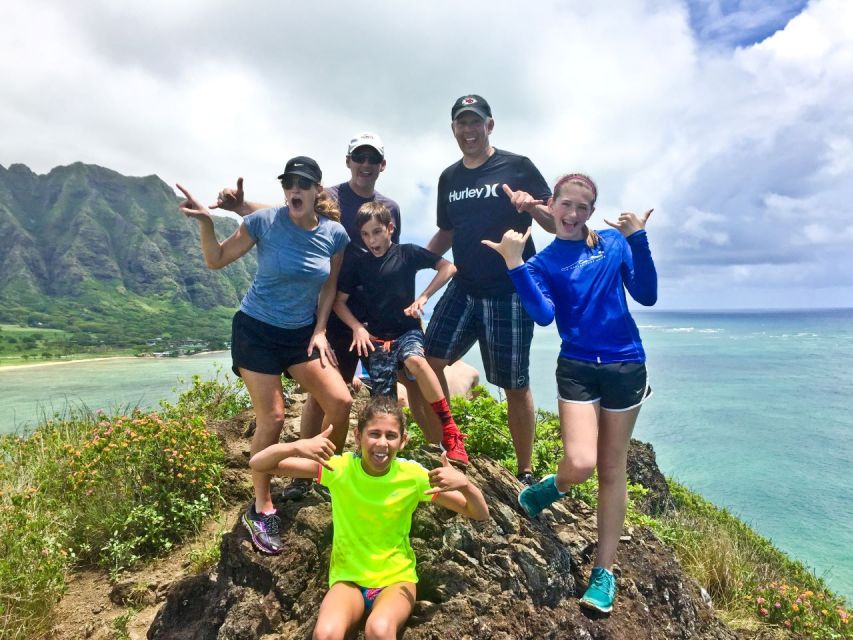
The windward side of Oʻahu is often breezy, and sometimes it can get very windy. The tour notes that conditions are generally calmer and more predictable during summer months (roughly end of May through beginning of September). If you’re newer to kayaking or you want a more beginner-friendly outing, that seasonal window tends to work better.
You should still respect the ocean. Even the safest kayak outing in normal conditions can become uncomfortable quickly if you underestimate wind or fatigue. The good news here is that the trip is described as one of the safest Oʻahu kayak tours under normal or ideal conditions. It’s still smart to go in with a calm mindset and treat the paddle like a real water activity, not a casual swim-adjacent stroll.
Double-seat kayaks can change the feel
One review mentioned that the kayaks being two-seaters was initially disappointing, but it ended up being helpful when the current felt strong. That’s a practical heads-up for you: if you’re expecting a solo, ultralight experience, it might not match your mental picture. On the flip side, shared seating can make balancing and handling feel steadier.
If you’re going with a friend or family member, two-seaters can also make the trip feel more social. You can talk through the paddle and keep an eye on each other’s comfort.
How to read the ocean without guessing
Because you’re self-guided, your job is to watch what the water is doing and adjust. Keep your focus on:
- wind direction and how it affects your paddling effort
- how the water feels between strokes (smooth vs churned)
- when you’re tired and need to slow down
If conditions get too rough, you won’t just push through. The tour provides rescheduling or a full refund if storms or high winds occur.
Mokoliʻi hike: short routes, big views, and real footing
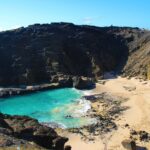
Once you reach Mokoliʻi (Chinaman’s Hat), the island becomes the second half of your day. Your hike can be around the islet for views, or you can choose to follow defined trails. Either way, the point is the same: you’re walking on a small piece of land surrounded by open water, with Koʻolau views and ocean all around you.
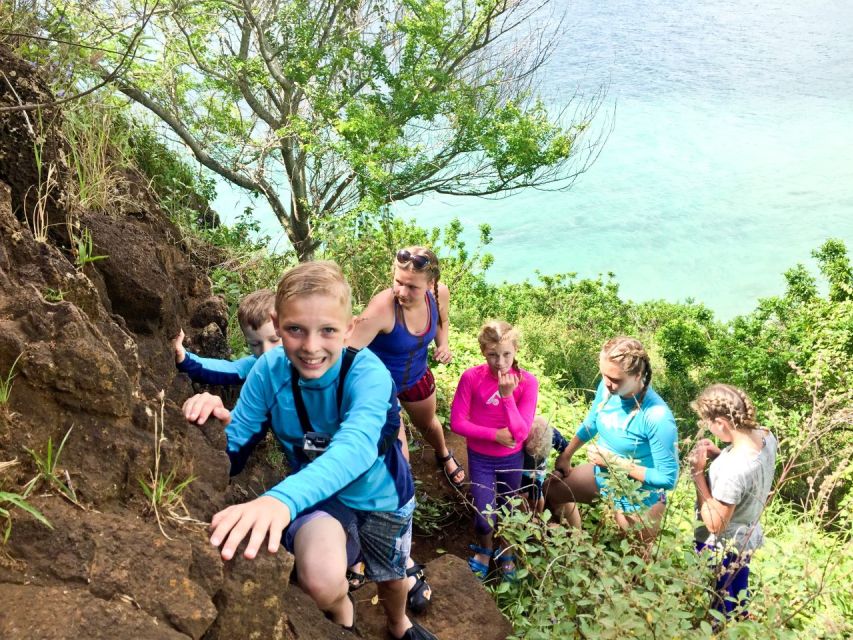
Here’s the key thing: this is not a flat, paved walkway. The terrain can be challenging in places, and some segments can feel slippery. One of the best pieces of advice from the available feedback is to wear good shoes and be ready to take your time. Think careful steps, not speed.
If you enjoy climbing-lite moments—hands-on balance, uneven surfaces, and watching your footing—you’ll probably find the hike satisfying. If you hate uneven ground, this can feel like a chore. This is also why your footwear matters more than you might expect for such a short hike.
Bird sanctuary details you’ll actually notice
Mokoliʻi is a bird sanctuary, and in springtime you may see fluffy baby chicks. That’s part of the island’s personality. It also means the rules matter. You’ll want to stay on allowed routes and avoid bothering animals.
The tour explicitly asks you not to touch animals and to respect local wildlife. From a practical standpoint, that means keep a safe distance, move slowly, and don’t try to get closer for a photo. If a bird is near the trail edge, let it decide where it goes. You keep your part simple.
Litter: keep the island pristine
Another practical note: pick up any litter if you see it. Even if you only collect a small amount, it helps keep the island looking cared for. You’re visiting a protected area, so your presence should leave as little impact as possible.
Ocean rules that keep the trip fun (and safe)
A kayak-and-hike day can feel free, but it still comes with boundaries. The tour notes a clear list:
- don’t touch marine life
- don’t touch animals
- no littering
- no alcohol and no drugs
These rules aren’t just moral lecturing. They’re about safety and impact. Touching marine life can harm animals and expose people to hazards you don’t see. Alcohol can change decision-making in wind and water. And litter can quickly become a bigger problem on small islands where waste has nowhere to go.
Wildlife viewing without crowding it
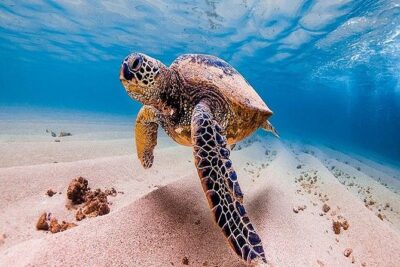
You’ll be looking out for nautical wildlife en route and bird life on the island. The best approach is slow observation and quiet movement. Keep your attention on what’s around you, not on reaching out.
If you want the best photos, focus on composition from your position. A bird that’s startled into flight ruins the moment for both you and it.
What to bring for comfort and fewer problems
This is the part that makes or breaks the day. The essentials list is straightforward, but it’s worth matching it to your needs.
Bring:
- Change of clothes (the ocean happens)
- Hiking shoes (or very grippy footwear)
- Sunscreen
- Water
- Water shoes
Since it’s breezy and you’ll be moving, dehydration sneaks up on you. Bring water and sip regularly, even when you don’t feel thirsty.
Why water shoes matter more than you think
You’ll be walking around the island, and footing can get slick. Water shoes can help you stay steady. Hiking shoes can work if they grip well and aren’t too slippery when damp. The main idea is traction. If your shoes are soft-soled or worn smooth, you’ll regret it.
Also pack a change of clothes in a sealed bag if you have one. Saltwater and wind can mean you get damp in ways you don’t expect at the start.
Who this is best for (and who should skip it)
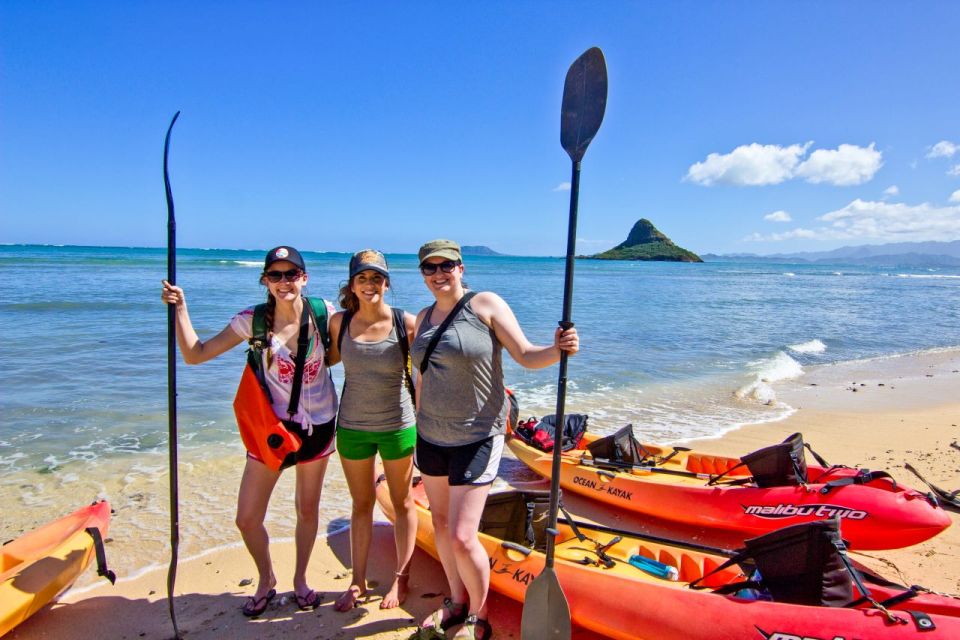
This experience is best suited for children over 12, but younger children may join if conditions are nice. It’s designed around people who can handle a self-directed outdoor outing with active movement.
It is not suitable for:
- children under 3 years
- children under 33 lbs (15 kg)
- pregnant women
- people with mobility impairments
- wheelchair users
- non-swimmers
So who should go? If you’re a decent walker, can stay calm in breezy weather, and you’re comfortable kayaking in normal ocean conditions, you’ll likely enjoy it. If you’re a basic climber in the sense that you’re not afraid of careful, uneven steps, that helps. One comment specifically pointed out that being at least a basic climber makes parts easier because some sections are tricky and slick.
A quick self-check before you book
Ask yourself:
- Can I walk carefully on uneven ground without rushing?
- Do I have shoes with good grip?
- If the wind picks up, can I slow down and keep my effort steady?
- Am I comfortable not having an on-site tour guide?
If those answers are yes, you’re in the right neighborhood.
Value check: $82 for a kayak plus a real island hike
At about $82 per person for a 4-hour ocean-and-trail outing, the value depends on what you want from the day.
You’re paying for three things:
1) the ocean access and kayak setup
2) the island landing and hike opportunity
3) convenience of gear delivery and pickup right next to the beach
You’re not paying for a guided narrative, because it’s self-guided. That can lower cost and let you move at your pace. It can also mean you’re responsible for your decisions and follow-through.
A couple of practical notes from feedback matter for value:
- Many people felt the experience was fun and memorable, with the island described as amazing.
- One low-rating review complained about hidden fees and rude guidance. I can’t confirm details beyond that comment, but it’s a strong reason to double-check the full total before you arrive, so you don’t get surprised by any add-ons.
If you want the feel of an active, independent outing with serious views, this price can make sense. If you want handholding, a story from a guide, and a fully paved hike, you might find a different style of tour better.
How to decide: should you book this Mokoliʻi kayak-and-hike?
I’d book this if you want a do-it-yourself day that still feels well organized. The best version of this trip is when you show up ready to paddle, ready to hike carefully, and ready to respect wildlife. You’ll likely come away feeling like you got your own slice of Oʻahu’s east side—water views, mountain views, and a small island you can truly explore.
Skip it if any of these are true for you:
- you’re a non-swimmer or you’re unsure around open water
- you hate slippery terrain and uneven ground
- your group wants a guided, step-by-step experience the whole way
- your comfort zone doesn’t include breezy wind and variable conditions
If you do book, go in expecting a mix of effort and payoff. Bring the right shoes, bring water, and take your time on the island. That’s when Mokoliʻi turns into more than a stop on a list.
FAQ
How long is the Oʻahu Mokoliʻi kayak and self-guided hike?
The experience lasts about 4 hours.
Is this a guided tour?
It’s self-guided. There are no tour guides present during the excursion.
Where do I pick up the kayak?
You pick up the kayak at the Active Oahu Tours storefront at 134B Hamakua Dr. Kailua, HI 96734. It’s about a 30-minute drive from there to the activity location.
What should I bring?
Bring a change of clothes, hiking shoes, sunscreen, water, and water shoes.
What age or size limits apply?
It’s not suitable for children under 3 years old or children under 33 lbs (15 kg). It’s best suited for children over 12, though younger children may join if conditions are nice.
Is alcohol allowed?
No. Alcohol is not allowed.
If you want, tell me your group’s ages and kayaking comfort level, and I’ll help you judge whether this day fits your style and what to prioritize.