REVIEW · NORTH SHORE TOURS
Oahu: North Shore Haleiwa Paddleboard River Adventure
Book on GetYourGuide →Operated by Blue Planet Adventure LLC · Bookable on GetYourGuide
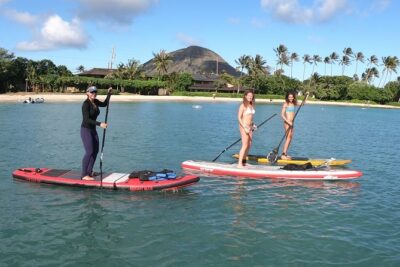
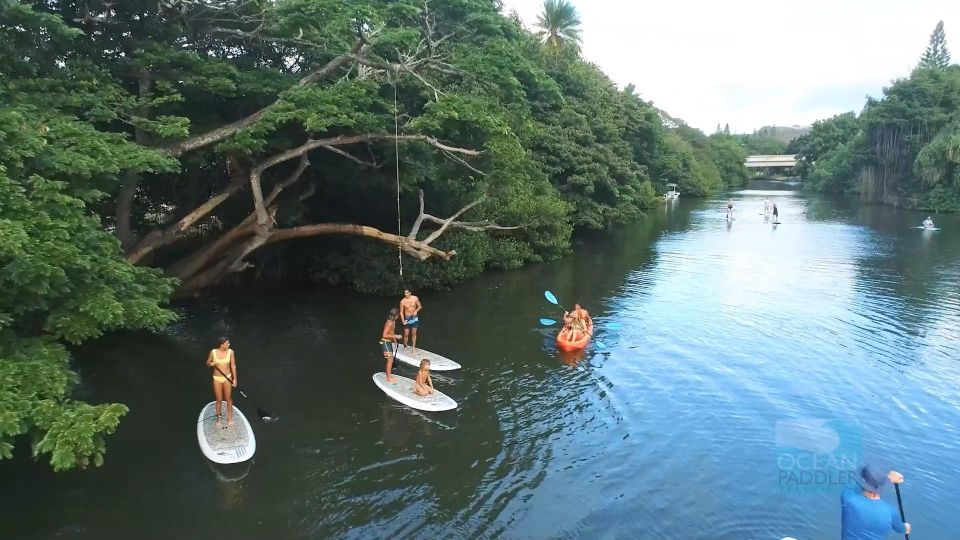
Rainbow Bridge meets mangrove water. This 2-hour paddleboard rental along the Anahulu River is an easy way to see honu (sea turtles) while you glide past mangroves and freshwater springs, with an instructor on hand to help you launch and land. Two things I love: the calm, smooth river paddle (it’s beginner-friendly), and the practical hand-holding at the private facilities by Rainbow Bridge. One drawback to plan around: if you want to paddle out toward Haleiwa Bay, it’s only recommended for experienced boarders because of rip currents and strong winds.
I also like how this setup turns paddleboarding from a “try to figure it out” task into a guided activity. You’ll get step-by-step control tips, plus the gear basics covered—board, paddle, leash, and life jacket—without a long lesson that kills your vacation time.
And yes, it’s great value for a $34 outing, but you should treat it like water time, not a casual beach stroll. Bring swimwear and expect you’ll want a towel and change of clothes, and if you’re a non-swimmer or have medical limits, you’ll need to skip this one.
In This Review
- Key Things to Know Before You Paddle
- Entering The North Shore Waters via Rainbow Bridge
- Gear Up Fast: What You Get On Arrival
- The 2-Hour Experience Flow: Calm River, Then Options
- How to Spot Honu and Birds Without Stressing
- Haleiwa Bay: The Extra Challenge (and the Real Safety Note)
- Instruction That Helps You Stand and Control the Board
- Why the Private Launch by the River Matters
- Price and Value: Why $34 for Two Hours Feels Fair
- What to Pack (So You Enjoy It More)
- Who Should Book This Paddle on Oahu’s North Shore
- Should You Book This Rainbow Bridge River Paddle?
- FAQ
- How long is the paddleboarding rental?
- How much does it cost?
- Where do I meet?
- Is the paddleboard instruction included?
- What equipment and safety gear are included?
- Can I go into Haleiwa Bay?
- What should I bring?
Key Things to Know Before You Paddle
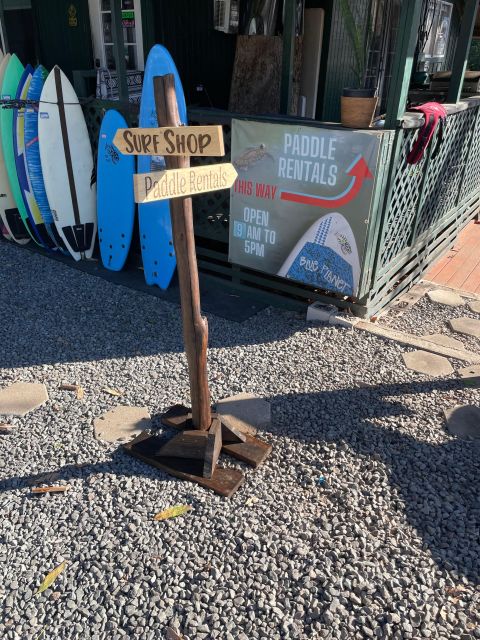
- Smooth Anahulu River start: the main route focuses on calm water that feels manageable even if you’re new.
- Wildlife spotting is part of the fun: keep an eye out for honu as you pass through mangroves and freshwater springs.
- Launch and landing help: the private deck next to Rainbow Bridge makes it easier to get on and back off.
- Beginner-ready instruction: certified guidance covers paddle control step-by-step.
- You can choose kayak instead: if standing feels like a lot, you can reserve a single or double kayak.
Entering The North Shore Waters via Rainbow Bridge
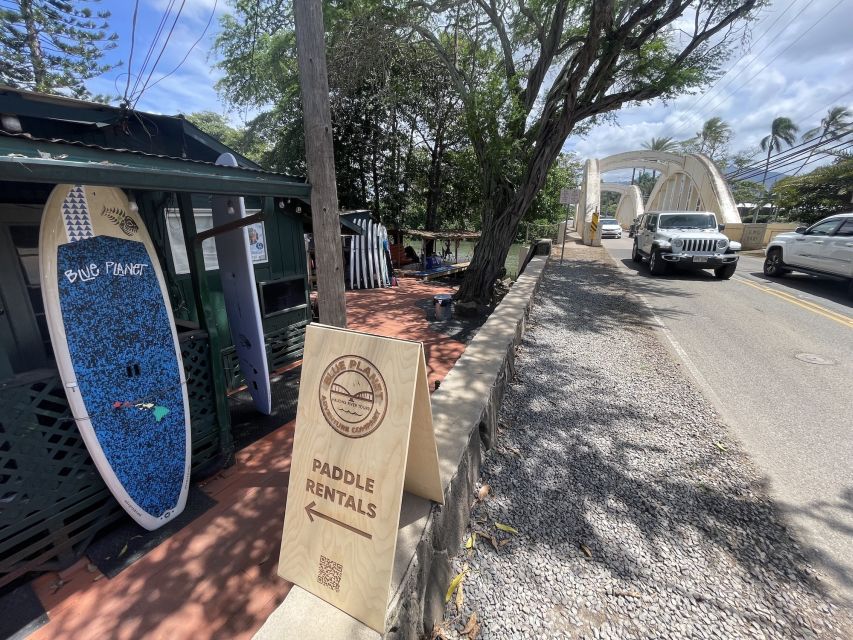
This is a North Shore paddle that starts where Oahu goes postcard-real. You meet at Blue Planet Adventure Co at the end of Rainbow Bridge in historic Haleiwa Town. That location matters because it puts you right at the river access point, so you spend less time hunting directions and more time on the water.
You’ll also notice the vibe immediately: it feels local and low-key. You’re not dealing with a huge beach scene; you’re heading to a private launch and deck setup by the river. One of the strongest themes from past participants is how much the staff helps you get going—people highlight quick, confidence-building starts with instructors like Julie and Luke getting newcomers squared away.
If you’re traveling without your own car, the North Shore Beach Bus is a practical option because it makes a stop at the tour office. No hotel pickup happens here, so plan on getting to Haleiwa yourself.
You can also read our reviews of more tours and experiences in Oahu.
Gear Up Fast: What You Get On Arrival
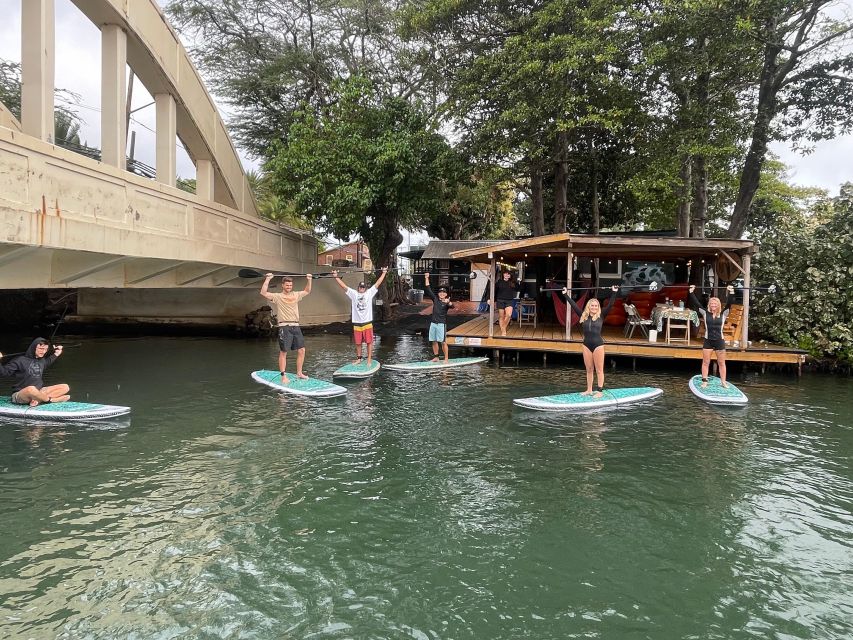
Check-in is done at the rental desk on the waterfront river deck next to Rainbow Bridge. From there, you’ll get set up with the essentials: paddleboard (or kayak), paddle, leash, and a life jacket. The life jacket is part of the “no surprises” factor—this isn’t a pack-your-own-gear situation.
You’ll also find on-site comfort that makes a difference after you’re done. There’s a hot shower, bathrooms, changing room, and storage. Lockers exist too, but they cost extra (listed as $2), so if you need one, bring a little cash.
And if you’re worried about standing, you have options. You can paddleboard on your own after the instruction, or reserve a kayak if your goal is wildlife and scenery with less balance stress.
The 2-Hour Experience Flow: Calm River, Then Options
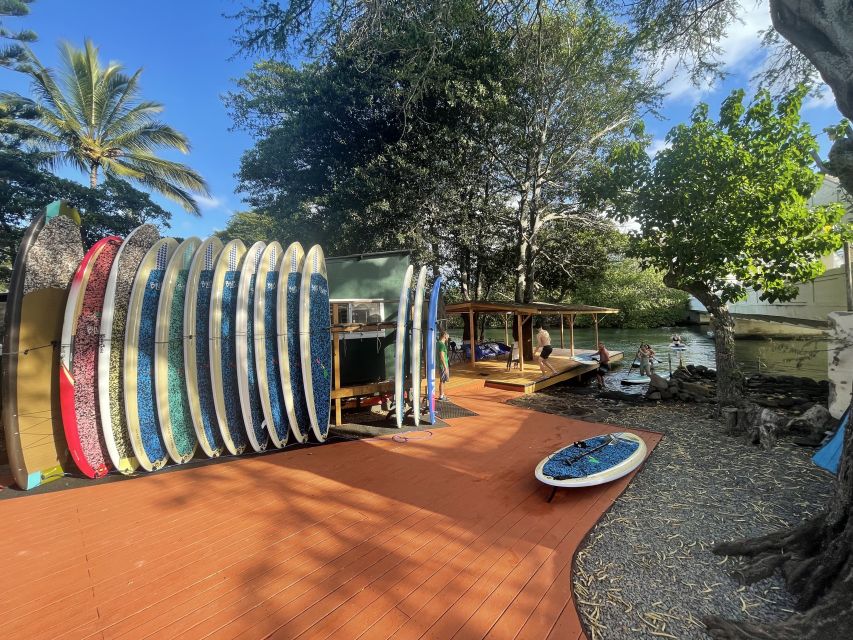
This is a two-hour rental, which is a sweet spot. Long enough to feel like you explored, short enough that you’re still excited when you pull back in.
Here’s what your time on the water typically feels like:
Setup and instruction first
You start with step-by-step paddleboard basics—how to control the board, how to manage your paddle, and how to stay stable. The staff helps with launching and landing, which is huge for first-timers. Standing up, finding your stance, and getting moving can feel weird at first; having someone there at the exact moment you need it cuts the learning curve.
A river paddle built for wildlife
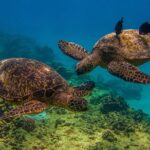
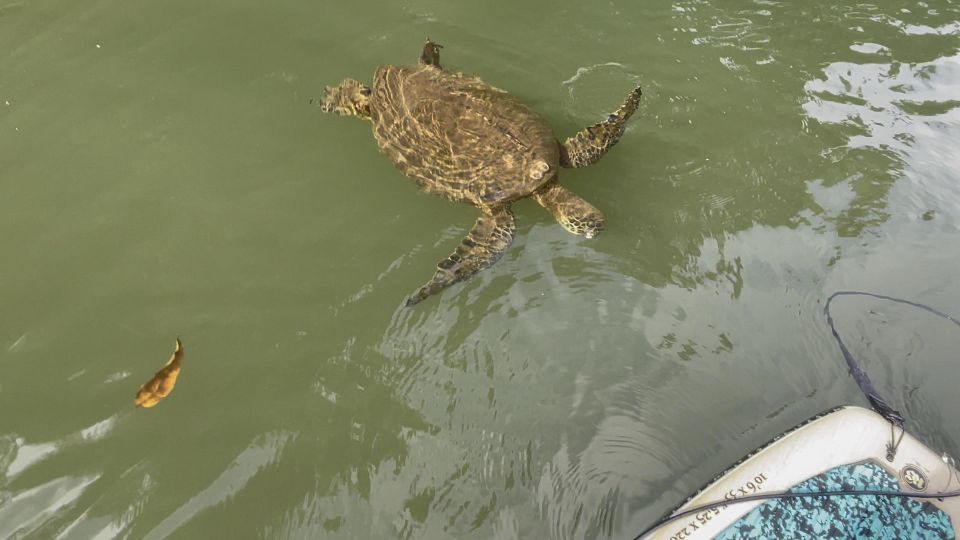
Once you’re out, the main draw is the Anahulu River’s quieter rhythm. You’ll glide through areas with mangroves and freshwater springs, which is where the wildlife part becomes believable, not forced. People often talk about seeing turtles as a real highlight, and it makes sense: this is the kind of environment sea turtles use.
A chance to extend toward Haleiwa Bay
You may have the option to head toward Haleiwa Bay depending on conditions and experience. If you’re an experienced paddleboarder, you can choose to go further out. If you’re newer, you’re usually better off focusing on the river stretch where the water conditions feel more controlled.
Return and rinse
At the end of the two hours, you return the equipment to the rental provider. This is where the hot shower and changing space become a win—especially if you’re pairing this with beach time or dinner right after.
How to Spot Honu and Birds Without Stressing
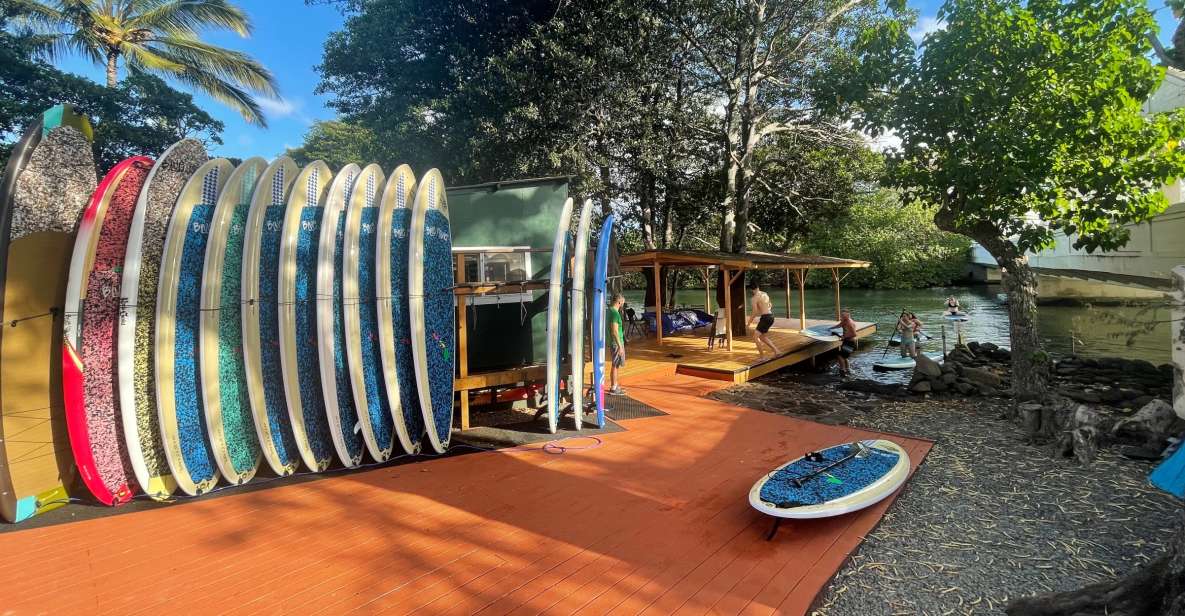
Wildlife spotting is fun when you don’t turn it into a mission. The goal here is simple: paddle, look around, and keep moving safely.
As you pass through mangroves and freshwater springs, scan for movement and slow surfacing. Honu can appear near the edges where water depth and shelter change. You don’t need to stare for long periods; just do quick checks while you maintain control.
Birds are another highlight on this route—past participants mention brightly colored birds. If you want a better view, angle your paddle so you’re not constantly correcting your line. Smooth control gives your eyes time to do the work.
One small practical tip: if you see wildlife, don’t suddenly stop mid-stretch of water. Instead, keep your balance, pause your paddle stroke for a beat, and let the animal come into view. That keeps you steady and avoids overcompensating.
Haleiwa Bay: The Extra Challenge (and the Real Safety Note)
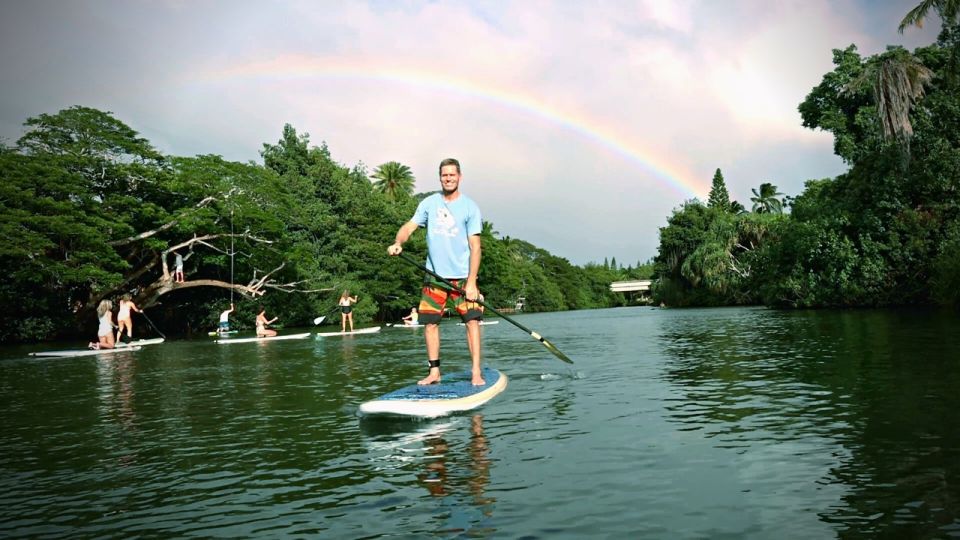
Here’s the part that matters most: the option to go into Haleiwa Bay is recommended only for experienced paddleboarders. The reason is clear—rip currents and strong winds.
So how should you think about it?
- If you’re truly new, treat the river as your main event and prioritize feeling confident.
- If you’ve paddled before and understand how wind changes your direction, you can ask whether going further makes sense for your comfort level and the day’s conditions.
This isn’t fear-mongering. It’s just good decision-making. The river portion is the core experience—calmer water, wildlife potential, and beginner instruction. Haleiwa Bay is more of an upgrade, not a requirement.

Instruction That Helps You Stand and Control the Board
The coaching here isn’t vague. You get clear, step-by-step guidance on how to control the paddleboard. That’s the difference between “I stood for a second” and “I could actually enjoy the scenery.”
Multiple people called out that instructors were especially helpful at the start—names like Julie, Luke, Mitch, Max, Devin, and John come up. Even when people say they were new, they still describe fast progress: getting stable, learning basic paddle control, and understanding how to move without wobbling every few seconds.
If you’re traveling with a group, this also helps keep things smooth. When the first person in the water understands the basics, it prevents the rest of the group from flailing around for the next ten minutes.
Why the Private Launch by the River Matters
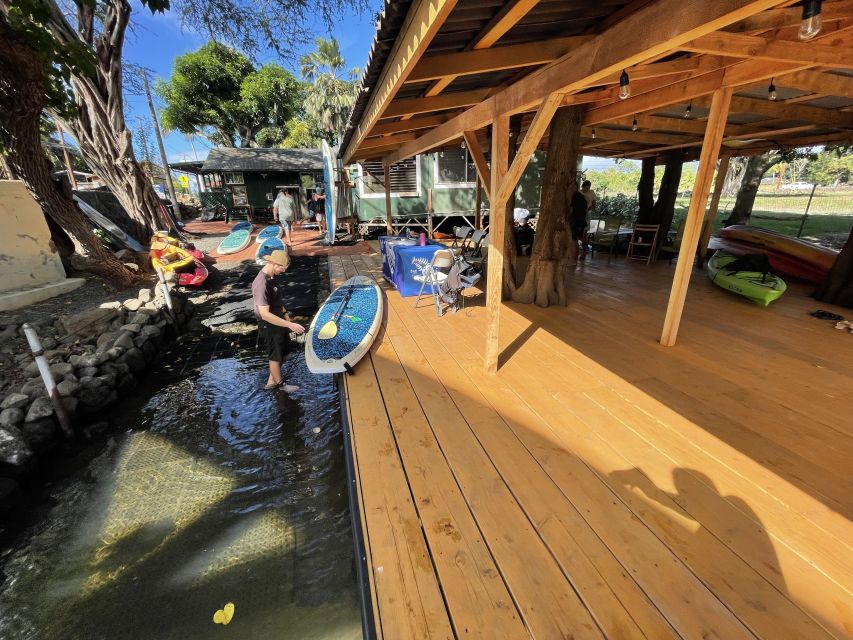
A lot of paddle rentals forget one thing: getting on and off the water can be the hardest part. Here, you’re working with help launching and landing at a private river access point next to Rainbow Bridge.
That means:
- You don’t fight with public beach conditions
- Your first minutes aren’t spent wrestling gear
- You spend more time actually paddling
In a place like Haleiwa, where you’ll likely want to fit this into a half-day, that efficiency is part of the value.
Price and Value: Why $34 for Two Hours Feels Fair
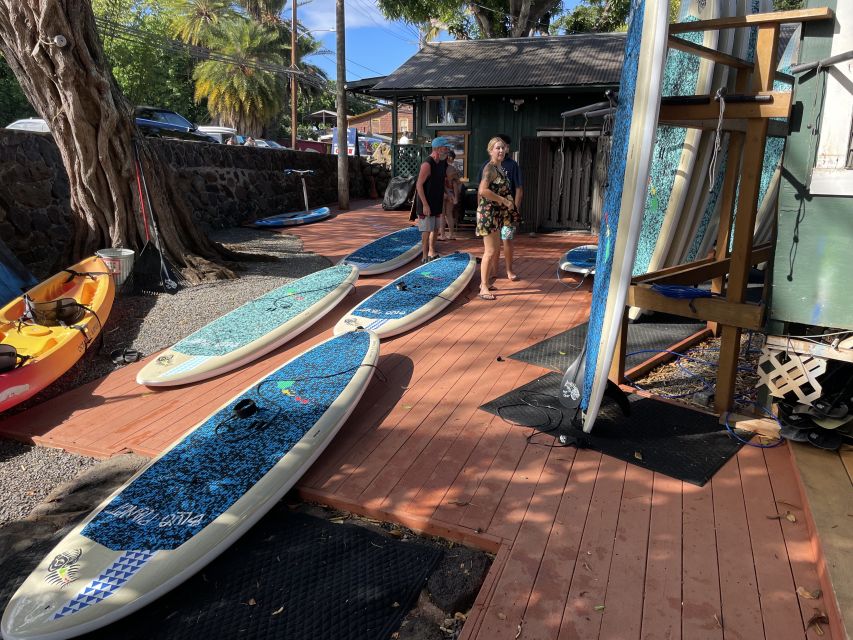
At $34 per person for two hours, this is a budget-friendly way to do something active on Oahu’s North Shore. The key value isn’t just the price tag—it’s what’s included.
You get:
- paddleboard (or kayak option), paddle, leash, and life jacket
- instruction
- help with launch and landing
- access to the private river launch deck
- hot shower, bathroom, changing room, and storage
- parking
When you add up that “stuff” mentally, it helps explain why so many people felt it was worth the time. You’re not paying extra for basic equipment or for the crucial start-and-stop help that makes the outing work.
What to Pack (So You Enjoy It More)
You’ll be on the water for two hours, so pack like you’re doing a swim plus a workout.
Bring:
- swimwear
- a towel
- change of clothes
- sunscreen
- water (and your preferred snacks or food)
A nice thing here is that the rental shop has facilities, so you’re not stuck figuring it out after you’re wet and tired. If you like to combine activities, this also makes it easier to move on to beaches or shops in Haleiwa Town afterward.
Who Should Book This Paddle on Oahu’s North Shore
This experience suits people who want an active, scenic outing without a steep learning curve.
It’s a good match if:
- you want beginner-friendly instruction
- you like low-key water time and wildlife spotting
- you’d rather be on calm river water than in open ocean conditions
You should skip it if:
- you’re a non-swimmer
- you have heart problems
- you have pre-existing medical conditions
- you use a wheelchair (not suitable per the activity info)
And if your main goal is to relax while still moving, this hits that balance well. It’s not just transportation from A to B; you’re actually paddling and looking around.
Should You Book This Rainbow Bridge River Paddle?
Yes, if you’re coming to Oahu’s North Shore and want an easy-to-manage way to experience the Anahulu River. This is especially worth booking if you’re excited about honu and you like the idea of starting with guidance rather than figuring out balance on your own.
Book it with confidence if you’ll stay on the river route and treat Haleiwa Bay as an optional step for experienced paddlers. Skip it (or plan something else) if you’re not comfortable in moving water or you have health concerns that affect safety.
If you want a two-hour activity that feels practical, scenic, and genuinely fun for first-timers, this one is a strong choice.
FAQ
How long is the paddleboarding rental?
It’s a 2-hour rental period.
How much does it cost?
It’s listed at $34 per person.
Where do I meet?
Meet at Blue Planet Adventure Co at the end of Rainbow Bridge in the heart of historic Haleiwa Town.
Is the paddleboard instruction included?
Yes. You get instructions, and staff also help with launching and landing.
What equipment and safety gear are included?
You’ll receive a paddleboard (or a kayak option), paddle, leash, and a life jacket.
Can I go into Haleiwa Bay?
Going into Haleiwa Bay is recommended only for experienced paddleboarders due to rip currents and strong winds.
What should I bring?
Bring swimwear, change of clothes, a towel, food and drinks, sunscreen, and water. Lockers are available for $2 if you want one.