REVIEW · EVENING EXPERIENCES
Unique Honolulu Sunset and Light Painting Tour
Book on GetYourGuide →Operated by Oahu Photography Tours · Bookable on GetYourGuide
Starlight comes with training. This Honolulu tour mixes sea-cliff sunset views, hands-on light painting, and a guide who captures the photos for you, including personalized help from Mac and Andrew. One real catch: it’s a night tour, so you’ll be on your feet in the dark—wear closed-toe shoes and dress for comfort.
I like that the pacing is built around real viewpoints, not just check-the-box stops. You’ll head from East Oahu’s dramatic cliffs to Makapu’u for a sweeping view of islands, ocean, and sky, then finish on the beach learning how to work with night light and your camera (optional, but encouraged).
If you’re staying in Waikiki, the setup is simple: hotel pickup and drop-off are included, and the whole thing runs about 4 hours. At $100 per person, it’s best if you value the guided photo results and the light-painting experience more than a quick scenic ride.
In This Review
- Key things that make this tour fun (and photo-worthy)
- East Oahu sea cliffs: sunset with a photographer’s mindset
- Makapu’u at twilight: islands, waves, and the sky flipping to star mode
- Beach light painting: what it actually means when you get the tools
- Let the guide shoot: how the photo service changes the experience
- Small group power: why 7 people feels easier than it sounds
- Price and logistics: what you’re really paying for at $100
- What to bring (and what you can skip)
- Who should book this, and who should skip it
- Should you book this Honolulu sunset and light painting tour?
- FAQ
- What is the duration of this tour?
- How much does it cost?
- Where does pickup happen?
- Is the tour small group?
- Do I need to bring a camera?
- What do I get for the light painting part?
- Are photos included?
- What should I wear or bring?
- Is food or drinks included?
- Is this tour family-friendly for young children?
Key things that make this tour fun (and photo-worthy)
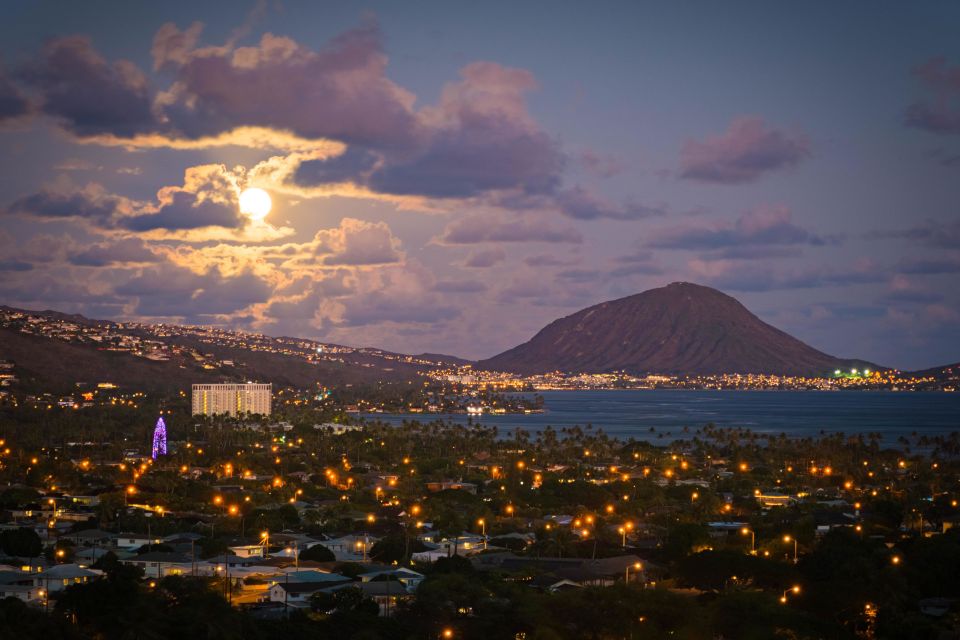
- East Oahu sea cliffs at sunset: you start with sky drama before the lights come out
- Makapu’u viewpoint at twilight: ocean waves and island views under darkening skies
- Light painting with provided tools: you get to create the effect instead of just watching it
- Your guide handles the camera work: digital photos are sent to you after the tour
- Small group (up to 7): easier to get individual coaching and adjustments
- Guides who tailor the session: Mac and Andrew were repeatedly praised for answering questions and slowing down when needed
East Oahu sea cliffs: sunset with a photographer’s mindset
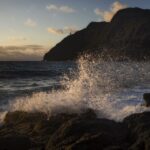
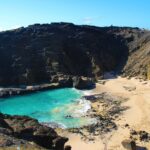
The tour starts on East Oahu’s sea cliffs, where the day’s last light gives you an instant “wow” factor. Expect a classic shoreline look—darkening sky above, ocean and coastline below—set up at a point where you can watch the glow change minute by minute.
What I like about starting here is timing. Sunset photography is all about control: where the horizon sits, how your exposure behaves as brightness drops, and how quickly you can change settings as the light fades. Even if you’re not a camera nerd, this is where you can get your bearings fast, then use that momentum for the night part.
If you bring a camera, you’ll get a chance to try your own shots during the transition. If you don’t, don’t stress—the guide takes photos for the group as the scene evolves.
You can also read our reviews of more evening experiences in Oahu

Makapu’u at twilight: islands, waves, and the sky flipping to star mode
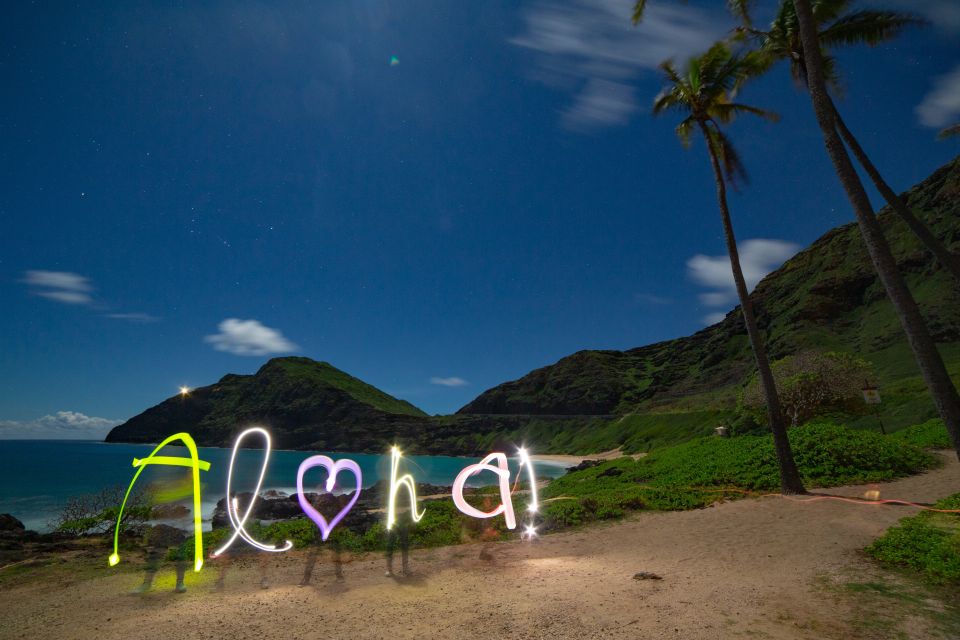
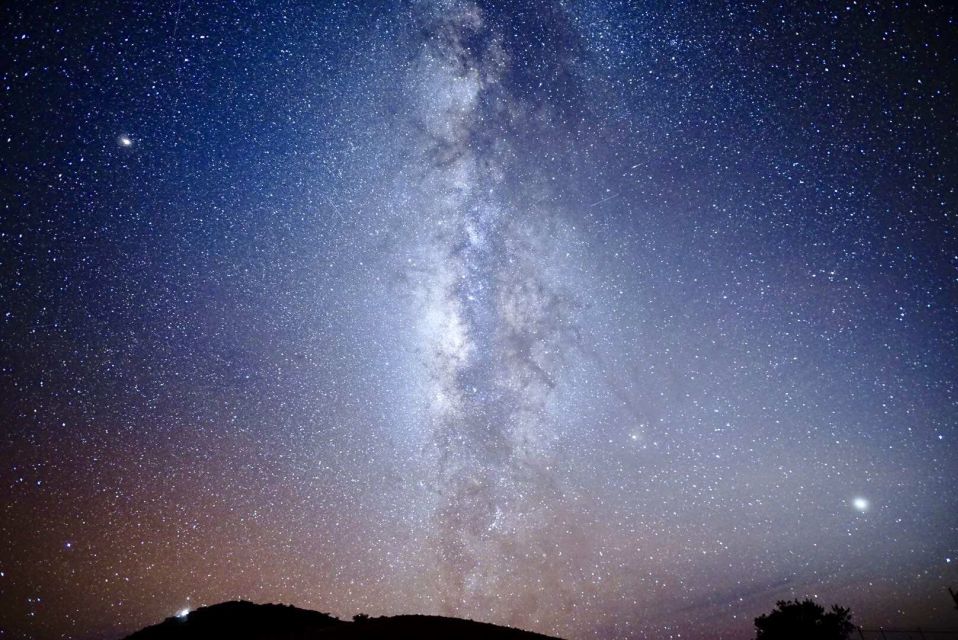
After the sunset cliffs, you head to Makapu’u for an elevated view across the islands. This is the “turn the page” moment in the evening: twilight stretches, ocean waves start looking like moving texture instead of just water, and the starlit sky becomes the main event.
This stop is also a good place for photos because you’ll likely get a mix of light sources. The city lights are part of the visual story, but they sit alongside stars once the sky darkens enough. That combination is exactly what makes light-painting night scenes feel magical instead of flat.
One detail I found encouraging: at least one past outing included a strong moon night, with moonrise and even a moon rainbow. That doesn’t happen every evening, but it shows the sky can get extra-interesting when conditions line up.
Beach light painting: what it actually means when you get the tools
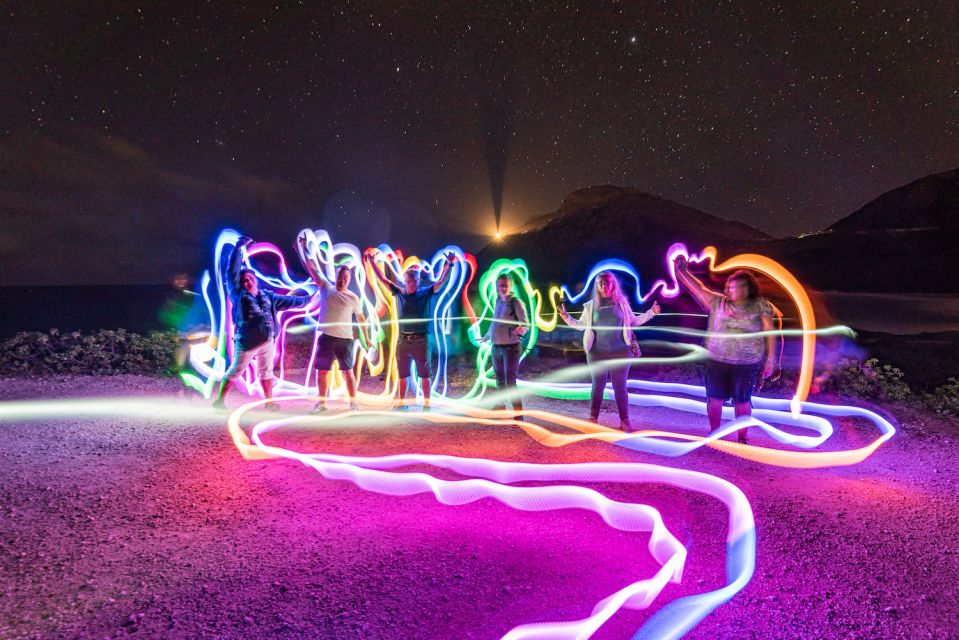
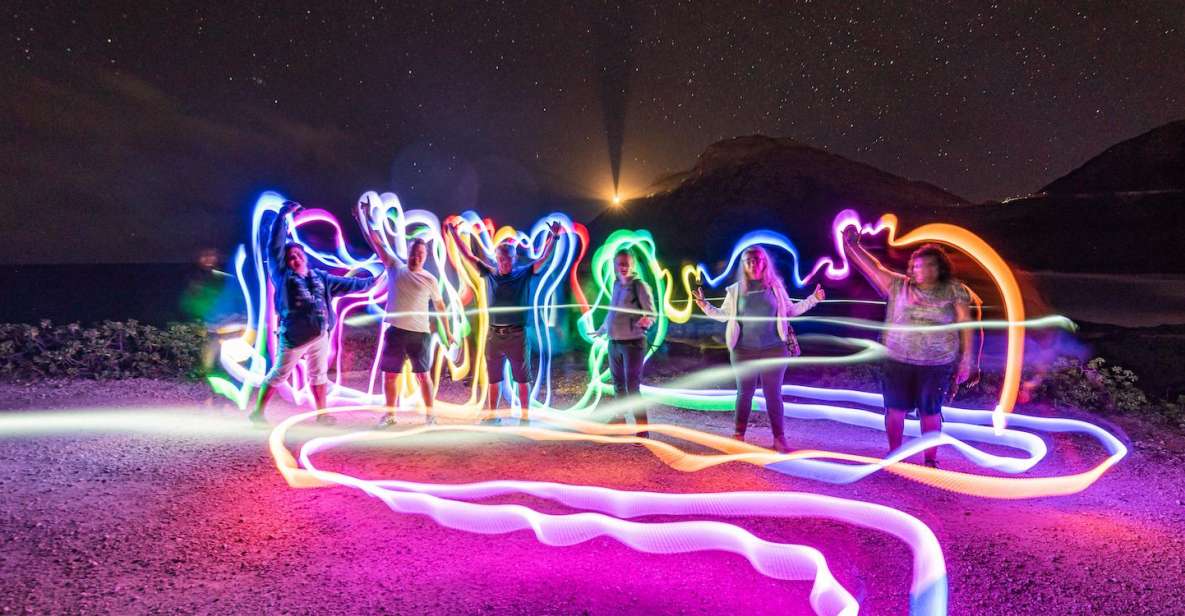
The “light painting” portion isn’t just a demo. You’re given cool lights to paint with, and you learn how to use them to create trails, shapes, and bright effects that pop against the dark sky.
Here’s the practical way to think about it: light painting is basically timing plus movement. You’re controlling when the light moves across the frame, how smooth your motion is, and how long the camera is set to capture the scene. The guide’s role matters because they can help you pick the approach that matches what you want to create, rather than you guessing in the dark.
You’ll also work on night-sky photography techniques at the beach. Even if you feel new to photography, the lesson is straightforward: the camera settings and your movement have to agree, or the results won’t look right. The good part is you’re not doing this alone—your guide is there, actively shooting and coaching.
And yes, the fun factor is real. This is the kind of activity where you stop thinking about whether you’re “doing it right” and start enjoying the experiment.
Let the guide shoot: how the photo service changes the experience
One of the most praised parts of this tour is that the guide captures the photos for you and emails them after the outing. That changes the whole vibe. Instead of spending the entire time chimping on your screen and trying to nail every shot, you can actually participate in the light-painting moments.
Several guide-focused comments point to the same strength: they respond to individual requests and take time with each person. That matters when you’re learning in a group setting, because everyone’s camera is different and everyone’s comfort level is different.
Andrew and Mac were both highlighted in feedback for answering questions and not rushing people. In plain terms, you get instruction when you need it, not just a quick rundown and then you figure it out on your own.
If you bring your own camera, you’ll have a double win: the guide provides the “safe bet” shots, and you can create a few personal images too. If you don’t, you still end up with the experience’s results.
Small group power: why 7 people feels easier than it sounds
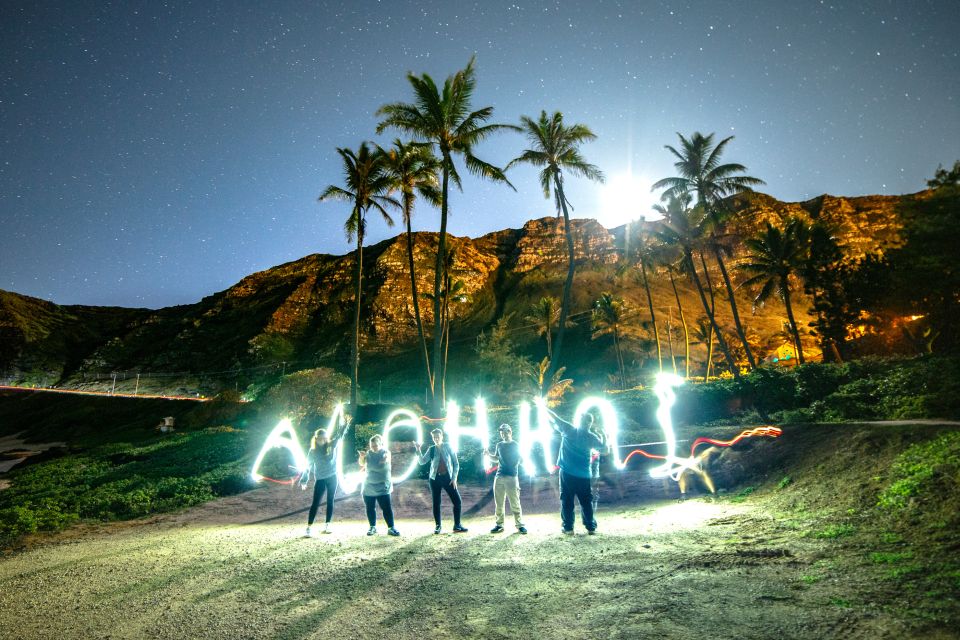
This is limited to 7 participants, and that size is a big deal for a nighttime photography tour. Fewer people means the guide can adjust the plan based on what you’re trying to do and on how quickly the light is changing.
It also helps with hands-on moments. Light painting requires practice—your motion, your timing, and your comfort with the effect. In a small group, you’re more likely to get a clear explanation, then a chance to try again with feedback.
If you prefer a tour that feels like a guided lesson instead of a bus parade, this group size is a strong match.



Price and logistics: what you’re really paying for at $100
At $100 per person for about 4 hours, this tour is paying for three things that often cost extra on their own: a guided night photography setup, light painting gear provided for you, and a photo deliverable handled by your guide.
You’re also paying for convenience. Hotel pickup and drop-off are included in Waikiki, and the tour is designed to move you between the sunset cliffs, Makapu’u viewpoint, and beach area within one session. That’s a lot of coordination for a half-day evening.
A couple practical notes so there are no surprises:
- Food and drinks aren’t included, so plan to eat beforehand.
- Closed-toe shoes are required for comfort and safety during night walking.
- Pickup isn’t always at the main street. The pickup happens at the designated bus pull-up area for your selected pickup, so confirm the exact pickup point with the tour company before you go.
If your priority is a quick view-and-go sunset, you might find cheaper options. But if you want guided light painting, plus digital photos afterward, this price starts to feel fair.
What to bring (and what you can skip)
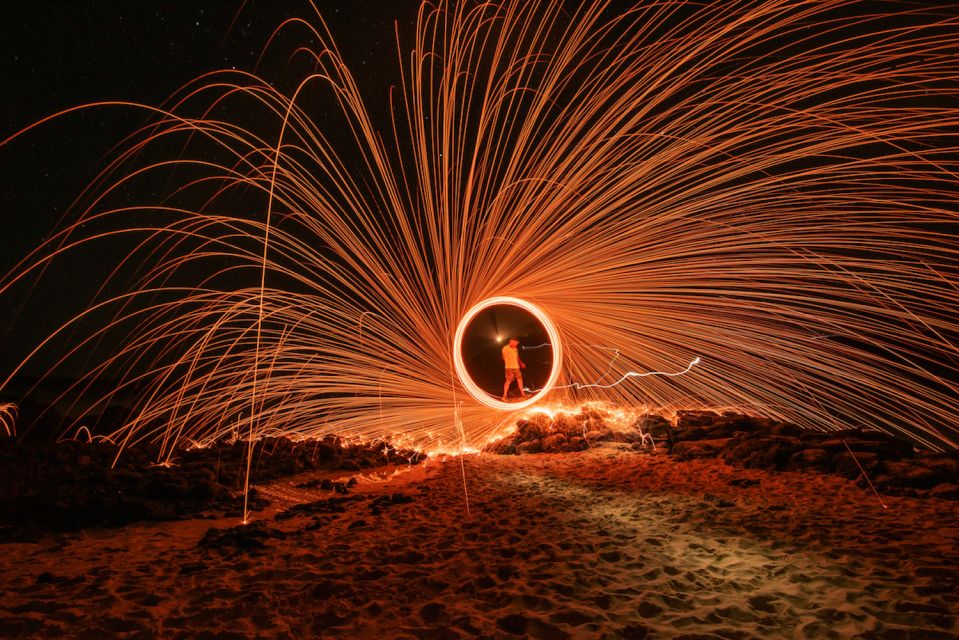
You don’t need to bring a camera, but you should if you want to capture your own version of the night. The guide will take photos regardless, and will email them to you after the tour.
At minimum, bring:
- Closed-toe shoes
- Comfortable clothes for a night outing
Optional but smart:
- Your own camera if you want control over your shots
- Anything you normally use for comfort on short night walks (the tour is at night, after all)
One more reason to bring a camera: it helps you understand what the guide is doing. When you see the result, you learn faster.
Who should book this, and who should skip it
This tour fits best if you enjoy one (or all) of these:
- Photography as a hands-on activity, not just sightseeing
- Creative night experiences where you’re actually painting with light
- Small-group guidance, where the guide can slow down and help you personally
It’s also a good option if you want great results without spending hours troubleshooting settings yourself. The guide takes care of the photo capture, then sends the digital images afterward.
It’s not suitable for children under 5 years, and it takes place at night. If you’re traveling with very small kids, or you don’t like evening outings that involve standing/walking in the dark, you may want another style of Waikiki sunset plan.
Should you book this Honolulu sunset and light painting tour?
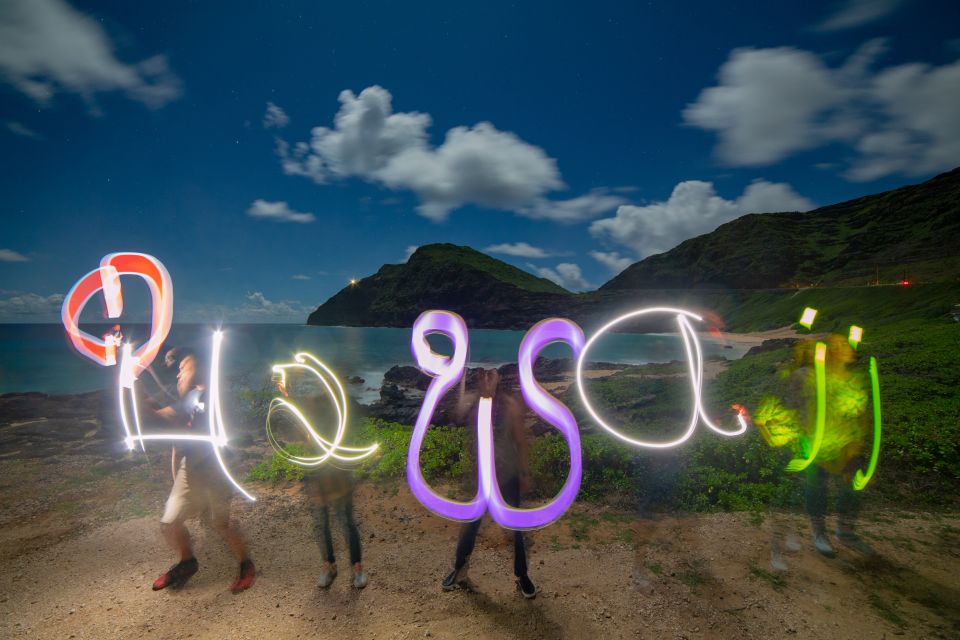
I’d book it if you want more than a sunset view. The best reason is simple: you get the scenery, you get the creative light-painting experience, and you get photos delivered afterward—plus individualized coaching from guides like Mac and Andrew.
I wouldn’t book it if your main goal is a relaxed, low-effort evening where you never touch a camera or learn anything new. This is a fun lesson with results, not a passive ride.
If you’re on the fence, ask yourself: do I want to create images at night, even a little? If yes, this is a strong fit for an East Oahu evening you’ll remember for the light trails, not just the sunset.
FAQ
What is the duration of this tour?
The tour lasts about 4 hours.
How much does it cost?
It costs $100 per person.
Where does pickup happen?
Pickup is included in Waikiki, and it occurs at the only designated bus pull-up area for your selected pickup. It may not be the main street, so confirm the exact pickup point with the tour company.
Is the tour small group?
Yes. It is limited to 7 participants.
Do I need to bring a camera?
No, you do not need to bring one. Your guide will take photos and email them to you after the tour. That said, bringing a camera is encouraged so you can take your own pictures too.
What do I get for the light painting part?
You get light painting tools included with the tour.
Are photos included?
Yes. Photos from your guide are included, and they are emailed to you after the tour.
What should I wear or bring?
Wear comfortable clothes and closed-toe shoes.
Is food or drinks included?
No. Food and drinks are not included.
Is this tour family-friendly for young children?
It is not suitable for children under 5 years. The tour also takes place at night.