REVIEW · AUDIO TOURS
Pearl Harbor Aviation Museum Ticket with Audio Tour and Shuttle
Book on Viator →Operated by Pearl Harbor Aviation Museum · Bookable on Viator
Planes in wartime hangars make history physical. This Pearl Harbor Aviation Museum ticket takes you to Ford Island to explore aircraft inside two hangars that survived December 7, 1941, plus a built-in audio tour that helps connect what you’re seeing to what happened in the Pacific. It’s also set up to reduce friction: priority entrance and a complimentary shuttle get you in the right place without the usual scramble.
I especially like the way the museum mixes big-picture storytelling with close-up aircraft details. You get WWII footage, an on-site documentary (East, Wind, Rain), and exhibits like MiG Alley that carry the story forward beyond Pearl Harbor into later conflicts. Add in the chance to talk with staff and see marked details like bullet impacts, and it becomes more than a walk-through.
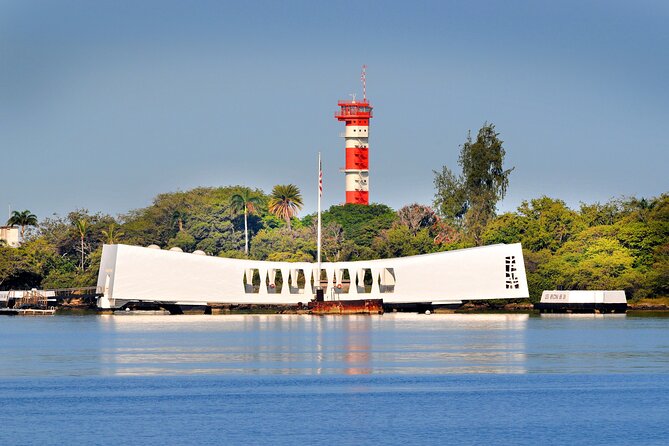
One thing to watch: this ticket is for the aviation museum on Ford Island, not a USS Arizona Memorial admission. If you’re hoping to do the memorial too, double-check your plan (and your booking) so you don’t end up in the right place but for the wrong stop.
In This Review
- Key things that make this ticket worth your time
- Entering the surviving hangars on Ford Island
- What you’ll see inside Hangar 37 and Hangar 79
- Audio tour headsets: a simple way to make the planes click
- WWII to later conflicts: bullet holes, Midway context, and MiG Alley
- Film, documentary, and aircraft cockpit moments
- Hangar Café breaks and museum store time (what’s not included)
- Pricing and value: why $29.99 can feel fair
- Planning a smooth 9-hour day starting at 9:00 am
- Who should book this museum ticket?
- Should you book this Pearl Harbor Aviation Museum ticket with audio and shuttle?
- FAQ
- How long is the Pearl Harbor Aviation Museum ticket experience?
- Is the shuttle included?
- What does the audio tour include and what languages are available?
- Where is the museum located?
- What’s included in the ticket price?
- Are meals included?
- Can I cancel and get a refund?
Key things that make this ticket worth your time
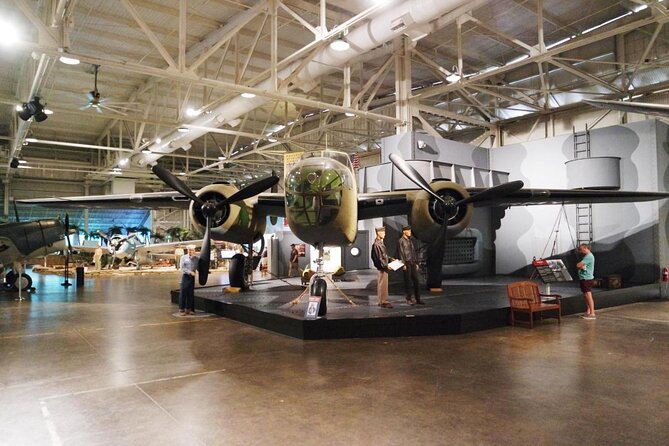
- Ford Island hangars from the WWII era (Hangar 37 and Hangar 79)
- Priority entrance plus a complimentary shuttle to and from Ford Island
- Audio headset in multiple languages, picked up on arrival
- Close-up aircraft details, including WWII bullet holes
- MiG Alley Korean War fighter planes
- On-site WWII footage and a short documentary (East, Wind, Rain)
Entering the surviving hangars on Ford Island
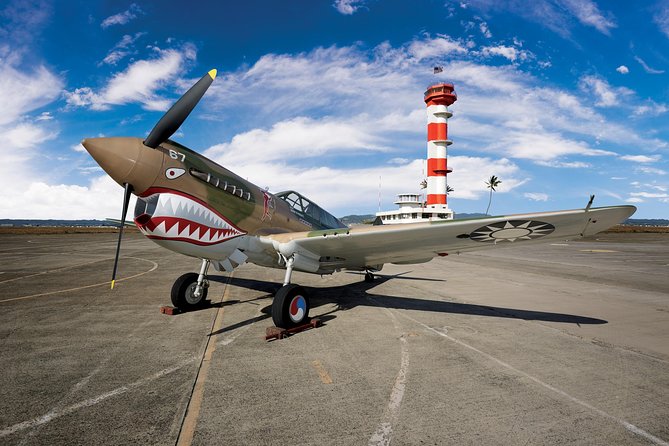
If your Pearl Harbor day plan is getting crowded with too many stops and not enough time to look, this ticket offers a cleaner angle. You’re going straight to Ford Island, where the museum’s collection is housed in Hangar 37 and Hangar 79—two structures that survived the Japanese attack on December 7, 1941.
That setting changes how you experience the exhibits. Seeing planes in a hangar that literally “held its ground” gives you a sense of place that you don’t get when aircraft are displayed in generic museum buildings. The priority entrance matters too. It’s one less queue that steals time from aircraft that you came to see.
You’re also choosing a museum that focuses on the air war and the technology—bombers, interceptors, helicopters, and the fighter planes displayed in MiG Alley—so the day doesn’t become only about the day of the attack. It’s a museum format that makes the story feel continuous instead of chopped into separate sound bites.
You can also read our reviews of more tours and experiences in Honolulu


What you’ll see inside Hangar 37 and Hangar 79
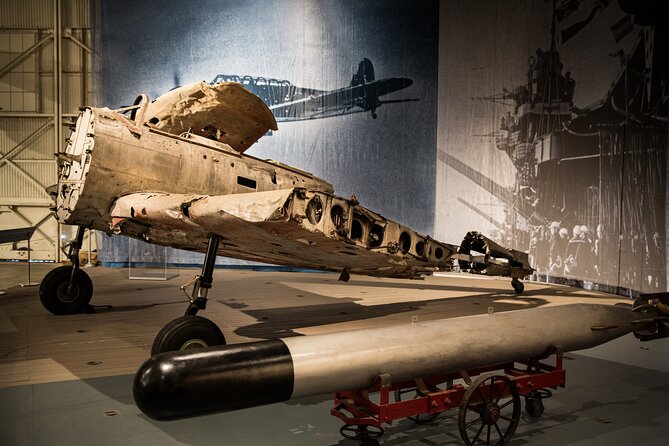
This museum is built around aircraft you can actually stand next to. The exhibits live inside two former seaplane hangars that survived the attack, so you’ll spend most of your visit moving between aircraft, interpretive signs, and story points that explain what those planes were built to do.
Here’s what I’d be aiming for as you walk in:
- WWII attack marks: Look for the bullet holes tied to the December 7 attack. Those small, physical details are the kind that turn a date on a sign into something real.
- WWII footage and control-room style storytelling: There’s film featuring actual footage of the attack, plus documentary content like East, Wind, Rain. One of the smartest ways to use that content is to watch it early, then come back to the aircraft with a clearer picture of the sequence of events.
- Aircraft that connect wars: This museum isn’t only “Pearl Harbor day.” You’ll also find aircraft connected to the Pacific conflict that came after—so the aviation thread stays intact.
The museum store and the Hangar Café are part of the same flow. In practice, that means you can pause without having to leave the museum grounds and lose your timing.
One practical note: if you’re the type who hates feeling rushed, set aside real time for each hangar. The collection is large enough that you don’t want to treat this like a checklist.
Audio tour headsets: a simple way to make the planes click
The audio tour is included with your ticket, and that’s a big deal for value. You get a headset, and the audio is available in English, Spanish, Japanese, French, Korean, and Mandarin. You’ll pick up the headset at the front desk when you arrive, so don’t plan to start exploring and forget it.
What I like about an audio tour in a museum like this is the pacing. You can decide when to slow down, then move on without waiting for a group. It also helps you connect what you’re seeing—an aircraft’s role, where it fits in the broader story, and why it mattered—especially when the hangar setting makes the planes feel very “present.”
The audio tour approach works best if you don’t rush from plane to plane. Instead, pick a theme. For example: spend your first hour listening to the WWII attack context and related aircraft, then shift your attention to later conflicts like the Korean War material.
If you’re traveling with someone who’s less obsessed with aircraft specs, the audio tour can still help them enjoy it, because it frames the planes with human events and mission purpose rather than only technical details.
WWII to later conflicts: bullet holes, Midway context, and MiG Alley
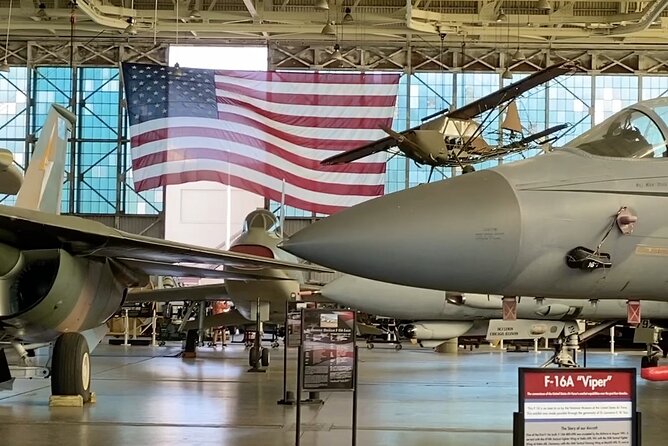
The museum’s strongest trick is turning “Pearl Harbor” into a longer chain of events. You start with the attack setting—then you follow the aircraft forward in time.
Here’s how that plays out on the ground:
- WWII attack reality: Those bullet holes in the hangar environment are hard to ignore, and the museum also includes actual footage tied to the attack. Pair that with the documentary East, Wind, Rain, and you’ll get a clearer sense of what people faced.
- Midway-era connections: You’ll see exhibits tied to the Battle of Midway. Even if you don’t know the details yet, the museum structure makes it easier to understand why aviation was central to turning points in the Pacific.
- Korean War fighter aircraft in MiG Alley: MiG Alley brings you into the next chapter with fighter planes from the Korean War era. It’s a smart contrast: you’re not stuck looking at WWII alone, and the museum doesn’t treat later history like an afterthought.
One tip: if you only have the energy to focus on one portion of the story, aim for the transition from WWII to MiG Alley. It’s where the museum feels most like a living timeline instead of a single-day monument.
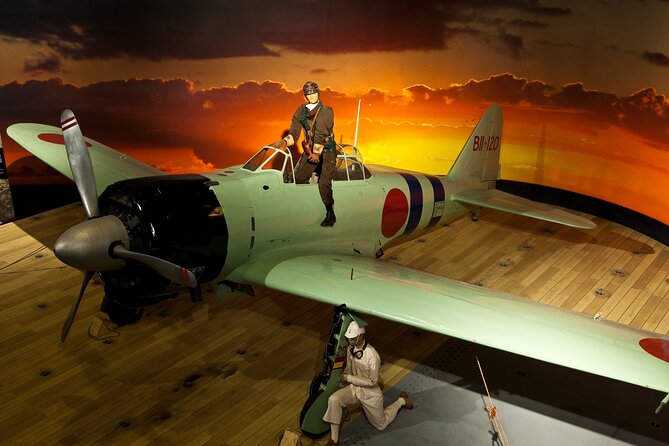
Also, if you’ve been expecting purely American aircraft only, you may find the mix of planes tied to both sides of the Pacific air war especially interesting. Seeing the hardware up close helps strip away the abstraction.
Film, documentary, and aircraft cockpit moments
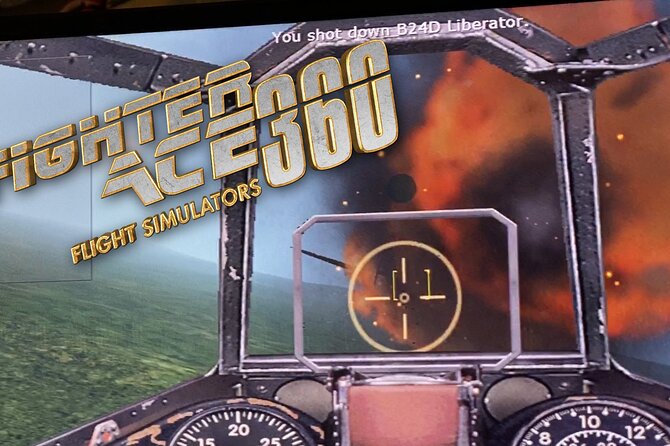
Not every museum can compete with the “feel” of actual flight gear, but this one uses media and hands-on-style stops to keep you from glazing over.
You can expect:
- A film with actual footage of the attack, narrated through survivor perspectives.
- The short documentary East, Wind, Rain, which adds emotional and historical grounding without dragging on.
- A control tower video moment, which can help you understand what surveillance and decision-making looked like during the period.
- Aircraft exhibits that include cockpit-style moments. One highlight people talk about is an F-111 cockpit exhibit, which turns the aircraft from a static object into something more tactile.
How to use these moments: watch the film or documentary before you spend too long scanning the aircraft. Then your brain stores the story in the right order, and you’ll find it easier to connect particular planes to particular events.
If you prefer to skip media and go straight to the aircraft, you can still do that—but I’d at least squeeze in the main attack footage early. It’s the quickest way to make everything else feel like more than metal.
You can also read our reviews of more museum experiences in Honolulu
Hangar Café breaks and museum store time (what’s not included)
This ticket covers entry and the audio, but it doesn’t cover meals or shopping. That means you’ll need to budget for food and drink separately if you get hungry.
That said, the Hangar Café is on site. It’s the kind of break that helps you reset without losing your whole day to transportation back and forth. If you like to wander slowly and read signs, plan on at least one café stop.
A small but important practical detail: Ford Island can get hot while you’re looking at aircraft. Bring a hat and water. It’s easy to underestimate how draining it can be to stand outside for long stretches of the day, even if you’re excited.
And if you’re bringing bags, plan for storage at the entrance. One visitor described needing to store bags for about $8, so pack like you’d want to carry your essentials comfortably.
Pricing and value: why $29.99 can feel fair
At $29.99 per person, this ticket isn’t trying to be a low-cost add-on. You’re paying for a bundle: priority entrance to the museum, access to the hangar exhibits and aircraft collection, an audio headset, and a complimentary shuttle to and from Ford Island.
That bundle matters because it removes friction:
- Priority entrance saves time on arrival.
- The shuttle reduces the hassle of getting to the right island location.
- The audio headset is included, so you’re not hunting for devices or paying extra.
Where the “value” can change for you: food, shopping, and any add-ons aren’t included. If you’re also interested in extra attractions beyond the museum core, you may need a separate purchase. If you’re the type who likes to sit, watch, and fully read labels, the included time (about 9 hours) helps justify the price because you’re not forced to sprint.
If you’re comparing against doing a memorial-first day, think of this as the air-war counterpart. It’s not competing with the big memorial moment; it’s giving you the aircraft perspective that the memorial alone can’t provide.
Planning a smooth 9-hour day starting at 9:00 am
The experience runs for about 9 hours and starts at 9:00 am. That’s a good length for people who want time to move at a museum pace, not a “quick hit.”
Here’s how I’d structure your day so it doesn’t feel chaotic:
- Start strong in the hangars while your attention is fresh. Focus first on the WWII context and any exhibits that connect directly to the attack footage.
- Watch the film and documentary early enough that you can understand the aircraft roles while you still have the story order in mind.
- Use the café as a reset, not a scramble. Plan it after you’ve done one hangar section and want a breather.
- Save MiG Alley and the later-war aircraft for when you’re ready to shift the timeline. The change of era keeps the visit from turning repetitive.
If you’re heat-sensitive, adjust your pace. You can always take more breaks near the café or indoor exhibits if you feel yourself flagging.
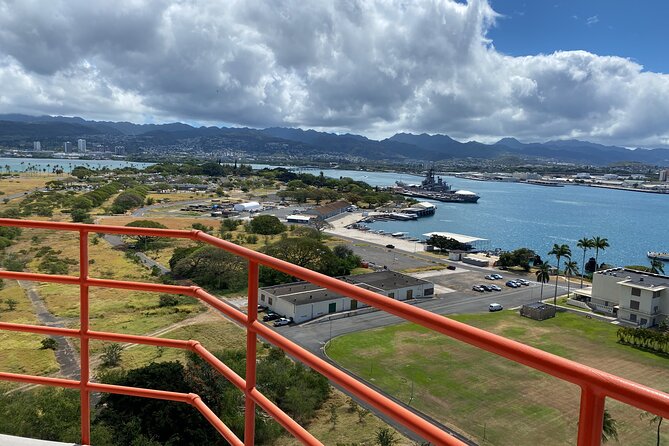
One more caution: there’s mention of a tower tour option, but it’s not included here. If that’s something you care about, check in advance so you’re not surprised later in the day.
Who should book this museum ticket?
This ticket fits best if you like any of these:
- Aircraft history and close-up exhibits
- WWII and Pacific air-war context
- People who enjoy audio-guided museum pacing
- Families who want an activity that stays interesting for hours
It also helps that children under 4 are free (with an adult), and most people can participate. Service animals are allowed too.
I’d especially recommend it to aviation enthusiasts and couples who want a day with clear structure but room to wander. If your group includes one person who loves planes and another who worries they’ll get bored, the museum’s mix of media, hangar setting, and clearly marked exhibits can make it work.
The one group I’d be careful with: if your top priority is the USS Arizona Memorial itself. This ticket is for the aviation museum focus on Ford Island, so plan the memorial separately if that’s part of your must-do list.
Should you book this Pearl Harbor Aviation Museum ticket with audio and shuttle?
Yes—if you want the aircraft side of Pearl Harbor and the story of the Pacific air war, this is a strong buy. The priority entrance, included audio headset, and shuttle make it less stressful, especially if you’re visiting as part of a packed Hawaii itinerary.
Skip it or re-check your plan if:
- You’re expecting it to replace USS Arizona Memorial admission.
- You need meals included (food isn’t part of the ticket).
- You want add-on attractions like the tower tour without paying extra.
If you’re trying to make your Pearl Harbor day feel complete, this museum gives you a practical missing piece: you’ll see the planes, learn the roles, and connect the dates to aircraft you can point at and understand.
FAQ
How long is the Pearl Harbor Aviation Museum ticket experience?
It’s listed as approximately 9 hours.
Is the shuttle included?
Yes. The ticket includes a complimentary shuttle to and from Ford Island.
What does the audio tour include and what languages are available?
A headset is included with the ticket, and the audio tour is available in English, Spanish, Japanese, French, Korean, and Mandarin.
Where is the museum located?
The museum is on Ford Island in Honolulu, with exhibits housed in two hangars: Hangar 37 and Hangar 79.
What’s included in the ticket price?
The ticket includes access to the museum’s aircraft exhibits, an included audio tour headset, and priority entrance, plus the complimentary shuttle.
Are meals included?
No. The ticket does not include restaurant meals or shopping, though there is a Hangar Café on site.
Can I cancel and get a refund?
Yes. You can cancel for a full refund up to 24 hours before the experience’s start time.