REVIEW · SHOWS & LIVE ENTERTAINMENT
Rock-A-Hula Ticket
Book on Viator →Operated by Star of Honolulu Cruises and Events · Bookable on Viator
A hula show with fire and pop hits. Rock-a-Hula at Royal Hawaiian Center turns Hawaii’s music-and-dance story into a stage production, with a live band, dancers, and movie-screen-style concert footage. I like the big Royal Hawaiian Theater setup and how the show spans musical eras. One thing to weigh: it’s part traditional hula, part rock/pop-era tributes, so it may not match everyone’s idea of a purely Hawaiian program.
For me, the two best parts are the live band and skilled dancers delivering everything from hula styles to high-energy fire knife-style moments, and the no-stress seating situation in a 750-seat venue where people report there aren’t really bad seats. I’m also glad the ticket includes a meet-and-greet with the cast, which makes it more than just passively watching.
My one drawback for some visitors: the production can lean heavily into Elvis and Michael Jackson segments, and a few people noted the music level can make vocals harder to catch. If you’re hoping for a show that stays mostly traditional throughout, you’ll want to set expectations before you buy.
In This Review
- Key Things I’d Plan For
- What You’re Actually Buying at Rock-a-Hula in Waikiki
- Royal Hawaiian Theater Seating: Why “General Seating” Still Works
- The Main Event: A Stage Time Capsule From Past to Present
- Elvis and Michael Jackson Tributes: The Fun Factor (and the Tradeoff)
- Fire Dance and “Rockin’” Energy: The Moment You’ll Remember
- Meet & Greet With the Cast: Why It Changes the Value
- Price and Value: Is $99 a Fair Deal in Honolulu?
- Timing, Tickets, and Weather Reality Check
- Who This Show Suits Best (and Who Might Feel Mismatched)
- Should You Book Rock-a-Hula at the Royal Hawaiian Theater?
- FAQ
- What time does Rock-a-Hula in Honolulu start?
- How long is the Rock-a-Hula show?
- What does the ticket include?
- Is the ticket mobile?
- Does it run in bad weather, or can it be canceled?
- Can I cancel for a full refund?
Key Things I’d Plan For
- Royal Hawaiian Theater comfort: 750 seats, general seating, and soft, spacious seating reported by guests
- Music timeline from the 1920s to today: a clear through-line rather than random performances
- Fire dance moments: a highlight of the show’s physical wow factor
- Elvis and Michael Jackson tributes: fun energy, but not strictly “all Hawaiian, all the time”
- Meet-and-greet included: you get cast interaction as part of your ticket
- Book ahead: on average, this one gets reserved about 27 days in advance
What You’re Actually Buying at Rock-a-Hula in Waikiki
Rock-a-Hula is one of those “one evening, lots of Hawaii” productions. It’s staged at the Royal Hawaiian Center and presented as a time-journey through how Hawaiian music and dance evolved—from older styles (like hapa-haole-era influences) to more contemporary sounds and movements.
This matters because a lot of Waikiki visitors only have time for one “big show” on Oahu. Here, you’re not just watching a dance. You’re watching how the performances changed as outside influences and modern music reshaped what people sang and danced to. That’s a more satisfying payoff if you’re trying to understand the islands in a night, without doing a full day of cultural workshops.
Also, the production is built like a modern concert: live band, singers, dancers, lighting, and stage pacing. Some people love that show-business energy; others want more quiet, slower, traditional storytelling. If you’re somewhere in the middle, you’ll likely enjoy the mix.
You can also read our reviews of more tours and experiences in Honolulu



Royal Hawaiian Theater Seating: Why “General Seating” Still Works
Your ticket gets you general seating in a theater described as a 750-seat, premier Royal Hawaiian Theater. That combination is what makes this ticket easier to justify: you’re paying for a high-quality theater environment, not a cramped “sit anywhere” setup.
In practice, the show’s biggest seating win is how people describe the views. Multiple guests say there are no bad seats, and that the seating is soft and spacious. Even if you end up somewhere not-perfect in theory, the staging is designed for visibility—dancers are on a main stage, and the production relies on lighting and musical cues, not tiny details you’d miss from one corner.
The show runs around the evening start time (meeting points begin at 7:15 pm). That means you’ll likely be arriving with other Waikiki activity energy in your legs. If you’ve been walking all day, you’ll appreciate that the venue is indoors and not a long, uncomfortable outdoor wait.
The Main Event: A Stage Time Capsule From Past to Present
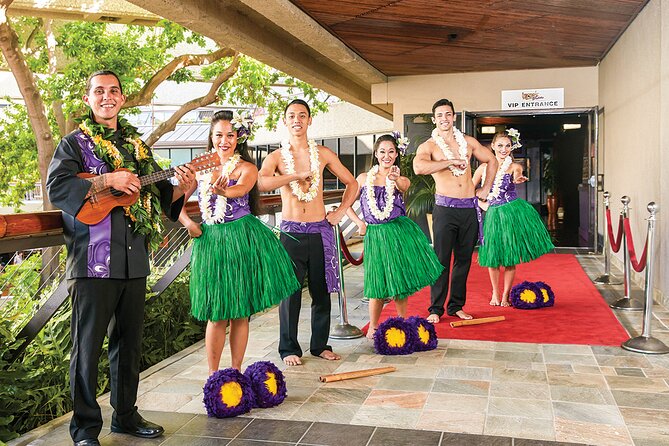
The heart of Rock-a-Hula is the production itself, which flows through decades. You can think of it as a “music-and-dance evolution” story told with performances, costumes, and period-appropriate songs. The program specifically highlights Hawaii’s shift from earlier popular styles influenced by outside sounds into later, more modern forms.
What I like about this format for your planning is that it’s easy to follow even if you don’t know Hawaiian music terms. The show doesn’t require you to study beforehand. The pacing does that work for you: you’ll hear the musical changes, watch the dance changes, and see how the stage production modernizes over time.
You’ll also get key performance elements that keep the night moving:
- Live band music that drives the tempo changes
- Dancers showing different hula styles and stage movement
- Fire knife-style dancing that provides those unforgettable “wait, is that real?” moments
- Captivating imagery tied to actual concert footage, which adds scale
Even if you’re a “just tell me what I’ll see” kind of person, this is a show designed to deliver visible milestones: a newer sound comes on, costumes shift, dancers change, and the fire act lands right when your attention is fully awake.
One more practical note: the experience is listed as operating in all weather conditions, and also says it can be canceled due to poor weather with an alternate date or a full refund. In the real world, that usually means the theater show is the plan, but policies protect you if conditions force changes. So if you’re traveling in a rainy season, keep an eye on your confirmation details the day-of.
Elvis and Michael Jackson Tributes: The Fun Factor (and the Tradeoff)
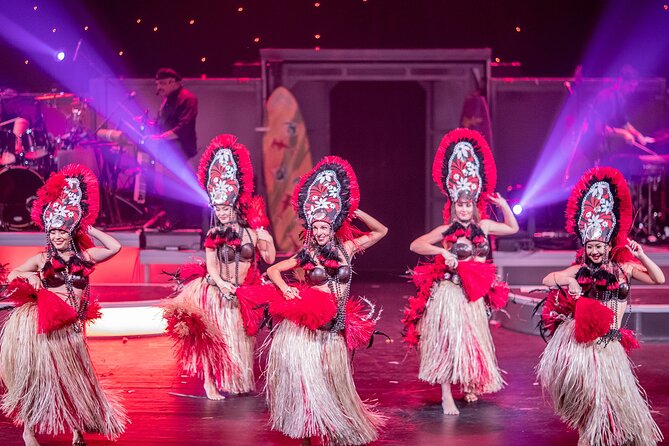
Here’s where Rock-a-Hula most clearly becomes a “choose-your-own-genre” night.
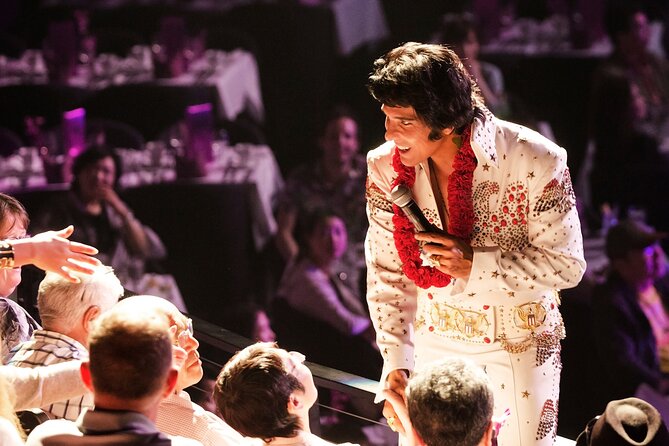
Many guests call out the Elvis and Michael Jackson segments as highlights. Those performers are presented as tribute artists, and for some people they’re the most memorable part—especially if you grew up on that era of pop music or you just enjoy recognizable hits done with serious choreography.
The upside for you: those segments make the show accessible. You don’t need deep cultural background to feel the energy, sing along, and enjoy the stagecraft.
The tradeoff: a few people wanted more strictly Hawaiian music and traditions, and some also felt there was too much singing or that the band volume overpowered vocals. This isn’t a reason to avoid the show—it’s a reason to know what kind of audience it’s built for.
If you want a night that’s:
- Part concert-style pop energy
- Part hula and fire performance
- Part musical timeline
…then you’ll likely feel like you got value. If you’re seeking a quieter, slower, “only traditional hula” experience, Rock-a-Hula might feel like it’s mixing two worlds.
Fire Dance and “Rockin’” Energy: The Moment You’ll Remember
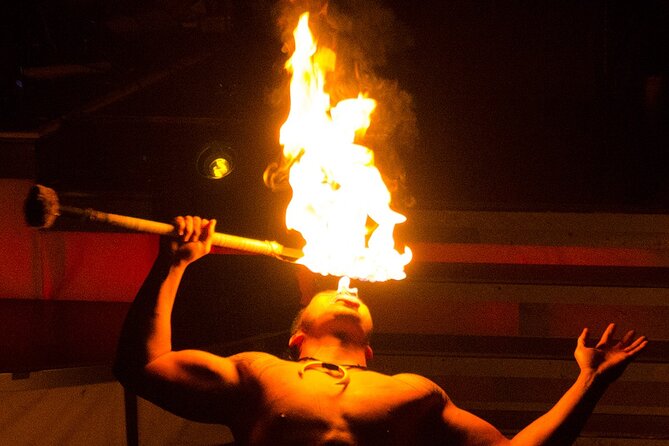
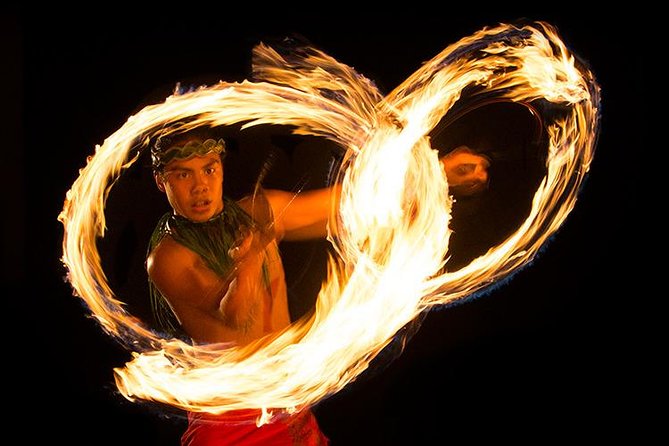
People consistently mention the fire act—the knife-style dancing and fire dance elements—as the wow factor.
That’s not just showy. In a well-produced production, fire dance works because it sets a physical contrast against the quieter cultural moments. You see hands, costumes, and rhythm shift into something dramatic and immediate. It’s also a strong family-friendly moment because the visuals are understandable across ages.
If you’re worried about whether fire dance is safe or appropriate for a general audience: the show is staged in a professional theater setting with a live band and choreographed performance structure. You’re not watching a street act; you’re watching a designed production meant for a mainstream audience.
Also, remember that the show is described as having energetic performances, not a long sit-and-read museum vibe. If you’re traveling with kids, or you don’t want to spend your vacation night trying to stay awake through slow segments, this kind of staging is built to keep attention.






Meet & Greet With the Cast: Why It Changes the Value
Your standard Rock-a-Hula ticket includes a meet-and-greet with the cast. That sounds like a small perk, but it often becomes the reason families and couples feel more satisfied after the show.
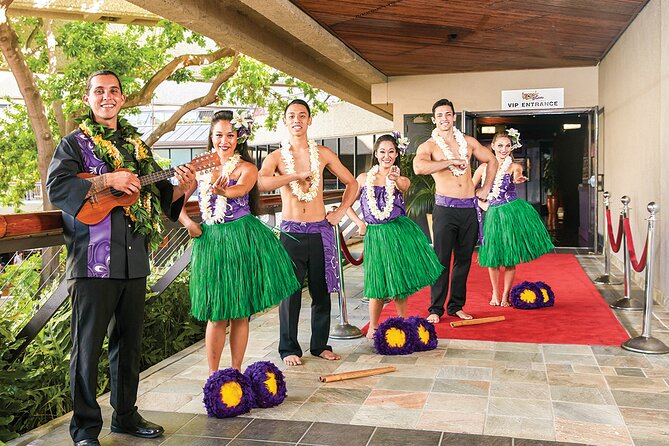
A meet-and-greet turns the experience from one-way entertainment into a memory you can carry home. It also gives you a moment to connect with the performers who are working so hard on stage. In many stage productions, performers stay in performer-only zones after the curtain. Here, they build in cast interaction as part of the package.
If you’re the type who likes a “final cap” after the performance—rather than rushing out immediately—this is a nice way to spend the last minutes of your night at Waikiki.
VIP is also offered, but the exact VIP benefits like special seating or a specific meal plan aren’t detailed in the info I have. So if you’re considering VIP, I’d focus on what you’ll personally use: better seats, added food, or extra interaction.
Price and Value: Is $99 a Fair Deal in Honolulu?
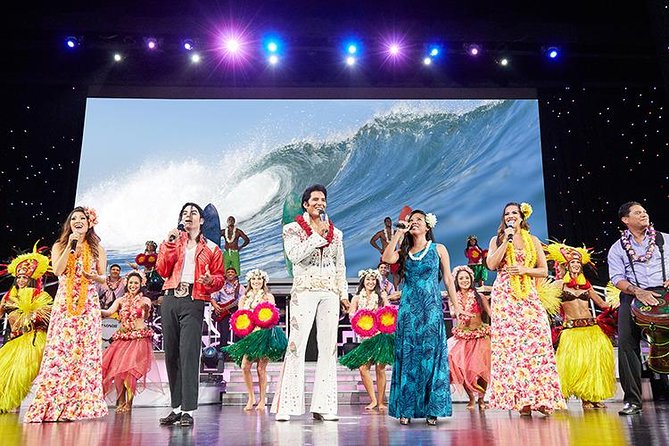
At $99 per person, this ticket sits in the “big show” category. The value comes from what you actually get in one package:
- A professional theater environment at a 750-seat Royal Hawaiian Theater
- A live band plus dancers (not a recorded soundtrack show)
- A show designed around a clear theme: how Hawaiian music and dance changed over time
- Included general seating and a meet-and-greet with the cast
You’re also not stuck with “only one thing.” The show includes multiple types of performance, so the night feels full even if you don’t recognize every song style.
One caution from what’s been shared: the ticket price does not include a buffet. If you want a full dinner setup tied to the show, you may need to pay extra. A reported buffet upgrade price was around $96 per person, and the buffet setup was described in a way that suggests it’s not necessarily a luxury dining experience. Translation for your planning: if dining is your main goal, check what meal upgrade you’re actually buying and whether it fits your expectations.
If you just want the show, $99 can feel reasonable—especially compared to the cost of doing multiple separate entertainment items in Waikiki on the same night.
Timing, Tickets, and Weather Reality Check
Rock-a-Hula starts with a 7:15 pm start time listed for the experience. The show itself is about 1 to 3 hours depending on production flow.
That timing is very workable. It fits:
- Families who need an early-ish evening option
- Couples who want one scheduled activity without losing the whole day
- Anyone who wants a “tonight is my show night” plan
The ticket uses a mobile ticket, which is helpful in Honolulu where you may already be juggling maps, parking, and reservations. Confirmation is received at booking.
For weather: the experience is listed as operating in all weather conditions, but it also states that if the experience is canceled due to poor weather, you’ll be offered a different date or a full refund. So plan on the show happening, but keep your schedule flexible the day-of just in case the provider has to adjust.
Who This Show Suits Best (and Who Might Feel Mismatched)
Rock-a-Hula is a strong fit if you want:
- A family-friendly evening that’s energetic and easy to enjoy at multiple ages
- A “see the story in one sitting” kind of cultural entertainment
- A live performance that combines hula, modern music influences, and fire dance
It’s also a great pick if you like pop music style entertainment and enjoy the idea of Elvis and Michael Jackson tributes mixed into a Hawaiian performance theme. Many guests specifically highlight those segments as standouts.
But I’d be cautious if your personal goal is:
- A strictly traditional Hawaiian music-and-hula night with minimal pop influence
- A show where vocals are always perfectly clear over the band
In that case, the production style—especially the rock/pop lean—might feel like a compromise.
Should You Book Rock-a-Hula at the Royal Hawaiian Theater?
I’d book Rock-a-Hula if you want a high-energy, polished stage show in a comfortable theater that tells you a lot in one night. The included meet-and-greet, the professional theater setting, and the mix of hula, fire dance, and live music are exactly the ingredients that make this feel worth it when your time in Honolulu is short.
I’d think twice if you’re coming specifically for a traditional-only cultural program or you’re very sensitive to vocal clarity and sound balance. In that case, look closely at what you’re hoping to feel during the night: entertainment hits and fire visuals, or mostly traditional Hawaiian performance without the pop-tribute framing.
If you’re flexible and you want a memorable Waikiki evening, this is one of the easier “yes” decisions on the Oahu show circuit.
FAQ
What time does Rock-a-Hula in Honolulu start?
The meeting point/start time is listed as 7:15 pm.
How long is the Rock-a-Hula show?
Duration is listed as about 1 to 3 hours.
What does the ticket include?
The ticket includes entrance to the Rock-a-Hula show with general seating, a meet-and-greet with the cast, and admission to the Rockin’ Show presentation.
Is the ticket mobile?
Yes. This experience offers a mobile ticket.
Does it run in bad weather, or can it be canceled?
It’s listed as operating in all weather conditions, but the policy also says that if the experience is canceled due to poor weather, you’ll be offered a different date or a full refund.
Can I cancel for a full refund?
Yes. You can cancel up to 24 hours in advance for a full refund. If you cancel less than 24 hours before the experience starts, you won’t receive a refund.