REVIEW · SNORKELING
Snorkeling in Waikiki Many Fish All Levels Free Video & Pics!
Book on Viator →Operated by Discover Tours Hawaii LLC · Bookable on Viator
Fish are waiting off Waikiki. This small-group snorkeling experience in a Marine Conservation Area gives you an easy, close-up look at reef life right in town, plus free photos and video to take home.
I especially like the way you get personalized pictures and a free compilation video without extra upsells. I also like the focus on comfort in the water, with Lynne walking you through gear and helping you settle in at your pace.
One thing to consider: this is not a casual float-and-forget setup. You must be able to float comfortably, have solid leg stability for sand/rocks/waves, and fins are only for experienced snorkelers.
In This Review
- Quick Hits You Should Know
- Waikiki Reef Life, Without the Boat Hassle
- Price and Value: What $38 Really Buys
- Meet Lynne: Small-Group Coaching That Helps First-Timers
- The Gear Rules: Floating First, Fins Only If You Know Them
- Where You Snorkel: A Marine Conservation Area Spot Off Waikiki
- One Hour, Simple Flow: What Happens During the Snorkel
- Fish Viewing Expectations: Why People Leave Smiling
- Families, Couples, and Groups: Who This Works Best For
- Reef Shoes and Footing: A Practical Reality in Waikiki
- What You Get Back: Photos, Video, and a Better Memory
- Booking Ahead and Timing: Pick Your Best Waikiki Window
- Should You Book This Waikiki Snorkel Experience?
- FAQ
- How long is the snorkeling experience in Waikiki?
- What snorkeling gear is included?
- Is this snorkeling suitable for beginners?
- How deep is the water?
- Does the price include photos or video?
- Is transportation or a boat included?
- What if the weather is poor?
Quick Hits You Should Know
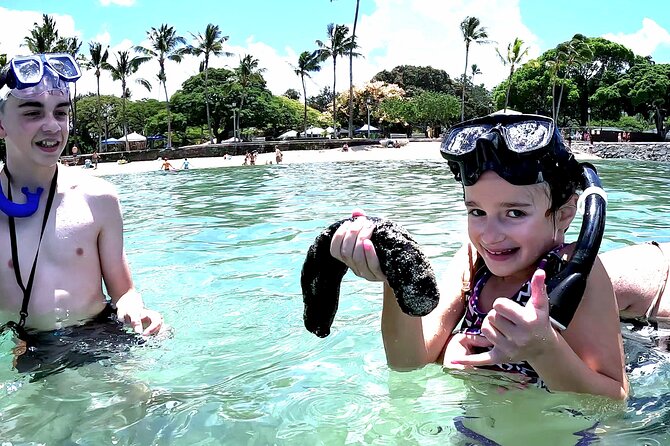
- Free photos and video included: you’ll get personalized pictures and a compilation video
- Shallow water, max about 5 feet: easier than most Oahu snorkeling spots
- Small-group feel: capped at 10 travelers in the operating rules (the host also describes a limit up to 14 max)
- All levels means guidance, not chaos: beginners get time to get comfortable
- Safety rules drive the experience: you’ll use floaty noodles or a belt and match fin choices to comfort
Waikiki Reef Life, Without the Boat Hassle
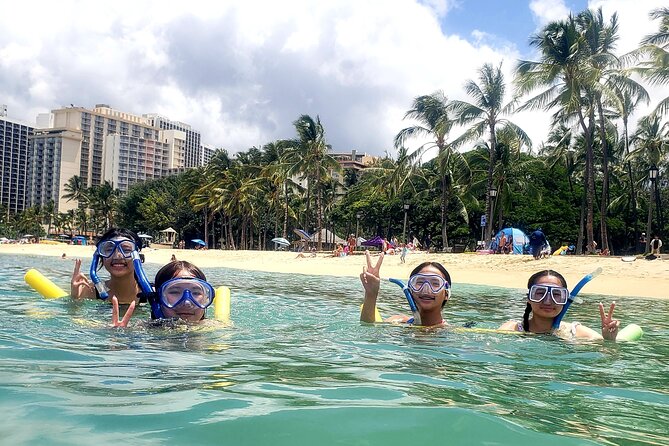
If you want Oahu snorkeling, Waikiki can be the fast track. You’re in shallow water, close to shore, and you’re not dealing with a long boat ride or seasickness as a daily concern. That matters when your “vacation time” is tight.
The big payoff is simple: the water is calm enough for most people to get comfortable, and the reef area is known for fish you can see up close. The host, Lynne, leans into that “see a lot” goal—so it’s not just a check-the-box snorkel.
This is also marketed as a Hanauma Bay alternative. You’re not trying to recreate the whole Hanauma experience, but you are getting that same idea: a protected-water feel with strong chances of fish sightings, right off Waikiki.
You can also read our reviews of more snorkeling tours in Oahu
Price and Value: What $38 Really Buys
$38 for about an hour can sound almost too low—until you look at what’s included. You get the snorkeling equipment, plus free personalized photos and a free compilation video. No transportation is included, and there’s no boat, so you’re paying for the actual snorkel time and instruction, not a big logistics bundle.
That “souvenir” part changes the value. A lot of snorkeling trips give you nothing except your phone battery and a vague memory. Here, you have a real product at the end: photos and video meant to capture what you see.
One practical note: the experience depends on good weather and can be rescheduled if conditions don’t cooperate. That’s normal for Waikiki, but it’s worth keeping in mind when you’re building your schedule.
Meet Lynne: Small-Group Coaching That Helps First-Timers
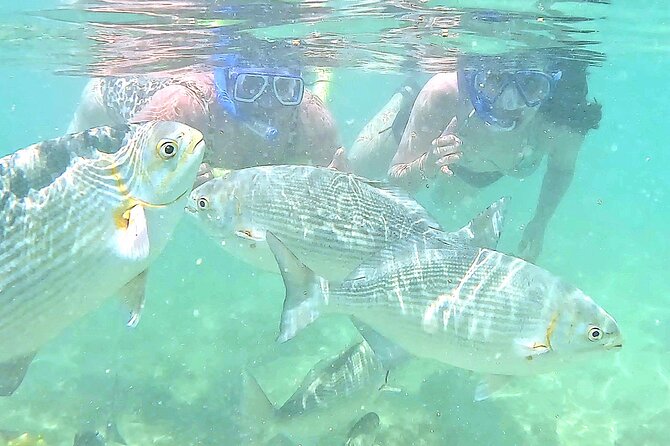
The host style here is built around comfort. Lynne explains things in detail before you get in, helps you set up your mask and snorkel, and gives you the time you need to feel good under water. For many people, that’s the make-or-break difference between “I tried” and “I loved it.”
I like that the instruction isn’t a one-size-fits-all lecture. The experience is designed for beginners and also works for people who already snorkel. You’ll be guided to find the best spots to look, and you’ll get help adjusting to the water and equipment.
And because it’s a small group, you’re not lost in a crowd. You can ask questions, get corrections, and get attention when you need it.
The Gear Rules: Floating First, Fins Only If You Know Them
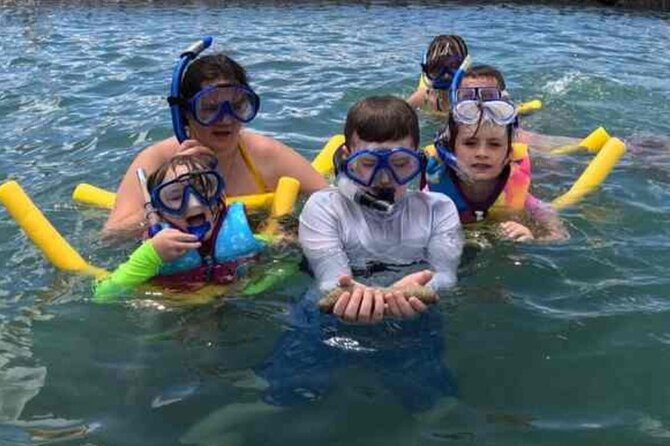
This tour’s safety approach is clear: water depth is max about 5 feet, and you’ll be in a spot where you can walk if needed. Still, the bottom can be thick sand with some rocky areas, and there can be waves. So “easy” doesn’t mean “no skills required.”
Here’s what you’re expected to bring to the water:
- Comfortable floating in the water
- Leg stability for footing on sand/rocks and dealing with waves
- A minimum height requirement: 3.5 feet or taller (for equipment and safety)
- Stable footing is required
You’ll be provided with snorkeling gear: snorkel and mask, plus watershoes in men’s/women’s sizes 3–13, and float assistance such as floaty noodles or a belt. If you already have watershoes like crocs/tevas, you can use them.
Fins are the only “special case.” Fins are only for experienced snorkelers. If you’re new, don’t push it—your goal is comfort and control, not speed.
Where You Snorkel: A Marine Conservation Area Spot Off Waikiki
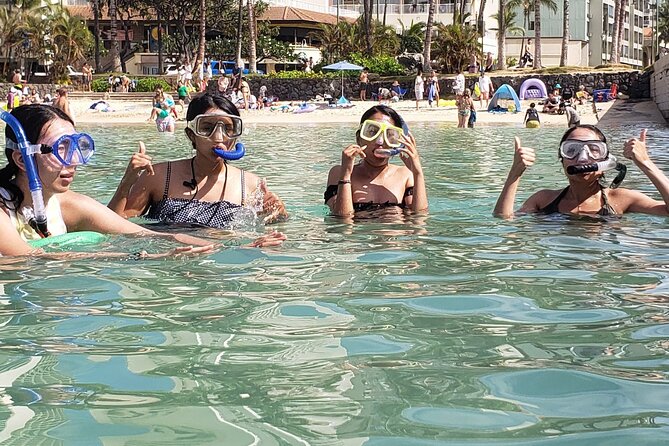
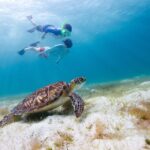
Instead of wandering randomly, you’ll snorkel in a specific location within a Marine Conservation Area. That matters because reef life doesn’t show up on demand, and protected spots are more likely to give you steady sightings.
This host also points out that there are only a limited number of great snorkeling spots on Oahu—so the plan is about using a known good area, not gambling. In plain terms, you’re going to where the fish are expected to be, and you’ll be there at a level that matches the program’s beginner-friendly structure.
Also, since you’re in a conservation area, reef etiquette is part of the deal. That’s one reason the experience emphasizes safe footing and controlled movement.

One Hour, Simple Flow: What Happens During the Snorkel
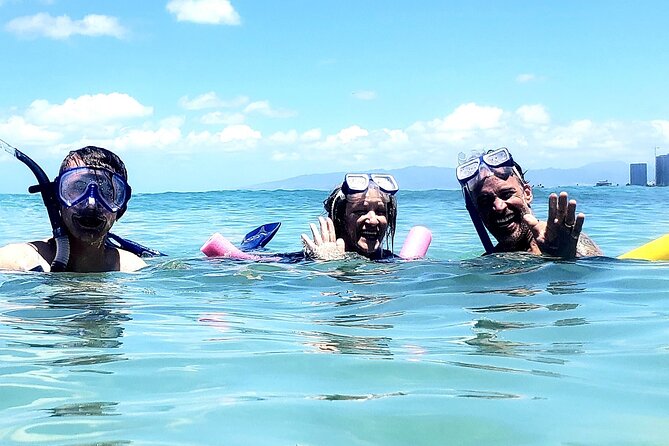
The schedule is straightforward, and that’s part of the appeal. You meet in Waikiki and then you spend about an hour on the water and instruction loop. No boat. No long transit. Just a focused snorkel session.
A typical flow looks like this:
- Gear check and instructions on land
You’ll get help fitting equipment and learning how to breathe and move comfortably.
- Comfort time in shallow water
The goal is to help you learn to float and adjust your breathing with the mask and snorkel.
- Guided viewing of fish and reef features
You’ll be shown where to look while staying safe and stable.
- Photos and video capture throughout
The host is taking images and GoPro-style video so you don’t have to choose between snorkeling and documenting.
- Back to the meeting point
The activity ends where it started.
If you’re anxious about getting water in your mask or feeling awkward underwater, the program is set up to reduce that pressure. The shallow depth and float assistance give you room to practice without panic.
Fish Viewing Expectations: Why People Leave Smiling
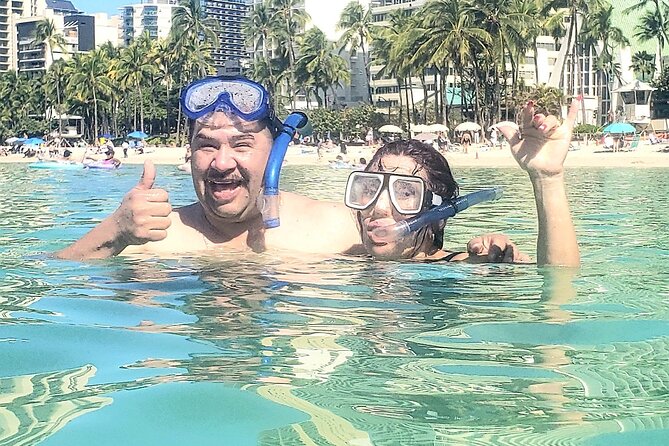
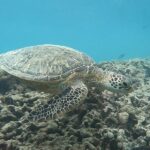
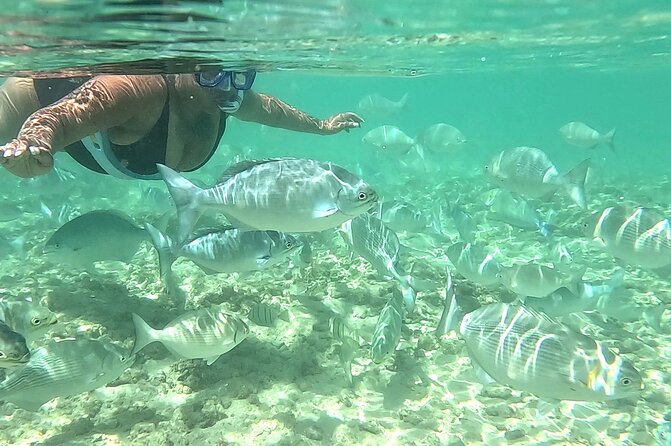
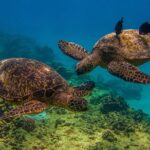
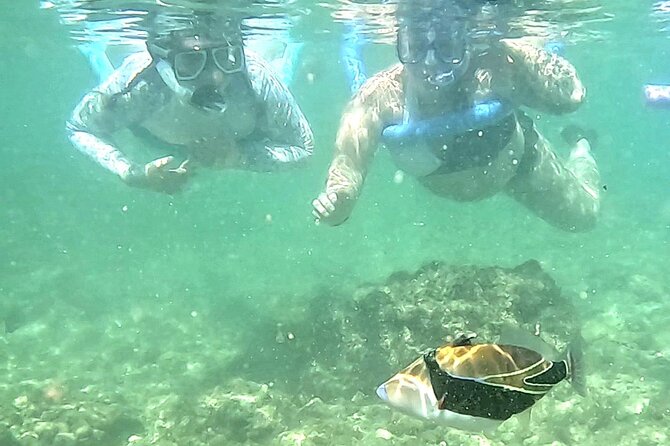
The promise here is not just “you’ll see fish.” It’s “many fish up close.” The snorkel is built around staying in an area where reef life shows up for real viewing, and the host helps you notice things you might miss on your own.
In the experience style, you also get context. Lynne points out fish you can expect to see and identifies what you spot along the way. That turns the session from a generic swim into live discovery—especially if you’re visiting for the first time.
You should expect the water to be calm enough for beginners, but not so controlled that the ocean becomes boring. You’ll still feel the ocean’s presence with small waves and sandy footing, which is part of what makes it feel real.
Families, Couples, and Groups: Who This Works Best For
This is a good fit for:
- Families: shallow water, supportive instruction, and a souvenir video afterward
- Couples: easy access in Waikiki, plus the photos and video are great for shared memories
- Beginner snorkelers: float support and time to get comfortable
- Small groups: you get attention rather than a ticket stamp and a crowd shuffle
It’s less ideal if you’re not comfortable meeting the safety rules. If you struggle to float, have weak leg stability, or are hoping for a low-skill, no-questions-needed experience, this won’t fit your needs.
Also, if your plan is to bring children who are near the height or comfort thresholds, double-check requirements in advance so you’re not surprised at the start.
Reef Shoes and Footing: A Practical Reality in Waikiki
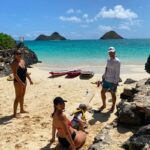
Waikiki snorkeling can be deceiving. The water looks inviting, but the beach approach is where things can get tricky. The program specifically asks for leg stability because you might deal with thick sand, a rocky bottom in spots, and waves.
That’s why watershoes are provided, and why they matter. If you have your own reef shoes that fit well and feel secure, bring them. The host’s approach also supports calmer movement because stable footing makes floating and mask comfort easier.
If you’ve never snorkeled before, treat this like learning any new skill: your first job is stability, not looking down at your feet and trying to “power through.”
What You Get Back: Photos, Video, and a Better Memory
The standout value is the content you leave with. You get free pictures and a free compilation video, and many people feel like it turns the trip into something they can actually revisit. When you’re snorkeling, you don’t always get clear shots, so having the host capture your experience helps a lot.
It also helps you remember fish you might not recognize later. Even if you don’t retain every name, having images and video means you can check what you saw while it’s still fresh.
This is the kind of souvenir that feels more meaningful than a random underwater clip filmed at the wrong moment.
Booking Ahead and Timing: Pick Your Best Waikiki Window
This activity is typically booked about 13 days in advance, so if you’re traveling in a busy season, don’t wait too long. The experience is weather-dependent, and Waikiki can change fast—waves can cancel or reschedule a session.
The good news is that you can ask about different dates and times, and private classes may be available with flexible scheduling. If your schedule is tight, that flexibility can help.
If you’re planning your week, aim to keep at least one backup slot for snorkeling. That increases your odds of getting in.
Should You Book This Waikiki Snorkel Experience?
Book it if you want an easy, close-to-shore snorkeling session in Waikiki with shallow water, strong chances of seeing lots of fish, and real photo/video souvenirs included. It’s one of the better ways to start snorkeling without turning it into a big production.
Skip or reconsider if you don’t meet the safety basics: you need comfort floating, stable leg strength for sand/rocks/waves, and you should avoid fins unless you’re experienced. And if your priority is a long, adventurous open-water snorkel far from shore, this isn’t that style.
FAQ
How long is the snorkeling experience in Waikiki?
It runs for about 1 hour.
What snorkeling gear is included?
Snorkel and mask are provided, along with watershoes and float assistance (floaty noodles or a belt). Fins are only for experienced snorkelers.
Is this snorkeling suitable for beginners?
Yes. It’s designed for all levels, including beginners, with coaching to help you feel comfortable in shallow water.
How deep is the water?
Water is max about 5 feet deep.
Does the price include photos or video?
Yes. The experience includes free pictures and a free compilation video.
Is transportation or a boat included?
No. There is no transportation and no boat included.
What if the weather is poor?
The experience requires good weather. If it’s canceled due to poor weather, you’ll be offered a different date or a full refund.