REVIEW · WHALE WATCHING
1.5-Hour Guided Whale Watching Tour
Book on Viator →Operated by Ocean Outfitters Hawaii · Bookable on Viator
Chasing whales off Oahu is a power move. This 1.5-hour guided trip focuses on fast runs where marine life tends to show up, using an 18-passenger Zodiac-style boat that keeps you close to the action. I especially like how the crew stays attentive and safety-minded without turning it into a nonstop lecture, and how the owner/operator Kevin clearly knows the local waters. One thing to consider: the ride can be rough and the seating is a bit straddly, so bring motion-sickness help and think twice if you have back trouble.
If you’re picturing a calm, long sightseeing cruise, shift gears. The North Shore is where the winter swells roll in at Waimea Bay and where high-surf energy drives the whole coastline, and this tour is built around those conditions so you can scan for whales and other wildlife quickly instead of drifting around. At $99 per person for about 90 minutes, it feels like a splurge, but the small group, speed, and wildlife-first mission are the reason people book it.
In This Review
- Key Highlights You’ll Actually Feel On The Water
- A Fast North Shore Run from Hale‘iwa Boat Harbor
- Waimea Bay Stop: Reddish-Water Shores and Winter Swell Scanning
- North Shore Stop: Surf Warnings, Pipeline Energy, and Wildlife Hotspots
- Marine Life Chances: What You Should Watch For (and What Helps)
- What the Boat Feels Like: Speed, Seats, and Motion-Sickness Reality
- Price and Logistics: Is $99 Worth It?
- Who This Tour Suits Best (and Who Should Skip It)
- Should You Book This Whale Watching Tour?
- FAQ
- How long is the whale watching tour?
- What’s the group size on this tour?
- Where does the tour start and end?
- What language is the tour offered in?
- Does the tour run in all weather?
- Is cancellation free, and how far ahead do I need to cancel?
Key Highlights You’ll Actually Feel On The Water
- Small group (max 18): easier sightlines and a more personal guide experience.
- Fast Zodiac-style vessel: quick hops toward wildlife hotspots rather than slow cruising.
- Kevin’s local know-how: long-running operator energy that shows in how the trip is run.
- Waimea Bay focus: winter wave territory where spotting opportunities often matter.
- Bonus marine life beyond whales: dolphins, sea turtles, and sharks are common targets.
- Crew helps you up and down safely: including turn-taking for the top seats.
A Fast North Shore Run from Hale‘iwa Boat Harbor
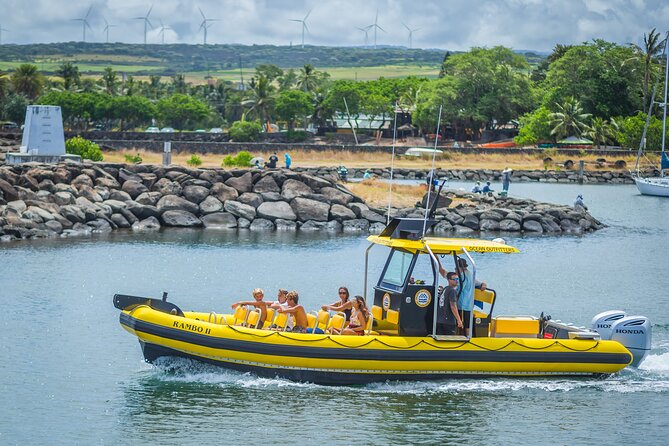
Your tour starts at Hale‘iwa Boat Harbor, and it ends back there. It’s near public transportation, and you’ll use a mobile ticket, so there’s less fiddling once you’re on the ground.
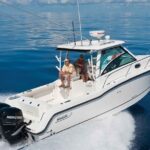
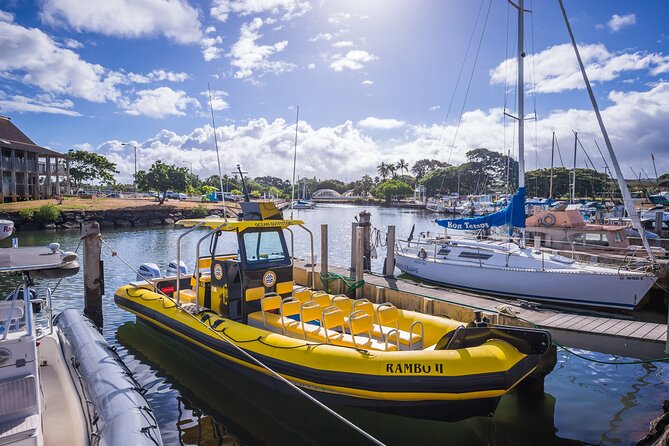
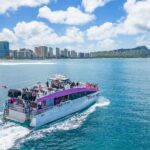
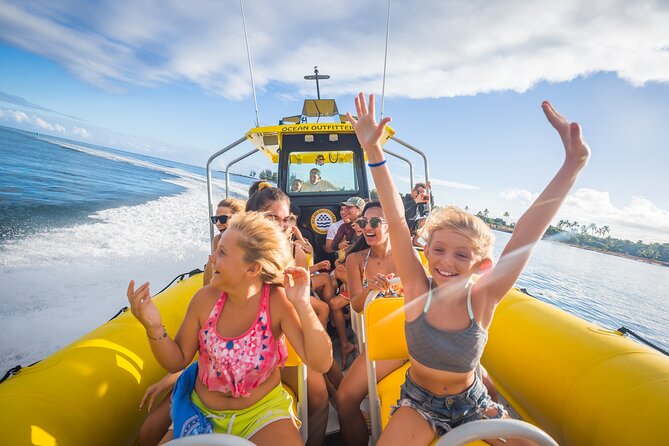
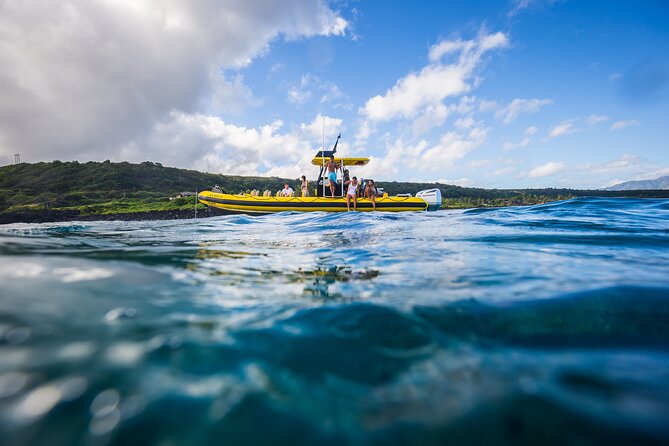
The boat setup is part of the experience. The vessel is described as a Zodiac-style ride and is also called a pontoon boat in different trip accounts, but the theme is the same: it’s fast, low-to-the-water, and built for chasing sightings. With only 18 seats, you’re not craning over a crowd. You also have a chance to rotate into the “Captain’s Chairs” on top, which is where the views and spotting feel most immediate.
I’d call the vibe equal parts adventure and controlled. People highlight how safely the crew gets riders up and down the sling steps, and how the staff is helpful when the ocean is lively. You’re meant to be out there moving with the water, not sitting back in comfort like a ferry.
One practical note: this isn’t a gentle ride for everyone. Some people love the intensity, but one review described it as a wild, roller-coaster-like experience with water spray and little protection from rough conditions. If you’re sensitive to motion, plan for it. If you have mobility or back issues, also read between the lines: the seating style has been described as straddling, which can be awkward on choppier days.
You can also read our reviews of more guided tours in Oahu
Waimea Bay Stop: Reddish-Water Shores and Winter Swell Scanning
The first stop is Waimea Bay. It’s in Hale‘iwa on Oahu’s North Shore, right at the mouth of the Waimea River, with Waimea Valley extending behind it. The name matters here: Waimea means reddish water in Hawaiian, which is a nice reminder that you’re in a real landscape, not just a random launch point.
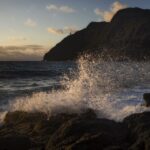
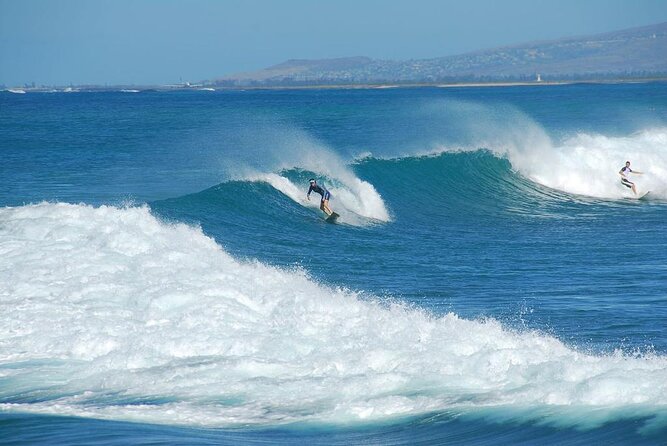
During winter months, the towering North Shore waves start here. Waimea Bay and nearby Waimea Beach Park are part of why Oahu’s North Shore has such a reputation. Even if you don’t care about surfing, the surf context is useful because it tells you something about the ocean conditions this tour is designed around: the water can be energetic, and energetic ocean weather often drives marine activity and creates the kind of visibility and bait movement wildlife follows.
In a 15-minute stop, you’re not doing a long walk or a long scenic break. You’re on the water, looking outward, and trusting the guide’s search pattern. That’s where this tour’s short duration helps: you’re still actively hunting, not killing time.
What I like about this stop is that it anchors your whale-watching effort in a specific “why.” You’re not just hoping. The coastline has seasons, swell, and behavior tied to it, and the tour is built around going there early in the outing so the crew can scan before the light or conditions change.
A drawback risk: if whales are not close (or it’s early/late in the season), the viewing can be more distant than you want. One account mentioned humpbacks during pre-season but farther out. That doesn’t mean the tour is bad. It means you should show up ready for spotting that can be fast and sometimes from range.
North Shore Stop: Surf Warnings, Pipeline Energy, and Wildlife Hotspots
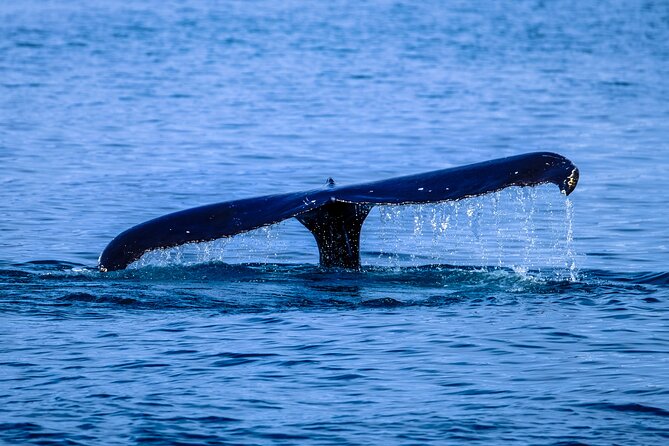
The second stop is simply labeled North Shore, and it’s the stretch of coastline where pro surfers treat big-surf days like a pilgrimage. Sunset Beach and the Banzai Pipeline show up in the local surf lore, and the fun tends to start when the National Weather Service issues high-surf warnings.
For you, that surf-weather emphasis has two practical effects. First, it suggests why the guide expects a higher chance of active marine movement in the area. Second, it tells you the day can feel windy and intense on the water. If you’re chasing whales, dolphins, sharks, or turtles, you’ll want to stay alert even if it’s rough.
This stop also tends to be more about searching and repositioning than about a fixed sightseeing point. In other words, you’re likely to feel the boat changing directions as the crew tracks where marine life is showing, then returns you quickly to the best viewing window. That’s a big part of why people call the experience exciting and why they mention fast-moving runs reaching wildlife hotspots quickly.
Still, manage expectations. Not every outing delivers whales. One couple described seeing mainly sharks and a bird, with whales absent. Another saw sharks and dolphins but fewer whales than expected. Wildlife is wild, and the ocean doesn’t follow a schedule.
The good news is that the crew’s mission isn’t only whales. Multiple accounts talk about seeing sharks close to the boat, plus dolphins and turtles on the same run. Even when whales are shy, you may still get a strong mix of marine sightings.
Marine Life Chances: What You Should Watch For (and What Helps)
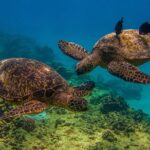
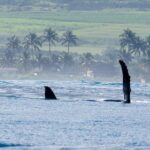
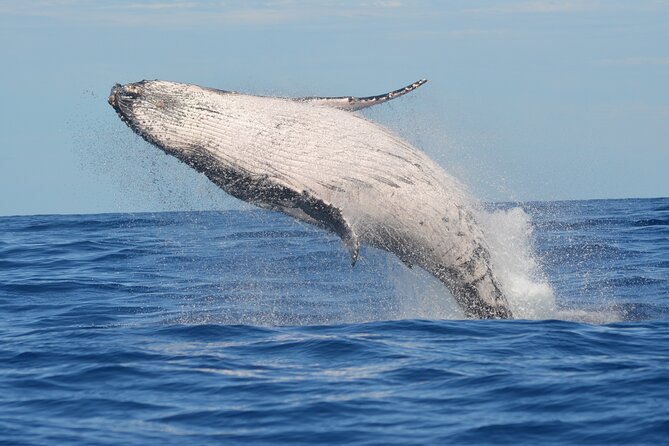
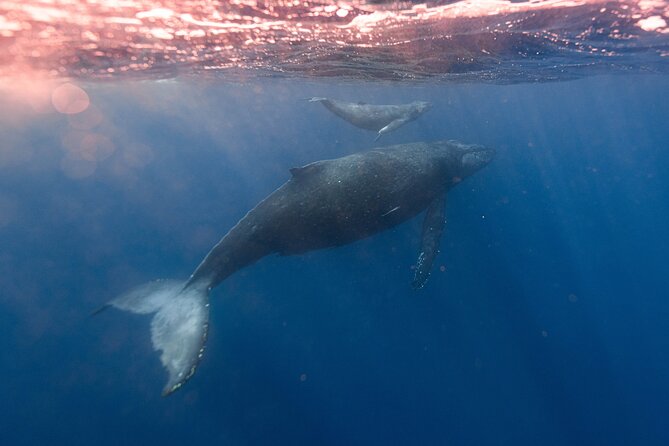
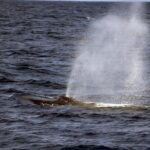
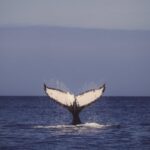
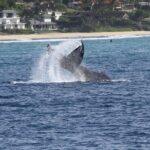
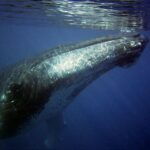
This tour is marketed around whale watching, but the real value for most people is the multi-species hunt. In past outings, people reported humpback whales, lots of dolphins, sea turtles, and Galapagos sharks. There were also mentions of large schools of smaller fish and even blue-footed boobies.
Here’s the mindset I’d use: treat whales as the top prize, but don’t ignore the supporting cast. Dolphins can put on a show fast, and sharks can be breathtaking when you’re close enough to see movement clearly. Sea turtles are also a good reminder that “whale tour” doesn’t mean only whales.
What makes this work better than a passive lookout is the guide behavior. People highlight that guides spot marine life and work to get everyone looking. One solo rider said the crew went above and beyond to make sure passengers saw what was out there. Another said the crew diligently searched until they found whales, even with shy sightings on a cloudy, choppy day.
If sharks are a priority for you, you’ll like the way the crew reportedly makes an extra effort. Several accounts explicitly mention sharks and describe strong viewing, including the feeling of being close to the action.
Also, keep in mind how spotting happens on a speed boat. You’re not staring at one point for an hour. The crew moves you. Your job is to be ready to look the moment someone calls it out, and to keep your footing and posture steady when the boat hits waves.
What the Boat Feels Like: Speed, Seats, and Motion-Sickness Reality
The ride is fast. That’s the whole game. And it comes with a trade-off: some days feel like wave-hopping, and the boat can be rough enough that water spray happens.
Several accounts mention motion sickness strongly. One family trip suggested motion sickness tablets for when the boat was still and floating. Another rider mentioned needing them for comfort. If you’re even a little prone to seasickness, I’d take that warning seriously rather than gamble.
Dress for wind and spray. People recommend:
- a light jacket (for cooler wind over the water),
- sunscreen (North Shore sun can sneak up fast),
- a hat that won’t fly away in gusts,
- and water.
Also think about where you’ll stand or sit. Some riders talk about a fun, interactive setup with turn-taking for the top seats, which sounds thrilling. But one less-positive review described straddling-style seating and said there wasn’t the kind of normal, shaded seating an older traveler would expect. So if you’re traveling with someone who needs comfort and back support, you’ll want to weigh that carefully.
Safety handling seems like a real strength of this operator. Multiple accounts mention how the crew is safe and helpful getting riders up and down the sling steps. That matters because “adventure seating” only works if everyone can do it without fear.
You can also read our reviews of more whale watching tours in Oahu
Price and Logistics: Is $99 Worth It?
At $99 per person for roughly 90 minutes, this is not a bargain. But it also isn’t priced like a long, slow excursion that burns hours. You’re paying for three things that add up:
- Speed to reach where whales and other wildlife may be,
- a small group size (max 18) for easier spotting,
- and an operator that runs trips in a way that keeps people safe while scanning hard.
If seeing marine life is a top goal for your Oahu trip, this fits well. It’s also a good choice if you want a North Shore activity that feels active rather than just another scenic stop.
If you want maximum comfort, do long breaks, and expect whales as a guarantee, then the price might feel steep and the tour might feel too intense. One review specifically called out that the experience description didn’t match expectations around seating comfort and the ride roughness. That doesn’t mean the operator is careless. It means you need to pick the right kind of person to match the right kind of boat.
The average booking window being around 27 days ahead signals that demand is real. If you’re traveling in winter or you want a specific day, don’t wait too long.
Who This Tour Suits Best (and Who Should Skip It)
This is a strong match for:
- adults and families who want hands-on wildlife spotting,
- anyone who’s okay with a fast boat and active hunting,
- travelers who want a small-group experience rather than a crowded boat deck.
It’s a weaker match for:
- people with significant back issues or who need stable, traditional seating,
- anyone who gets seasick easily without planning for it,
- travelers who need a calm, fully shaded, leisurely experience.
If you’re flexible, you’ll do well. This tour is built for dynamic ocean conditions. When the sea is lively, the crew seems to lean into safety and keep the hunt going.
Should You Book This Whale Watching Tour?
I’d book it if whales are high on your list and you like the idea of chasing sightings quickly off Oahu’s North Shore. The small group size, the fast Zodiac-style boat, and the crew’s focus on getting everyone a look are the big reasons this tour lands well.
I’d think twice if comfort is your top priority or if rough water is a deal-breaker. The ride can be intense, and the seating style isn’t for everyone. If you’re going, plan smart: bring motion-sickness help, dress for wind, and keep your expectations real about how unpredictable wildlife spotting can be.
If your goal is seeing a mix of marine life—whales plus dolphins, sharks, turtles—that’s where the value tends to show.
FAQ
How long is the whale watching tour?
It runs about 1 hour 30 minutes.
What’s the group size on this tour?
The tour has a maximum of 18 travelers.
Where does the tour start and end?
It starts at Hale‘iwa Boat Harbor in Haleiwa, HI 96712, and ends back at the same meeting point.
What language is the tour offered in?
The tour is offered in English.
Does the tour run in all weather?
It requires good weather. If canceled due to poor weather, you’ll be offered a different date or a full refund.
Is cancellation free, and how far ahead do I need to cancel?
Yes, cancellation is free up to 24 hours in advance for a full refund. If you cancel within 24 hours of the start time, it’s not refunded.