REVIEW · SCUBA DIVING TOURS
Certified Diver: 2-Tank Shallow Reef Dives off Oahu
Book on Viator →Operated by Dive Oahu Inc · Bookable on Viator
One word: sea turtles. This 3-hour 2-tank shallow reef outing off Honolulu pairs a PADI guide with real local reef sites like Turtle Canyons and Kaiser’s, and it’s built to keep certified scuba folks relaxed and safe. I love the value here because gear rental and snacks are included, and I also like how the crew talks to you like humans, with names like Nacho, Heather, Jordan, Ami, and Lindsey showing up across recent trips.
The one thing to keep in mind is water and weather. Even though the reef sites are shallow (about 25–50 feet), the boat can get choppy, and you’re required not to fly within 24 hours of the water time.
In This Review
- Key Things to Know Before You Go
- Kewalo Basin Harbor Check-In and What Happens First
- The Real Value of 2 Tanks: Time, Depth, and Comfort
- Reef Sites Off Honolulu: Kaiser’s, Turtle Canyons, and Secrets
- Turtle Canyons-style action
- Kaiser’s reef moments
- Secrets-style surprises
- What You’ll See Underwater: Turtles, Rays, Eels, and the Big Bonus Moments
- Boat Ride Conditions: Smooth Enough, But Bring a Plan
- Safety and Gear Handling: The Stuff That Keeps the Day Fun
- Snacks, Refreshments, and Those Little Post-Water Extras
- Mixed Groups on One Boat: If Your Partner Snorkels
- Price and Logistics: Is $141.10 Worth It?
- Who This Trip Fits Best
- Quick Heads-Up on Weather and Cancellations
- Should You Book This Oahu Two-Tank Reef Session?
Key Things to Know Before You Go
- Two shallow reef sessions in the 25–50 foot range, with plenty of time to spot big reef wildlife.
- Free premier gear rental plus snacks and refreshments, so you’re not scrambling before check-in.
- PADI Professional guidance with patient coaching, especially when you’re rusty or returning after time out of the water.
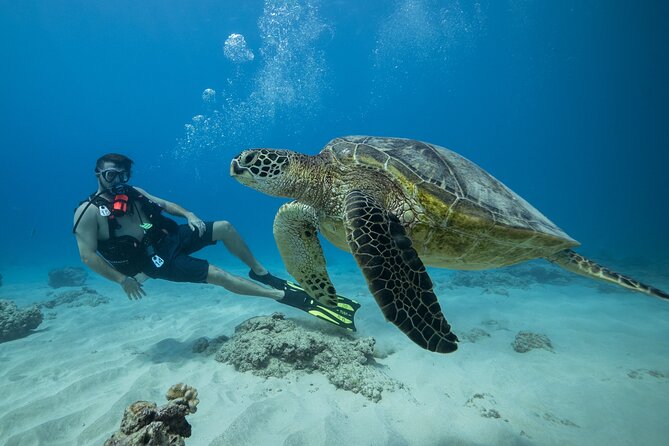
- High wildlife chances, including green sea turtles; you may also run into rays, moray eels, octopus, and even sharks on occasion.
- Small boat group size (max 21 people), which usually means less waiting and more attention from the crew.
- Optional upgrades like GoPro rental, DPV underwater scooter, Nitrox tank rental, private guide, and private photographer.
Kewalo Basin Harbor Check-In and What Happens First
This outing starts at Kewalo Basin Harbor, near Ala Moana in Honolulu, at 1085 Ala Moana Blvd, Suite 109. You’ll return to the same place at the end. The timing matters: you need to be at the harbor about 30 minutes before your scheduled boat departure so the team can handle waivers and equipment fitting.
Before you board, you’ll be asked for a few basics:
- Proof of certification (PADI or another approved program)
- Your weight and date of birth
You also need to be able to swim and be in good health, and you must not fly within 24 hours after your scuba time. If you’ve been off the training cycle for a while, this is one of those trips where arriving early helps you get your bearings fast underwater.
One practical tip: if you’re prone to seasickness, plan for it. A few people noted choppy water, and the crew was still patient and kind, but you’ll enjoy the day more if you handle nausea early (bring your own plan, like medication you’ve used before).
You can also read our reviews of more tours and experiences in Oahu.
The Real Value of 2 Tanks: Time, Depth, and Comfort
The big promise is simple: two tank sessions on Oahu reefs. The water range is listed at about 25 to 50 feet, which is shallow enough for a relaxed pace but deep enough to see plenty of reef action.
What you get from the two-tank setup:
- More time underwater means you can slow down. You’re not rushing to tick off a checklist.
- You get a second chance. If visibility is a little off in the first location, the second site often changes the whole feel.
- For returning divers, it’s a gentler reset. You can focus on breathing control and equalizing without treating the whole day like a test.
You’ll also notice the crew tends to set the pace for different comfort levels. In past groups, guides like Heather and Ami were described as patient when equalization took extra time. Jordan and Lindsey were praised for staying focused on safety while still keeping the mood relaxed.
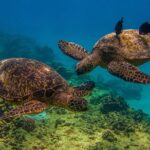
And yes, the marine life can be huge at these depths. Multiple guides have called out big green sea turtles, and on some outings you may spot sharks and rays as well. That’s one reason shallow reefs around Honolulu are so popular: you don’t have to hunt deep to get dramatic moments.
Reef Sites Off Honolulu: Kaiser’s, Turtle Canyons, and Secrets
This experience is built around some of the best-known reef areas in the Honolulu area—Kaiser’s, Turtle Canyons, and Secrets. The exact sites and order can shift based on conditions, tides, and group needs, but the goal stays the same: give you two high-probability reef swims with lots of wildlife sightings.
Here’s what to expect in plain terms.
Turtle Canyons-style action
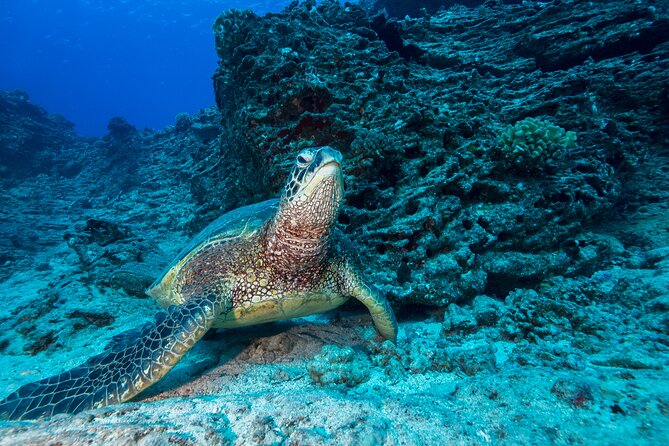
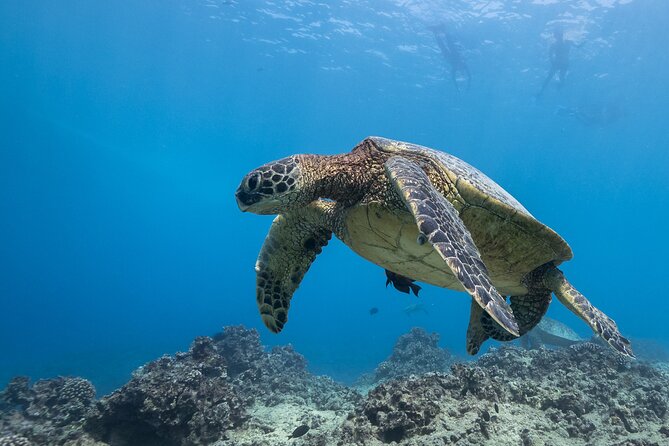
Green sea turtles are the star here, and people consistently describe them as large and plentiful—sometimes with the kind of density that makes you stop photographing and just watch. You may also see moray eels and other reef characters that often stay hidden until you’re right on top of their territory.
One neat detail: a few outings have included turtle activity around a cleaning station. That’s the kind of moment where the behavior is the show, not just the sighting.
Kaiser’s reef moments
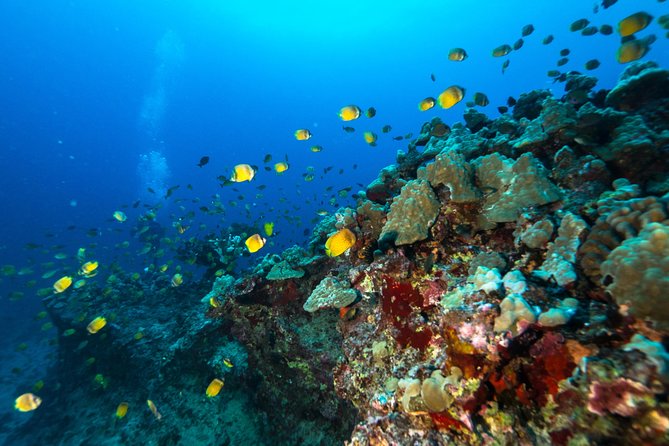
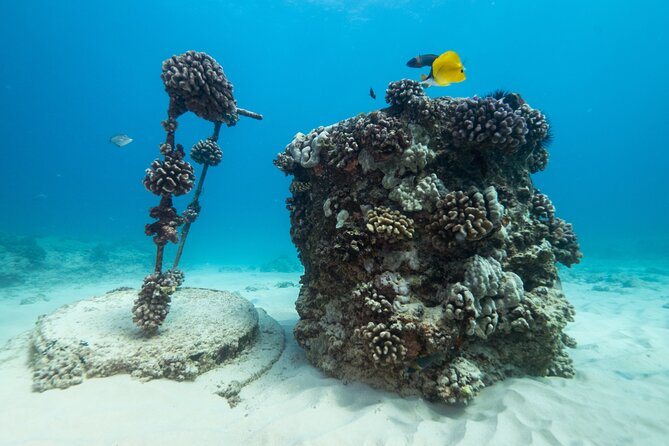
Kaiser’s is the kind of reef name that matters because it signals “structured reef life”—more coral formations and more chances for fish activity. Expect lots of colorful fish, and it’s not unusual to hear about creatures you might miss if you’re swimming too fast.


Secrets-style surprises
The “Secrets” area is often where the experience feels a bit different—more chance for variety in the critters you bump into, and the kind of visibility that makes you feel like you’re reading the reef like a map.
Across recent experiences, people have reported octopus, crabs, eels, blowfish, stingrays, and sometimes reef sharks. You shouldn’t plan your day as a guaranteed checklist, but the odds look strong for memorable wildlife.
What You’ll See Underwater: Turtles, Rays, Eels, and the Big Bonus Moments
If you’re picking this outing because you want wildlife, you’re in the right place. The most repeated highlights are:
- Green sea turtles in large numbers
- Rays (including stingrays)
- Moray eels and other reef predators or ambush hunters
- Octopus and crabs
- Tons of reef fish
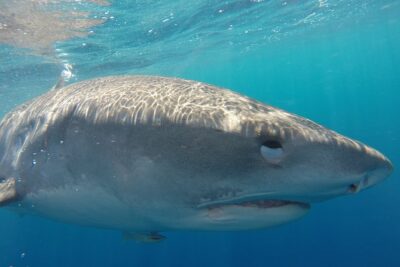
People also reported shark sightings, including a whitetip shark on one trip, plus reef sharks at a second site on another outing. Those are not things you can bank on, but they’re real possibilities here.
The other bonus is what happens before you ever hit the water. Several people noted that the boat time isn’t just waiting: dolphins have shown up near the boat, and on at least one outing the crew guided the group closer to whale shark activity near the surface. Even if you don’t get a whale shark, you can still get dolphins and other marine life while you’re gearing up.
Boat Ride Conditions: Smooth Enough, But Bring a Plan
Most groups rate the ride and day as smooth. Still, Oahu can throw you a little chop, and multiple people mentioned that the water was choppy enough to make seasickness a real issue for some.
So here’s my practical advice:
- If you’ve ever gotten motion sick, plan on it. Don’t wait for symptoms.
- Pack your sea-sickness strategy before you leave your hotel.
- Keep your expectations flexible. Choppy water isn’t the fault of the crew. It just happens, and the team’s job is to keep you safe and supported.
One good sign: people described the crew as patient even when someone had to cut their session short due to seasickness. That matters. It means the operation doesn’t treat a rough moment like a problem you should power through.
Also, in terms of comfort, one review mentioned the boat was bigger and the ride was smoother than expected for those sensitive to choppy water. That’s a plus.
Safety and Gear Handling: The Stuff That Keeps the Day Fun
A lot of dive operations talk safety. This one seems to show it in how they run the day.
Equipment checks and fitting happen before you enter the water, and the crew keeps gear clean and organized. People praised the team for:
- clear pre-water guidance
- steady pacing
- group management that keeps different comfort levels from colliding
- making it easier for newly certified or returning scuba folks to settle in
If you’re experienced, you’ll likely appreciate that the guides don’t waste time. If you’re newer, you’ll like the extra patience. People specifically mentioned being given time to familiarize themselves with the equipment and being coached through equalizing.
Guide names you’ll see credited often include Nacho, Heather, Jordan, Ami, Lindsey, Rachel, Matt, Josh, John, Lindsey, Sam, Emerald, Morgan, Travis, and Jared. You might not get the same crew every time, but it’s a sign the operation keeps a consistent style: supportive, organized, and safety-forward.
Snacks, Refreshments, and Those Little Post-Water Extras
This is where value shows up in a very real way. The trip includes:
- Free premier gear rental
- Snacks and refreshments
That matters on a 3-hour outing where you don’t want to be hungry on the boat or dehydrated during surface intervals. It also reduces your pre-trip shopping stress.
One fun comfort detail: a review mentioned there’s shampoo and conditioner available after the session. You might treat that like a small perk, but for a vacation day, it can be the difference between feeling refreshed and feeling sticky and salty for the rest of the night.
Also, you’ll want to treat the included refreshment time as part of the schedule. Use it. Eat a little. Hydrate. It helps you enjoy the second session more.
Mixed Groups on One Boat: If Your Partner Snorkels
If you’re traveling with someone who’s not ready for scuba, this is a practical plus. One recent outing was described as a shared boat for certified scuba folks and snorkelers, with the snorkelers supported while the scuba group heads under.
So if your group includes both types of water lovers, ask ahead. When the crew can plan the split properly, you avoid the awkward situation where one person is stuck waiting in one place while the other is gone for most of the day.
And even if you personally are scuba-only, it’s worth noting that some people ended up snorkeling when they couldn’t do the scuba portion due to seasickness. That means the day didn’t totally collapse into sitting on the boat.
Price and Logistics: Is $141.10 Worth It?
At $141.10 per person for about 3 hours, the price needs to be measured against what’s actually included.
You’re getting:
- Two tank shallow reef sessions
- Guided support by a PADI Professional
- Free gear rental
- Snacks and refreshments
- A boat day that’s designed to run for small groups (max 21 people)
You’re not getting:
- parking (you’ll need to handle that on your own)
Here’s how I’d think about value:
- If you’d otherwise rent gear, buy snacks, and pay for a guide separately, the bundle can make sense fast.
- The wildlife odds matter too. People consistently report sea turtles and rays, and there are occasional shark sightings. You’re not just paying for a ride; you’re paying for an experienced team that helps you find and enjoy the reef life you came for.
Bottom line: the price looks fair for a guided, gear-included boat day on Oahu, especially if you want two reef sessions rather than a quick one.
Who This Trip Fits Best
This outing is designed for certified scuba folks, including a wide range of ages. It also works well if you’re:
- experienced and want a relaxed reef pace
- newly certified and want structure and safety support
- returning after time away, when you need patience and coaching
It’s less ideal if:
- you’re very sensitive to motion sickness and can’t manage it
- you’re planning to fly within 24 hours (the trip has that no-fly requirement)
- you don’t have certification proof on hand
If you’re already in Waikiki or staying near public transit, the meeting area is convenient. That makes it easier to stack a morning or afternoon with other Oahu plans.
Quick Heads-Up on Weather and Cancellations
This activity depends on good weather. If it’s canceled due to conditions, you’ll be offered a different date or a full refund.
The cancellation timing rules can look a little different depending on the platform you booked through. One part of the info says a 48-hour cancellation policy with payment forfeit within that window, while the booking policy also shows free cancellation up to 24 hours. When you finalize your booking, check the exact terms in your confirmation email so you don’t get surprised.
Should You Book This Oahu Two-Tank Reef Session?
I’d book it if you want a guided two-tank reef day with strong odds for sea turtles and other big reef wildlife, and if you value a crew that keeps the group small and the atmosphere patient.
Skip it or reconsider if you know you get wrecked by choppy water and you haven’t handled that issue before. Also, double-check you’re good to go on timing if you’re flying soon after your vacation plans.
If your checklist is: gear handled, snacks included, two reef stops, and safety-first coaching from a PADI Professional crew, this is a solid fit for an Oahu scuba day.