A day trip with real lava drama. This Oahu-to-Hilo plan pairs a guided run through Hawaii Volcanoes National Park with a helicopter tour over lava scenery, when conditions cooperate. You also get that rare, once-a-lifetime mix of land sights plus an aerial view of Hawaii’s active volcano country—no slow “someday” required.
I really like how the park time is structured around major volcanic stops, including Kilauea and Mauna Loa context, steam vents, and the Nahuku–Thurston Lava Tube area. It’s not just a scenic drive; it’s a route built to help you understand what you’re looking at.
One big consideration: the helicopter fly-over and lava visibility are not guaranteed, and the whole day depends on weather and scheduling. Add the helicopter weight rules (including possible extra-seat charges over 240 lbs), and you’ll want to plan carefully.
In This Review
- Key highlights to know before you go
- Why this Oahu-to-Hilo day trip feels different
- Price check: what $987.82 per person really buys
- The helicopter morning at Blue Hawaiian: briefing first, views second
- Hawaii Volcanoes National Park: built around Kilauea, steam vents, and lava history
- The park overview: Kilauea and Mauna Loa context
- Chain of Craters Road: the long winding “east rift” segment
- Kilauea Volcano stop: quick access to a living volcano
- Steam Vents: the part you can feel
- Nahuku–Thurston Lava Tube: the forested underground approach
- Akaka Falls and the Hilo drive: how they pace the long day
- What I’d watch for based on real experiences
- Weather can change the helicopter outcome fast
- Helicopter comfort can be tight
- Expect a fuller day than you think
- Some tours add quick local stops that may not match your priorities
- Who this tour fits best (and who should skip it)
- Should you book this volcano-and-helicopter day trip?
- FAQ
- FAQ
- How long is the day trip?
- What is included in the price?
- What are you not getting in the included price?
- Is the helicopter fly-over over Kilauea guaranteed?
- Are lava sightings guaranteed?
- What’s the weight requirement for the helicopter?
- What ID do I need?
- What if the helicopter is canceled by the provider?
- What if I cancel?
Key highlights to know before you go
- Helicopter experience is weather-dependent (Kilauea fly-over isn’t promised).
- A guided volcanic route focuses on Kilauea, steam vents, and the Nahuku–Thurston Lava Tube area.
- Short, efficient stops keep you moving through the park and Hilo without getting stuck.
- Professional driver narration (names like Dexter, Everett, Hugh, Anthony show up in guide praise).
- Akaka Falls fits nicely into a packed day with lunch included.
- Max group size is small (12 travelers), which helps the day feel controlled.
Why this Oahu-to-Hilo day trip feels different
This tour is built for people who want maximum “big island payoff” without a full multi-day stay. You’re jumping islands for a single day, and you’re doing it with a tight agenda: Hawaii Volcanoes National Park on the ground, plus a helicopter flight designed to show you lava fields and falls from above. Even the timing works like that: it’s about compressing the most dramatic parts into one long day.
I like that the land portion isn’t random. You move from a national-park “big picture” section into specific volcanic viewpoints: Kilauea stop time, steam vents, then the lava tube area. That structure helps you build a mental map as you go, so you don’t just see smoke, rocks, and steam—you understand what those features are doing right now.
The helicopter part is the headline, but the park part is the payoff. If you’ve ever worried that volcano tours turn into vague sightseeing, this one gives you targets: Halema’uma’u-related eruption context (from June 2023), Kilauea and Mauna Loa being central to the park, and active geothermal steam vents you can see and feel.
You can also read our reviews of more tours and experiences in Oahu


Price check: what $987.82 per person really buys
Let’s be honest: this is not a budget day. At $987.82 per person, you’re paying for three things that normally cost a lot separately:
- Interisland round-trip airfare (Oahu to Hilo and back), with the note that flight schedules and possible overage fees can apply.
- A contracted 45-minute helicopter tour with strict FAA weight handling.
- Guided, narrated sightseeing plus lunch.
That value makes sense if you compare it to cobbling everything together yourself: chartered helicopter time is expensive, and a well-run guided day across multiple park stops is hard to replicate with a rental car when you’re doing it in one day. Where you should be cautious is the part that can’t be guaranteed: weather. If the helicopter changes or doesn’t deliver the fly-over you hoped for, you still get the land route—but the “wow” factor drops fast.
I also like that the tour stays capped at a maximum of 12 travelers. A smaller group doesn’t make volcanoes erupt on schedule, but it often means less chaos and more efficient transitions during a 12-hour day.
The helicopter morning at Blue Hawaiian: briefing first, views second
Your day starts with Blue Hawaiian Helicopters and a mandatory safety briefing. Plan on a 45-minute briefing as part of the setup, not an optional extra. This matters because it signals the vibe: they’re serious about safety, and you should treat the weighing and boarding process as part of the choreography.
A key detail: a Kilauea fly-over is not guaranteed and depends on existing weather conditions. In other words, you’re buying a helicopter tour over the volcanic area, but you’re not buying a promise that you’ll see the exact lines of lava or the specific crater-top views you had in mind.
There’s also FAA-style weight handling that you need to take seriously. All passengers and bags are weighed at check-in. If you’re over 240 lbs, you’ll be contacted about a possible comfort seat charge for an additional seat, paid directly to the operator. If you want fewer surprises, give accurate body weight at checkout.
Hawaii Volcanoes National Park: built around Kilauea, steam vents, and lava history
Once you land on the island side of the itinerary, the park portion is where you get to slow down just a bit and see real geology up close. The tour includes about two hours in Hawaii Volcanoes National Park with admission ticket coverage, then moves through short, focused stops.
Here’s what each stop is doing for you:
The park overview: Kilauea and Mauna Loa context
You’re visiting a place where Kilauea and Mauna Loa are not just names on a map. The tour plan highlights Kilauea’s recent activity, including eruption activity in June 2023 where fountains of lava reportedly rose up to about 50 feet. That context matters because the park feels different after you understand what has been happening recently.
You can also read our reviews of more tours and experiences in Oahu




Chain of Craters Road: the long winding “east rift” segment
The itinerary includes driving through Chain of Craters Road, a 19-mile (31 km) paved route through the East Rift and coastal area. Some sections can be inaccessible. That’s a practical reality of volcanology: the ground changes, and roads can be limited. If parts are closed, you may lose some “you must see this exact stretch” moments—but you’ll still get the point of the road: a longer look at the park’s volcanic edge and coastal influence.
Kilauea Volcano stop: quick access to a living volcano
There’s a dedicated Kilauea stop with about 20 minutes. You’re not going to get a long hike here, but you’re getting to the right “target view” time window inside the park, which is what you want on a one-day schedule. Also, recent eruption context (again, Halema’uma’u in June 2023) is part of why this stop is worth your time.
Steam Vents: the part you can feel
The steam vents stop is short (about 20 minutes), but it’s one of the most memorable stops for most people because it’s sensory. Ground water seeps into volcanic rock and turns into steam. If you’ve only seen volcanoes on screens, this is the moment that turns it into a physical place.
Nahuku–Thurston Lava Tube: the forested underground approach
Next is the tropical forest area tied to the Nahuku–Thurston Lava Tube. The idea is simple: you’re looking at a long subterranean cave formed by ancient flowing lava. That’s a different kind of volcano experience than crater views.
One practical note based on real-world feedback: if you’re expecting to walk through the lava tube itself, you should check what’s currently open before you assume. One account mentioned the lava tube area being closed longer than the tour site indicated, which can affect what you get at that stop.
Akaka Falls and the Hilo drive: how they pace the long day
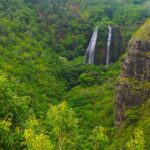
After the park, you switch from volcanic geology to a lush waterfall viewpoint at Akaka Falls State Park. You get about 20 minutes there, and the lookout access is designed to be easy—one of the reasons this stop works so well inside a 12-hour schedule. It’s a nice reset after steam vents and volcanic rock.
Then there’s the drive through Hilo Town along banyan tree-lined streets by the coastline, described as the Hilo Walk of Fame. This isn’t the “main event,” but it gives you a sense of place. After hours of volcanic scenery, seeing a real town rhythm helps the day feel less like a checklist.
Lunch is included, and that matters because one-day island tours can otherwise turn into snack timing. Having lunch covered makes the pacing more humane.
What I’d watch for based on real experiences
This tour has a strong reputation for delivering a lot, but there are a few friction points you can plan around.
Weather can change the helicopter outcome fast
The helicopter fly-over isn’t guaranteed, and lava sightings aren’t guaranteed either. If the weather shifts, you may see smoke or a limited view rather than clear crater-top activity. One account described being disappointed because they mainly saw smoke. That’s not a “bad tour” signal—it’s the nature of volcano visibility.
Helicopter comfort can be tight
A tight seat situation came up in feedback: one couple described being pushed toward the door and another person sitting in an uncomfortable way. Another common theme in helicopter tours is that the aircraft layout is fixed. If you’re sensitive to tight spaces, you’ll want to mentally prepare.
Expect a fuller day than you think
Even though this is a single-day trip, it’s long—about 12 hours—and the schedule is packed. In feedback, a cut-short helicopter day or schedule changes can affect how much of the overall day you get. For example, one traveler said a helicopter portion ended due to another passenger being ill, which then impacted other planned time on the ground.
Some tours add quick local stops that may not match your priorities
One review referenced additional stops like a macadamia nut facility and other food-product type stops, and the person felt that this diverted time away from core volcano goals. If your priority is strictly volcano and helicopter, mentally treat those as optional extras you may encounter on the full-day run.
Who this tour fits best (and who should skip it)
This is a great fit if you:
- Want to see major volcano highlights in one day instead of spreading them across multiple nights.
- Have the flexibility to accept that helicopter visibility depends on weather.
- Like guided structure and want help making sense of what you’re seeing on the ground.
- Don’t mind a long day and want lunch included.
It may be a tougher fit if you:
- Have asthma or other respiratory issues. The tour notes that exposure to fumes can be an issue for people with respiratory problems.
- Expect the helicopter portion to deliver a specific exact sight line every time. You’ll get the flight experience, but not a guaranteed viewing plan.
- Get uncomfortable in tight aircraft seating, especially if you’re sensitive to door-side positioning.
If you’re the type who enjoys planning your own route with a rental car, one traveler mentioned that after learning the area, they would rent a car next time. That tells you something: the park and surrounding areas are navigable enough that you may want to go self-guided on a later trip if this one delivers what you hoped.
Should you book this volcano-and-helicopter day trip?
Book it if you want a one-day hit of Kilauea-focused volcanic sights plus the chance of an aerial view. The tour’s value is strongest when you appreciate the mix: interisland flights, a professional guiding approach, admission tickets covered for park highlights, and lunch. The small group size also helps the experience feel less like a cattle-call.
Hold off if weather dependency would stress you out. This is one of those tours where your experience can shift even when the operators do everything right, because lava visibility and helicopter fly-overs aren’t promised. Also, if tight helicopter seating or respiratory exposure are deal-breakers, you’ll probably be happier choosing a land-based volcano option instead.
FAQ
FAQ
How long is the day trip?
The tour duration is listed as approximately 12 hours.
What is included in the price?
Included items are air-conditioned vehicle, tour narration by a professional driver/guide, a 45-minute helicopter tour (Blue Hawaiian Helicopters), interisland round-trip airfare (with possible overage charges), and lunch.
What are you not getting in the included price?
Not included are helicopter comfort seat surcharges for passengers over 240 lbs and any airline flight overage charges.
Is the helicopter fly-over over Kilauea guaranteed?
No. The Kilauea fly-over is not guaranteed and depends on existing weather conditions.
Are lava sightings guaranteed?
No. Lava sightings are not guaranteed.
What’s the weight requirement for the helicopter?
Passengers and bags must be weighed at check-in due to FAA regulations. Passengers over 240 lbs may be assessed a comfort seat charge for an additional seat, payable directly to the tour operator.
What ID do I need?
Your name must match your government-issued ID exactly. A valid government-issued ID is required on the day of travel.
What if the helicopter is canceled by the provider?
If the helicopter tour is canceled by the provider, you’ll receive a refund for the helicopter portion (at a rate determined by the tour provider) and be welcomed on an extended sightseeing tour.
What if I cancel?
Free cancellation is available up to 24 hours in advance for a full refund. Changes less than 24 hours before the start time are not accepted, and cut-off times use the local time of the experience.