REVIEW · HONOLULU
Honolulu: Liljestrand House Architectural Tour
Book on GetYourGuide →Operated by Liljestrand Foundation · Bookable on GetYourGuide
Mid-century Hawaiian architecture in a real family home is rare. The Liljestrand House lets you see Vladimir Ossipoff’s ideas in place, not in a textbook. I love how practical the tour is, and I especially like the focus on how the house frames views and uses natural materials.
This is a small-group, shoe-off tour of a preserved home, with original furnishings and artwork that help you understand how the Liljestrand family lived day to day. You’ll walk through design choices and hear why they mattered.
The main catch is comfort: the house is not air-conditioned, and summer and fall can get hot, plus you’ll need to remove your shoes for the fragile wood floors.
In This Review
- Key Things to Notice on This Tour
- Why the Liljestrand House Works So Well on a 90-Minute Schedule
- First Steps Inside: How the House Sets Rules (and Expectations)
- Ossipoff’s Hawaiian Modernism, Explained Without the Jargon
- The Liljestrand Family Living in the Design (Not Just the Design on Display)
- What the Tour Feels Like in Practice: Guided, Intimate, and Specific
- Preservation With a Purpose: Why Your Ticket Supports More Than a Photo Op
- Price and Value: Is $78 Worth 90 Minutes?
- Who Should Book This Tour (and Who Might Not)
- Practical Tips So You Enjoy It More
- Should You Book the Honolulu Liljestrand House Architectural Tour?
- FAQ
- How long is the Honolulu Liljestrand House Architectural Tour?
- How much does it cost?
- Is the tour air-conditioned?
- What group size is this tour?
- What language is the tour guide?
- Are shoes required to be removed?
- What items and activities are not allowed?
Key Things to Notice on This Tour
- View management you can actually see as the design guides your eyes
- Ossipoff design principles in a preserved mid-century home
- Original furnishings and artwork that show how carefully it was planned
- A small group capped at 10 for a more conversational pace
- Shoe-off entry because of fragile wood floors
Why the Liljestrand House Works So Well on a 90-Minute Schedule
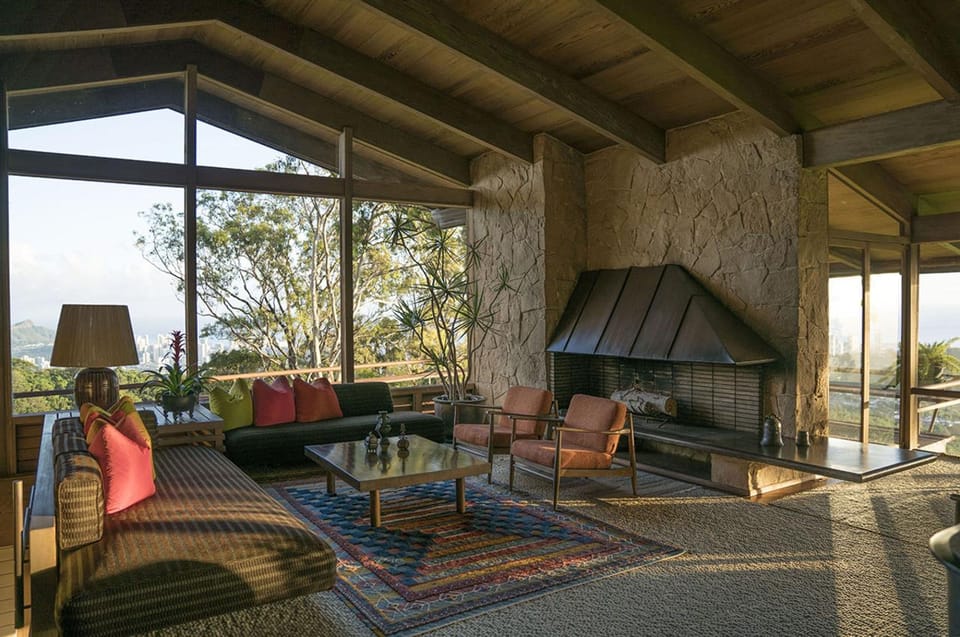
If you like architecture, but you also like your plans to feel doable, this tour fits the bill. Ninety minutes is long enough to cover the big ideas behind Hawaiian modernism, but short enough that you don’t spend your afternoon roasting in the heat with no payoff. And since the group is limited to 10 people, the guide can slow down when a question really lands.
What makes this place hit is that it’s not just about what the building looks like from the outside. You get to stand inside a preserved example of Vladimir Ossipoff’s work and connect specific design choices to how people actually experience light, air, space, and views.
The best part for me is the “why.” You don’t just get measurements or vague style talk. You learn the principles behind the house—how Ossipoff thought about sightlines and how natural materials were used to make the interior feel connected to Hawaii.
You can also read our reviews of more tours and experiences in Honolulu.



First Steps Inside: How the House Sets Rules (and Expectations)
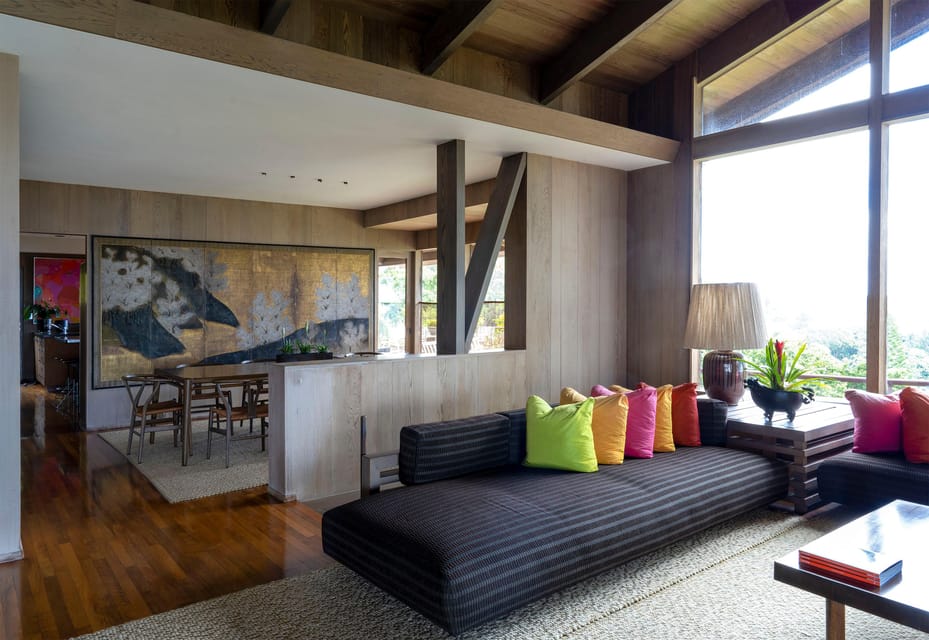
Before you even get to the fun design talk, the tour makes a few things clear. You won’t be allowed to smoke or vape anywhere inside. And because the wood floors are fragile, you remove your shoes. It’s a small inconvenience, but it also tells you the staff is serious about preservation. Think of it as part of respecting the building.
You should also plan what you bring. Pets aren’t permitted, and backpacks, large bags, tripods, and selfie-sticks are also not allowed. That means you’ll walk in with just what you need, and you won’t be dodging gear or trying to film around other people.
The house is not air-conditioned, which matters for timing and comfort. If you’re visiting in summer or fall, come prepared for heat. Wearing breathable clothing helps. Bringing water is smart, though you’ll want to follow any on-site guidance once you’re inside.
Ossipoff’s Hawaiian Modernism, Explained Without the Jargon
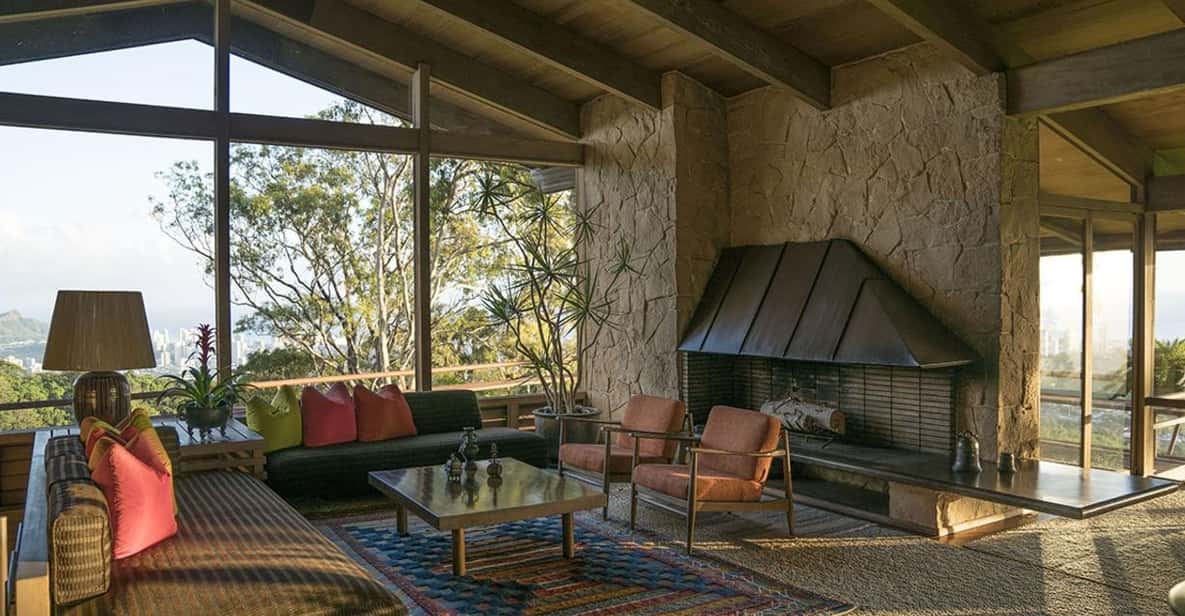
Vladimir Ossipoff is one of the key names when people talk about mid-century modern architecture in Hawaii. The Liljestrand House tour frames his work with a clear theme: design that treats the environment as part of the plan, not something the building fights against.
You’ll learn about Ossipoff’s design principles in the context of the actual house. That’s a huge difference from seeing a photo and guessing. When you stand in front of the elements that control light and sightlines, the ideas become obvious.
Two things I love here are how the guide explains:
- View management: how the layout directs your gaze toward specific directions and scenes
- Integration of natural materials: how texture and material choices help the home feel grounded rather than artificial
This tour doesn’t ask you to “appreciate architecture” from 30,000 feet. It asks you to notice what’s in front of you and connect it to why it was designed that way.
The Liljestrand Family Living in the Design (Not Just the Design on Display)
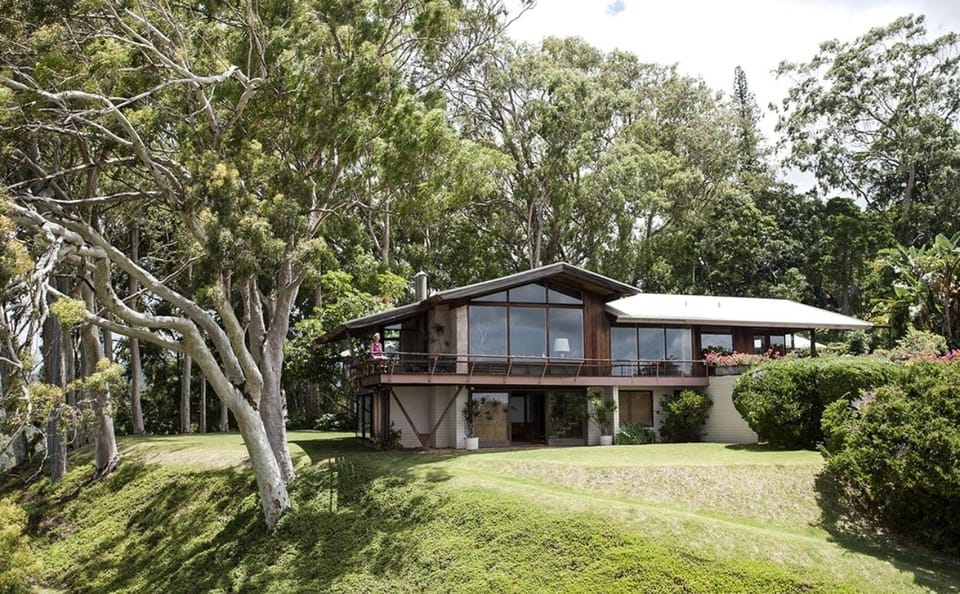
A preserved house is one thing. A preserved house with a story is better. The tour shares an intimate glimpse into the Liljestrand family and their enduring friendship with Ossipoff. That relationship gives the architecture context: this wasn’t a random showcase. It’s tied to real decisions made for real life.
You also get a close look at original furnishings and artworks. Those details matter because they show how meticulous the design was. Instead of the home feeling like an empty shell, it feels like it’s still carrying day-to-day personality—how people sat, worked, looked out, and moved through rooms.
It’s also a reminder of what preservation really means. The Liljestrand Foundation doesn’t just keep the building standing. It keeps the story teachable, cultural, and accessible.
What the Tour Feels Like in Practice: Guided, Intimate, and Specific
This is a live tour with an English-speaking guide, and it’s structured to feel conversational. The small group size makes a big difference. You can ask a question without feeling like you’re competing with a crowd, and the guide can point out design details without rushing everyone past them.
One review I saw singled out a docent named Perry for giving in-depth insights, including the kind of perspective you can’t get from a script. That matches the vibe you should expect here: not just facts, but interpretive commentary—how Ossipoff’s thinking shows up in what you’re seeing.
During the walkthrough, expect attention to details that guide you through the design:
- where and how sightlines are shaped
- how interior spaces relate to the outdoors
- how original pieces fit the overall concept rather than being added later
Because you’re walking through the house, the experience is naturally chronological: you start with the overall idea, then the guide points to smaller decisions that support that concept.






Preservation With a Purpose: Why Your Ticket Supports More Than a Photo Op
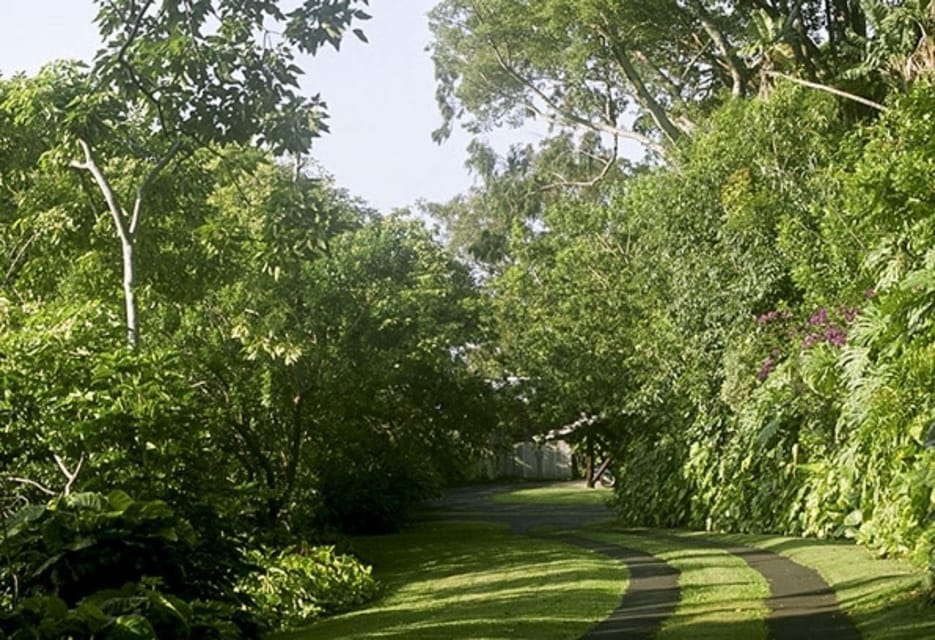
You’re paying for an experience, yes. But you’re also supporting the work that keeps the Liljestrand House in view for educational and cultural enrichment. Visiting is part of a preservation mission run by the Liljestrand Foundation.
That matters, because preservation costs money: maintenance, careful conservation of materials, and the ongoing work of keeping the house safe and accessible for tours. A ticket here is not just admission—it’s helping fund the conditions that make tours like this possible.
I like experiences that connect me to the “why” behind the site. This tour does that. It makes it clear that the house is fragile in more ways than one: wood floors need protection, and the integrity of the interior details needs care.
Price and Value: Is $78 Worth 90 Minutes?
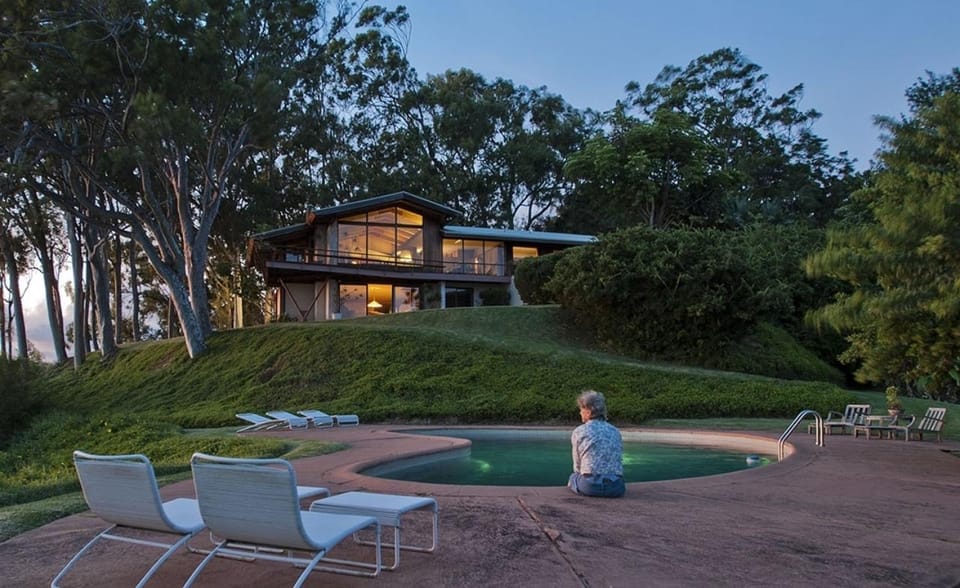
At $78 per person for a 90-minute tour, you should think about value in a few practical ways.
First, you’re not getting a big-bus approach. The group is limited to 10, and it’s a live guide. That level of attention tends to cost more than standard mass-entry tours, but it’s also where the experience feels more personal.
Second, you’re paying for access to a preserved mid-century home that’s curated by a foundation with an educational goal. You’re not just touring a building—you’re hearing how Ossipoff’s principles show up inside the house, along with original furnishings and artwork.
Third, the “support preservation” angle is real. Even if you don’t care about that mission personally, you’ll feel it in the care taken with shoes, rules, and allowed items.
So is it worth it? For architecture fans and design-curious travelers who like learning how places work—not just how they look—this price lines up with the experience quality.
Who Should Book This Tour (and Who Might Not)
This tour is a strong match if you:
- enjoy architecture, interiors, and design details
- like small-group guides and question-friendly tours
- want Hawaiian modernism explained in a grounded, real-world way
- care about preservation and don’t mind following house rules
It may be less ideal if:
- you’re traveling with kids under 10 (this isn’t suitable for them)
- you’re heat-sensitive, since the house is not air-conditioned and can be quite hot in summer and fall
Also, if you’re the type who wants to roam freely without listening to explanations, this is guided. You’ll get the most by leaning in.
Practical Tips So You Enjoy It More
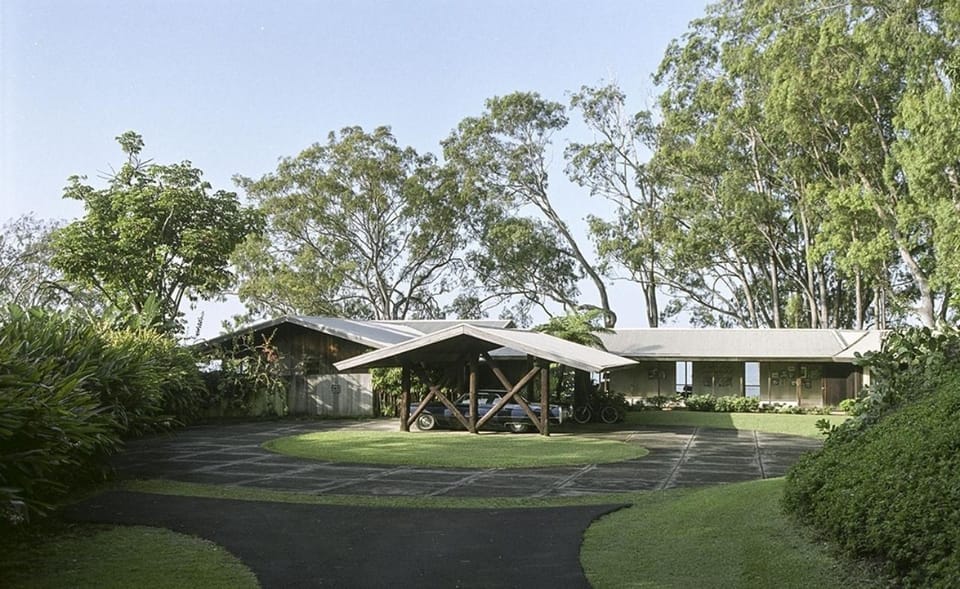
A few practical things can make your experience smoother:
- Plan for heat: wear breathable clothes in warm months, and expect the house can run warm.
- Wear easy slip-ons: since you’ll remove shoes due to fragile wood floors.
- Pack light: leave backpacks, large bags, tripods, and selfie-sticks at home.
- Bring your questions: with a group of 10, you’ll likely get a real answer rather than a quick glance-and-go.
- Treat it like a living interior: the rules (no smoking/vaping, shoe removal, limited items) signal that respect matters here.
Should You Book the Honolulu Liljestrand House Architectural Tour?
I’d book it if you want a compact, high-quality architecture experience in Honolulu that focuses on design principles you can see in person—especially Ossipoff’s view management and the way the house connects natural materials to daily life. The small-group format and guided focus make it feel thoughtful, not rushed.
If you hate heat, dislike shoe-off rules, or you’re traveling with children under 10, then you might want to choose another activity that better fits your comfort needs.
Overall, this is one of those tours where the setting does the teaching. You come for Hawaiian modern architecture, and you leave understanding the choices behind it—while knowing your ticket helps keep a fragile piece of mid-century design alive.
FAQ
How long is the Honolulu Liljestrand House Architectural Tour?
The tour lasts 90 minutes.
How much does it cost?
It costs $78 per person.
Is the tour air-conditioned?
No. The house is not air-conditioned and can sometimes be quite hot during summer and fall months.
What group size is this tour?
It is a small group limited to 10 participants.
What language is the tour guide?
The live tour guide speaks English.
Are shoes required to be removed?
Yes. Because the wood floors are fragile, guests are asked to remove their shoes.
What items and activities are not allowed?
Smoking and vaping are not allowed. Pets, backpacks, large bags, tripods, and selfie-sticks are not permitted.