REVIEW · NORTH SHORE TOURS
North Shore Beginner Surf Lesson, Hawaii
Book on Viator →Operated by Surf N Sea · Bookable on Viator
Want your first wave on the North Shore? This beginner lesson on Oahu pairs calm, step-by-step instruction with the buzz of the world-famous North Shore. You’ll work the session around Waialua Bay and the Haleiwa area, with the option of a morning or afternoon start, all in a small group.
What I like most is the mix of solid fundamentals and hands-on feedback. Before you ever paddle, you get a land lesson that covers surfing rules, ocean etiquette, and falling safely—so you know how to act when the water gets busy. I also love how instructors like Travis and Henry help you actually succeed in the water, including paddling out support and wave spotting so you can catch more waves, not fewer.
One consideration: no transportation is provided. You’ll drive from Surf N Sea to the surf spot, and you must already be able to swim and handle the physical demands of paddling out and back.
In This Review
- Quick hits: what makes this surf lesson work
- North Shore Beginner Surf Lesson: the real vibe at Waialua and Haleiwa
- What happens before you paddle out: land lessons that actually help
- Falling safely, paddling smarter, and catching waves sooner
- Waialua Bay first, then Haleiwa: why the stops matter
- Equipment included: travel lighter, focus more
- Your instructor matters: names you might recognize
- Price and value: what $104 buys in a group of up to 4
- Logistics reality check: no transport means you control the timing
- Safety and health requirements you should not skip
- What to wear and how to show up ready
- Who this surf lesson is best for (and who should reconsider)
- Should you book Surf N Sea’s North Shore beginner lesson?
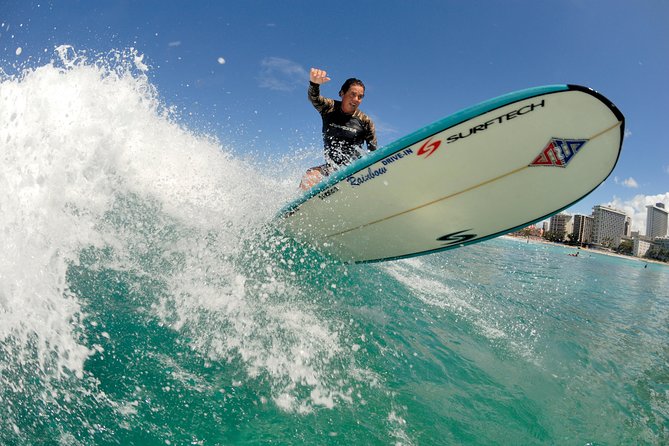
Quick hits: what makes this surf lesson work
- Small group focus (max 4) so you get more time with your instructor instead of standing around
- Land training first: rules, ocean etiquette, and falling safely before you go in
- Gear included: surfboard and all equipment are provided
- Real stand-up practice: you work on moving from lying to standing the easiest way possible
- North Shore context: learn in the same area surfers chase for fun year after year
- Beginner-friendly water help: instructors help with paddling out and spotting waves
North Shore Beginner Surf Lesson: the real vibe at Waialua and Haleiwa
If you picture the North Shore as long boards, serious barrels, and people who never look like beginners—this lesson gently knocks that down. It’s built for first-timers who want the basics done right, with enough coaching to turn nerves into momentum.
The route matters. You’ll start at Waialua Bay and then move through the Haleiwa area during the lesson window. That means you’re not just taking photos from shore—you’re in the water, learning how to read what’s happening and respond safely. And since it’s on Oahu, you also get the real energy of a place where surfing is normal, not a novelty.
This is a group lesson with a maximum of 4 travelers, which is huge for value. In a big group, one person gets attention and the rest wait their turn. Here, you’re more likely to get quick corrections and real-time wave decisions, the stuff that makes your second try better than your first.
You can also read our reviews of more tours and experiences in Oahu
What happens before you paddle out: land lessons that actually help
The session begins on land, and that part is a big deal. Many first-time surf lessons try to rush you into the fun. This one starts with the boring-but-important stuff: how to fall safely and how to behave in the ocean.
You’ll go over:
- Ocean etiquette (how to share the water and not cause problems)
- Falling safely (so wipeouts don’t turn into panic)
- How to think about wave timing and wave behavior
- The basic motion to progress from lying down to standing
The goal is to help you feel comfortable in a variety of situations, with or without an instructor. That might sound like a marketing line, but it’s practical. If you understand the rules and the rhythm, you’ll spend less energy guessing and more energy actually riding.
You’ll also get guidance on what beginner board type to use. That’s key. A surfboard that matches your skill level can feel like cheat codes; the wrong board can make everything harder than it needs to be.
Falling safely, paddling smarter, and catching waves sooner
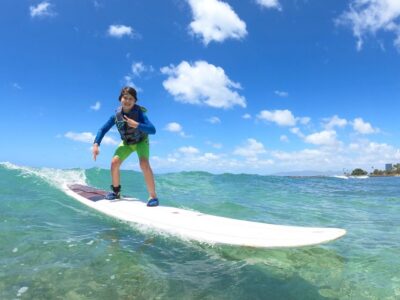
Once you’re in the water, the lesson turns into repetition with support. The instructors focus on getting you to progress quickly from lying to standing, using the easiest method for beginners.
This is where the small group really shows. You’re not just hearing instructions from shore—you’re getting cues while you’re paddling, while you’re attempting pop-ups, and while you’re waiting for sets. In multiple real sessions, instructors like Travis and Henry helped beginners paddle out and even spotted waves you could surf. That wave selection piece is often the difference between a session that feels like luck and one that feels like learning.
Also, you practice catching waves as part of the lesson flow, not as a random hope-and-pray activity. You learn what type of waves tend to work for beginners and how to line up with them.
And yes, it’s still work. Surfing is not a casual hobby. Your arms will feel it later. But if your technique is improving every few attempts, the effort starts to feel worth it.
Waialua Bay first, then Haleiwa: why the stops matter
Your lesson is structured around two locations: Waialua Bay and the Haleiwa area. Even without getting too technical about break types, this two-stop flow makes sense for a beginner session.
Start area: you get the early coaching rhythm. The first part of the water time is about getting your body comfortable—paddling out, reading the timing, and practicing the progression from down to up.
Second area: you build on what you just learned. By the time you’re headed through Haleiwa, you’re not starting from zero. You can adjust faster because you already understand the basic etiquette and you’ve felt what it’s like to attempt a stand-up.
If you’re worried about being overwhelmed by surf conditions, this structure helps. It’s easier to learn when the session moves you forward step by step.
Equipment included: travel lighter, focus more
The price includes a surf board and all the equipment you need. That matters more than it sounds. When equipment is included, you avoid a whole mini-trip before your trip—no hunting down rentals, no guessing if the board is appropriate for your body and comfort level.
You’ll likely spend time on foam boards at beginner stages. One helpful practical note from past lessons: wear something that helps protect your skin from board friction, like a wetsuit top or a wet shirt/rash-guard style layer. It can make the experience more comfortable, especially while you’re trying repeatedly to get into the wave.
Bottom line: show up ready to swim, and let the shop handle the rest.




Your instructor matters: names you might recognize
Surf lessons rise or fall on the instructor’s ability to teach without making you feel awkward. This one gets consistently strong feedback for that exact reason.
Past lessons included instructors such as:
- Travis, who breaks things down before you go in and then helps you in the water with paddling out and wave spotting
- Henry, known for patient, clear instruction and getting beginners up on the board
- Tanner and Mark, who focus on etiquette and making first attempts feel safer and more guided
- Eric, who coaches in an encouraging way and helps you feel capable fast
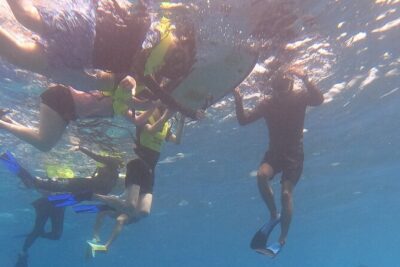
You may also see extra in-water help from staff—one lesson included support from someone named Terrance assisting swimmers who were getting tired. When you’re a beginner, that kind of help can turn a scary moment into a simple reset.
For you, this translates into fewer long pauses where you wonder what to do next. You get corrections at the moment they count.
Price and value: what $104 buys in a group of up to 4
At $104 per person for about 2 hours, this lesson prices itself as a straightforward “learn to surf, correctly” experience. The value isn’t just the board rental or the coastal scenery. It’s the coaching time, the equipment included, and the small group size.
Here’s what you’re really paying for:
- More instructor attention than a larger group lesson
- Structured progression: land basics first, then stand-up practice
- Equipment included (no extra rental fee surprise)
- A North Shore location with real surf culture energy
Also, many people book this with time in mind. On average, it’s booked about 17 days in advance, so if you’re planning around limited Oahu days, grab your slot earlier rather than later.
Is it expensive compared to doing nothing? Sure. But it’s a fair price compared to the cost and hassle of renting equipment and trying to figure out surf basics on your own. When you can stand up during a first session, that’s not a small win.
Logistics reality check: no transport means you control the timing
A simple but important part of the experience: no transportation is provided. You’ll drive from Surf N Sea to the surf spot, and you’ll meet at 62-595 Kamehameha Hwy, Haleiwa, HI 96712, USA.
This affects you in two ways:
1) Your schedule depends on your driving time and parking situation.
2) You should plan to arrive early so you don’t rush check-in or gear up.
One lesson story included people getting temporarily lost while driving, yet staff helped guide them to where they needed to be. So if you’re worried about finding the right place, build in cushion time. It’s a small effort that buys you a calmer start.
If you don’t want to deal with driving at all, this is the main reason you might choose a different activity type.
Safety and health requirements you should not skip
Surfing is fun, but it comes with real ocean risks, and this lesson is clear about requirements.
You must:
- Know how to swim
- Have a moderate physical fitness level
It also isn’t recommended if you have back or knee problems, and it’s not a match if you have had recent surgeries.
Children are handled carefully too. Group lessons are for children 13 and above. If your child is under 13, they require a private lesson.
And weather matters. This experience requires good weather, and if it gets canceled due to poor conditions, you’ll be offered a different date or a full refund. That’s part of keeping things safe and workable for beginners.
What to wear and how to show up ready
The lesson includes equipment, but you still need a smart personal setup.
Use layers you can tolerate getting wet. Since you’ll be handling foam boards and moving through water repeatedly, a wetsuit top or rash-guard style layer can help prevent board rubbing. Comfortable swim gear matters, too, because you’ll be focused on paddling and timing, not adjusting clothes.
Most importantly: show up mentally ready to try multiple attempts. Even in great conditions, your first session is about progression. Your goal isn’t just to ride one wave—it’s to learn the setup so your next try comes faster.
Who this surf lesson is best for (and who should reconsider)
This lesson is a strong fit if:
- You’re a complete beginner and want step-by-step help
- You want a small group with direct attention
- You like structured learning: etiquette, falling safely, then gradual stand-up practice
- You want to experience the North Shore without turning the day into a surf logistics project
It may not be the best fit if:
- You need transportation provided (because you’ll drive yourself)
- You can’t swim
- You have back or knee issues, recent surgery recovery, or concerns about physical strain
- You’re booking for a child under 13 and need private instruction
If you’re on the fence, think like this: if you can meet the swim and fitness requirements and you’re willing to do a two-hour effort, you’ll get a lot out of this format.
Should you book Surf N Sea’s North Shore beginner lesson?
Yes, with a couple guardrails.
Book it if you want an efficient first surf experience where you learn the rules, practice safe falling, and get coached toward catching waves. The standout value is the small group size—up to 4 people—combined with instructors who guide you in the water and help you find workable waves. That’s why so many sessions rate highly.
Hold off or switch plans if you can’t drive to the surf spot, don’t meet the swim requirement, or need accommodations for back/knee issues. And if you’re booking for a kid under 13, plan for a private lesson instead of expecting the group format to work.
If you’re ready to work hard for two hours and learn something you can actually use later, this is a solid way to start surfing on Oahu’s North Shore.