REVIEW · MUSEUMS
Oahu: Pearl Harbor Aviation Museum Entry Ticket
Book on GetYourGuide →Operated by Pearl Harbor Aviation Museum · Bookable on GetYourGuide
Planes tell the story at Pearl Harbor. On Ford Island, you follow the events that began on Dec 7, 1941 through real aircraft and hangars, with a free audio guide that keeps you moving at your own pace.
I really like how Hangar 37 turns history into something you can see and walk through, not just read about. I also love that Hangar 79 expands the timeline far beyond 1941, with aircraft from the Gulf, Korean, and Vietnam wars plus the Shealy Restoration Shop.
One thing to factor in: you can’t bring a backpack or bags on the shuttle to Ford Island, so plan either to travel light or pay for bag storage.
In This Review
- Key highlights worth planning around
- Ford Island aviation history feels more real than the usual museum route
- Price and value: $29 makes sense if you use the included audio and hangars
- Getting there: shuttle timing, active-base access, and the no-bags rule
- Building your day on Ford Island: how to pace Hangars 37 and 79
- Hangar 37: where the WWII story is easiest to understand
- Hangar 79 and the Shealy Restoration Shop: the timeline keeps going
- Raytheon Pavilion: your “connector” space in the middle of the hangars
- The optional Top of the Tower tour: worth it if you want battlefield context
- Audio guide and languages: use it to make the aircraft meaningful
- How long should you plan? One day is possible, but don’t run it like a checklist
- Who this experience is best for (and who might feel it’s too much)
- Quick FAQ for your planning
- FAQ
- What is included with the Pearl Harbor Aviation Museum entry ticket?
- Is the Top of the Tower tour included?
- Can I bring a backpack or luggage on the shuttle to Ford Island?
- What time do shuttles run from the Pearl Harbor Visitor’s Center?
- What are the child requirements for the Top of the Tower tour?
- Is the Fighter Ace 360 Simulator included?
- Should you book this entry ticket for Oahu?
Key highlights worth planning around
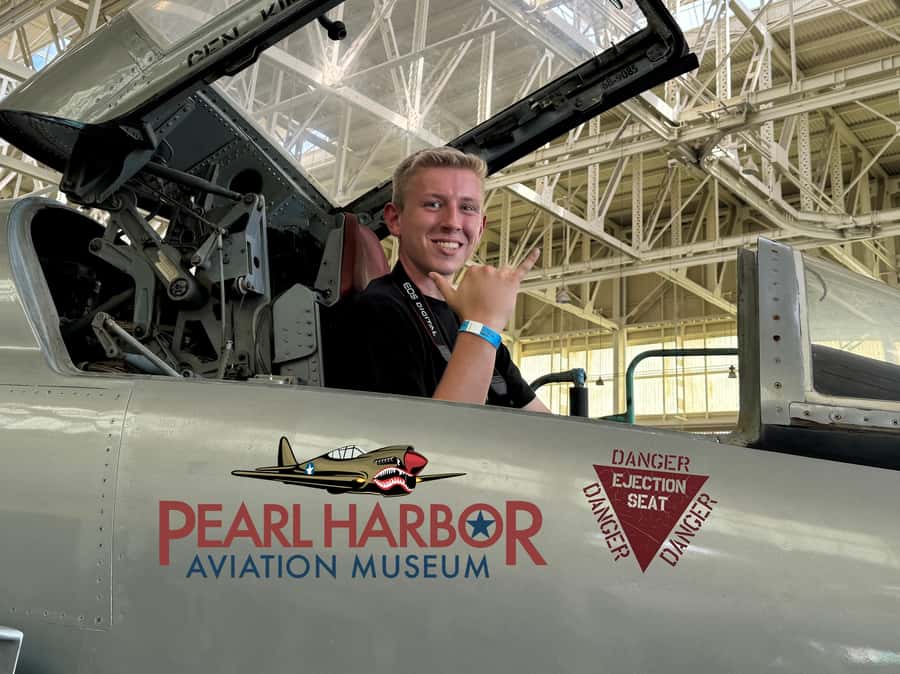
- Hangar 37, Home of WWII planes: walk inside the authentic hangar setting tied to the Pearl Harbor attack story
- Hangar 79 across the decades: see aircraft from the Gulf, Korean, and Vietnam wars, not only 1941
- Shealy Restoration Shop: you’ll spot planes awaiting future display, including the B-17 Swamp Ghost
- Award-winning documentary East Wind Rain: an easy-to-fit stop that shows what life was like before and during the attack
- Optional Top of the Tower: a guided look at the restored control tower with a 360-degree view
- Free audio guide in 5 languages: English, Japanese, Spanish, Korean, and Chinese are included
Ford Island aviation history feels more real than the usual museum route
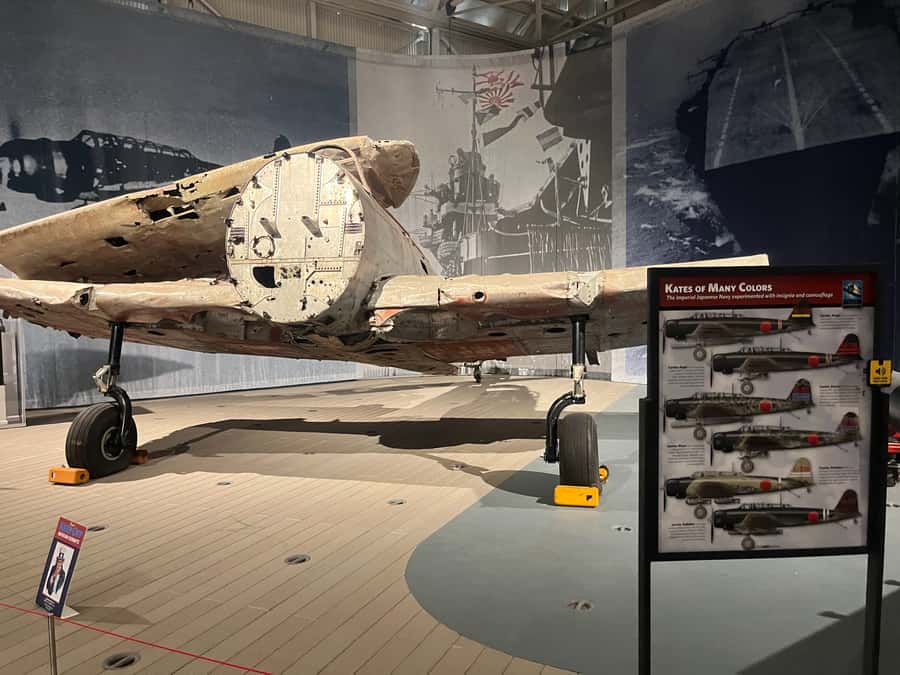
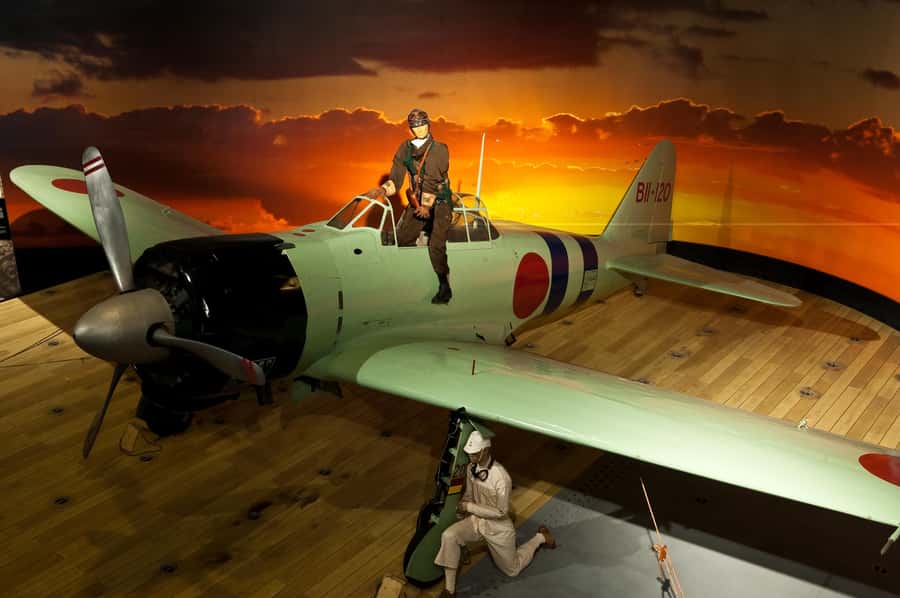
The Pearl Harbor Aviation Museum is built around one idea: aircraft history is how you understand Pearl Harbor. Instead of only focusing on one moment in time, you move through hangars that show how Oahu’s military air power looked before the attack, what the attack changed, and how the story carried forward.
What I like most is the physical feel of it. Being on Ford Island, walking through hangars, and seeing aircraft up close changes the scale. Over 50 aircraft and exhibits are displayed across about 25,000 square feet, so it’s not a quick “look and leave” type of stop.
The other win is how the museum splits the experience by era. Hangar 37 is your WWII anchor. Hangar 79 is the long view—so if you’re the type who wants to understand what happened after Dec 7, 1941, you won’t feel cut off.
You can also read our reviews of more tours and experiences in Oahu


Price and value: $29 makes sense if you use the included audio and hangars
This entry ticket runs about $29 per person for a 1-day visit. The best value is what’s already included: access to Hangar 37, Hangar 79, and the Raytheon Pavilion, plus a free audio tour. That matters because the museum is large enough that you’ll want context while you walk.
If you also choose the Top of the Tower tour, you add a high-impact viewpoint of the battlefield area from the iconic Ford Island Control Tower. The museum alone is strong, but the tower is what turns your visit from “museum day” into “I get the layout of the place” day.
One caution on value: there’s also a Fighter Ace 360 Simulator option that is not included. If you’re a gamer or you love interactive experiences, you may feel like something is missing unless you add it separately, but it’s optional.
Getting there: shuttle timing, active-base access, and the no-bags rule
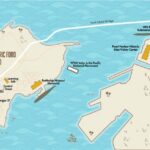
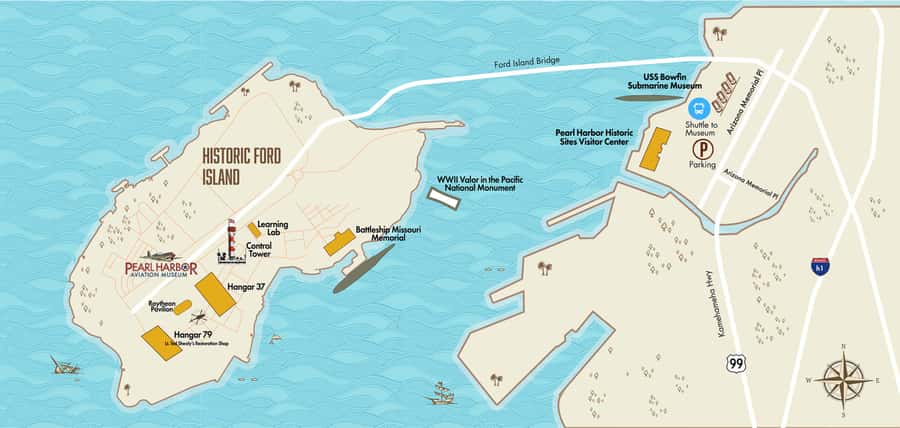
Ford Island is an active military base, so access is handled by shuttle. Your meeting point is the Pearl Harbor Visitor’s Center, and the shuttles depart every 15 minutes from 8:00 AM to 4:00 PM. The museum experience depends on that—so I’d avoid arriving too late and scrambling.
Here’s the friction point that can affect your day: no bags are allowed on the shuttle bus to Ford Island for security reasons. That includes oversize luggage, luggage or large bags, plastic bags, and even backpacks.
If you need to store items, there’s a bag storage facility at the Bowfin Submarine Park shuttle bus stop. Fees are listed as $6.00 per bag or $7.50 per bag for large bags and/or luggage. That’s the kind of cost that doesn’t show up until you’re already at the stop—so travel light if you can.
If you’re bringing a camera bag or daypack, I’d treat your plan like you’re going to an airport security line. The less you carry, the smoother the whole museum flows.
Building your day on Ford Island: how to pace Hangars 37 and 79
You’ll want to think of the visit as two hangar blocks plus a couple of “stop-and-stay” moments. Even with a 1-day ticket, it’s easy to rush if you assume it’s just a walk-through.
I recommend arriving with a mindset of “read what matters, then look longer.” The exhibits are arranged with enough story that you’ll likely want the audio guide to connect the aircraft to the events. With a free audio tour included, you can choose how deep you go, but it’s still a lot to process.
A helpful rule: plan around the optional tower time. The tower tours run daily from 9:40 AM to 4:20 PM and operate every 40 minutes, so you’ll lose momentum if you decide late. Also, each guest is limited to no more than 30 minutes at the top, so you’re not getting unlimited hanging-out time.
Hangar 37: where the WWII story is easiest to understand

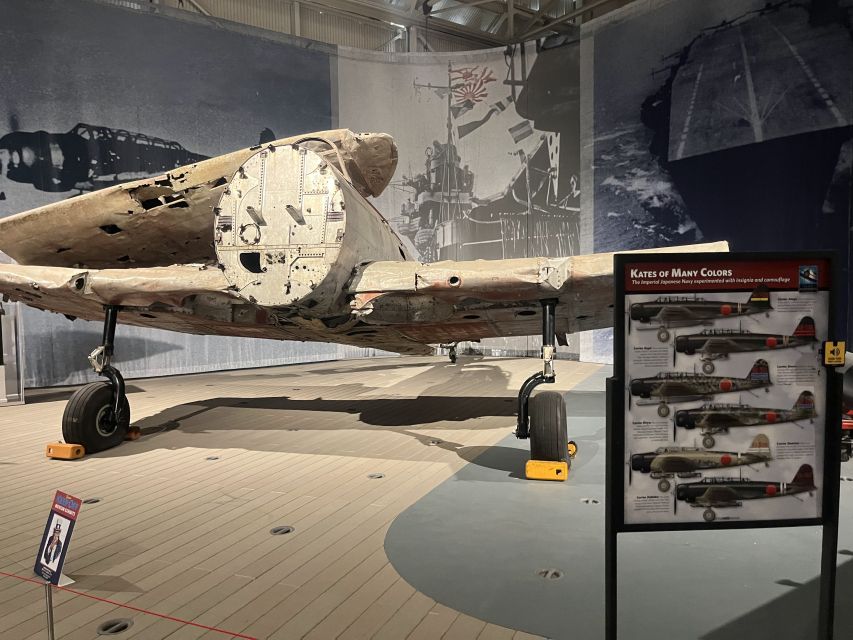
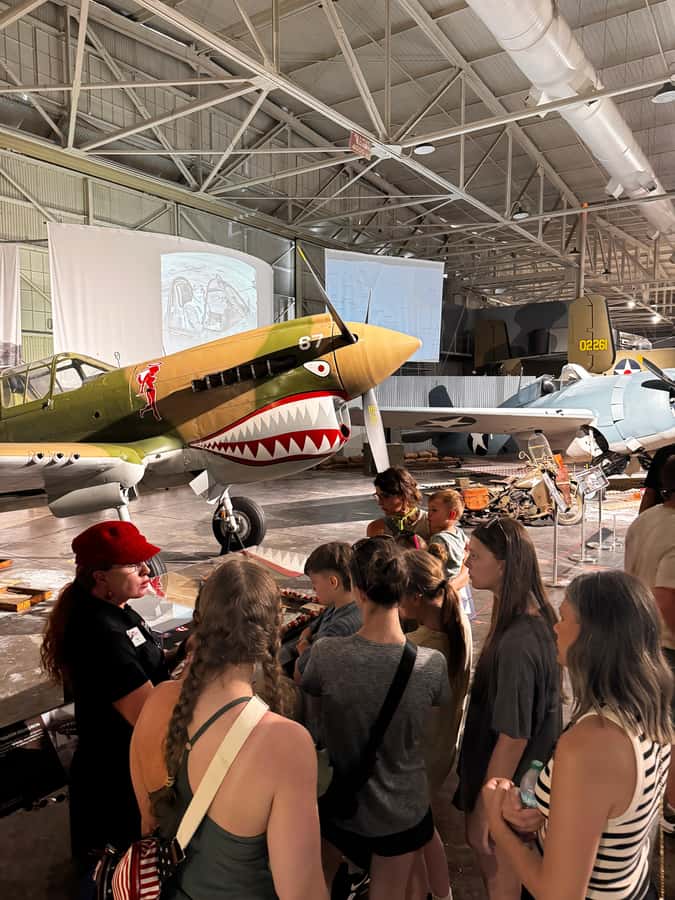
Hangar 37 is the centerpiece for WWII aircraft and the immediate Pearl Harbor attack story. The layout is designed so you can walk through the setting and connect what you’re seeing to the attack events that began Dec 7, 1941.
I like this hangar because it doesn’t feel like a distant history display. It’s built as a space where aircraft look and feel like equipment, not just museum pieces. That changes the way you notice details.
This part of the visit also gives you access to an included viewing of the award-winning documentary East Wind Rain. It’s specifically positioned to help you understand what life was like on Oahu pre-war and at the moment of the attack. If you tend to speed through exhibits, this documentary viewing can be the pause that makes everything else click.
You can also read our reviews of more museum experiences in Oahu
Hangar 79 and the Shealy Restoration Shop: the timeline keeps going
Hangar 79 shifts the story forward and sideways. Instead of stopping at WWII, you’ll see planes tied to the Gulf, Korean, and Vietnam wars. That matters because it shows Pearl Harbor wasn’t a historical “end point”—it shaped decades of air operations.
This hangar also includes access to the Shealy Restoration Shop. The shop is a smart addition because it answers a question most people don’t think to ask: what happens after an aircraft becomes a museum piece? You can see planes that are awaiting future display, including the B-17 Swamp Ghost.
Even if restoration shops aren’t usually your thing, this one is worth your time because it gives you a sense of continuity. The aircraft aren’t just artifacts. They’re projects, preserved and maintained so future visitors can understand the same story you’re seeing today.
Raytheon Pavilion: your “connector” space in the middle of the hangars
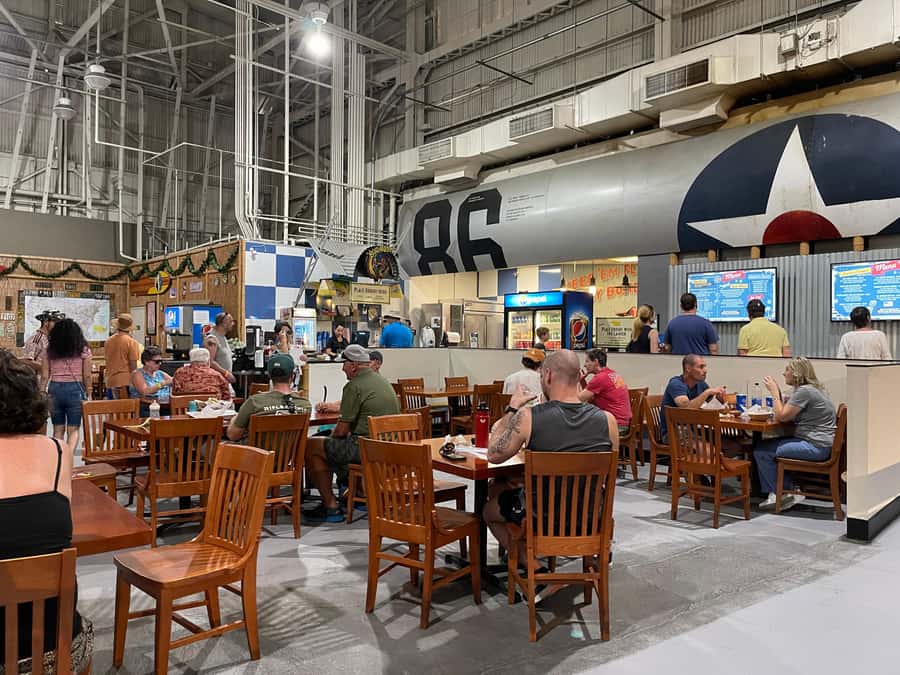
The ticket also includes access to the Raytheon Pavilion. I think of this as your connector space—somewhere you slow down between hangar blocks and reorient yourself before you move on to the next era.
Even without treating it as the main event, a pavilion stop is useful for practical reasons: it can act as a built-in rhythm breaker. If you’re trying to keep the day from feeling like nonstop walking, this kind of mid-point space helps.
The optional Top of the Tower tour: worth it if you want battlefield context
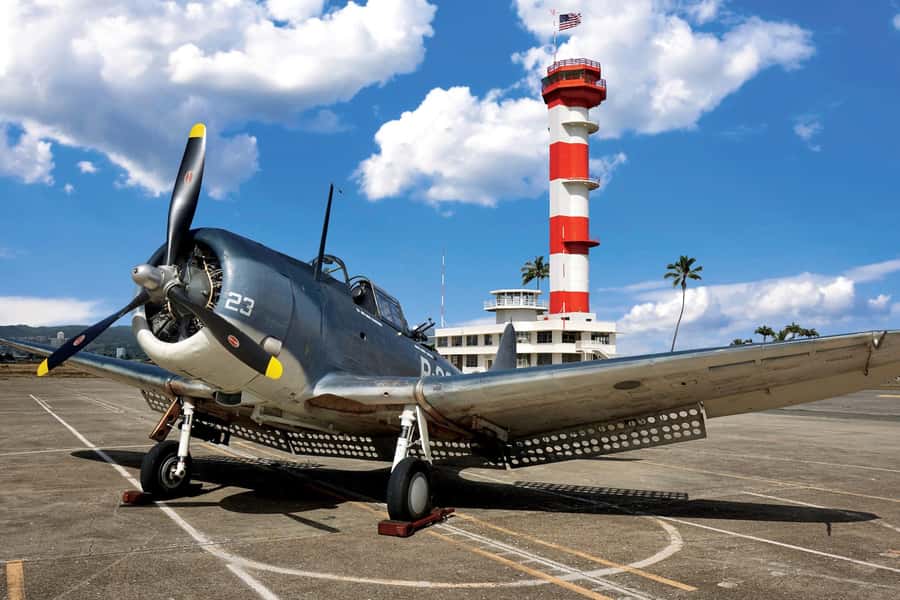
If you choose the Top of the Tower tour, you’ll join a guided experience inside the Ford Island Control Tower. It’s described as a once-in-a-lifetime way to see the Pearl Harbor battlefield from the iconic tower.
The tour includes:
- a guided tour of the 15-story tower
- time to see the restored elevator and upper cab
- a 360-degree view from the observation deck
Timing matters. Tours run daily from 9:40 AM to 4:20 PM with departures every 40 minutes, and you’re advised to arrive at least 10 minutes early. Your time at the top is also capped—each guest is limited to no more than 30 minutes.
One more practical note: for safety, kids must be at least 42 inches tall to access the Top of the Tower Tour. Infants and toddlers are not allowed. Also, access to the observation deck requires climbing two flights of steep stairs and using handrails.
If your group includes people who don’t do stairs well, I’d treat the tower as an optional add-on rather than the centerpiece. The museum hangars are still the main value.
Audio guide and languages: use it to make the aircraft meaningful
The entry ticket includes a free audio tour, available in English, Japanese, Spanish, Korean, and Chinese. That’s not just a convenience; it changes how you experience a museum like this.
When you’re looking at aircraft, you can easily get stuck in “what am I looking at?” territory. The audio guide helps you connect aircraft and exhibits to the story from Dec 7, 1941 onward, so your attention lands on the details that matter.
If you’re short on time, you can still use the audio strategically: start early, keep listening through the hangar transitions, and save your curiosity for the spots that pull you in.
How long should you plan? One day is possible, but don’t run it like a checklist
The ticket is valid for 1 day, and the overall experience is substantial enough that you’ll do better if you don’t treat it like a timed relay. The hangars plus documentary plus tower option can fill your day fast.
I’d plan an un-rushed pace if you want the exhibits to land. The museum’s size and story density are the reason. Even with a free audio guide, you’ll likely want time to read labels, compare aircraft, and circle back if something catches your eye.
If you add the tower, build your timing around tower slots first, then let the hangars follow. The tower has set departures, and it rewards you for showing up ready—10 minutes early is advised.
Who this experience is best for (and who might feel it’s too much)
This is a great fit if you:
- care about WWII aircraft and want to see them in a real hangar setting
- like museums that go beyond a single date and show what came after
- want a strong story connection without needing a full-day bus tour format
- appreciate context, especially the included documentary East Wind Rain
It may feel like a lot if you:
- dislike stairs, especially if you plan to add the tower observation deck
- travel with multiple bags and don’t want to deal with storage fees
- only want the absolute basics and would rather skip restoration/shop viewing
For mixed groups, I think it works well because hangars can be explored at different speeds, and the tower gives a high-impact “shared moment” if everyone is up for the climb.
Quick FAQ for your planning
FAQ
What is included with the Pearl Harbor Aviation Museum entry ticket?
Your ticket includes entry to the Pearl Harbor Aviation Museum, access to Hangar 37, Hangar 79, and the Raytheon Pavilion, plus a free audio tour.
Is the Top of the Tower tour included?
Top of the Tower is included only if you select that option. It’s a guided tour of the 15-story Ford Island Control Tower with a 360-degree view from the observation deck.
Can I bring a backpack or luggage on the shuttle to Ford Island?
No. Oversize luggage, luggage or large bags, plastic bags, and backpacks/bags are not allowed on the shuttle bus for security reasons.
What time do shuttles run from the Pearl Harbor Visitor’s Center?
Shuttles depart every 15 minutes from 8:00 AM to 4:00 PM. There’s also free shuttle service between 8:00 AM and 5:00 PM.
What are the child requirements for the Top of the Tower tour?
Children must be 42 inches tall to access the Top of the Tower Tour. Infants and toddlers are not allowed.
Is the Fighter Ace 360 Simulator included?
No. The Fighter Ace 360 Simulator is not included with this entry ticket.
Should you book this entry ticket for Oahu?
If you want a Pearl Harbor experience that’s grounded in real aircraft and real hangars, book it. The combination of WWII focus in Hangar 37, the expanded timeline in Hangar 79, and the added restoration glimpse in the Shealy Restoration Shop makes the day feel more complete than a single-date museum visit.
Skip the tower only if your group can’t do stairs or doesn’t want the time limits. If you can, the Top of the Tower option is the add-on that helps you understand the battlefield geography, not just the planes.
One final tip: travel light and plan for a slower, more attentive pace. This place rewards time, not speed.