REVIEW · SHARK DIVING & CAGE DIVES
Oahu Shark Dive Educational Tour (No cage)
Book on Viator →Operated by Go Adventure Hawaii · Bookable on Viator
Sharks, wild and close. This no-cage experience pairs open-ocean snorkeling with close safety oversight off Oahu’s North Shore. You head out several miles into the deep-blue water, then come back with the rest of your day on your own schedule.
I love how straightforward the setup is: snorkel equipment and fins are provided, so you spend less time fussing and more time watching sea life. I also love the training focus—there’s shark education plus clear in-water safety guidance, and the crew members I’ve seen referenced by name include Ricky and Rachel, with underwater photo support from Parker.
One thing to consider: you’re in open water, not behind a cage, and conditions matter. On windy or choppy days, the boat ride can feel rough, and some trips may see fewer sharks if they’re feeling shy.
In This Review
- Key things to know before you go
- No-cage shark swim off Oahu’s North Shore: what you’re really signing up for
- Haleiwa Boat Harbor meet-up: smooth start, small crew energy
- The open-ocean swim plan: species, safety, and how to stay calm
- What the snorkeling gear experience feels like in real life
- The North Shore stops: Waialua Bay, Waimea Bay, and Puaʻena Point
- Waialua Bay
- Waimea Bay
- Puaʻena Point Beach Park
- The pro photo option: how to get something you’ll actually want
- Price and value: what $155 buys you
- Who this is best for (and when you should choose another day)
- Should you book this no-cage shark swim?
- FAQ
- How long is the Oahu Shark Swim tour?
- Where do I meet for the tour?
- Is this shark swim done with a cage?
- What snorkeling equipment is included?
- How many people are in the group?
- What if the weather is bad?
Key things to know before you go
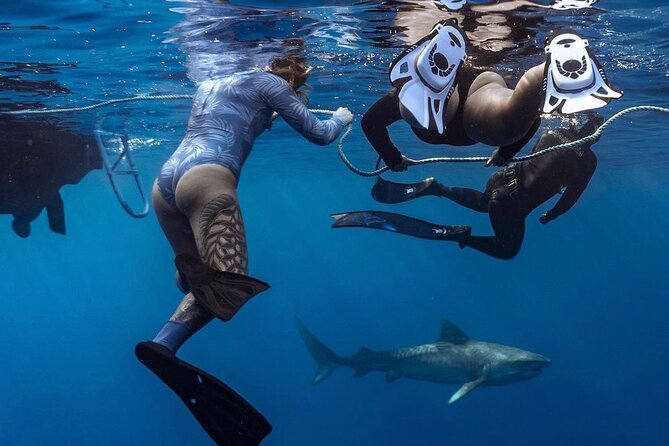
- Small group (max 6 travelers) means more attention in the water
- No cage for a more natural, respectful shark encounter
- Out beyond shore (about three miles off the North Shore) for a real pelagic zone
- Safety staff in the water help manage spacing when sharks move in
- Pro photo option is available for a fee, with digital delivery a few days later
- North Shore scenery stops add extra wildlife and ocean vibes beyond the main swim
No-cage shark swim off Oahu’s North Shore: what you’re really signing up for
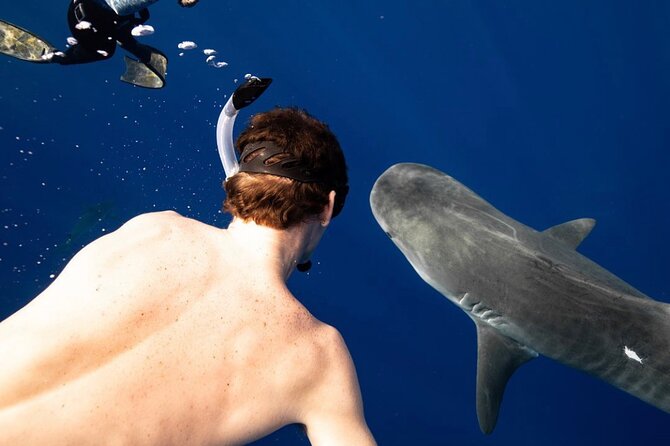
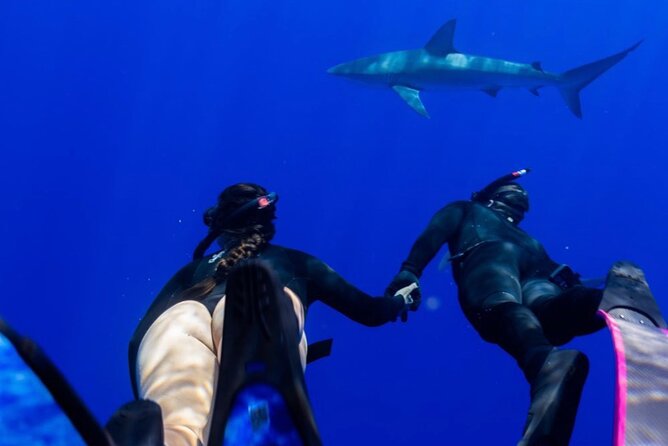
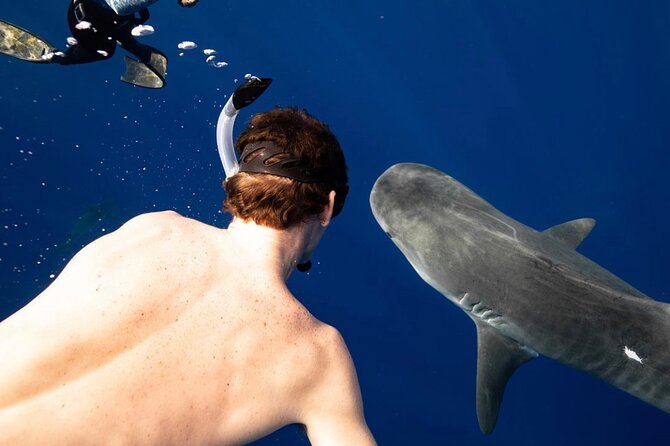
This is a “stay with the animals” kind of experience. You’re not sealed behind bars; instead, you’re close to wild sharks in their natural deep-water setting, with a trained crew watching spacing and behavior. The goal is to let you see what’s out there without turning the ocean into a circus.
The tour targets the Manō (shark) in a pelagic zone, roughly three miles off Oahu’s North Shore. That matters because it increases the odds of seeing sharks that cruise the open-water routes, not only the ones that hug the coast. The plan also includes time for shark biology and behavior explanations, so you’re not just reacting—you’re understanding what you’re seeing.
You’ll spend about 2 hours total on the water and in the activity window, then your day opens up. That’s a big value point for Oahu: you get a once-in-a-lifetime experience and still have time to eat, drive, hike, or hit another beach after.
You can also read our reviews of more tours and experiences in Oahu.
Haleiwa Boat Harbor meet-up: smooth start, small crew energy
You start and end at Hale‘iwa Boat Harbor in Haleiwa (HI 96712). That makes the day easier than tours that scatter you around the island or send you on a long transfer first—show up, check in, and you’re off to the North Shore water.
The group size is capped at 6 travelers, which changes the vibe. With fewer people in the water, safety monitoring and instruction can stay personal, not generic. It also tends to make nerves easier for first-timers, since you’re not fighting a crowd for attention or listening time.
A few practical notes that I think you’ll appreciate ahead of time:
- You should have moderate physical fitness, since open-ocean snorkeling requires steady time in the water.
- It’s offered in English with a mobile ticket.
- Service animals are allowed.
- It’s described as near public transportation, in case you’re not renting a car for every part of the day.
The open-ocean swim plan: species, safety, and how to stay calm
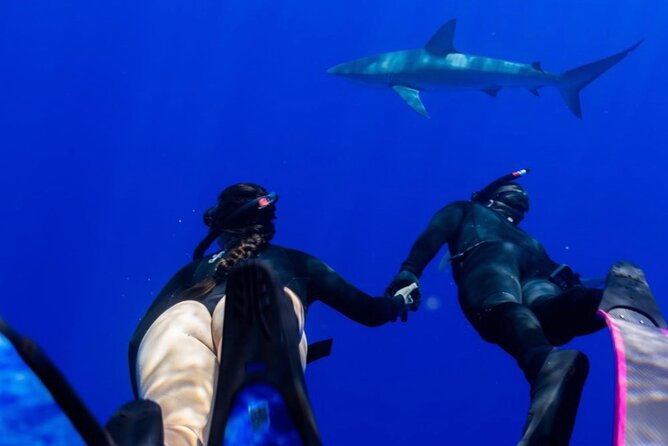
Here’s what the operation is designed to do: get you into the water with a clear safety process and enough guidance to keep both you and the sharks comfortable. You’ll be accompanied by a professionally trained shark handler, plus crew who provide safety guidelines for snorkeling and free diving. In plain terms, they’re there to help you behave like a good guest in the sharks’ environment.
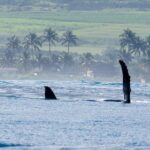
In terms of what you might see, the common resident species listed include Galapagos, sandbar, and tiger sharks. Since the area is pelagic, there’s also a chance of other species, too. And based on the accounts shared by guests, sightings can include multiple sharks at once, sometimes enough that you’ll see animals circling you from close range without needing to chase them.
The key part is what the crew does when sharks come in. Multiple guests described safety divers getting in between when sharks approached closely, and that’s exactly what you want to see. One guest even singled out the sense of safety created by staff being attentive the entire time. Another described that the handler and photographer team helped guide people for safe positioning—like helping someone find the right spot for the best shot without getting anyone reckless.
If you’ve ever worried about doing this without a cage, here’s the reality check I’d give you: the sharks are wild, so you can’t control their behavior. What you can control is your own response—slow movements, proper breathing, and listening when the crew gives spacing instructions. Guests specifically emphasized that they never felt in danger because the crew kept watch and managed interactions.
Also, do not treat this like a touch-and-go stunt. One description mentioned seeing sharks close enough to almost touch, along with the clear reminder to not try. Think of it as a respectful, guided encounter: observe, float, and let them come to you.
What the snorkeling gear experience feels like in real life
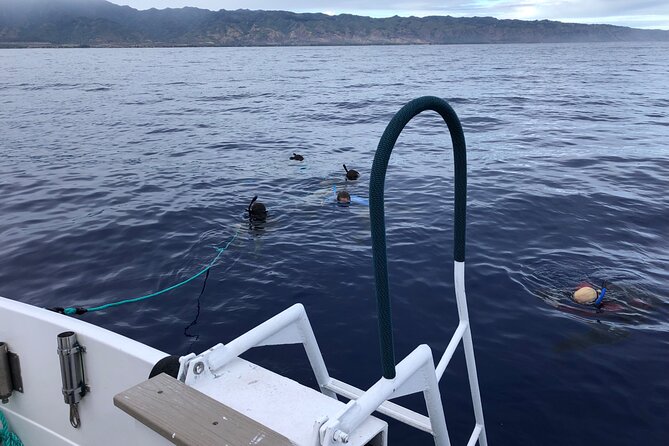
The tour includes snorkel equipment and fins. That’s the biggest practical win, because you won’t waste time hunting down rental gear in Honolulu or on the North Shore.
A few extra details you should know, because they affect comfort:
- Some guests noted wetsuits and snorkel gear with anti-fog features were provided, which can make a noticeable difference in your first few minutes underwater.
- You’re doing this in open water, so expect the water to feel cooler or more moving than a calm lagoon.
- If you get motion-sick easily, plan for the boat ride. One guest mentioned bringing gum for wind and waves.
Your best comfort strategy is simple: pack like you’re snorkeling in the ocean, not in a pool. If you’re bringing your own mask or snorkel, test it before you get on the boat. If you rely on provided gear, ask staff to help with fit and anti-fog setup so you’re not fighting your equipment once you’re out there.
The North Shore stops: Waialua Bay, Waimea Bay, and Puaʻena Point
This tour isn’t only about the shark swim. You also get stops that show off the North Shore’s variety of marine life and ocean moods. Even if sharks are a little shy on your day, the North Shore portion still gives you a meaningful marine-and-coast experience.

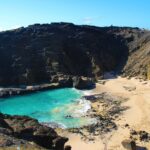

Waialua Bay
Waialua Bay is described as packed with marine life, with potential sightings ranging from Hawaiian spinner dolphins to dozens of fish species (including malolo, or flying fish). Even humpback whales are mentioned as possible during migration season. The practical takeaway: you’re not staring at empty water while waiting for sharks. You’re in a region that regularly churns up wildlife.
Waimea Bay
Waimea Bay is famous for different reasons depending on the season. In winter, it can deliver massive waves and top surf energy. In summer, it calms into a glassy, turquoise swimming and snorkeling zone, plus a more relaxed coastal feeling. There’s also the cultural and nature layer nearby, with Waimea Valley mentioned as offering a short hike through botanical gardens to a waterfall.
Puaʻena Point Beach Park
Puaʻena Point is described as laid-back and beginner-friendly, with mellow waves and reef breaks that tend to be forgiving. It also includes tide pools along lava-rock edges, and there’s a chance to spot Hawaiian green sea turtles resting or grazing. The main value here is atmosphere: you get a quieter North Shore moment with natural shade and a calmer water edge for wading or observing.
Even though the shark swim is the centerpiece, these stops make the day feel fuller. You’re not just traveling “to the spot”—you’re seeing why people keep coming back to the North Shore.
The pro photo option: how to get something you’ll actually want
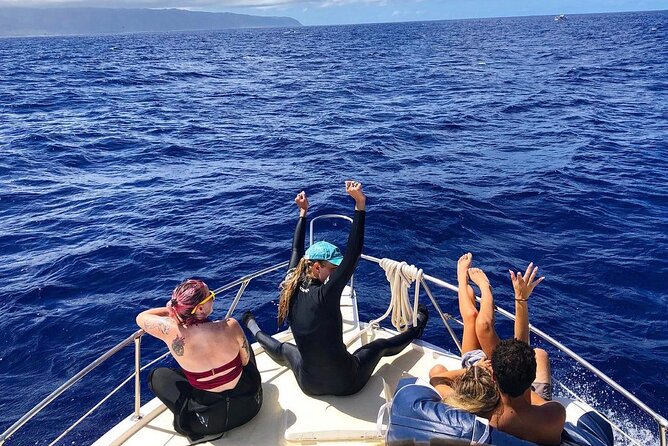
There’s an underwater photographer aboard, and photo services are offered for a fee. The pitch is straightforward: high-quality photos and video sent digitally a few days after your swim.
In practice, what you’re buying is time and angles. When sharks come in close, you only get a few seconds to position yourself naturally. Guests specifically called out photographers like Parker for being amazing in the water and patient with instructions. That’s a big deal because it reduces the frantic “look at the camera” energy and helps you float more smoothly while getting clean shots.
My practical advice: if you want photos, plan to act like you’re being guided into position. Don’t fight the staff’s cues. If they tell you to turn, pause, or adjust your kick, do it. The best underwater photos usually come from people who stay calm and stable, not from people trying to out-swim the current.
Price and value: what $155 buys you
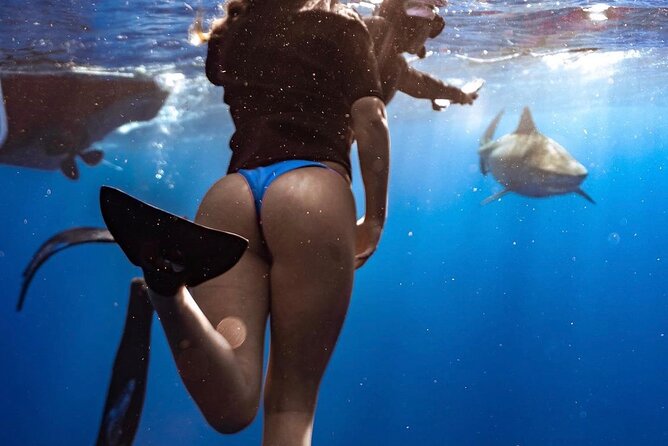
At $155 per person for roughly 2 hours, the price isn’t trying to undercut you. Instead, it’s built around a few things that cost real money:
- a boat trip out to a pelagic zone (about three miles off),
- snorkel equipment and fins,
- shark handlers and safety staff in the water,
- and optional pro underwater photography.
When you factor in the small group size (max 6), the per-person attention level tends to justify the cost. This is also not a “one-size-fits-all” cattle-car style operation, and that matters for first-timers. A more personalized safety approach can be worth more than a lower price if you’re anxious about open water.
Also, you’re paying for an experience that avoids the cage. That difference changes what the sharks look like and how you feel watching them. Instead of feeling blocked, you feel connected—still respectful, still guided, but closer to the real behavior of the animals.
Who this is best for (and when you should choose another day)
This tour fits best if you:
- want a no-cage encounter with wild sharks in open water,
- like instruction and safety coaching (especially if you’re nervous),
- can handle a boat ride with moving ocean conditions,
- and enjoy being on the water for about 2 hours, then leaving the rest of the day flexible.
It’s also a strong choice for people who want the North Shore included in the experience. You’re not just commuting to a single activity; you’re getting Waialua, Waimea, and Puaʻena Point vibes in the same general day plan.
You may want to reconsider if:
- you have serious motion sickness concerns and haven’t managed them before,
- open-ocean snorkeling feels like too much for you physically,
- or you’re traveling on a day when wind and waves look rough. The experience requires good weather, and if it’s canceled due to poor weather, you’ll be offered another date or a full refund.
One more reality note: sometimes the sharks are around a lot, sometimes they show up later or in fewer numbers. That’s not a fault of the crew; it’s ocean wildlife behavior.
Should you book this no-cage shark swim?
I’d book it if you want the experience that most people chase: wild sharks, no cage, and a crew focused on keeping you safe while you learn. The small group size, the strong emphasis on safety guidance, and the option for pro photos all point to good value for the price.
I’d hold off and watch conditions if you’re particularly sensitive to choppy water. Also, if you’re expecting guarantee-level shark numbers, keep your mind flexible. This is real ocean wildlife, not a set performance.
If you’re the type who likes authentic animal encounters and doesn’t mind listening carefully, this is the kind of tour that can genuinely check a lifelong box without turning it into a thrill-machine.
FAQ
How long is the Oahu Shark Swim tour?
It’s listed as about 2 hours. After the activity, the rest of your day is free.
Where do I meet for the tour?
You meet at Hale‘iwa Boat Harbor, Haleiwa, HI 96712, and the tour ends back at the same location.
Is this shark swim done with a cage?
No. This experience is specifically described as no cage, with snorkeling in open water alongside sharks.
What snorkeling equipment is included?
The tour includes snorkel equipment and fins provided for the swim.
How many people are in the group?
The tour/activity has a maximum of 6 travelers.
What if the weather is bad?
The experience requires good weather. If it’s canceled due to poor weather, you’ll be offered a different date or a full refund. You can cancel for a full refund up to 24 hours in advance.