REVIEW · HONOLULU
Tandem Skydiving with GoJump in Hawaii
Book on Viator →Operated by GoJump Hawaii · Bookable on Viator
You haven’t seen Hawaii from the outside until you’ve jumped from the sky. GoJump Hawaii’s 14,000-foot tandem skydive takes you over Oahu’s North Shore with a long freefall and big ocean views. I love the huge, real-deal altitude and the way the instructors keep things calm and clear right up to the moment you go. The one thing to plan around is that schedules can shift for weather or airspace rules, so build a little flexibility into your day.
This is set up as a smooth, organized outing with pickup options and a compact group size (up to 50). You’ll also have the chance to relive the jump with on-site photo/video packages, including optional outside video. Just know that if you’re counting on the media being delivered instantly, you should ask how you’ll receive it before you leave.
In This Review
- Key Highlights I Think You’ll Notice Fast
- Entering The Plane: Why This Jump Gets People Hooked
- The 14,000-Foot Moment: What to Expect in the Air
- Instructors and Safety: What Makes the Experience Feel Easy
- Getting to the Airfield: Pickup, Timing, and Group Size
- The Views You’re Really Paying For
- Photo and Video Packages: How to Decide Without Regret
- Weather and Airspace: The Reality of Jumping in Hawaii
- Price and Value: Is $219 a Fair Deal?
- Who Should Book This Tandem Skydive?
- My Take: Should You Book GoJump Hawaii?
- FAQ
- What time does GoJump Hawaii run?
- How high is the tandem skydive?
- How long is the freefall?
- Do you offer pickup from Waikiki?
- Can I buy photos or video from the jump?
- What happens if weather cancels the skydive?
- What’s the cancellation rule for a full refund?
- How many people are in the group?
Key Highlights I Think You’ll Notice Fast
- Highest jump in Hawaii (14,000 feet) for a truly big-air feeling.
- About 50 seconds of freefall before the parachute deploys.
- North Shore ocean views that look totally different from any viewpoint on land.
- Instructors who focus on clarity and calm, with feedback from riders mentioning Derek D. and Debby by name.
- Outside video is an optional add-on if you want the extra angle on the jump.
- Pickup from Waikiki may be available, making it easier if you’re staying in town.
Entering The Plane: Why This Jump Gets People Hooked
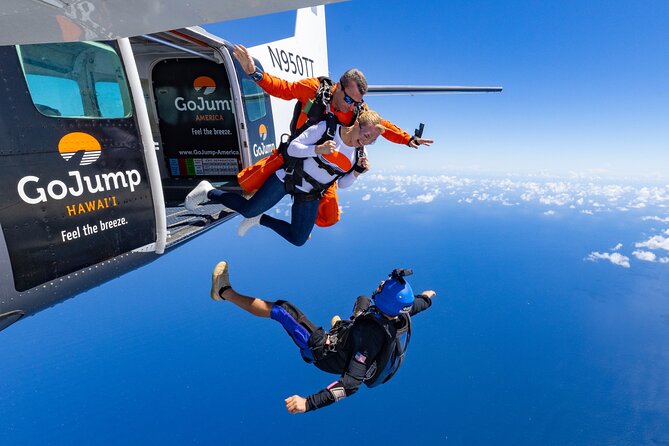
If you’re the type who watches weather, maps, and flight rules and still wants the thrill anyway, this tandem jump is a strong match. You’re not just trying skydiving once. You’re doing it from 14,000 feet, and the operator positions it as the highest tandem skydive available in Hawaii. That matters because height is what turns a jump into an experience with time to think, breathe, and then be amazed by what you see.
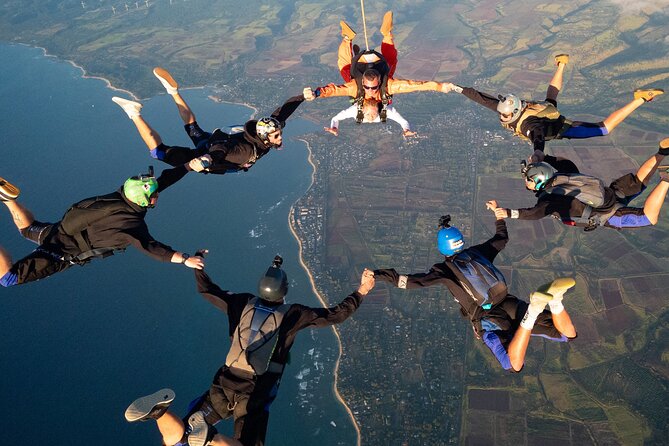
The setting is also a big part of the appeal. You’re jumping over Oahu’s North Shore, so instead of a generic sky scene, you get a real sense of place: coastline, ocean, and that wide-open feeling you don’t get from a resort balcony. One review highlights the view during the glide down, and that lines up with why people describe the experience as unforgettable.
The human side is just as important as the math. Multiple riders mentioned instructors who were funny, clear, and good at keeping nerves under control, including Derek D. and Debby. If you’re nervous, it helps to know the experience isn’t run like a factory line. People emphasize the relaxed tone of the coaching and the organization of the process.
You can also read our reviews of more tours and experiences in Honolulu.



The 14,000-Foot Moment: What to Expect in the Air
Here’s the core promise of this skydive: you’ll go up to about 14,000 feet, then do a 50-second freefall tandem-style. After that freefall stretch, the parachute deploys so you can switch from adrenaline to observation.
During freefall, the sensation you’re chasing is weightlessness. That’s the unique part of tandem skydiving over just riding a roller coaster. You’re not just falling fast. You’re falling fast with someone trained to handle every step, while you get a long window to see what’s happening beneath you. The freefall length is long enough that it often becomes more than shock. It becomes controlled wonder.
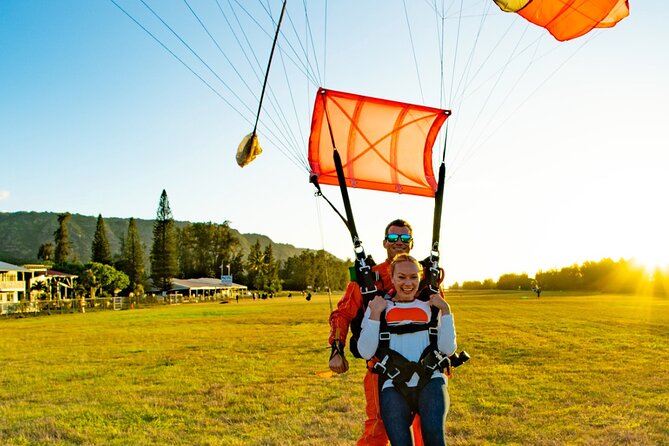
Then comes the transition to the canopy. Reviews talk about feeling the breeze and gliding while taking in the ocean view. That glide part is where you can actually enjoy the scenery instead of bracing for impact. It’s also where you can focus on steady breathing and soak up the moment, since the pace changes after the parachute opens.
If you’re comparing this to other options on Oahu, the height is the standout. Higher means more time in the air and more time to appreciate that North Shore view.
Instructors and Safety: What Makes the Experience Feel Easy
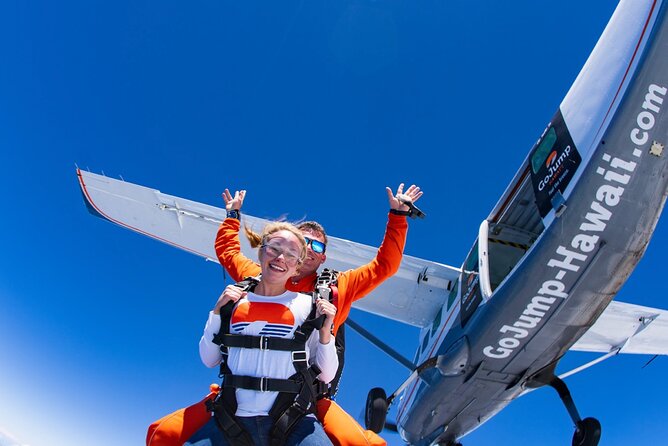
A tandem skydive lives or dies on the instructor. You’re strapped in, you’re trusting them, and you only get one chance to feel comfortable in that environment. The feedback here is consistent: riders say the team is professional, informative, and good at keeping first-timers positive.
Two names show up clearly in the reviews: Derek D. and Debby. Derek D. gets praise for making the jump feel easy and helping reduce nerves. Debby is described as delivering a wow-level experience, even for someone on their second jump. That suggests the instruction style matters, not just the altitude.
I also like that the operation is described as organized and painless. That can mean different things, but the common thread is that there’s a flow to the day and you’re not left guessing what comes next. If you tend to get anxious when you don’t know what’s happening, that kind of clarity can be the difference between a good jump and a stressful one.
One more practical point: even with good coaching, weather can change the day. You’ll want to treat this as an activity with flexible timing rather than a rigid appointment.
Getting to the Airfield: Pickup, Timing, and Group Size
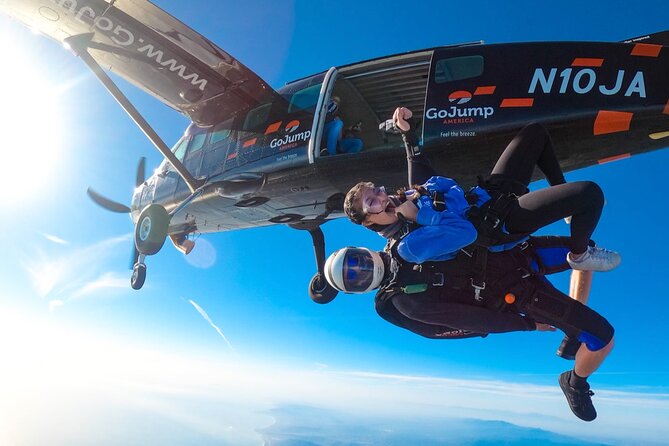
GoJump offers pickup and an optional shuttle service from Waikiki to the airfield. For many visitors, that’s a big deal. It removes the pressure of figuring out transport on the morning of a high-energy activity. If you’re staying in Waikiki, you’ll likely appreciate not having to coordinate a rental car or time taxis.
The schedule runs with operating hours listed as 7:00 AM to 2:00 PM, Monday through Sunday. The overall experience duration is approximately 3 hours. That doesn’t mean you’ll be skydiving the whole time, of course. It includes the time it takes to get set up and run the operation.
Group size is limited to a maximum of 50 travelers. In practice, that’s important because it tends to keep the day moving without feeling like you’re in a giant cattle herd. You still might wait if conditions aren’t right, but you’re not trapped in a huge crowd.
Small-but-real consideration: one review mentioned arriving and not seeing the expected bus at pickup time, then using a taxi/ride option instead. That doesn’t mean pickup won’t work for you. It does mean you should confirm the exact pickup procedure and timing when you get your confirmation, and keep your phone ready for any day-of updates.
The Views You’re Really Paying For
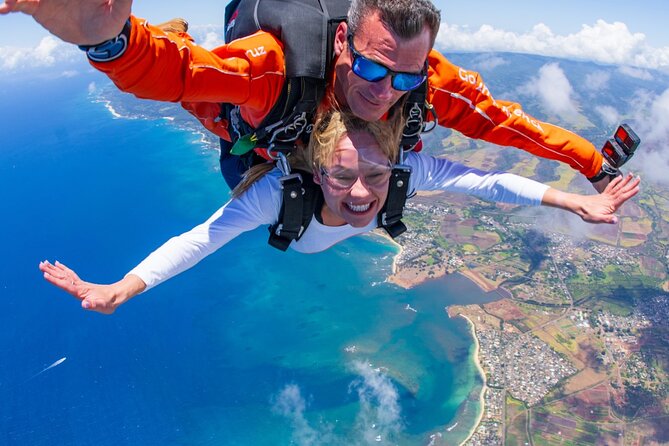
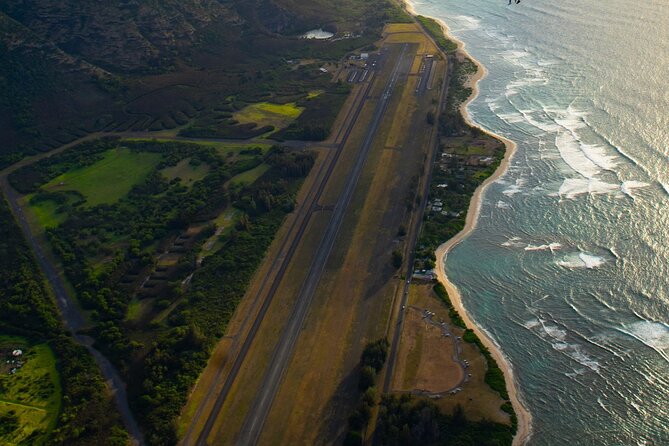
At 14,000 feet, the view isn’t just pretty. It’s the entire point. You’re above the North Shore of Oahu, so ocean and coastline fill the frame in a way that feels completely different from anything you can do on the ground.
During freefall, the goal is the sensation: fast, weightless, and intense. But the reason many people remember this jump for years is what happens after the adrenaline. When the parachute opens, the experience slows enough that you can actually track the coastline and recognize the ocean patterns below you.
One rider described it as an absolutely spectacular ocean view during the glide. Another mentioned how the breeze feels great while coming down. That’s a sign the canopy phase isn’t just a safety landing procedure. It’s part of the viewing experience.
If you’re choosing between skydiving styles, I’d think about what you want to remember: a quick thrill or a full aerial experience. This one leans toward the full experience: freefall plus a long enough glide to enjoy the scenery.




Photo and Video Packages: How to Decide Without Regret
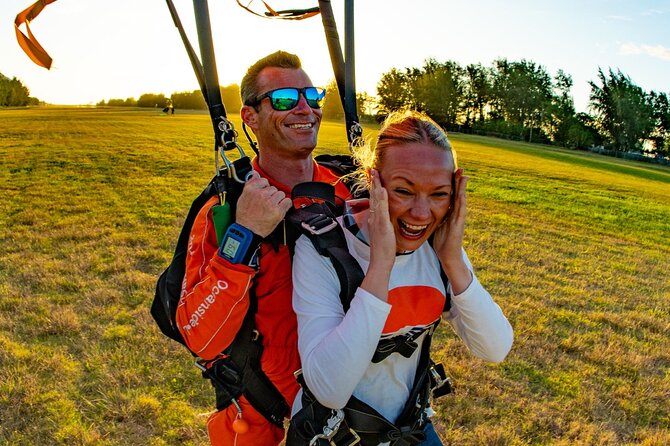
This is one area where I suggest being clear-eyed before you buy. The operator sells high-resolution videos and photos on site, and you can also choose an optional outside video experience. Reviews mention the outside video as a worthwhile add-on that gives a video you’ll cherish, even though it costs extra.
Here’s my practical way to decide:
- If you want a keepsake that shows what your skydiving actually looked like from outside the harness, consider the outside video. More angles usually mean more “wow” factor when you watch it later.
- If you’re hoping to save money, start by asking what’s included versus what costs extra. The data you have says outside video is optional, and photos/videos are available for sale. It does not list what comes standard.
One drawback popped up in the feedback: a rider said they hadn’t received photos or videos yet. That doesn’t mean your delivery will be delayed, but it’s a reminder to ask what the delivery timeline is and how you access your media.
Also, when you’re buying add-ons while adrenaline is high, it helps to decide in advance that you’re either going to go for the complete package or you’re going to skip. This kind of purchase can feel easy in the moment, then annoying later.
Weather and Airspace: The Reality of Jumping in Hawaii
Skydiving here comes with the same honest constraint as anywhere: it depends on conditions. The experience requires good weather, and if it’s canceled due to poor weather, you’ll be offered a different date or a full refund.
You should also understand that airspace restrictions can affect operations. One unhappy review described being rescheduled twice because of airspace restrictions after arriving in Hawaii. The response from the company explained that military exercises had closed the airfield during that week. Translation: even if the day is sunny, aviation rules can still limit takeoff.
The good news is that safety-first decision-making is praised in the reviews. One rider said their jump time was delayed due to weather, and they respected the choice to delay rather than rush the jump. The wait time mentioned was about 45 minutes.
My advice: treat your skydive like a day with a Plan B, even if you’re excited. If you’re on a tight schedule, you may want to avoid putting this as the single last activity on your timeline.
Price and Value: Is $219 a Fair Deal?
The price listed is $219 per person. That’s not cheap, but skydiving rarely is, especially when you’re doing 14,000 feet tandem with a professional operation and optional media.
Where the value starts to make sense is the combination:
- Highest tandem height available in Hawaii
- A long freefall phase (about 50 seconds)
- North Shore views that you can’t really replicate any other way
- Video and photo options if you want the story told in high resolution
Still, you should know that at least one review complained about pricing compared to another channel and mentioned customer support for a price guarantee not being responded to. I can’t verify any of that beyond the feedback. But it’s a reminder to double-check what your booking includes and how add-ons are priced.
If you want maximum value, I’d do this:
- If you buy video/photo, plan for it as a separate line item.
- If you care about outside footage, decide before you arrive so you’re not making choices while your brain is still on adrenaline.
Who Should Book This Tandem Skydive?
This is for you if:
- You want a once-in-a-lifetime view over Oahu’s North Shore
- You’re comfortable trusting an instructor and focusing on communication
- You want a tandem experience rather than dealing with solo training
Multiple reviews suggest first-timers had a great time. People mention that the jump buddy/instructor was relaxing and clear, and that it felt organized and positive. That kind of feedback is exactly what you want when you’re thinking about your first time jumping out of a plane.
It’s also for you if you like collecting a strong memory. Optional video and photos are a major part of the post-jump value.
If you hate waiting, or you’re planning a schedule with zero flexibility, I’d think twice. Weather and airspace can shift the timeline, and that’s baked into the real-world operation.
My Take: Should You Book GoJump Hawaii?
If you want the highest tandem skydive in Hawaii and you’re ready for the fact that airspace and weather can affect timing, then yes, I’d book it. The height plus the North Shore views are the headline, and the instructor vibe shows up repeatedly in the feedback, including standout mentions of Derek D. and Debby.
Skip it only if you’re putting this into a schedule slot with no margin for delays, or if you’re extremely sensitive to the idea that photos/videos might take time to deliver after the jump. For everyone else, this is one of those rare activities where you’ll spend the whole day anticipating it, then remember it every time you rewatch the footage.
FAQ
What time does GoJump Hawaii run?
The listed operating hours are 7:00 AM to 2:00 PM, Monday through Sunday.
How high is the tandem skydive?
You jump from 14,000 feet.
How long is the freefall?
You get about 50 seconds of freefall before the parachute deploys.
Do you offer pickup from Waikiki?
Pickup is offered, and there is optional shuttle service from Waikiki to the airfield for convenience.
Can I buy photos or video from the jump?
Yes. Photo and video packages are available for sale on site, and a high-resolution option is offered. Outside video is mentioned as an optional add-on.
What happens if weather cancels the skydive?
The experience requires good weather. If it’s canceled due to poor weather, you’ll be offered a different date or a full refund.
What’s the cancellation rule for a full refund?
You can cancel up to 24 hours in advance for a full refund. If you cancel less than 24 hours before the experience starts, you won’t get a refund.
How many people are in the group?
The experience has a maximum of 50 travelers.