REVIEW · SCUBA DIVING
DISCOVER Scuba Diving Experience in Honolulu
Book on Viator →Operated by Dive Oahu Inc · Bookable on Viator
First-time scuba hits different in Honolulu. This Discover Scuba experience is built for beginners: you get 1-on-1 skills coaching before you head out to see Hawaii’s marine life underwater. It’s the rare setup where safety training and real reef time happen in the same half-day.
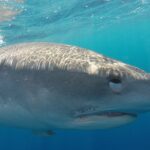
What I like most is the personal pace. Instructors (often people like Jeff, Nacho, Jared, Justin, Ami, and others) focus on your hand signals, gear comfort, and basic safety steps with calm, patient attention. Another big win is what you see: the reef run is where you can spot animals like turtles, sharks, rays, eels, and reef fish at a level you simply cannot match from the surface.
One consideration: you need to be a steady swimmer and you should be ready for motion. Wind and boat ride conditions can affect visibility, and one or two folks end up seasick.
In This Review
- Key Things to Know Before You Go
- What This Intro Scuba Experience Means in Real Life
- Timing and the Kewalo Basin Harbor Start
- Your 1-on-1 Skills Session With a PADI Pro
- Reef Time: What You’re Actually Likely to See
- Equipment, Snacks, and the Boat Comfort Stuff
- Who This Works Best For (And Who Should Reconsider)
- Safety and Health Requirements You Should Plan For
- Price and Value: Why $141.10 Can Make Sense
- Weather, Conditions, and What Changes Day-to-Day
- Should You Book This Intro Scuba Experience in Honolulu?
- FAQ
- How long is the Discover Scuba experience?
- What’s included in the price?
- Do I need to bring my scuba equipment?
- What are the age and swimming requirements?
- Do I need a medical check before I can participate?
- Is there a flying restriction after the experience?
- Is parking included?
Key Things to Know Before You Go
- 1-on-1 skills session with a PADI Professional so you learn the basics under direct supervision.
- Intro-friendly water time that’s designed to be manageable for first-timers and nervous beginners.
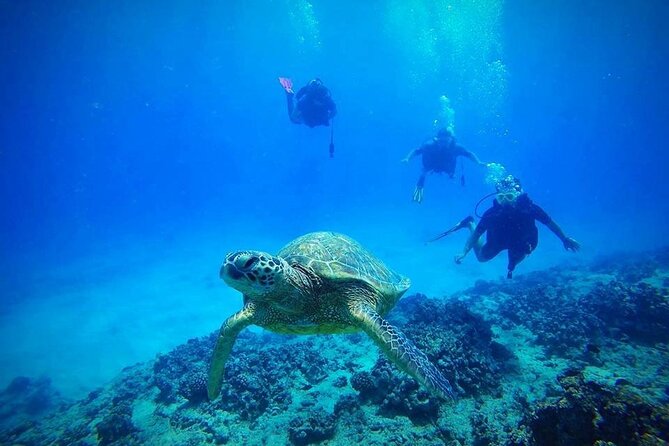
- Reef wildlife focus with a chance to spot turtles, sharks, eels, rays, and lots of colorful fish.
- Everything gear-related is handled with free premier gear rental plus a boat crew that helps you get set.
- Small-group feel with a maximum of 21 participants, so you aren’t lost in the crowd.
- Good snacks and refreshments during the day, plus the practical post-water rinse setup.
What This Intro Scuba Experience Means in Real Life
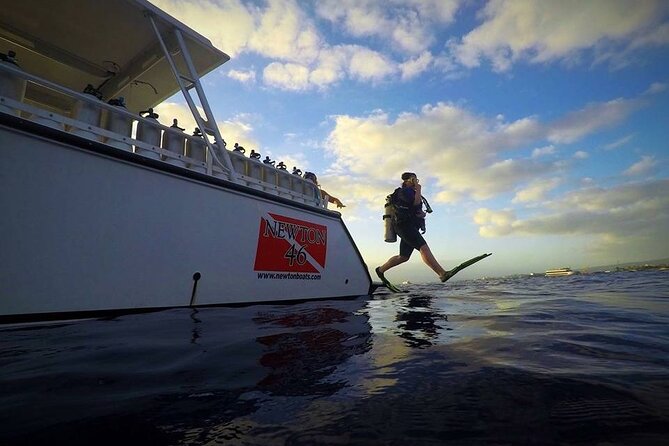
If you’ve never done scuba before, the hardest part is usually the mental jump: learning gear, staying calm underwater, and trusting your new signals. This experience is built to reduce that stress by pairing training with a reef visit, instead of tossing you straight into the deep end.
The strongest piece is that PADI Professional supervision is personal. You’re not just watching a safety video and hoping it clicks. You’re working through key skills, learning how to breathe, how to communicate, and how to move so you can actually enjoy the sights.
For me, the best part of the format is the mix of learning and wonder. You’re still going to see real reef life, not just a short “skills only” session. And because the instructors keep checking how you’re doing, you’ll feel less like you’re performing and more like you’re exploring.
You can also read our reviews of more scuba diving tours in Oahu
Timing and the Kewalo Basin Harbor Start
The whole experience runs about 3 hours. It starts at Kewalo Basin Harbor (1085 Ala Moana Blvd, Suite 109), and you’ll check in 30 minutes early.
That early arrival matters because you’ll need time to get geared up properly and meet your instructor. If you show up late, you’ll feel rushed, and the day is much more pleasant when you can move through gear setup at a normal pace.
After you meet up, you’ll head toward the reef area. Many groups spend time at a calm training location near Waikiki first, then go to a second reef spot if conditions allow. In practice, this usually means a short boat ride, not a long “drive to the middle of nowhere.”
Your 1-on-1 Skills Session With a PADI Pro
This is where the experience earns its keep.
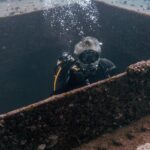
Before any open-water time, you’ll get a 1-on-1 skills session led by a PADI Professional. They walk you through safety guidelines and key fundamentals, then guide you through essential underwater skills under direct supervision. You’ll learn the hand signals you’ll use during the reef visit, and you’ll practice the motions that help you stay controlled.
In the best examples from real days, instructors like Jeff, Nacho, Jared, Justin, and Ami are described as patient and calm—especially with people who feel nervous. That’s not a small detail. When you’re new, confidence often comes from repetition with a steady coach, not from being rushed along.
Also pay attention to your own comfort in this phase. If you feel uneasy, tell your instructor right away. The whole point of the 1-on-1 portion is that you shouldn’t have to “power through” fear.
Reef Time: What You’re Actually Likely to See
After skills practice, the reef visit is guided. This is where you can go beyond what snorkelers see, because you’re at a controlled depth and your body feels more “connected” to the water.
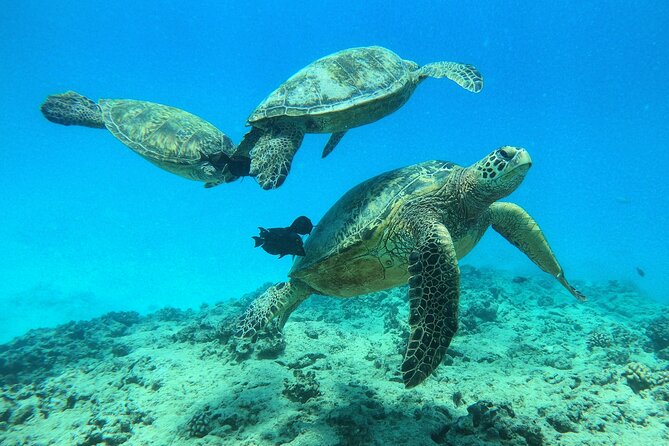
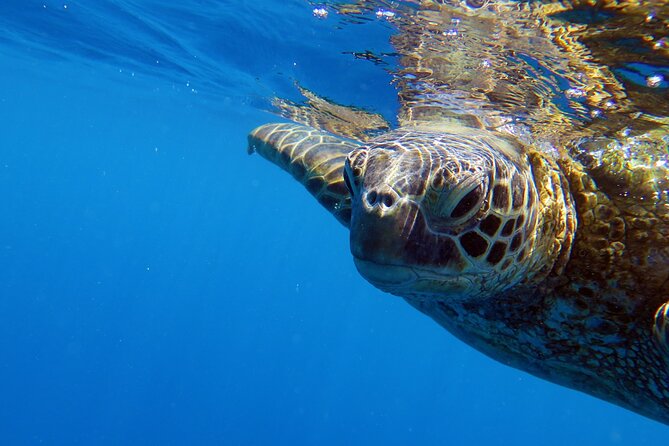
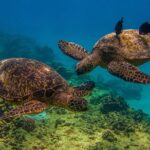
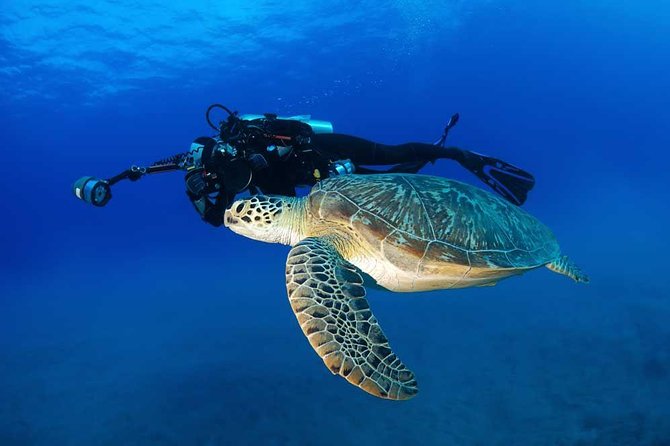
Expect a focus on reef wildlife. The experience highlights the chance to see turtles, sharks, eels, rays, and more. And in real first-timer experiences, people commonly report seeing turtles early, plus a lot of colorful fish close to the reef.
Depth can vary with conditions and comfort level, but many first-timers report shallow, manageable profiles—often around the 30–40 feet range. The training part may include a shorter underwater practice time, and then the guided reef portion runs a bit longer.
Two practical notes:
- Wind can affect visibility and the feel of the water, so your experience might be clearer on calmer days.
- If you’re prone to anxiety underwater, it helps to view the experience as a skills-to-comfort progression, not as a performance test.
Equipment, Snacks, and the Boat Comfort Stuff
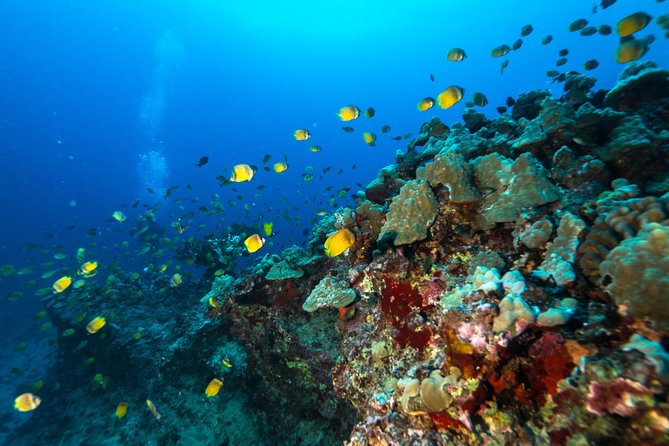
You don’t need to bring scuba gear. The price includes free premier gear rental, which is a major value boost. Trying to source a mask, fins, and a regulator setup on your own can eat time and money fast—especially when you’re arriving in Honolulu without scuba equipment.
Food and comfort are also included. You’ll get snacks and light refreshments while you’re on the boat. That matters more than you’d think, because you’ll be a little cooler and a little tired after gear time and water work.
From the feedback I’ve seen, boat crews tend to be friendly and efficient. You’ll also find help with getting suited up and staying comfortable between the two underwater portions. Some groups mention a rinse setup, which is nice when you’re heading back to dinner afterward.
One more practical detail: if you’re not certified, you may be limited on bringing your own camera underwater for safety reasons. If you care about photos, ask ahead what photography options are available (and what’s allowed in the water).

Who This Works Best For (And Who Should Reconsider)
This experience is made for people who want to try scuba for the first time, or who want a refresher and a confidence boost. It’s also a good fit if you want a structured lesson that doesn’t skip the safety basics.
It requires you to be able to swim, and you’ll be asked for your weight and date of birth as part of the pre-screening process. There’s also a medical evaluation step you must clear before going in the water.
Age-wise, the minimum is 10 years old. If you’re booking for kids aged 10–11, there’s an additional fee. So, if you’re traveling with family, it can work—just plan ahead for the training portion and the medical check.
My “think twice” list:
- If you’re very prone to seasickness and you get hit hard by boat motion, you might want to plan accordingly.
- If swimming isn’t comfortable for you, this won’t feel like a relaxed experience.
- If you’re anxious in open water, choose your expectations carefully. The 1-on-1 coaching helps, but you still need to go into the water.
Safety and Health Requirements You Should Plan For
Scuba is serious, even when the experience is beginner-friendly. The big requirement is medical screening. You’ll need to review and clear a medical questionnaire prior to the excursion. You may also need a physician’s note, depending on your situation.
The policy is straightforward: if you don’t pass the medical release, refunds aren’t provided for that failed clearance within the cancellation window. So it’s smart to take the form seriously and complete it early—before you’re counting on that exact date.
There’s also a flight rule: you must not fly within 24 hours of your water session. That’s something you should plan around if your Honolulu trip includes inter-island flights or airport connections right after.
Price and Value: Why $141.10 Can Make Sense
At $141.10 per person, this isn’t a “cheap add-on.” But you’re paying for instructor time, safety supervision, and full gear setup included in the price.
Here’s the value math I’d use:
- Gear rental is included (free premier gear rental). That alone can save you money versus renting day-of elsewhere.
- You’re getting guided reef time plus an intro 1-on-1 skills session with a PADI Professional, which is more staff attention than most group snorkel tours.
- You also get snacks and light refreshments, which helps keep the day from feeling like a rushed energy crash.
Is it worth it? If you’re new to scuba and want it done the right way—with calm coaching and a realistic chance to see turtles and other reef animals—this pricing is easier to justify. If you already feel totally comfortable with gear and training, you might compare options that lean more toward certification-level experiences. But for a first taste, the structure is the product.
Weather, Conditions, and What Changes Day-to-Day
This experience requires good weather. If weather is poor and the trip can’t run, you’ll be offered a different date or a full refund.
On good days, you’ll likely feel the reef life quickly. On windier days, the boat ride can feel rougher and visibility may drop. That’s why being flexible helps. Honolulu conditions can shift, and reef time is always at the mercy of the ocean.
If you’re arriving from another part of the island or you have a tight schedule, consider booking earlier in your trip so you have room for rescheduling if weather changes.
Should You Book This Intro Scuba Experience in Honolulu?
I’d book it if you want a first scuba session that takes beginner comfort seriously. The 1-on-1 PADI coaching is the deciding factor, especially if you’re nervous or you want to learn the signals and fundamentals without feeling rushed.
I’d skip it—or at least rethink—if you’re not comfortable swimming, you hate being on boats, or you know you’re likely to struggle with the training and medical screening steps. Also plan for the no-flying window after your water time.
If your goal is: get trained properly, go see turtles and reef life underwater, and do it with supportive instructors like Jeff, Nacho, Jared, Justin, Ami, or others you might be matched with—this is a strong “yes.”
FAQ
How long is the Discover Scuba experience?
It runs for about 3 hours.
What’s included in the price?
Gear rental is included (free premier gear rental), along with snacks and light refreshments, plus a guided tour with a PADI Professional.
Do I need to bring my scuba equipment?
No. The equipment is provided, and gear rental is included.
What are the age and swimming requirements?
The minimum age is 10. You must be able to swim. For ages 10–11, an additional fee applies.
Do I need a medical check before I can participate?
Yes. You must clear a medical questionnaire prior to diving, and you may need to provide a physician’s note. If you fail the medical release, refunds are not provided within the cancellation period.
Is there a flying restriction after the experience?
Yes. You must NOT be flying within 24 hours of the water session.
Is parking included?
Parking is not included.