REVIEW · MUSEUMS
Oahu: Pearl Harbor Aviation Museum Entry & Hangar Tour
Book on GetYourGuide →Operated by Pearl Harbor Aviation Museum · Bookable on GetYourGuide
WWII still feels close here. I love walking through the WWII hangars that were still standing after Dec 7, 1941, and I also like the fact that you can climb the Ford Island Control Tower for a top-down view of Oahu’s attack points. The hour feels short, but the story hits hard.
You’ll get an English-speaking live guide, a guided look at Hangars 37 and 79, plus a stop in the Restoration Shop. One heads-up: this is an active Navy Base, and the rules are strict about what you can bring inside.
In This Review
- Key things to know before you go
- Walking into the WWII Hangars at Pearl Harbor Aviation Museum
- Hangars 37 and 79: Your guided WWII path (and what it’s good for)
- Restoration Shop: Why aircraft preservation feels different in person
- Climbing the Ford Island Control Tower for real “attack point” context
- Itinerary flow: How the tour keeps moving without feeling rushed
- Price and value: Is $40 worth an hour on Ford Island?
- What you should bring (and what will slow you down)
- Getting the most out of your one-hour tour
- Who this tour fits best (and who should consider another option)
- Should you book the Pearl Harbor Aviation Museum hangar tour?
- FAQ
- How long is the Pearl Harbor Aviation Museum entry and hangar tour?
- What does the $40 per person price include?
- What’s the meeting point?
- Is transportation to the museum included?
- What areas of the museum does the guided tour cover?
- What should I bring for the tour?
- Is flash photography allowed?
- Are backpacks allowed?
- Is this tour suitable for wheelchair users?
- What is the cancellation policy?
Key things to know before you go
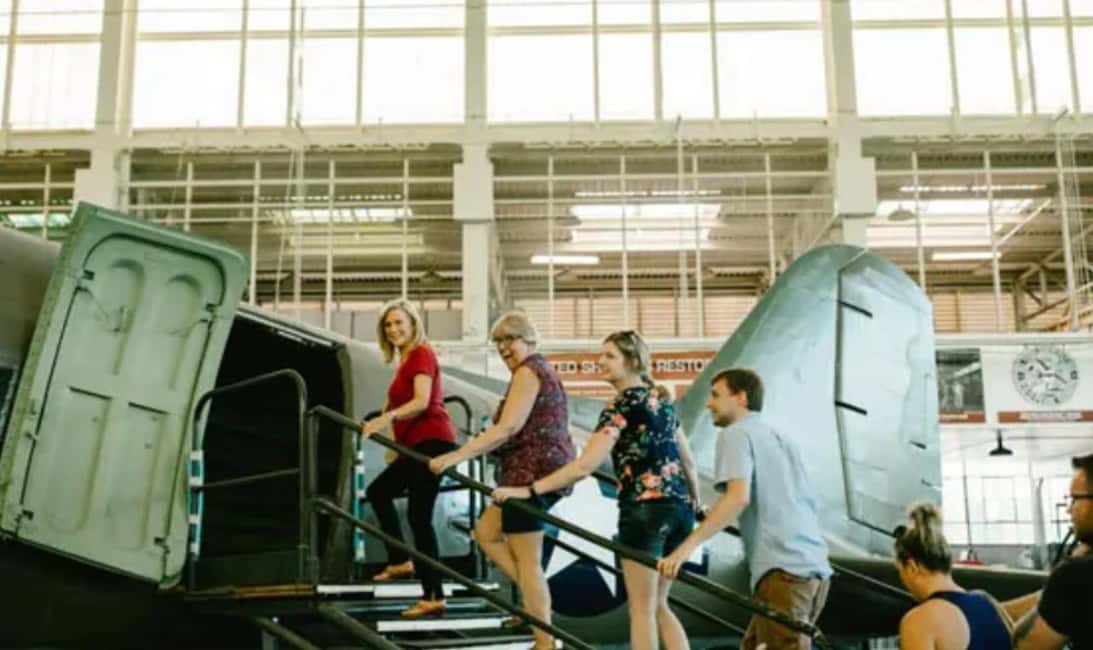
- Hangars 37 and 79, guided for you so you don’t just “look around” on your own
- Restoration Shop access for a behind-the-scenes look at aircraft preservation
- Ford Island Control Tower climb to 168 feet above the battlefield
- A unique view of attack points across Oahu from one high vantage point
- Strict Navy Base item limits (pack light and follow the on-site rules)
- No wheelchair access in this tour format
Walking into the WWII Hangars at Pearl Harbor Aviation Museum
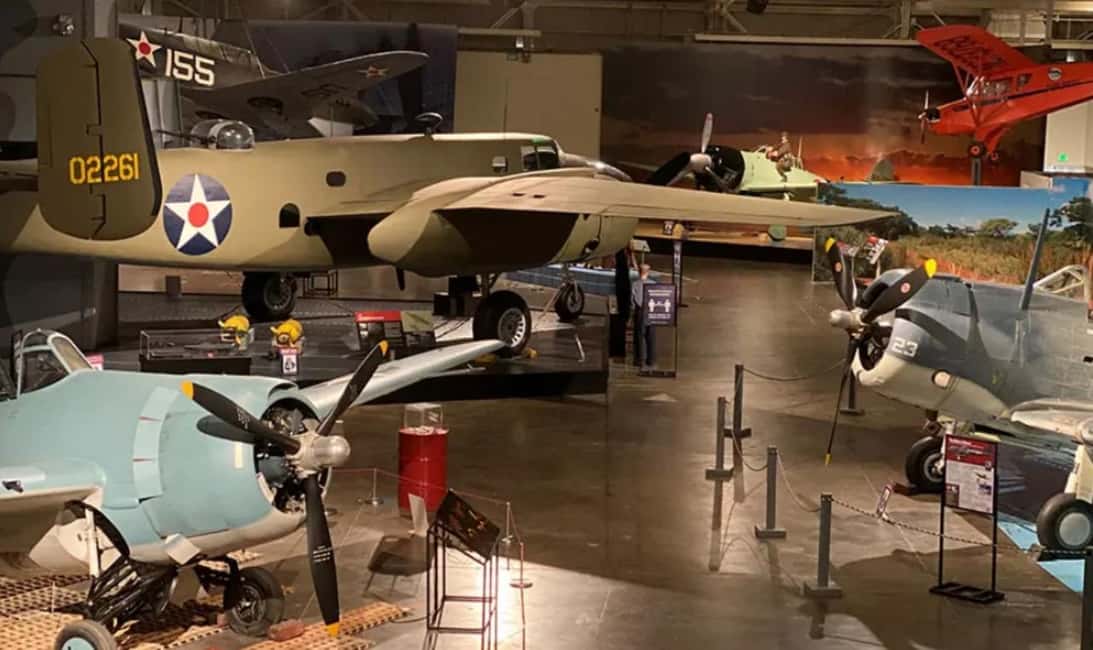
This is one of those Pearl Harbor experiences where the setting does half the talking. You’re not reading about 1941 from a distance. You’re walking through WWII hangars at Pearl Harbor that survived the attack, in a spot that still functions as an active Navy base.
What I like most is that the museum uses the architecture to frame the story. When you stand inside those long hangar spaces, you can feel how serious and practical wartime aviation was. The guided tour is built around that feeling—so you connect the aircraft and exhibits to people and decisions, not just objects on a wall.
The time window is also a big part of the value. At about one hour, you get a focused hit of what you’d want from a Pearl Harbor aviation stop: hangar history, real aircraft/exhibits, and then one standout viewpoint from the control tower.
You can also read our reviews of more museum experiences in Oahu
Hangars 37 and 79: Your guided WWII path (and what it’s good for)
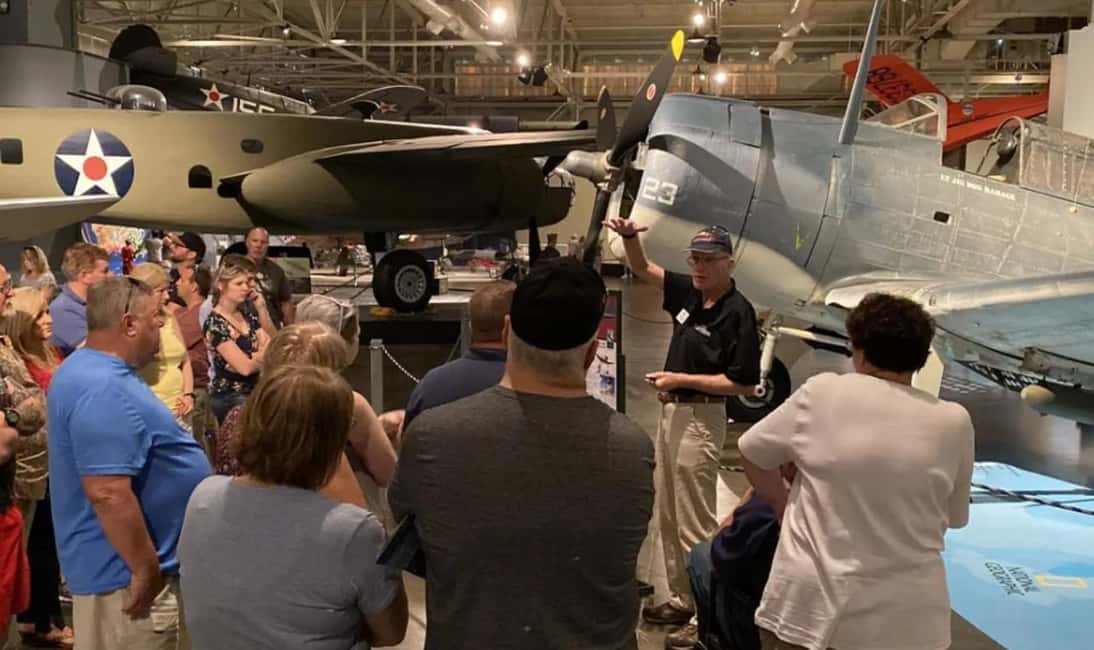
Your tour is built as a guided walk through two specific WWII hangars: Hangar 37 and Hangar 79. That matters, because a hangar isn’t just a room—it’s a workspace. In this format, you’re led through the spaces where planes would have been maintained, managed, and moved.
Inside, you’ll also spend time with historical exhibits and artifacts. The goal isn’t to overwhelm you with every detail of the entire war. Instead, you get the kind of grounding that helps the rest of your Pearl Harbor day make sense. If you’re planning to keep exploring after this, the museum’s aviation focus helps you shift from general memorial themes to the aircraft side of the story.
A key point: the tour includes personal stories connected to the Pearl Harbor attack. That’s what turns the hangars from “old buildings” into something you remember—because you’re being guided toward individual human events, not only dates.
Restoration Shop: Why aircraft preservation feels different in person
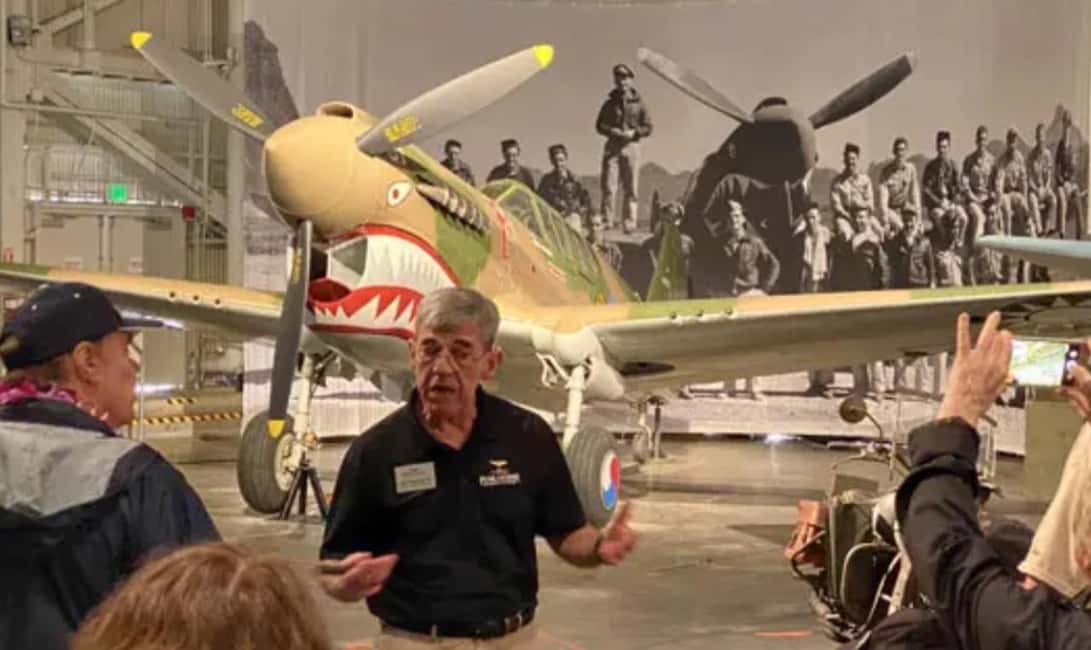
One of the most practical reasons this tour is worth it is the stop in the Restoration Shop. You’re not only seeing aircraft and exhibits; you’re seeing restoration efforts in action. That behind-the-scenes look adds a layer most standard museum hours don’t include.
I think the Restoration Shop is especially valuable because it changes your role from viewer to witness. You start asking questions like: How do you keep metal and fabric from aging into irrelevance? What gets repaired first, and what gets left alone to protect authenticity? Even if you don’t have technical answers in your head, seeing the work itself makes the preservation story feel concrete.
And because this is a guided tour, you’re more likely to understand what you’re looking at. The guide’s job here is to connect restoration activity to the broader reason the Aviation Museum exists: keeping WWII aviation history visible so it doesn’t fade out.
Climbing the Ford Island Control Tower for real “attack point” context
The biggest single wow moment is the climb up the Ford Island Control Tower. You’ll ascend to 168 feet above the battlefield, and from there you get one birds-eye view of attack points across Oahu.
This view matters because it’s not just pretty scenery. It helps you understand how the geography of Pearl Harbor connects to what happened during the attack. From street-level, it’s easy to think of the event as a set of separate locations. From the tower, you can start seeing relationships—distances, directions, and how the area fits together.
If you like “place-based” history—when the physical map of the area clarifies the story—you’ll appreciate why this tower climb is built into this exact tour package. It’s part sightseeing, part historical orientation.
Itinerary flow: How the tour keeps moving without feeling rushed
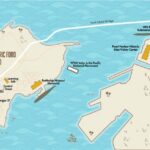
Here’s how the day’s rhythm typically feels. You start at the Pearl Harbor Historic Sites Visitor Center. After you arrive, you catch a complimentary shuttle to the Pearl Harbor Aviation Museum on Ford Island, which is the second stop on Ford Island.
Then there’s a short bus/coach segment of about 15 minutes, which is basically your transfer time between parts of the complex. The museum visit is where the action is—about one hour with the guided Hangars 37 and 79 experience plus the Restoration Shop.
Finally, you return to the Visitor Center. That makes the tour a good “anchor” activity: you’ll finish in the right place to continue with other Pearl Harbor sites without having to figure out transport details yourself.






Price and value: Is $40 worth an hour on Ford Island?
At $40 per person for a guided, one-hour hangar tour with a control tower climb, you’re paying for three things that are hard to recreate on your own:
- Guided access to Hangars 37 and 79, with historical context and personal stories
- Restoration Shop visibility, which is the behind-the-scenes ingredient
- The Ford Island Control Tower climb, which is the unique height-based view of attack points across Oahu
Is it cheap? No. But the value is in the combination. A self-guided museum visit can show you artifacts. This tour also gives you a structured route through specific hangars and then adds the tower viewpoint that helps you make sense of the area.
For many people, $40 is a fair price if you want your time to count—especially because Pearl Harbor is busy and you’ll likely have more than one stop in the day. This gives you a concentrated aviation-focused piece without turning your day into a multi-hour project.
What you should bring (and what will slow you down)
This tour is simple, but the base rules make it feel stricter than a normal museum outing.
Bring:
- Comfortable shoes (you’ll be walking through hangar spaces and around the site)
- Camera (photo-taking is part of the point, especially with that tower view)
- Water (hydration matters in Hawaii, even when you’re indoors part of the time)
Plan for restrictions:
- No flash photography
- No backpacks
- Navy Base security is strict; the tour information notes that only a mobile phone and wallet are allowed inside.
That last item is the one that can surprise people. If you’re used to carrying everything “just in case,” this is the time to switch to a minimal setup. Use whatever limited lockers outside the Visitor Center allow, then go in light.
Getting the most out of your one-hour tour
Because the tour is only about one hour, your best strategy is to focus on questions you actually care about.
I suggest keeping these in mind as you walk:
- What did aviation support mean in real operations, not just in headlines?
- How do the hangar spaces and exhibits help you understand the attack?
- When you climb the control tower, what part of the map makes the most sense to you from above?
Also, since the tour is guided by an English-speaking live guide, lean into the questions if you’re allowed. This is where the guided format pays off—someone is connecting artifacts and aircraft to what you’re seeing in front of you.
And yes, it’s okay to be practical: wear shoes you can handle on your feet, and keep your camera ready for the tower. That viewpoint is the moment most people remember, so make it easy for yourself to capture it.
Who this tour fits best (and who should consider another option)
This experience is a strong match if you want WWII aviation history in a way that’s physically tied to the setting. You get:
- Hangars you can walk through
- An hour with a guided route and stories
- The Restoration Shop look at preservation work
- The tower climb for a unique birds-eye view of attack points across Oahu
It may be less ideal if you need mobility accommodations. This tour format is not suitable for wheelchair users, based on the provided information.
If you’re the type who likes memorials but also likes operations and aviation details, you’ll probably enjoy this more than a purely general Pearl Harbor program.
Should you book the Pearl Harbor Aviation Museum hangar tour?
Book it if you want a focused, guided WWII aviation experience on Ford Island—and especially if the Ford Island Control Tower climb is calling your name. The combination of Hangars 37 and 79, the Restoration Shop, and that 168-foot viewpoint is exactly the kind of value that makes an hour feel purposeful.
Skip or reconsider if strict base rules and limited carry items sound like a hassle for your travel style. This isn’t the place for a casual “bring everything” approach. If you can pack light and follow site rules, this is a smart add-on that gives you a clear aviation angle on the events of Dec 7.
If you’re building a Pearl Harbor day and want one stop that genuinely changes how you understand the geography and the aircraft side of the story, this tour is a solid choice.
FAQ
How long is the Pearl Harbor Aviation Museum entry and hangar tour?
The tour duration is 1 hour.
What does the $40 per person price include?
It includes museum admission and a guided tour.
What’s the meeting point?
You start at the Pearl Harbor Historic Sites Visitor Center, then take the complimentary shuttle to Pearl Harbor Aviation Museum on Ford Island.
Is transportation to the museum included?
No. Transportation to/from the museum is not included, though the tour itself provides a complimentary shuttle once you’re at the Visitor Center.
What areas of the museum does the guided tour cover?
The hour-long guided tour focuses on Hangars 37 and 79, includes a visit to the Restoration Shop, and features an ascent of the Ford Island Control Tower.
What should I bring for the tour?
Bring comfortable shoes, a camera, and water.
Is flash photography allowed?
No. Flash photography is not allowed.
Are backpacks allowed?
No. Backpacks are not allowed.
Is this tour suitable for wheelchair users?
No. It is not suitable for wheelchair users.
What is the cancellation policy?
You can cancel up to 24 hours in advance for a full refund.