REVIEW · SURFING LESSONS
Oahu: Private Surfing Lesson with Local Big Wave Surfer
Book on GetYourGuide →Operated by HALEIWA SURF SCHOOL · Bookable on GetYourGuide
Hitting the water on Oahu’s North Shore feels like a cheat code. You get a private lesson with a local big-wave rider plus personal feedback meant to get you standing and riding during your 1.5 hours at Waialua Bay. I love that the class focuses on both technique and surf etiquette from someone who rides big breaks, but one drawback is simple: it’s not for non-swimmers, and the surf environment can be demanding.
The setup is straightforward: meet at Haleiwa, start on the sand with a safety briefing, then head out to practice with guidance. I also like that the lesson includes the key gear (board, leash, and a lycra top), so you spend less time shopping and more time learning.
In This Review
- Quick highlights worth prioritizing
- Private coaching in Haleiwa: what makes this lesson different
- How your 90 minutes usually unfolds, step by step
- Meeting and getting oriented
- Beach instruction and safety briefing
- Technique and etiquette, taught by a big-wave rider
- Waialua Bay practice: learning to stand and actually ride
- What the instructor is watching for
- Real motivation: riding momentum
- Surf etiquette and safety: the secret to catching waves faster
- Wildlife spotting without turning your head too much
- The gear is handled: what’s included and what you might request
- Pricing and value: is $110 per person worth it
- Who this lesson is best for (and who should think twice)
- Practical logistics that affect how well your session goes
- Should you book this private Oahu surf lesson?
- FAQ
- Where does the lesson take place?
- How long is the private surf lesson?
- What’s included with the lesson?
- Is a lifeguard or safety support provided?
- Is it suitable for beginners?
- What should I know about cancellation?
Quick highlights worth prioritizing
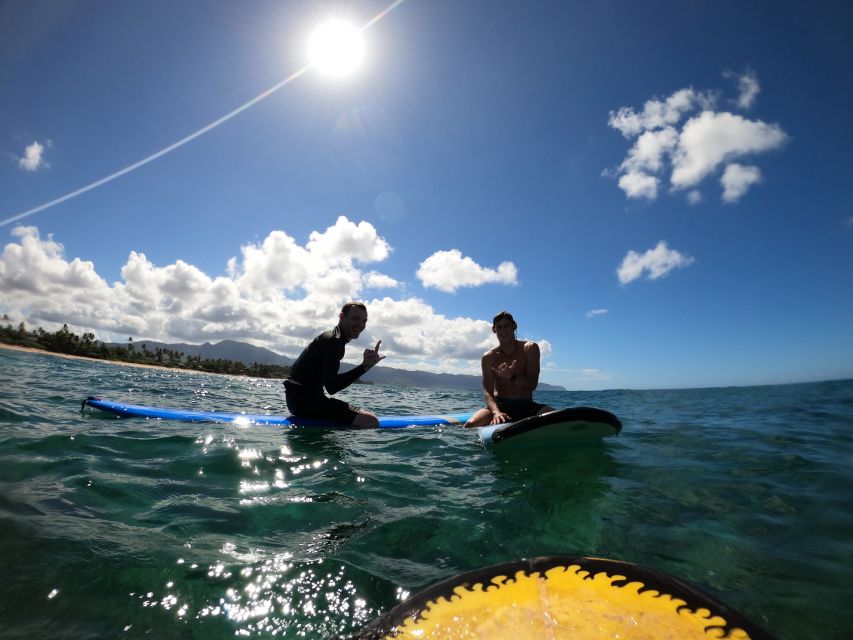
- Guaranteed waves and coaching time: you’re set up to catch rides, with feedback in the water
- Waialua Bay riding focus: you learn on blue-water North Shore conditions instead of a stand-in beach
- Etiquette taught like a local: learn how to handle the lineup with safer habits
- Wildlife on the horizon: keep an eye out for green sea turtles and monk seals
- Equipment handled for you: surfboard, leash, and lycra top are included
Private coaching in Haleiwa: what makes this lesson different
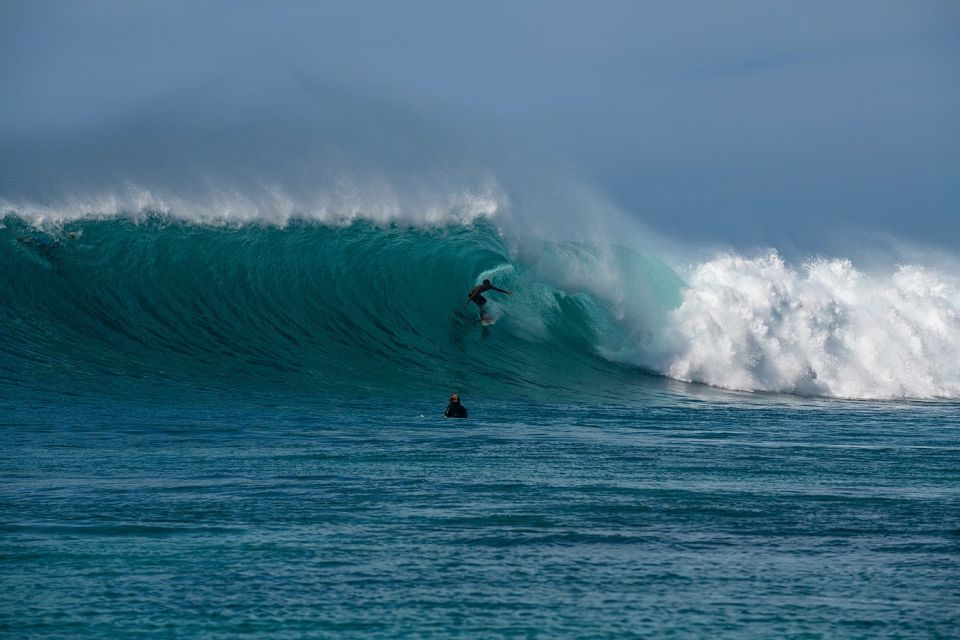
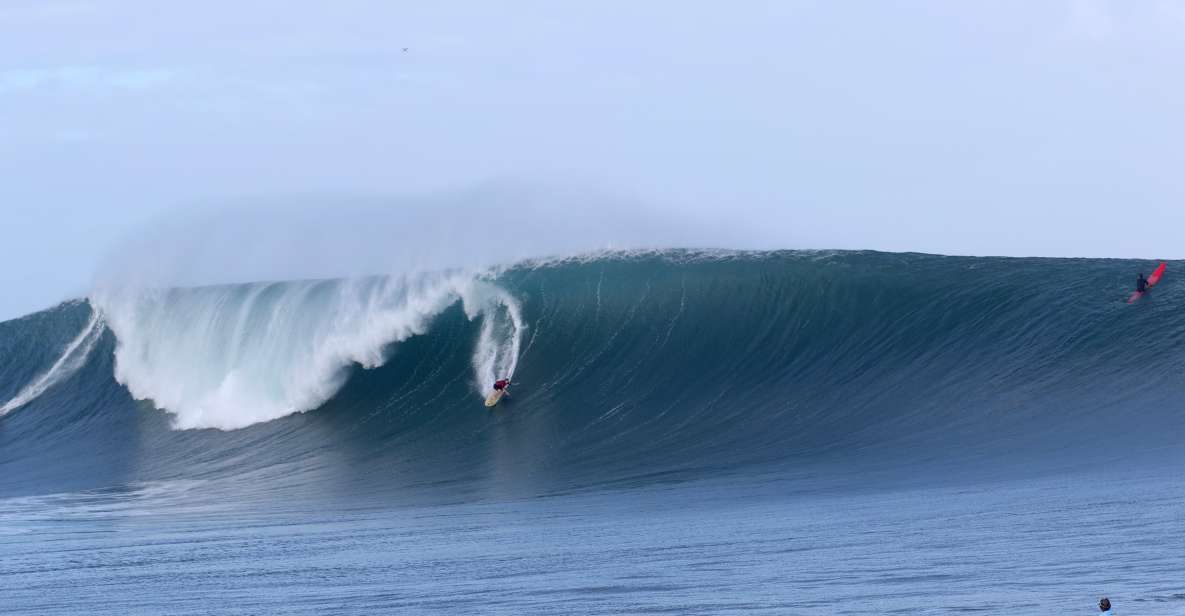
This isn’t a big group, stand-in-surf-school vibe. It’s a private class in Haleiwa on Oahu’s North Shore, led by a local big-wave surfer who can explain the sport the way you actually need it in Hawaii: what to do, what not to do, and how to read the water without guessing.
Two things I’d bet on from the start:
- You’ll spend more time practicing moves that matter. The goal isn’t just to watch someone else surf. It’s to get you onto the board and moving through the learning curve fast.
- You’ll get more useful feedback. With a private setup, you can focus on your stance, timing, and how you’re positioning for the wave instead of listening to generic tips for an entire class.
Price-wise, $110 per person for 1.5 hours sounds like a splurge until you think about what’s included. You’re not just paying for instruction—you’re paying for time on the water with someone who knows the North Shore. Equipment is covered too, which helps you feel like you’re getting a true lesson, not a rental plus a few pointers.
One consideration: if you have mobility issues, this is tricky. The activity is marked wheelchair accessible, but it’s also listed as not suitable for people with mobility impairments. Also, it’s not suitable for non-swimmers or people with heart problems, so be honest with yourself about comfort in ocean conditions.
You can also read our reviews of more private tours in Oahu

How your 90 minutes usually unfolds, step by step
The class runs about 1.5 hours. The exact start time depends on availability, but you’ll start and end at the same meeting point by the beach in Haleiwa.
Meeting and getting oriented
You’ll park in a dead-end parking lot where you’ll see other surfers. Then give your instructor a call and meet them at the beach. This part matters more than it sounds. In surf country, being late can throw off the whole session because tides and surf windows don’t wait for anyone.
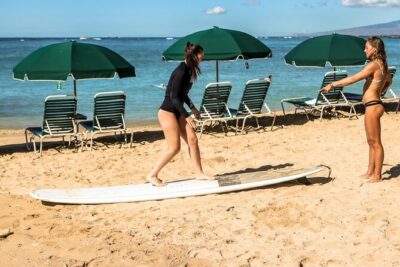
Beach instruction and safety briefing
Before you touch the water, the instructor handles:
- safety basics for that specific environment
- how to stand on the board correctly
- how to navigate the surf break without creating chaos
This isn’t just rules talk. When you understand how to position yourself and where to avoid trouble, you spend less time getting stuck and more time riding. That’s the difference between a lesson that feels like a gamble and one that feels like progress.
Technique and etiquette, taught by a big-wave rider
On the sand, then in the water, you’ll learn fundamentals tied to real Hawaii surf etiquette—especially important on the North Shore, where lineups can get intense fast.
From the coaching style described in past experiences, instructors named Jason and Jacob come through as patient, clear, and focused on fundamentals. In other words, you’re not being asked to copy a pro move—you’re being guided to fix the basics: stance, timing, paddling, and how to share space.
You can also read our reviews of more tours and experiences in Oahu
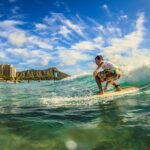

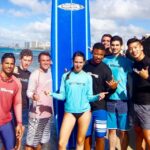
Waialua Bay practice: learning to stand and actually ride
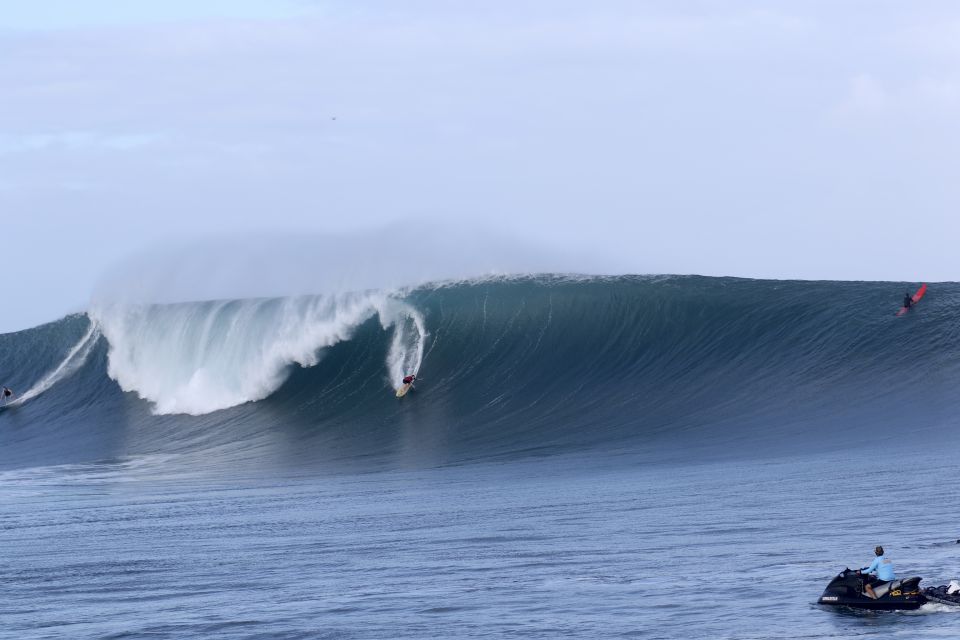
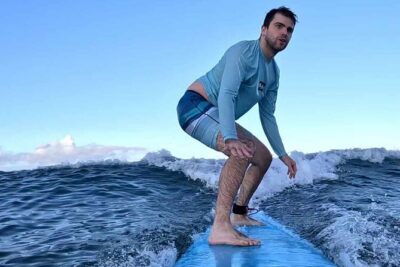
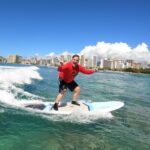
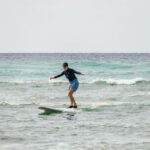
Once you’re ready, it’s out to the ocean at Waialua Bay, where you’ll work on catching waves under a watchful eye. The highlight here is that the session is designed so you get up and ride during the time you’re there, not just try once and hope.
What the instructor is watching for
When the waves start coming, coaching usually focuses on a few high-impact items:
- Your takeoff position: where you start relative to the wave
- Your pop-up mechanics: how quickly you can get from lying to standing
- Your control after standing: whether you can point and adjust instead of freezing
- Your behavior in the lineup: how you move so you’re safer and don’t interfere
The private format helps here. You can be corrected immediately, which makes your next attempt better instead of repeating the same mistake all session.
Real motivation: riding momentum
The adrenaline rush is real when you finally feel the wave set you in motion. The North Shore water and the blue look of Waialua Bay make it feel like more than a lesson. It’s why many first-timers leave talking about the rides and the confidence boost.
And you’re not just left with a vague, good job. The point is personalized feedback so you can link what you were doing wrong to what you should do next.
Surf etiquette and safety: the secret to catching waves faster
In Hawaii, etiquette isn’t a buzzword. It’s practical survival and a fast track to feeling confident.
This lesson explicitly includes etiquette guidance, including how to minimize danger when surfing in Hawaii. That matters because on a North Shore break, the wrong move isn’t just rude—it can be dangerous for you and other people.
You’ll be coached on:
- how to position yourself in relation to other surfers
- how to navigate the surf without getting in someone’s way
- what to do to reduce risk in the lineup
If you’re brand-new, the etiquette part can feel like extra information. But it usually turns into less wasted effort. When you’re not second-guessing where you should be, you can focus on the wave.
Wildlife spotting without turning your head too much
Waialua Bay isn’t only about waves. You might spot wildlife like green sea turtles and monk seals. That’s a rare part of the North Shore experience that doesn’t need extra planning.
Two practical notes:
- Keep your eyes on your surroundings, but don’t steer your attention away from your instructor’s cues.
- Wildlife sightings can happen unpredictably. Treat it as a bonus, not a goal, so you don’t miss the rides trying to catch a glimpse.
The gear is handled: what’s included and what you might request
One reason this lesson feels manageable is that equipment is included:
- surfboard
- lycra top
- leash
Two extras are available if you request them prior to your session:
- lifejacket
- booties
That’s important because comfort changes everything. If you’re worried about cold feet or you want extra confidence in the water, requesting booties or a lifejacket ahead of time can make the session feel more doable.
Also, no surf photographer is included. If you want photos, you’ll need to arrange that separately.
Pricing and value: is $110 per person worth it
At $110 per person, you’re paying for a private setup, ocean time, and equipment—plus instruction from a local big-wave surfer who knows the etiquette side, not just the trick tips.
Here’s why the value works if your priorities are the right ones:
- You get targeted coaching: private feedback usually shortens the learning curve.
- You get more attempts on waves: the lesson is built around getting you up and riding, which is what most beginners care about.
- You don’t have to source gear: board, leash, and lycra top are included, which reduces friction.
It may not be the best deal if you only want a quick look at surfing. But if your goal is to learn fundamentals properly and get real rides during your limited vacation time, this pricing starts to feel fair.
Who this lesson is best for (and who should think twice)
This class is suitable for all experience levels, but the ocean demands are real. Here’s a practical match-up:
Best fit if you:
- want a private lesson rather than a group class
- care about learning surf etiquette along with technique
- want confidence-building coaching from someone who’s done the North Shore game
Think twice if you:
- are not comfortable as a non-swimmer (it’s listed as not suitable)
- have heart problems (also listed as not suitable)
- have mobility impairments (even though it’s marked wheelchair accessible, it’s also listed not suitable for mobility impairments)
If you’re nervous, that’s normal. A good instructor should help you progress step by step, especially with patience and calm coaching like what’s been described with instructors including Jason and Jacob.
Practical logistics that affect how well your session goes
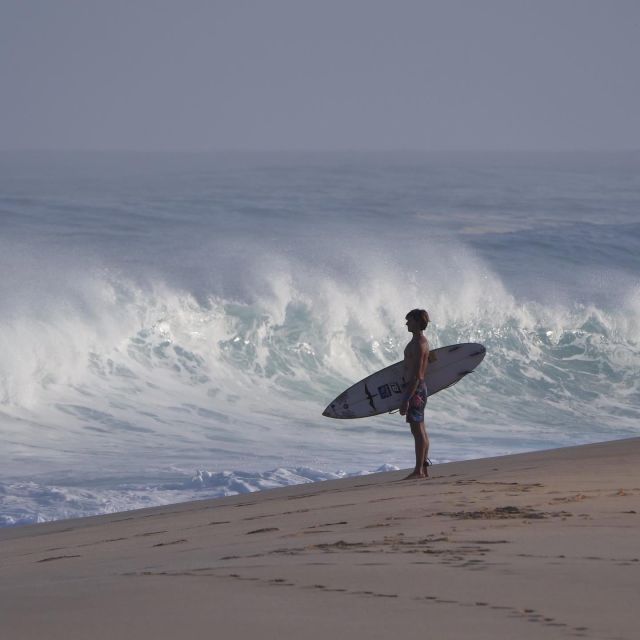
A few small details can make the experience smoother:
- Meet your instructor at the beach in Haleiwa and call after parking in the dead-end lot. That avoids confusion and wasted minutes.
- Be on time. Surf windows shift. If you arrive late, your time on the water can shrink fast.
- Expect English instruction. If you prefer language flexibility, this one is English-led.
- Pack for changing conditions. Water sessions often leave you wet and salty, so having a way to change after helps.
Should you book this private Oahu surf lesson?
I’d book it if you want a focused lesson on the North Shore with a coach who can teach both technique and how to behave in the lineup. The $110 price makes more sense when you compare it to how much you’re actually getting: private attention, included gear, and a session aimed at getting you riding during your 1.5 hours at Waialua Bay.
Skip it if you don’t swim confidently, have health limitations like heart problems, or you know surf activity won’t work for your mobility needs. And if you’re hoping for scenery-only photos, remember a surf photographer isn’t included.
If your goal is simple and honest—learn to surf with real feedback and spend the session on the water—this is the kind of lesson that can turn a vacation day into a skill.
FAQ
Where does the lesson take place?
You’ll learn with your instructor in Haleiwa on Oahu’s North Shore, and the session takes place in the ocean around Waialua Bay.
How long is the private surf lesson?
The duration is 1.5 hours. Starting times depend on availability.
What’s included with the lesson?
It includes a private instructor, a surfing lesson, and all necessary equipment such as a surfboard, lycra top, and leash. A lifejacket or booties can be requested prior to the session.
Is a lifeguard or safety support provided?
The experience includes a safety briefing as part of the lesson. It also lists lifejackets as available if requested prior to the session.
Is it suitable for beginners?
Yes. The class is suitable for all experience levels, but it’s not suitable for non-swimmers.
What should I know about cancellation?
You can cancel up to 24 hours in advance for a full refund.