REVIEW · WALKING TOURS
The East Waikiki Walking Tour
Book on Viator →Operated by Hawai'i Walks · Bookable on Viator
Waikiki, but with a history lesson. This 2-hour East Waikiki walking tour uses short stops to connect WWII-era sites, early surf culture, and geology at Le’ahi (Diamond Head)—all through a sustainability-minded lens. I especially like the small group size (max 4), which makes it easier to ask questions, and the built-in free local mochi ice cream break mid-tour. One drawback to keep in mind: the tour depends on good weather, and there’s at least one reported case of a guide not showing up at the start time—so don’t wander off or show up late.
What you’re buying for the $14 price is not just “see Waikiki.” You’re getting expert-led context about plants, animals, and human history, plus practical ways to be a better visitor while you’re there. The tour uses a mobile ticket, runs near public transportation, and is listed as a moderate walk—so it’s doable for most people, but it’s still time on foot.
In This Review
- Key highlights worth knowing
- East Waikiki on foot: why this route makes sense
- Price and value: what $14 buys you
- Timing and the meeting point: starting clean
- Stop 1: Waikiki War Memorial Natatorium and WWII leftovers
- Stop 2: Kaimana Beach, Outrigger vs Hui Nalu, and monk seal odds
- Stop 3: Kapiolani Park photo pause and ice-cream break
- Circling the zoo: animal stories that make you look twice
- Base of Diamond Head (Le’ahi): geology on a human scale
- Sustainability focus: learning to be a better visitor without guilt trips
- Who should book this tour—and who should skip it
- Should you book the East Waikiki Walking Tour?
- FAQ
- How long is the East Waikiki Walking Tour?
- What does the tour cost?
- Where do I meet, and where does the tour end?
- What time does the tour start?
- Is it a mobile ticket?
- Is the mochi ice cream included?
- Is bottled water provided?
- Is the group size limited?
- What happens if the weather is bad?
Key highlights worth knowing
- Max 4 travelers for a calmer pace and more back-and-forth with your guide
- WWII storytelling at Waikiki War Memorial Natatorium, including an abandoned memorial and an olympic-sized pool in the water
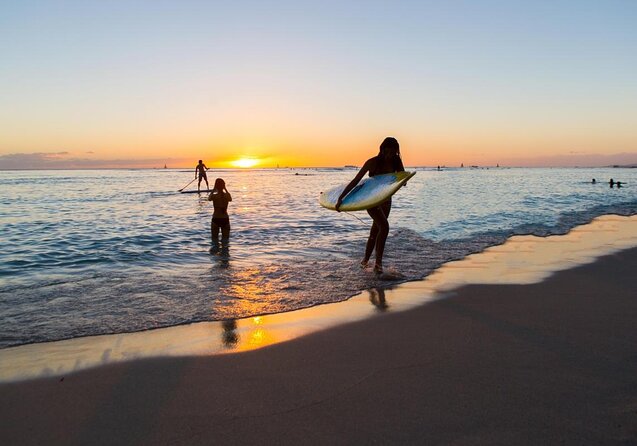
- Kaimana Beach surf-club history, featuring Outrigger vs Hui Nalu and how it shaped surfing’s image abroad
- A monk seal sighting possibility at one of their favorite haul-out spots (no guarantees)
- Free local mochi ice cream plus an ice-cream pause at Kapiolani Park
- Diamond Head base geology walk that ties an iconic cone to how the island was formed
East Waikiki on foot: why this route makes sense
East Waikiki is one of those areas that can feel like pure scenery until someone gives you the threads to connect it. This tour’s trick is it doesn’t treat famous spots like postcards. It links places to stories—war, surf clubs, native wildlife, and volcanic geology—so you leave with a mental map of how the area fits into bigger Pacific history.
The pace works because the day is built around short segments. You’re not asked to march for long stretches without breaks; instead, the guide gives you a reason to stop, look, and listen. It also helps that the group is intentionally small, so you won’t spend the whole walk stuck waiting for the slowest person in line.
A practical note: you’ll want to be comfortable walking for about two hours and moving between stops. The tour calls for moderate physical fitness, which usually means you should plan on some steady footwork and not expect long periods of sitting.
You can also read our reviews of more walking tours in Oahu

Price and value: what $14 buys you
For $14, the big value is focus. You’re paying for an informed guide experience that turns ordinary beachfront time into history and science you can actually use. You also get snacks—specifically free local mochi ice cream during a break about 45 minutes into the tour—so you’re not doing this on empty.
You’re also getting a “no extra ticket headache” approach at the first few stops. The memorial natatorium, Kaimana Beach, and Kapiolani Park are listed as free admission stops, which keeps the tour from ballooning into a spendy day of paid entry fees.
What you don’t get is bottled water. The tour notes you can use sterilized hydroflasks with cold water if you forgot yours—so bring a reusable bottle if you have one, and if not, plan to use what the tour provides.
Timing and the meeting point: starting clean
The tour meets at Public Art Surfer on a Wave on Kalakaua Ave + Opp, Monsarrat Ave, Honolulu, HI 96815. Start time is 9:00 am, and it ends back at the same meeting point.
Why this matters: a walking tour is only as good as its first five minutes. If you’re even slightly late, you can miss the initial briefing that sets up the whole “connect the dots” feel. Because there’s at least one reported issue tied to the guide not showing up at the start, I’d treat it like any critical appointment—be there early enough to settle in, not standing around wondering where your group went.
Also, the tour is described as near public transportation. That’s a plus if you don’t want to fight parking, but still, plan to arrive with enough time to find the exact spot.
Stop 1: Waikiki War Memorial Natatorium and WWII leftovers
The first stop is Waikiki War Memorial Natatorium, where you’ll learn Hawai’i’s world-war history and see an abandoned war memorial that sits alongside an olympic-sized swimming pool in the water.
This is a smart opener. It grounds you fast in the idea that Waikiki isn’t only about surf and sunshine—it also has layers of military and social history. Seeing the space in person matters here, because the “abandoned” part of the story isn’t just mood; it sets up how we should read the built environment with curiosity instead of autopilot.
Time at this stop is listed as about 15 minutes. That’s enough for context and a quick look around, without turning the walk into a lecture marathon.
Stop 2: Kaimana Beach, Outrigger vs Hui Nalu, and monk seal odds
Next up is Kaimana Beach, a place where the tour plans a compact but meaningful surf-history lesson. You’ll hear basic surfing history at the site where early surf schools were established, and you’ll also cover the conflict between the Outrigger and Hui Nalu surf clubs—plus how that rivalry influenced surfing’s image outside Hawai’i.
This stop is valuable because it reframes surfing history as more than “cool waves.” Surf culture has institutions, politics, and branding effects. When you understand the organizations behind the scene, you start noticing how stories travel and why certain images stick.
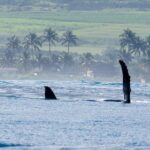
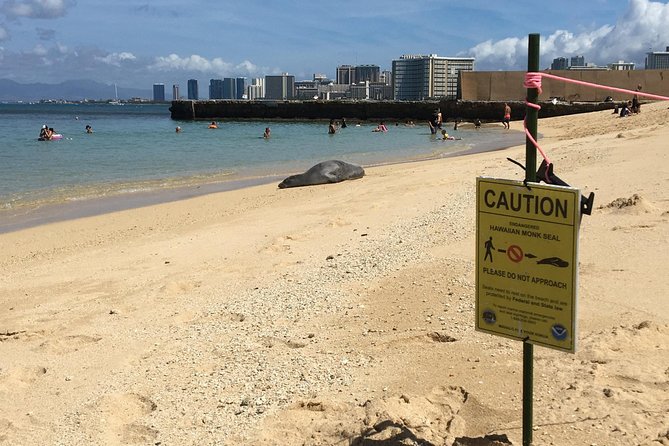
You’ll also get a wildlife moment: the tour asks you to keep your eyes open for a rare Native Hawaiian monk seal. Kaimana beach is noted as one of their favorite haul-out spots. The honest expectation is simple: it’s a chance, not a guarantee. Still, even knowing where to look changes how you watch the shoreline.
Time here is about 10 minutes, so come ready to focus your attention when you stop.



Stop 3: Kapiolani Park photo pause and ice-cream break
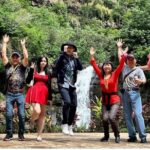
At Kapiolani Park, you’ll pause for photos and enjoy locally made ice cream.
This is the “reset” stop. After history and surf context, the park gives you a slower moment where the day doesn’t feel all signal and no scenery. It’s also useful for regrouping—if the group is moving closely together, this break helps keep it from becoming a single-file rush.
The tour lists this as about 15 minutes. Between this and the planned mid-tour snack (the free local mochi ice cream around 45 minutes in), you’re set up to manage energy without turning the day into a constant eating festival. Still, if you have a sensitive stomach or know you’ll snack anyway, plan your pacing so you’re not overloaded all at once.
Circling the zoo: animal stories that make you look twice
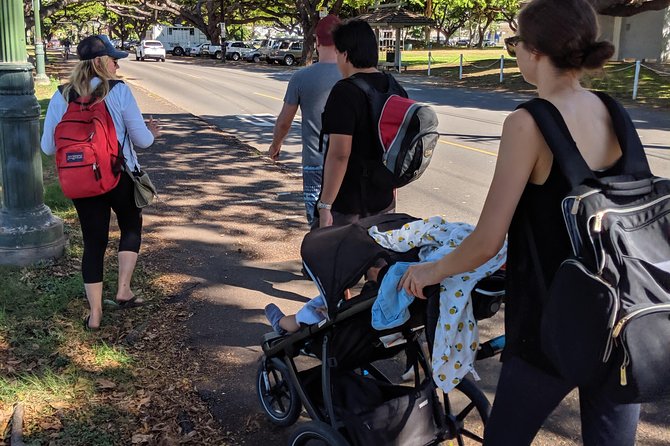
Mid-tour, you’ll circle the zoo and hear about compelling stories from animals that have lived there over the years.
This part can be surprisingly effective if you let it change your perception. Instead of treating the zoo as a stop you pass through, the tour encourages you to listen for individual animal stories and what they mean in the larger context of care, habitat, and human impact. The fact that the tour also talks about Hawaiian flora and fauna elsewhere makes this feel like one continuous theme, not a random detour.
The tour doesn’t give a named zoo in the details you shared, but it clearly means you’ll take time around the zoo grounds. Time allocation for this specific portion isn’t stated, so treat it as a listening moment more than a sightseeing checklist.
Base of Diamond Head (Le’ahi): geology on a human scale
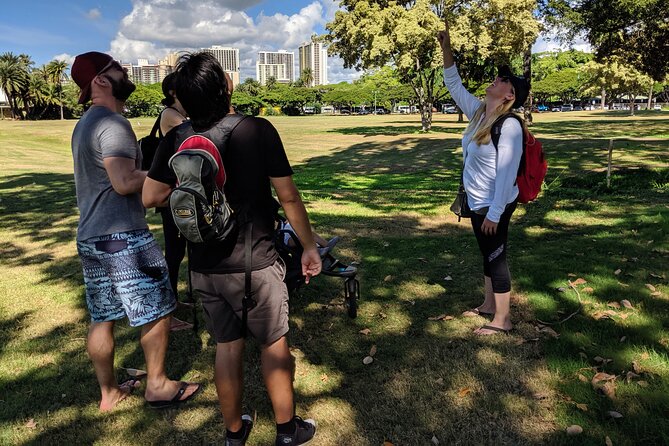
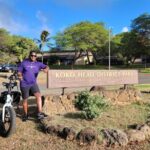
The final major stretch is a walk along the base of Diamond Head (Le’ahi) state park, where you’ll hear about the island’s geological history and how this iconic volcanic cone formed.
Diamond Head is the kind of landmark everyone recognizes, but most people never get the “how” behind it. A geology walk works best when it connects scale and process—what you’re standing near, why that shape matters, and how islands evolve over time. The tour’s focus here is specifically the formation of the cone, which is exactly the kind of context that makes a famous view feel new again.
This stop also closes the loop on the sustainability theme. When you understand how the land formed, it’s easier to connect today’s ecosystems and human choices back to long-term natural processes.
Sustainability focus: learning to be a better visitor without guilt trips
The tour is built around sustainability and the impact of industry in Waikiki. You’ll get information to help you be a better consumer while visiting the islands—along with local social issues and a lens on how tourism and development affect natural systems.
The guide approach is described as historically literate and compelling, with expert knowledge in Hawaiian flora, fauna, and history. That matters because sustainability talk can go two ways: vague moralizing, or grounded, place-based explanation. This tour is positioned as the second kind—tying what you see to what’s been happening around it.
In my view, that’s the main reason this experience is worth more than “a stroll with facts.” You’ll walk away not just with trivia, but with a sense of cause and effect: how people change environments, how environments respond, and what “better visitor” can mean in practice.
Who should book this tour—and who should skip it
This is a good fit if you want an early, structured walk that mixes nature, animal stories, and local history without dragging on all day. It’s also ideal if you like small-group dynamics and you prefer guided context over wandering alone.
It’s especially worth it if you care about themes like sustainability and you don’t want the lesson to stop at scenery. If you enjoy surf history, war-era Hawaiian history, and geology, the stop order makes sense.
Skip or think twice if you’re expecting a long beach lounge day. This is a walk with stops and learning moments. Also, because it requires good weather, don’t plan this as your one “can’t miss” activity in a stormy week.
Should you book the East Waikiki Walking Tour?
I’d book it if you want a short, guided, value-priced way to understand East Waikiki beyond the usual beach blur. The $14 price point is hard to beat for a tour that includes a snack plan (mochi ice cream), multiple story stops, and a clear focus on animals, plants, and sustainability.
I’d also book it with two small precautions: arrive early at the meeting point so you’re not guessing, and keep an eye on weather because the tour explicitly depends on good conditions. If you’re the type who hates uncertainties, confirm your plan close to start time.
If you want Waikiki with context—WWII, surf clubs, monk seals (maybe), and Le’ahi geology—this walk delivers a lot for the money.
FAQ
How long is the East Waikiki Walking Tour?
It’s listed as about 2 hours.
What does the tour cost?
The price is $14.
Where do I meet, and where does the tour end?
You meet at Public Art Surfer on a Wave on Kalakaua Ave + Opp, Monsarrat Ave, Honolulu, HI 96815, and the tour ends back at the same meeting point.
What time does the tour start?
The start time is 9:00 am.
Is it a mobile ticket?
Yes, the tour uses a mobile ticket.
Is the mochi ice cream included?
Yes. The tour includes free local mochi ice cream during a break about 45 minutes into the tour.
Is bottled water provided?
No bottled water is provided. If you forgot your own bottle, the tour notes it will have sterilized hydroflasks with cold water for your use.
Is the group size limited?
Yes. This tour/activity has a maximum of 4 travelers.
What happens if the weather is bad?
The experience requires good weather. If it’s canceled due to poor weather, you’ll be offered a different date or a full refund.