REVIEW · NORTH SHORE TOURS
Shark Cage Diving on Oahu’s North Shore
Book on Viator →Operated by Hawaii Shark Encounters Inc · Bookable on Viator
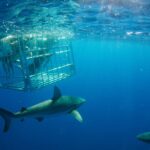
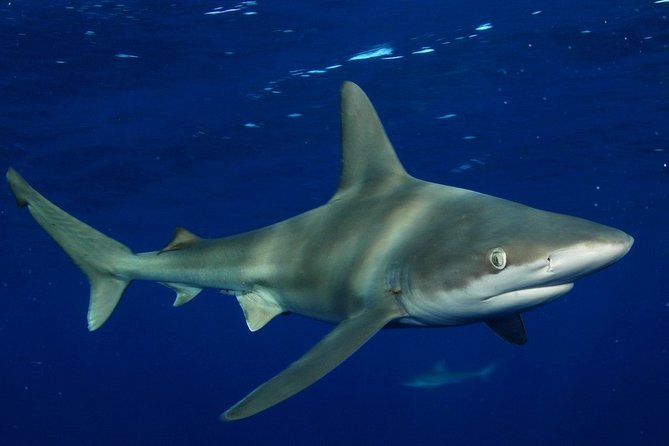
Ready to meet sharks, calmly and safely? This Oahu North Shore shark cage experience lets you watch Galapagos and sandbar sharks glide past in clear water from a floating polyglass-window cage.
What I like most is the small-group feel. With a maximum of 12 travelers, you get real attention from the crew instead of feeling like a number. The second big win is how beginner-friendly it is: no scuba certification, and you stay on the surface with mask and snorkel while the guides handle the rest.
The one thing to think about is the ocean part. Some trips run with chop, and the cage can feel rockier than the boat, so motion-sickness planning matters.
In This Review
- Key Things to Know Before You Go
- Haleiwa Harbor Setup: Where the Adventure Starts
- The Floating Cage Session: What It’s Really Like
- Seeing Galapagos and Sandbar Sharks Through Polyglass
- How the Crew Makes It Feel Safe (Names You Might Hear)
- Observer Tickets: Enjoy the Trip Without Going In
- What to Expect on the Water: Waves, Gear, and Timing
- The Boat Ride Bonus: Whales and Other Wildlife
- Value for $100: What You Get (and Why It’s Not Just About Sharks)
- Who This Shark Cage Experience Fits Best
- Quick Decision Checklist: Book or Skip?
- FAQ
- How long is the shark cage experience?
- Do I need scuba certification or previous snorkeling experience?
- What’s included, and what should I bring?
- Can I ride along without going in the cage?
- What’s the minimum age?
- What if the weather is bad?
Key Things to Know Before You Go
- Small group, more personal attention (max 12 travelers)
- Surface snorkeling with all gear provided—no scuba needed
- Polyglass windows help you see sharks up close without getting into the water the hard way
- Observer option lets friends and family stay onboard without cage or snorkel gear
- Early timing often helps with a smoother cage session
- Extra wildlife sightings can happen on the way out and back, including whales
Haleiwa Harbor Setup: Where the Adventure Starts
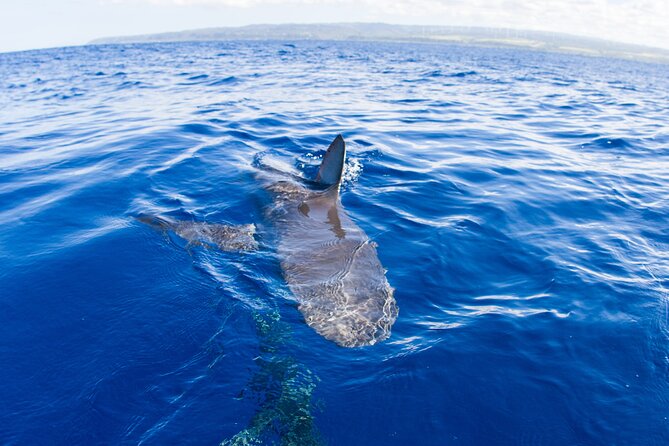
Your morning (or scheduled departure) begins at Hale‘iwa Boat Harbor. This is where you meet the crew, get your bearings, and head out for the short run to the shark habitat area. The whole vibe here is practical and friendly—think briefing, not pageantry.
From there, you’re off to deeper offshore water. One nice detail: the boat ride is short enough that you’re not spending your whole trip bouncing around the ocean before the main event. And once you arrive, the crew is set up to help you get into position quickly.
If you want the best chance at comfortable conditions, I’d aim for an earlier slot. People who’ve done the trip more than once consistently recommend going early because it tends to be calmer for the cage session.
You can also read our reviews of more scuba diving tours in Oahu
The Floating Cage Session: What It’s Really Like
This is not a chaotic free-for-all. The cage is designed for controlled viewing, and the entry process is typically straightforward. You climb in, get settled, and the staff guides you through what to do so you’re not guessing while water motion builds.
The experience has two phases:
- On the surface with a snorkel and mask while you observe through the cage.
- A chance to use the windows from inside the cage for closer viewing as sharks circle and pass by.
You should expect a lot of time watching. It’s not just a quick peek. People describe plenty of duration in the water with sharks nearby, which matters because wildlife encounters are never perfectly timed. The better the time you have, the more likely you’ll see the sharks behave naturally and repeatedly around the cage.
Also, the crew stays engaged. They give safety instructions, answer questions patiently, and keep the trip from feeling like pure adrenaline. If sharks are your fear factor, that steady guidance is a big deal.
Seeing Galapagos and Sandbar Sharks Through Polyglass
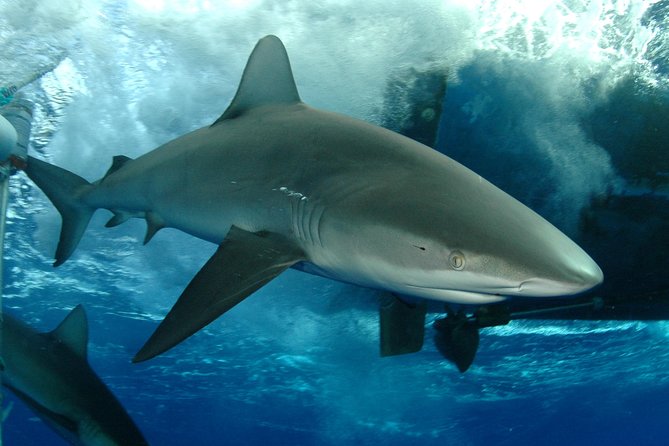
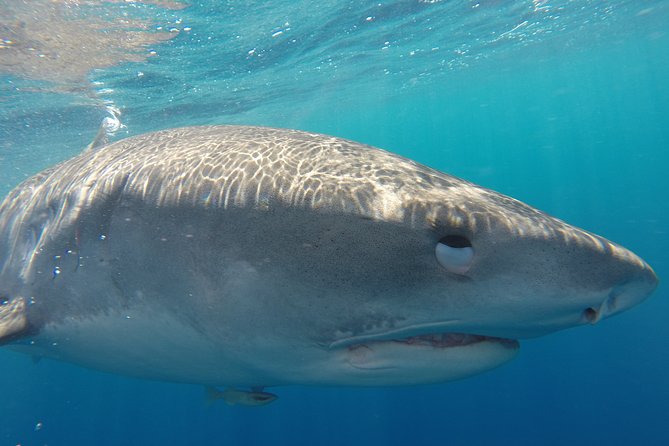
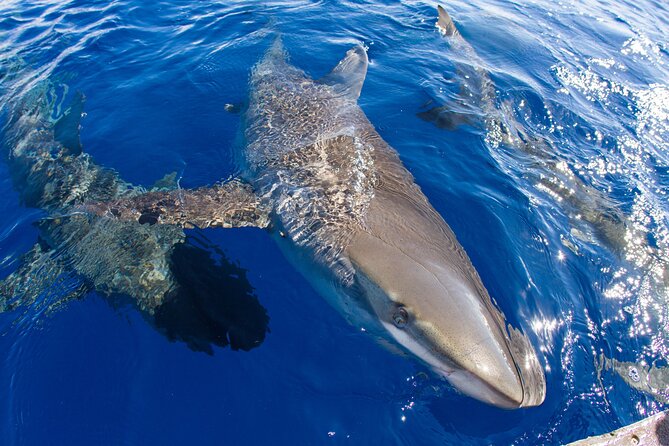
The main target species are Galapagos sharks and sandbar sharks, and the water around Oahu’s North Shore can make those sightings feel startlingly close. The cage’s polyglass windows do a lot of the work here. They help you see the sharks clearly while you stay protected and stable.
A lot of the magic is in the motion. Sharks don’t usually show up like a theme-park attraction. Instead, they glide, circle, and weave around the cage area in ways that feel curious rather than aggressive. You’ll often see them at different distances, so even when they’re not right against the window, you’re still watching real behavior.
Some outings also bring surprise extras. Guests have reported sightings beyond the expected species, including tiger sharks on certain days. That’s not something you can count on every trip, but it’s a reminder that you’re watching living animals, not a rehearsed show.
How the Crew Makes It Feel Safe (Names You Might Hear)
What turns a scary topic into a calm experience is the crew’s approach. People consistently highlight guides who are friendly, patient, and genuinely enthusiastic about shark biology—without turning it into a lecture you can’t escape.
You may meet staff including names like Caleb, Jax, and Captain David, with other crew members such as Efraim/Efram also showing up in guest stories. The repeated theme: they answer questions—even the nervous, basic, “I’m just worried” ones. That matters, because shark encounters create a lot of mental noise.
They also provide on-water commentary about shark biology and behavior. It’s the difference between seeing animals as scary movie monsters and seeing them as real marine neighbors with a job to do in the ecosystem.
A small but memorable touch: after you’re done, the crew typically rinses you off with fresh water. That’s not just comfort—it’s what makes the whole day feel handled, not rough.
Observer Tickets: Enjoy the Trip Without Going In
Not everyone wants to get in the water, and that’s exactly what the observer option is for. If you buy an observer ticket, it does not include getting in the cage or using snorkel equipment. It’s mainly for people who want to join the group while staying onboard.
This is a great setup for families with mixed comfort levels. A parent might do the cage session while a child or grandparent stays outside the water. It also helps if someone is nervous about the ocean but still wants to experience the atmosphere and wildlife chances.
If you’re the one planning to observe, ask yourself one practical question: do you want photos and close-up sightings, or do you mainly want the experience of being on the boat and watching from outside? The observer experience is valuable, but it won’t replace the view you get from inside the cage.



What to Expect on the Water: Waves, Gear, and Timing
Ocean conditions are part of the deal on the North Shore. Several guests note that February water and weather can bring a cooler feel, and that even when the boat handling is good, the cage can rock more than you expect.
Here’s what I’d plan for:
- Motion-sickness support if you’re prone to it. People specifically recommend taking Dramamine in advance, and not waiting until you’re already feeling bad.
- Warmth under the wetsuit line. If the water feels cool to you, bring a body suit or extra layer designed for swim temps.
- A towel for the end. Towels aren’t included, and you’ll want something ready after the rinse.
Snorkeling gear is included, so you can travel light on that front. But you still need to bring the basics not listed as included: swimwear, sunscreen, and any comfort items you personally prefer.
If you have an underwater camera plan, you’ll be happy you considered it. Guests recommend bringing a waterproof or pouch-style camera setup because once you see sharks close to the cage, you’ll want to save those moments.
The Boat Ride Bonus: Whales and Other Wildlife
Even if your main goal is sharks, the trip often gives you extra wildlife on the way out or back. Multiple guests report seeing whales, including humpback whales, and the captain may point out other things along the route like birds and flying fish.
That’s a real value-add. A shark encounter is never guaranteed in quantity, but the boat outing itself becomes part of the story. When wildlife shows up in more than one form, it can turn a great half-day into a top memory of your Oahu trip.
Value for $100: What You Get (and Why It’s Not Just About Sharks)
At about $100 per person for roughly two hours, this tour sits in the “worth it if it’s your thing” category. You’re paying for three practical benefits:
- Safety + control: You’re using a cage designed for protected viewing, not trying to freestyle the ocean.
- Guided spotting: Sharks aren’t always visible the second you arrive. The crew helps you make the most of the time on site.
- Beginner simplicity: You don’t need prior scuba training, and snorkel gear is provided.
The small group size makes the price feel more reasonable too. With a maximum of 12 travelers, you’re more likely to get help when you need it and better guidance on using your snorkel/mask time effectively.
If you’re the type who likes structured wildlife encounters—clear rules, calm instructions, time on the water—this is good value. If you’re expecting a guarantee of a specific number of sharks every trip, it’s wiser to treat it as a “best possible chance” outing and let nature do its thing.
Who This Shark Cage Experience Fits Best
This works especially well for:
- First-timers who want shark viewing without scuba
- Families where some people can do the cage while others use the observer option
- People who want safety-first guidance and clear instruction
- Nature lovers who also enjoy learning about marine behavior
It may be a tougher match if:
- You’re extremely sensitive to motion and haven’t planned for seasickness support
- You’re looking for a totally calm, no-wave experience (the ocean can be unpredictable)
- You want to be in the water freely with no structure (this is cage-based viewing)
Quick Decision Checklist: Book or Skip?
Book this experience if you want a controlled, close-up shark encounter on Oahu’s North Shore, and you’re comfortable planning for possible ocean chop. I’d treat it as a shark-and-wildlife highlight that’s worth it for the combination of beginner-friendly snorkeling, small group attention, and the polyglass viewing that keeps the experience safer and calmer.
Skip it if you know motion sickness will ruin your day and you haven’t successfully handled it in other ocean situations.
FAQ
How long is the shark cage experience?
It runs for about 2 hours (approx.) and you’ll return to Hale‘iwa Boat Harbor afterward.
Do I need scuba certification or previous snorkeling experience?
No scuba experience or certification is necessary. The plan is surface snorkeling with mask and snorkel, and snorkeling equipment is provided.
What’s included, and what should I bring?
Included are shark cage diving, snorkeling equipment, local taxes, and an expert crew. You’ll want to bring things like swimwear, a towel, and suntan lotion.
Can I ride along without going in the cage?
Yes. There’s an observer ticket option, but it does not include getting in the cage or using snorkel equipment.
What’s the minimum age?
The minimum age is 5 years old.
What if the weather is bad?
This experience requires good weather. If it’s canceled due to poor weather, you’ll be offered a different date or a full refund.