REVIEW · CRUISES & BOAT TOURS
Incredibly Fun Coral Reef Giant Sea Turtles 4hour Boat Scuba Tour
Book on Viator →Operated by WAIKIKI DIVE CENTER · Bookable on Viator
A little planning beats bad “beach scuba.” This 4-hour two-tank scuba experience on Oahu feels like the real deal: you get professional instructor coaching plus a chance at big sea turtles on Hawaii’s reefs. The main thing to keep in mind is that reef visibility and what you see can drop in rougher or rainy conditions.
What I like most is the focus on comfort and safety first, then fun right after—people like Chad, Olga, Josh, and Captain Yoshi are repeatedly praised for being patient and checking gear. At $299, it’s not cheap, but you’re paying for trained instruction, full equipment rental, and actual open-water time rather than a short, shallow gimmick.
In This Review
- Key points before you go
- First: what kind of scuba day is this?
- Meeting at 424 Nāhua St and the Oahu ride plan
- Two-tank shallow ocean time: why the format works
- Tank 1: practice plus confidence
- Tank 2: reef time with more freedom
- How deep is it?
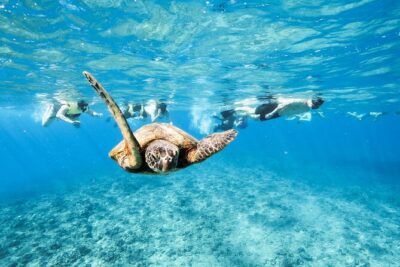
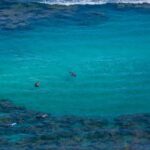
- The real star: giant sea turtles and reef wildlife
- What can limit sightings
- Safety, medical checks, and the “no nonsense” rules
- Medical questionnaire and doctor consent
- Sober policy
- Physical readiness
- Instructor impact: why names keep showing up
- Price and value: is $299 worth it?
- Itinerary stops: what those Oahu names mean in your day
- Weather, rain, and visibility: the one factor you can’t control
- Who should book, and who should skip
- This tour fits you if:
- Consider skipping or pairing with something else if:
- Should you book this Oahu turtle-and-reef scuba tour?
- FAQ
- How long is the scuba tour?
- Where do I meet for the tour?
- Do I need to be certified?
- What scuba experience will I actually do?
- What’s included in the price?
- Is lunch included?
- What wildlife might I see?
- Is there a group size limit?
- Do I need medical clearance from a doctor?
- Can I fly the same day after scuba?
- What is the cancellation window for a full refund?
Key points before you go
- Pro PADI-style instruction with one-on-one training for first-timers and returning divers
- Two tank, shallow ocean sessions that start with skills and then move into reef time
- Small-group feel (max 16 travelers), which makes it easier to get help and stay on track
- Sea turtles are the headline, with rays, reef sharks, octopus, and lots of reef fish often in the mix
- Warm-water, gear-supported fun (snacks and water included; no lunch)
- Timing matters: avoid flights within 18 hours (shallow) or 24 hours (deeper)
First: what kind of scuba day is this?
This is a half-day, real-ocean scuba experience designed for people who want hands-on guidance without jumping straight into certification-level chaos. You’re not just handed equipment and sent over the side. The program is built around training, skill practice, and then a reef look—typically across two separate underwater periods using two tanks.
You’ll also spend part of the day on the move around Oahu. Expect scenic driving and stop-and-look moments, ending back near where you started. If your goal is simply to get wet and see turtles, this scratches that itch. If your goal is a full-day island tour, you’ll want something else paired with it.
You can also read our reviews of more boat tours in Oahu
Meeting at 424 Nāhua St and the Oahu ride plan
You start at 424 Nāhua St, Honolulu, HI 96815, and the activity ends back at the meeting point. That matters because it keeps the logistics simple: you’re not transferring between random offices, docks, and ticket counters.
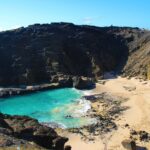
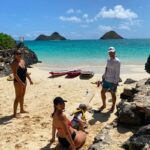
Along the way, the day includes stops and/or passing through areas like Waikiki, North Shore, Lanikai Beach, Diamond Head State Monument, Hanauma Bay Nature Preserve, and Ala Moana Beach Park. Realistically, this gives you two benefits:
1) you get an early look at the island’s scenery before the water, and
2) you’re not stuck in one boring parking lot for the entire morning.
If you’re the type who hates waiting, plan to be early and keep your schedule flexible. Some guests report that the day can feel slower if the group flow changes, which is common with ocean operations.
Two-tank shallow ocean time: why the format works
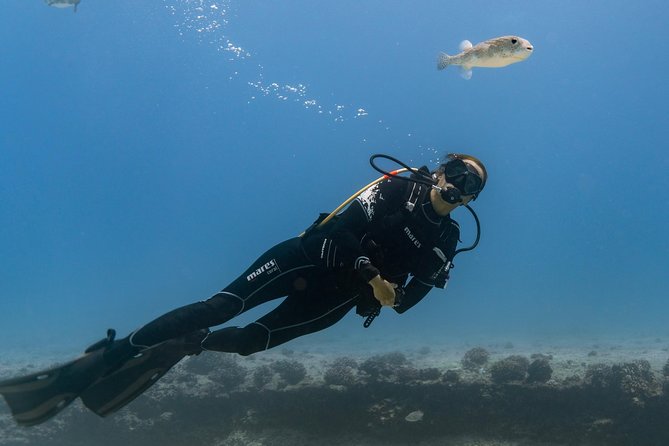
The core of the experience is the two-tank approach. For beginners, that’s huge. Instead of a single “sink or swim” session, you get time to build comfort, learn the basics, and then return for more reef exploration.
Tank 1: practice plus confidence
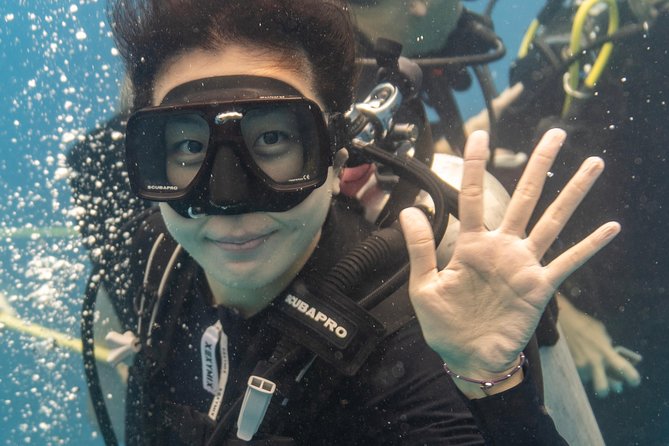
First, there’s a pre-check and training session so you know how to use your equipment and how to move safely underwater. During the first underwater period, you should expect basic skill work and guidance designed to keep nerves under control. Many first-timers come in anxious, and a repeated theme in the feedback is patient coaching—especially when it takes a little extra time to get comfortable.
Tank 2: reef time with more freedom
Then you swap tanks and go back down for the second underwater period, which is where you’ll usually focus more on wildlife spotting. Several people describe the second period as the moment when everything clicks: you’re no longer thinking about every breath and button, and you can actually watch what’s around you.
You can also read our reviews of more scuba diving tours in Oahu

How deep is it?
The experience is described as a shallow coral reef style two-tank outing (around the 40–60 ft range). If you’re sensitive about timing after scuba, the operator also notes that you should avoid flying within 18 hours for shallow profiles (and 24 hours for deeper plans).
The real star: giant sea turtles and reef wildlife
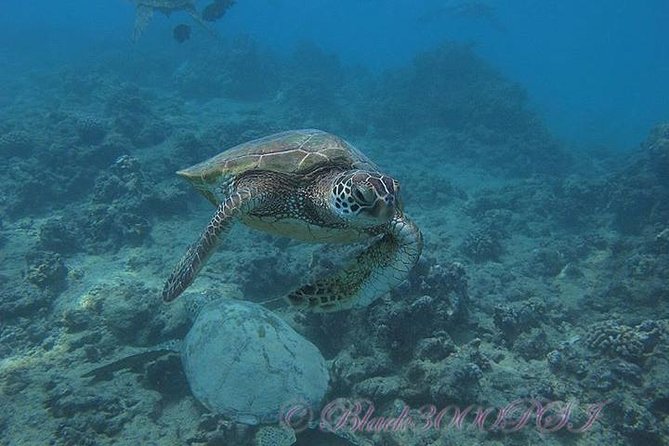
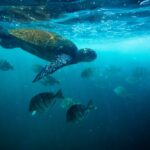
If sea turtles are your top reason to book, you’re in the right place. Multiple guests call out moments like turtles resting near the reef and then swimming up close. It’s not just “maybe.” People describe repeated sightings, including turtles moving near their group.
You might also see:
- tropical reef fish
- rays (including eagle rays mentioned in feedback)
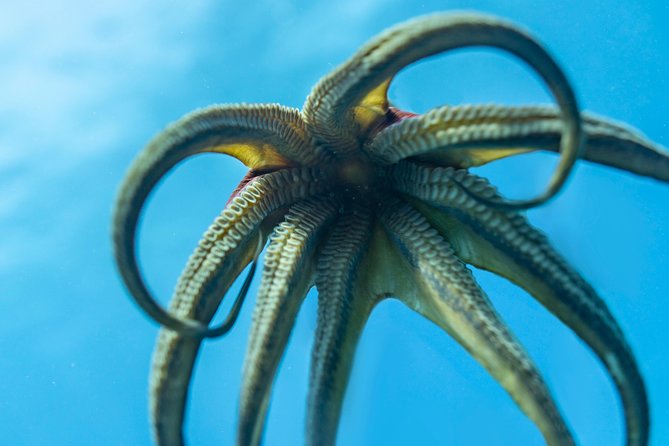
- octopus (some guests describe “gently petting” an octopus, though always follow instructor instructions)
- eels and urchins
- reef sharks are mentioned as possible wildlife
Dolphins sometimes show up too, but treat that as a bonus, not a guarantee.
What can limit sightings
Two things can change your underwater experience fast: weather and visibility. One guest mentioned rainy-season conditions with visibility around 10–15 feet, and that the reef looked smaller than expected. That doesn’t mean the tour is “bad”—it means the ocean is the ocean. Clearer days generally mean you’ll read the reef better and spot wildlife sooner.
Safety, medical checks, and the “no nonsense” rules
This operator is explicit about safety and screening, and that’s one of the bigger reasons people feel confident onboard.
Medical questionnaire and doctor consent
Beginners must complete a medical questionnaire, and if you have identified conditions, doctor consent is required before check-in. The tour data stresses that you must plan time to obtain consent if needed. Don’t treat this like paperwork you can do at the last minute.
Sober policy
They also say no drinking before the activity. That’s not just moralizing—it’s a real safety requirement. If you show up impaired, they can deny participation.
Physical readiness
They list “moderate physical fitness” as the expectation. In practice, that usually means you should feel comfortable with steps/gear handling and moving around the boat without major medical concerns. If you’re unsure, ask before you commit.
Instructor impact: why names keep showing up
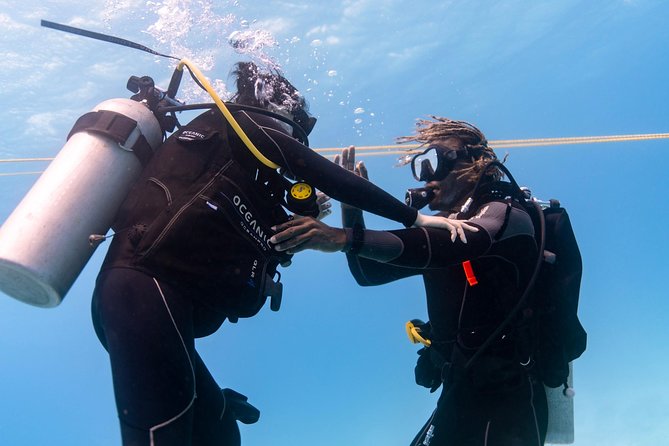
Here’s the part that separates a good scuba day from a frustrating one: how the instruction feels while you’re figuring things out.
In the feedback, several names come up again and again:
- Chad gets praise for patience with first-timers and careful coaching until people feel comfortable.
- Olga is repeatedly mentioned for comfort checks—making sure equipment and fit feel right.
- Josh is highlighted for clear instruction and strong safety focus.
- Yoshi (captain) is called out for keeping things fun and safe, and for support when someone on board isn’t diving.
- Captain Steve shows up in comments about smooth operation and even helping with snorkeling opportunities.
- Others mentioned include Red, Taylor, Nick, Jared, Phil, Tim, Rachel, Christian, Mike, Grace, and Anna.
Not every group is identical, of course. A couple of guests describe moments where instruction flow felt rushed, confusing, or less organized. My practical takeaway: if anything isn’t clicking during briefing, say it right away. You’ll get more value by asking early than by waiting until you’re already underwater.
Price and value: is $299 worth it?
At $299 per person, this is a premium half-day activity compared to bargain-basement “snorkel with a tank” offers. The value comes from three areas:
1) You’re paying for real instruction (pro instructors, one-on-one training, and an emphasis on skills and safety).
2) You get full equipment rental, plus water and snacks.
3) You get two actual tank periods in open water, not a short, shallow stunt.
You are not paying for a long beach buffet lunch or a full-day island grand tour. In fact, lunch is explicitly not included, so plan food accordingly before or after.
Where the value can feel weaker is when conditions reduce visibility. If the ocean is hazy, the experience can feel less “reef-exploration” and more “learn scuba and hope for wildlife.” If you’re going strictly for the best-looking reef possible, that’s the risk. If you’re going for instruction and the chance at turtles, it tends to land well.
Itinerary stops: what those Oahu names mean in your day
Those places in the plan aren’t random. They create a “scenic build-up” before the water.
- Waikiki: easy start area, lots of people and activity—good for a clean meeting and getting set up quickly.
- North Shore: a shift in scenery that many people enjoy, even if the time on land is limited.
- Lanikai Beach & Diamond Head area: classic Oahu viewpoints. Even from a bus window, it helps set expectations for what kind of island day you’re having.
- Hanauma Bay Nature Preserve: it’s known for marine life; even if you’re not spending a whole day there, stopping near it makes sense for a turtle-focused water outing.
- Ala Moana Beach Park: a wrap-up area that’s common as you head back toward Honolulu.
One practical tip: bring layers you can actually use. Ocean mornings can feel cooler while you’re moving around. Then you’ll be warm again once you’re in the water and back on the boat.
Weather, rain, and visibility: the one factor you can’t control
This is Hawaii. You’ll still run into weather changes, and the operator notes the activity requires good weather. In one documented experience, rainy conditions reduced visibility to around 10–15 feet and affected how much reef detail guests could see.
Here’s how I’d plan around that:
- Choose a date with decent forecast if you can.
- Don’t lock yourself into a tight flight schedule.
- If visibility is low, lean into the learning part of scuba. Even in less-than-perfect water, you can still master buoyancy and enjoy wildlife when it’s around.
Who should book, and who should skip
This tour fits you if:
- You want a beginner-friendly scuba experience with real coaching.
- You want a serious “try scuba” outing, not a rushed gimmick.
- You’re excited about sea turtles and reef life as the main goal.
- You’d like a small-group day (max 16 travelers), which usually means more personal attention.
Consider skipping or pairing with something else if:
- You only care about seeing the most dramatic coral and the clearest visibility possible.
- You’re extremely schedule-tight with flying. (Plan the recommended buffer before your flight.)
- You’re expecting a full-day island tour with lots of long beach time.
Should you book this Oahu turtle-and-reef scuba tour?
I’d book it if your priority is: real instruction + warm-water ocean time + a strong chance to see giant sea turtles. The repeated instructor praise (Chad, Olga, Josh, Yoshi, and others) points to a consistent style—patients, safety-first, and focused on comfort.
I would pause and think twice if you’re traveling during a time when rain is likely and you’re hoping for crystal-clear reef viewing. In that case, you might still have a great day, but the underwater “wow” can be more variable.
If you do book, do two things: arrive early enough to stay calm, and ask questions before you get in the water. That’s the fastest route to turning first-time nerves into that clean, weightless feeling when everything finally clicks.
FAQ
How long is the scuba tour?
It runs about 4 hours, approximately, and ends back at the meeting point.
Where do I meet for the tour?
You meet at 424 Nāhua St, Honolulu, HI 96815, USA.
Do I need to be certified?
No. The experience is described as a first-timer beginner introduction, and it also accommodates certified divers.
What scuba experience will I actually do?
You’ll do training plus two-tank shallow ocean sessions in Hawaii’s warm waters, focused on learning and then exploring the reef.
What’s included in the price?
Included are full equipment rental, water, and snacks.
Is lunch included?
No, lunch is not included.
What wildlife might I see?
You may see tropical fish, sea turtles, rays, reef sharks, octopus, and other marine life. Dolphins are sometimes reported as well.
Is there a group size limit?
Yes. The maximum is 16 travelers.
Do I need medical clearance from a doctor?
You must complete the medical questionnaire. The tour states that a doctor’s consent is required for any identified conditions, and you must present it at check-in.
Can I fly the same day after scuba?
The operator advises against flying within 18 hours for shallow scuba plans and within 24 hours for deeper dives. You should email or call them if you have a flight within those windows.
What is the cancellation window for a full refund?
Free cancellation is available up to 24 hours in advance for a full refund. Within 24 hours, there is no refund.