REVIEW · SCUBA DIVING
First Time Introductory Scuba Dive
Book on Viator →Operated by Hawaiian Diving Adventures · Bookable on Viator
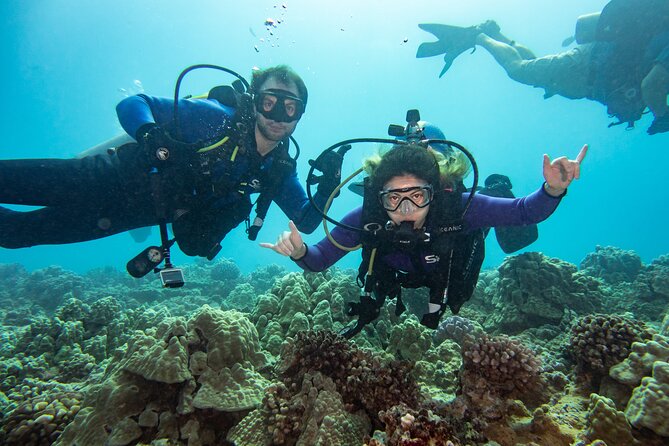
This is a first-time scuba intro that focuses on comfort, safety, and learning fast—without you hauling gear around Oahu. What makes it especially appealing is the small-group setup (often just one to four people) and the constant instructor attention during the skills you’ll practice.
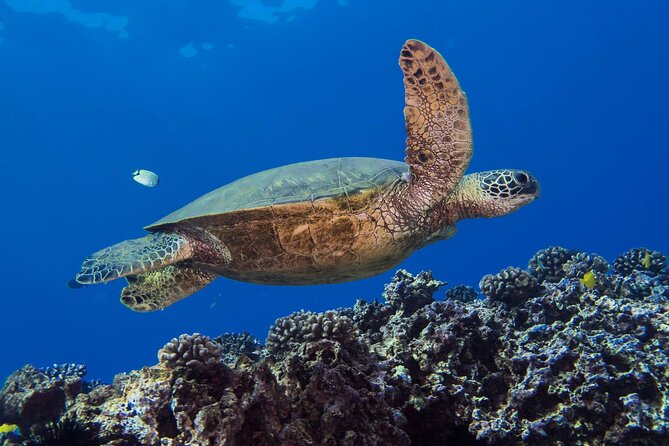
I also like that the experience is built for real enjoyment, not just a checklist. You’ll get snacks to stay fueled, and you’ll be watching for marine life like sea turtles and octopuses, with some days bringing sightings of other interesting animals too.
One thing to consider: open-water conditions can be choppy, and that can make beginner skills feel more intense at the start. The good news is that roughness doesn’t necessarily follow you underwater, but it’s worth going in with flexible expectations.
In This Review
- Key things that make this experience worth your attention
- First-Time Scuba Prep: What You’re Actually Learning
- Oahu Timing and How the 11:00am Start Shapes Your Day
- Equipment and Snacks: The Value in What’s Included
- Small-Group Comfort: Why 1–4 People Makes a Difference
- The Water Skills: What Happens Before You Go Looking for Marine Life
- Wildlife Sightings: Sea Turtles, Octopuses, and Electric Eels
- Getting There and Being Ready: What to Bring and How to Plan
- Medical Waiver and Health Check: The Non-Negotiable Step
- Language, Tickets, and Group Limits: Practical Details That Affect Your Experience
- What People Get Right: The Guide Style That Makes First-Timers Relax
- Price and Value: Is $279 Fair for a 4-Hour First-Timer Program?
- Weather Reality: Why Choppy Surface Conditions Matter
- Who This Scuba Intro Is Best For
- Should You Book This Oahu First-Time Scuba Intro?
- FAQ
- How long is the first-time scuba intro in Oahu?
- What’s included in the price?
- How many people are in the group?
- Where does the experience start?
- Do I need to fill out any medical paperwork?
- Is the tour offered in English, and are mobile tickets used?
Key things that make this experience worth your attention
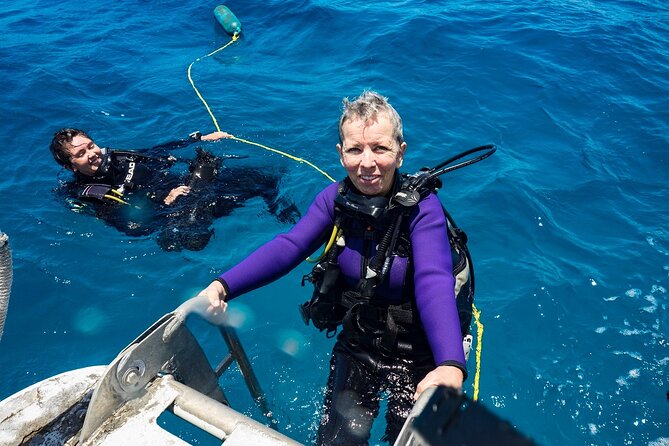
- Small-group coaching (often 1–4 people) so you don’t get lost in the shuffle
- All scuba equipment included, which saves time and hassle
- Instructor-first safety and comfort, with guidance throughout the program
- Marine life focus with chances to see sea turtles and octopuses
- Snacks provided so you’re not running on empty during a 4-hour outing
First-Time Scuba Prep: What You’re Actually Learning
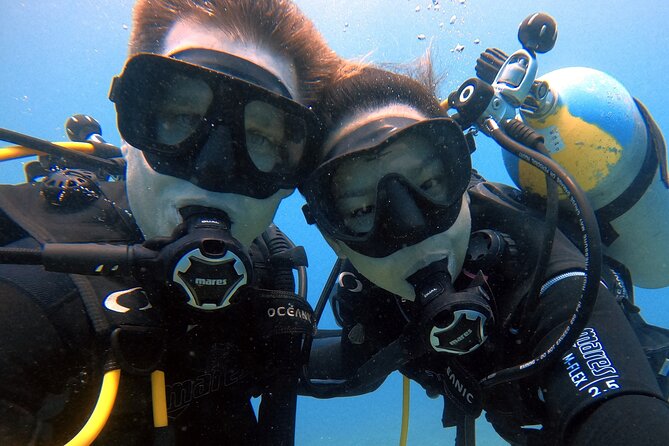
This program is a Basic Diver-style intro, designed to teach you the fundamentals you need to feel safe and in control. You start with safety guidelines and core skills under the watch of an instructor, then you take what you learned into the water during your guided sessions.
The big practical win here is that the goal isn’t to impress you with jargon. It’s to help you understand how your gear works, what to do if something feels off, and how to stay calm. If you’ve ever worried you’ll be overwhelmed on your first day, this structure is built to reduce that stress.
You should also plan for a learning curve. Even if you feel physically fine, scuba involves breath control, buoyancy basics, and simple hand signals. The more you can follow the instructor’s pace, the more enjoyable the experience becomes.
You can also read our reviews of more scuba diving tours in Oahu


Oahu Timing and How the 11:00am Start Shapes Your Day
Your session starts at 11:00am, and the full experience runs about 4 hours. That mid-morning timing is handy because it gives you time to grab breakfast, get to the meeting point, and avoid rushing with suit and schedule chaos.
I like that it’s not an all-day commitment. You can do this and still keep part of your day available for Waikiki beach time, a scenic drive, or a food stop—Oahu works best when you don’t overpack your timeline.
You’ll meet at a location listed as 74VV+4W, Honolulu, HI, and the activity ends back at the meeting point. That means you’re not dealing with complicated “end here, return there” logistics after you’re already tired from learning.
Equipment and Snacks: The Value in What’s Included
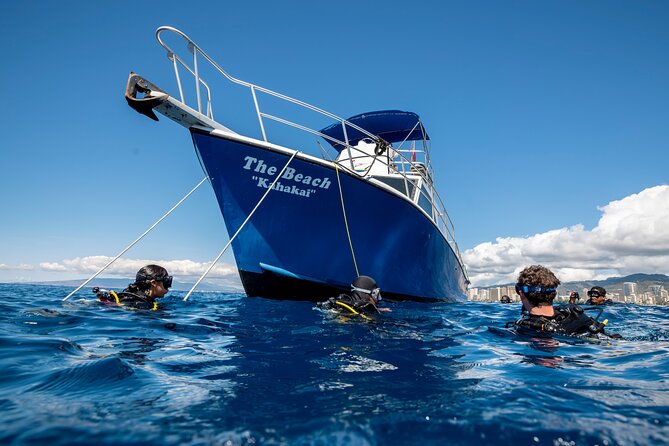
One of the best parts of this experience is what it saves you from doing. Scuba equipment is included, so you don’t need to figure out rentals, sizes, or what to bring in the first place. For first-timers, that alone can make the whole outing feel calmer.
Snacks are also included. It’s easy to forget how much energy a new physical-and-mental activity takes. Having food and staying fueled helps you stay relaxed while you focus on technique instead of waiting until you’re hungry.
If you’re comparing options, this is where the value shows up. You’re paying for guided instruction plus gear use plus a short, structured outing—not just paying for a boat ride and hoping it all works out.
Small-Group Comfort: Why 1–4 People Makes a Difference
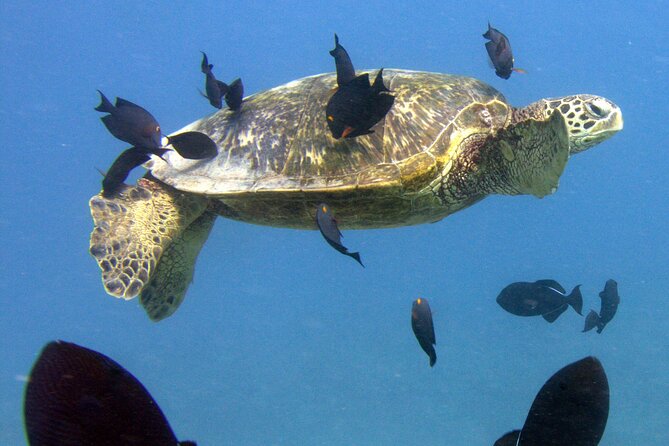
A key promise here is small groups—often just one to four people—with an instructor who prioritizes your safety, comfort, and enjoyment. In plain terms: you get more attention and fewer delays.
This matters because beginners usually need extra repetition. You might need help with the way you manage breathing, adjust equipment comfortably, or understand what an instructor wants before you head underwater. In a large group, you’d wait your turn. In a small group, you move with the instructor’s guidance.
There’s also a wildlife angle. Smaller groups are less likely to spook marine life, which improves your odds of calm viewing. On an Oahu outing, calm is what you want—wildlife shows better when it’s not stressed, and you enjoy it more when you’re not stressed.
The Water Skills: What Happens Before You Go Looking for Marine Life
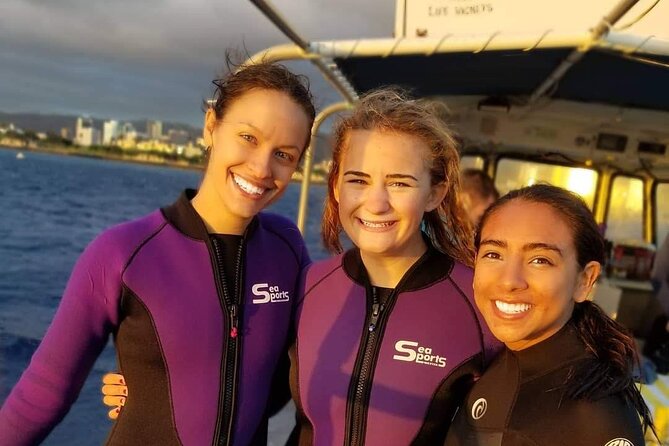
The program begins with fundamental safety guidelines and skills you’ll practice before your guided underwater moments. The intent is straightforward: you learn the motions and awareness needed so you can enjoy the underwater world without constantly worrying about what to do next.
On the day you go, expect skill practice to happen fairly early. It’s part of the “basic diver” flow, and it’s paced by the instructor. If the surface is choppy, you might feel more off-balance during those practice moments than you would on a calmer day. That doesn’t mean the underwater part is ruined—but it does mean your first moments could be mentally tougher than you imagined.
Here’s my practical advice: listen carefully, ask questions immediately (don’t wait), and don’t pretend you understand if something feels unclear. This is the kind of day where clarity beats confidence.






Wildlife Sightings: Sea Turtles, Octopuses, and Electric Eels
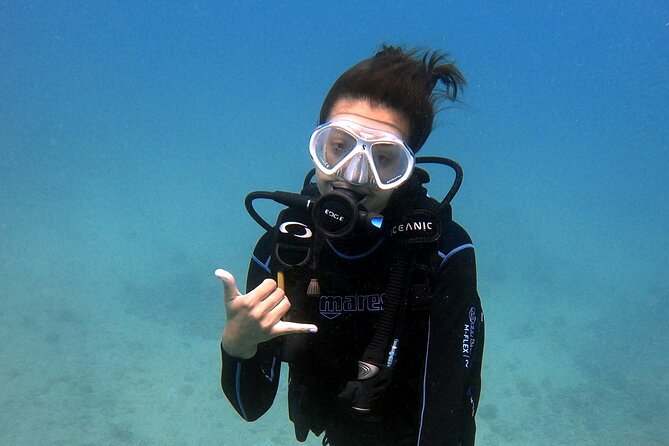
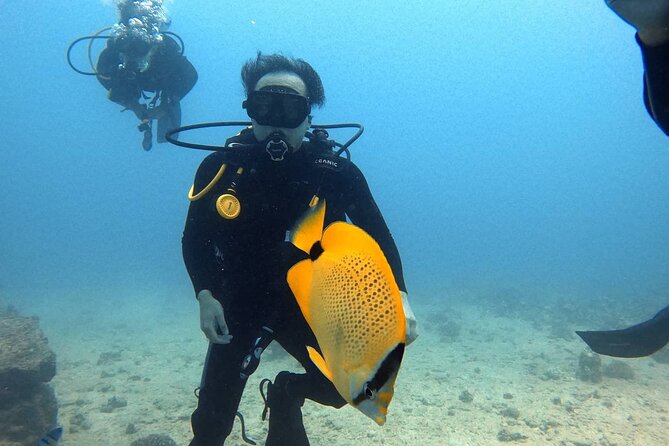
This experience is explicitly geared toward seeing marine life. You’ll be looking out for sea turtles and octopuses, and some days may include other fascinating animals like electric eels—depending on conditions and what the water is like.
A helpful reality check: wildlife viewing can never be guaranteed. But the tour is designed to maximize your chances by keeping groups smaller and instruction more controlled. That approach tends to lead to more natural underwater behavior, which helps animals feel comfortable enough to be seen.
If you’re doing this because you want a “wow” moment, focus on what you can control: stay calm, follow instruction, and keep your buoyancy steady. Inconsistent buoyancy or sudden movements can make it harder to spot animals drifting close by.
Getting There and Being Ready: What to Bring and How to Plan
The experience is near public transportation, so you’re not locked into only private rides. Still, I’d recommend you give yourself extra buffer time getting to the meeting point, especially if you’re combining this with other Oahu activities.
Dress for the day you’ll actually have. You’ll be on the water for a few hours, and weather and surface conditions can change. Bring what you need to stay comfortable and protect yourself from sun and salt air.
Also, keep your physical expectations realistic. The info lists a moderate physical fitness level as appropriate. You don’t need to be an athlete, but you should feel comfortable getting on and off a boat, staying steady during brief movements, and participating in basic skills practice.
Medical Waiver and Health Check: The Non-Negotiable Step
Before you get in the water, you’ll fill out an RSTC Scuba Medical Waiver on the morning of the charter. If you answer “Yes” on the form, you’ll need doctor’s notes before you’re allowed to scuba.
This is the kind of rule you shouldn’t treat casually. If you have any health questions—past lung issues, heart conditions, or anything that affects breathing—read the form carefully ahead of time. Then decide whether you should bring documentation so you don’t lose your day at the start line.
If you’re unsure how your situation applies, it’s better to get clarity before travel rather than trying to sort it out on-site. First-time scuba is exciting, but safety paperwork is part of the deal.
Language, Tickets, and Group Limits: Practical Details That Affect Your Experience
The program is offered in English, and you’ll receive a mobile ticket. That keeps things simple if you prefer to keep everything on your phone.
There’s also a stated maximum of 16 travelers for the overall activity. But the instruction emphasis is on small groups during the actual experience—so even if the overall number is capped, your personal attention should remain strong.
If you’re sensitive to loud group energy, smaller group instruction tends to feel more manageable. It’s also easier to build trust with your instructor when you’re not being constantly rearranged with a large crowd.
What People Get Right: The Guide Style That Makes First-Timers Relax
One name comes up in feedback: Ed. He’s described as patient and strong at walking beginners through the basics before getting into the water. That patience is exactly what you want on day one.
The best-rated moments tend to be about clear explanations, quick skill practice once you understand the cues, and continuous checking-in. You can think of it like this: you’re not just learning motions—you’re learning trust in the process.
If you tend to get anxious when instructions come fast, you’ll probably appreciate the “do this, then do that” pacing. And if you’re hoping to see marine life, a calm instructor approach usually helps you enjoy it rather than rush through it.
Price and Value: Is $279 Fair for a 4-Hour First-Timer Program?
At $279 per person for about 4 hours, the price only makes sense if you’re getting more than equipment and a boat ride—and that’s what you’re paying for here.
You’re paying for:
- Instructor-led safety and skills coaching
- Scuba equipment included
- Snacks to keep energy steady
- A small-group feel that usually leads to better attention and better viewing
If you were to rent gear separately and pay for instruction separately, it’s often not cheaper once you add the pieces together. The value is in “one package” simplicity: you show up, you learn, you get geared, and you spend a short chunk of your Oahu time focused on something genuinely fun.
Weather Reality: Why Choppy Surface Conditions Matter
This experience requires good weather, and that’s not a “marketing line.” Surface conditions affect how comfortable you feel during early skills practice.
In one case described, choppy water made the initial practice feel tough for someone without prior experience. The response also clarified that choppiness doesn’t extend underwater and doesn’t affect the dive itself—so the main impact is usually the surface portion and the mental effort of learning while the boat is moving.
My advice: if you’re prone to motion sickness or you know you struggle in rough water, consider that seriously before booking. Ask questions ahead of time if you’re unsure, and be ready to treat the first minutes as a learning phase, not an easy walk in the park.
Who This Scuba Intro Is Best For
This program fits best if you:
- Want a first-time scuba experience with structured coaching
- Prefer small-group attention instead of feeling like one person in a crowd
- Like the idea of learning skills plus looking for sea turtles and octopuses
- Are comfortable meeting the moderate physical fitness expectation
- Want equipment handled for you, not sourced and fitted
It may be less ideal if you:
- Get easily overwhelmed by motion or rough surface conditions
- Expect a slow, pool-style learning path before open-water practice (this program centers on skills required for the open-water experience)
Should You Book This Oahu First-Time Scuba Intro?
If you want a friendly, safety-first way to try scuba on Oahu, I’d say yes. The combination of small-group instruction, gear provided, and a clear focus on comfort makes it a smart first step.
I’d especially consider booking if you’re planning around a mid-morning window and want a half-day activity that fits into a broader Oahu trip. Also, the fact that it’s commonly booked about 27 days in advance suggests it can fill up—so don’t wait until the last minute if you have dates in mind.
If you’re the type who needs very calm conditions to feel confident, go into it with eyes open about surface chop on the day. The underwater portion is designed to be manageable, but your start may feel more challenging than you hoped if the ocean is rough.
FAQ
How long is the first-time scuba intro in Oahu?
The experience lasts about 4 hours.
What’s included in the price?
You get use of scuba equipment and snacks.
How many people are in the group?
The program is small-group based, with one to four people for the introductory dives, and the overall activity has a maximum of 16 travelers.
Where does the experience start?
The meeting point is listed at 74VV+4W Honolulu, HI, USA, and the activity ends back at the meeting point.
Do I need to fill out any medical paperwork?
Yes. You’ll need to fill out an RSTC Scuba Medical Waiver on the morning of the charter, and if you answer Yes, you’ll need doctor’s notes before you’re allowed to scuba.
Is the tour offered in English, and are mobile tickets used?
Yes, it’s offered in English, and you’ll receive a mobile ticket.