REVIEW · SCUBA DIVING
Oahu: Wreck & Reef Scuba Dive for Certified Divers
Book on GetYourGuide →Operated by Dive Oahu Inc · Bookable on GetYourGuide
Wrecks, reefs, and big ocean wildlife in one run. This Oahu wreck-and-reef scuba outing puts you over famous sites like Sea Tiger and side-by-side wrecks, with a PADI-led team keeping things organized and safety-focused. I love the all-in feel here: you get premium gear and wetsuits included, plus a small group so you’re not lost in a crowd. One possible drawback to plan for: wreck choice and actual site timing can shift with conditions, and one past experience complained about getting less wreck time than expected.
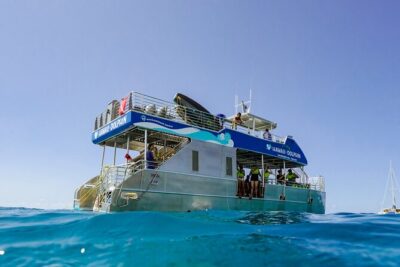
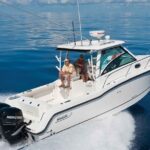
The boat setup is also a plus. You ride in comfort on a charter with a sun deck and shaded deck, plenty of room to move around, and even a restroom onboard, then you get snacks and refreshments during the surface interval. Just know this is for people who are already certified and able to swim, and the itinerary is paced like a professional scuba trip, not a slow sightseeing cruise.
In This Review
- Key takeaways before you book
- Sea Tiger and side-by-side wrecks: the underwater hits
- How the 3-hour schedule stays fun (not rushed)
- The boat ride: comfort details that affect your whole day
- Marine life chances: what you can realistically expect
- Value and gear: why the included equipment matters
- Price and logistics: what’s included, what costs extra, and what to watch
- Who this works for (and who should pass)
- Should you book this Oahu wreck-and-reef tour?
- FAQ
- How long is the Oahu wreck-and-reef scuba outing?
- What’s included in the price, and what’s not?
- What scuba certification do I need?
- What should I bring with me?
- Is this tour suitable for kids or pregnancy?
- Can I fly soon after the scuba outing?
Key takeaways before you book
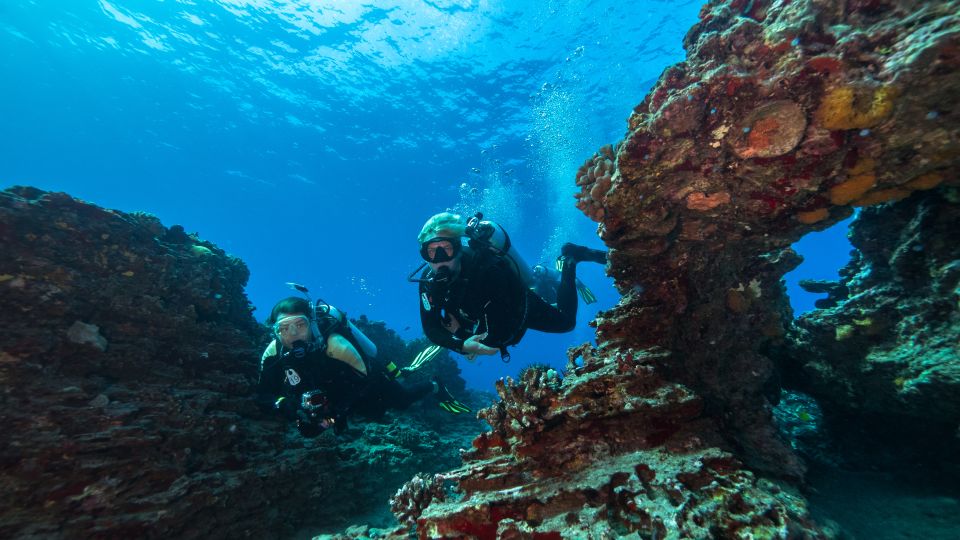
- Two underwater stops in about 3 hours: a wreck visit, then a reef stop afterward.
- Wreck options with real depth ranges: Sea Tiger at 123 feet, plus YO-257 (115 feet) and San Pedro depending on conditions.
- Marine life odds are high: sharks, turtles, rays, eels, and schools of fish are specifically part of the expectation.
- Premier gear and wetsuits are included: less hassle, less extra cost.
- Small-group format: easier to get attention from the instructor and captain.
- Not for first-timers: it’s built for certified scuba participants only, and kids under 15 and pregnant travelers are not suitable.
Sea Tiger and side-by-side wrecks: the underwater hits
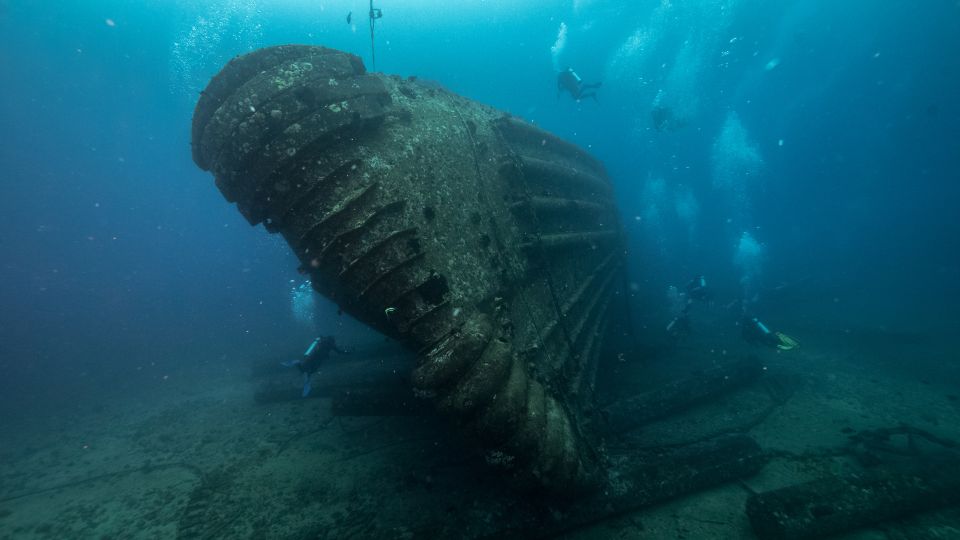
The heart of this trip is the wreck variety, and it’s the kind that makes your brain light up fast once you’re underwater. First up, you’ll head to one of the operator’s deep recreational wreck locations on Oahu’s south shore—either the Sea Tiger or the paired YO-257 and San Pedro sites.
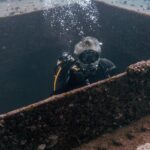
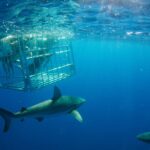
For the Sea Tiger option, the wreck is sitting in about 123 feet of water. The really interesting twist is that parts of the structure are shallower: the superstructure and deck sit roughly between 60 and 90 feet, so you get those classic “wreck layers” rather than one single depth with nothing to look at. Sea Tiger also comes with a strong chance of seeing resident whitetip reef sharks, plus sea turtles, moray eels, eagle rays, and big schools of fish.
If you pick YO-257 and San Pedro, the vibe changes. These two ships are laid out side by side with about 50 yards between them. YO-257 is in about 115 feet, while its superstructure and deck range around 70 to 90 feet. San Pedro is shallower than YO-257, and that matters because it can run into strong currents—the operator only visits it when conditions are ideal. In plain terms: you’re not just buying a wreck name. You’re buying access to a wreck setup designed for recreational scuba profiles.
You can also read our reviews of more scuba diving tours in Oahu
How the 3-hour schedule stays fun (not rushed)
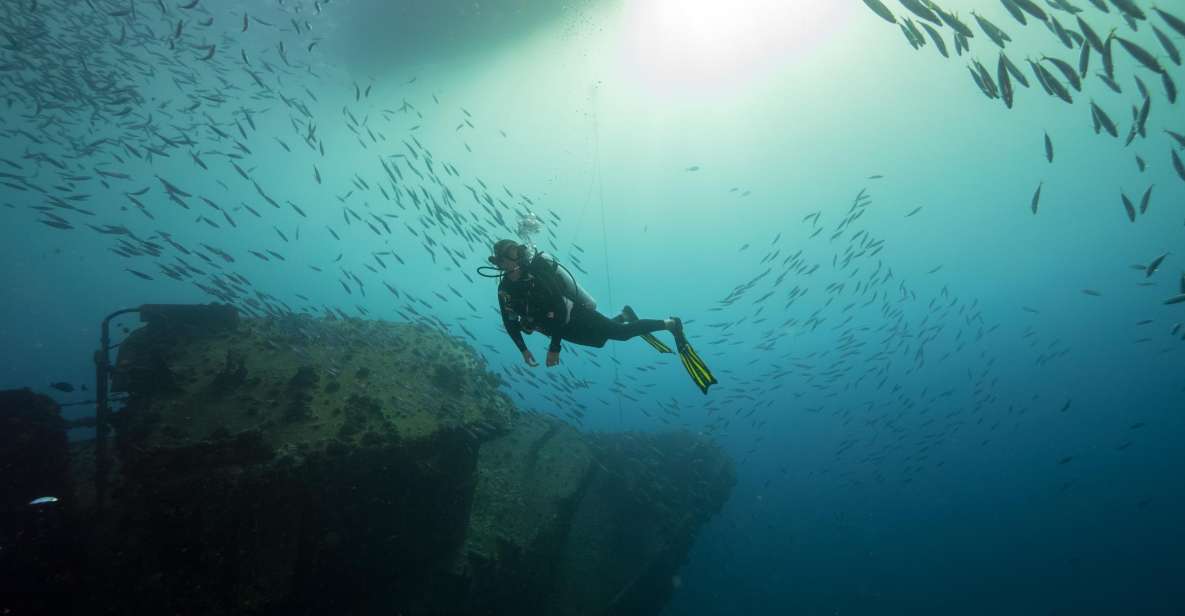
This is listed as a 3-hour activity, which is short enough to fit into a day in Honolulu, but still long enough to do meaningful underwater time. The pacing is built around two underwater stops and a surface break in the middle.
Step one is getting on the boat. You need to be at the harbor about 30 minutes before the scheduled start so they can handle waivers and equipment fitting without turning it into a scramble. Then you’re off—either toward your wreck choice, or toward conditions that make one site more workable than another.
Step two is the surface interval. Between the underwater stops, you’ll pause on board with refreshments and snacks. This matters more than it sounds. After you’ve done wreck time, you’ll usually want a few minutes to catch your breath, reset, and dry off a bit before you go back under again for the reef portion.
Step three is the second underwater stop: a guided reef outing at one of Honolulu’s favorite reef sites. The exact reef isn’t spelled out in the core tour details, but one confirmation experience specifically noted Kewalo Pipe as a reef stop they visited—so at least some departures use that kind of in-town reef structure.
The boat ride: comfort details that affect your whole day
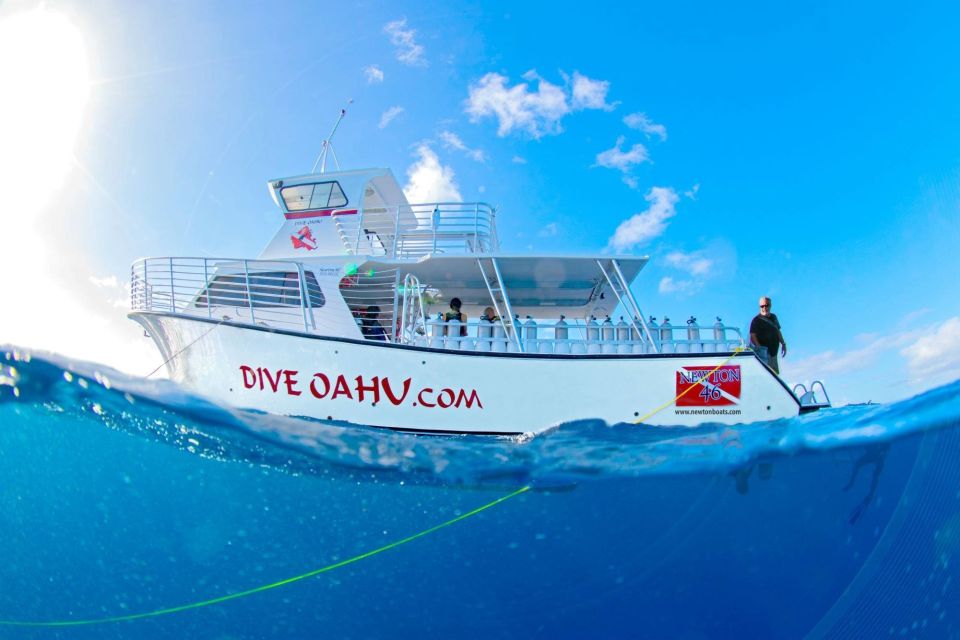
A wreck visit can be physically easy or physically annoying depending on the boat setup and how long you’re out there. This charter is designed for the real-world stuff you care about: shade, space, and basic comfort.
You ride with a sun deck and shaded deck, which is a big deal in Hawaii. You also get plenty of room to move around, rather than being squeezed into tight rows. And yes, there’s a restroom onboard, which sounds small until you’re already thinking about the logistics of getting back to shore.
In one past experience, the onboard setup and treatment stood out—water, soda, and energy bars (including gummies) were mentioned as part of what they handed out during the surface break. That’s the sort of detail that turns an “okay” trip into one that feels cared for, especially when you’re in the water and you don’t want to ration energy.
Marine life chances: what you can realistically expect
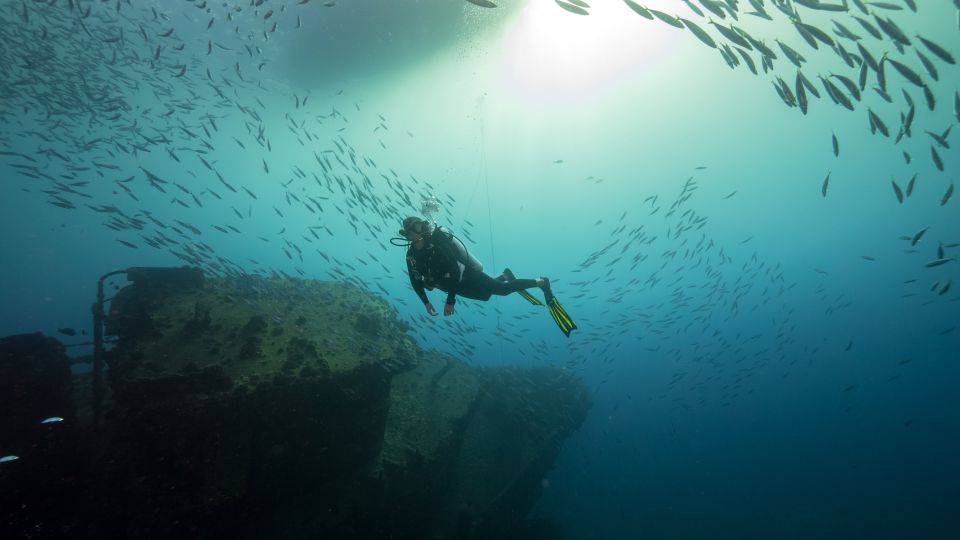
The operator’s promise here isn’t just “see fish.” It calls out animals that are common highlights of these Oahu wreck-and-reef areas.
On the wreck side, keep your eyes peeled for:
- Whitetip reef sharks (resident in the area of wrecks like Sea Tiger)
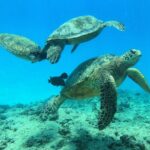
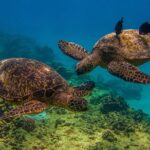
- Sea turtles, including one confirmed experience where a turtle was seen calmly resting on the wreck
- Moray eels
- Eagle rays
- Massive schools of fish
On the reef side, the expectation broadens a bit: you may see sharks, turtles, eels, rays, and also reef critters like octopus, starfish, and crabs, plus Hawaiian endemic fish. One confirmed experience also mentioned a turtle that appeared extremely curious and swam with the guide area like it wanted to stay close—those encounters happen, but they’re never guaranteed.
If you’re the type who likes wildlife photography, this itinerary is strong because wrecks and reefs offer different “photo angles.” Wreck structures create vertical lines and shaded pockets, while reef sites tend to give you more open visibility across coral and fish activity.
Value and gear: why the included equipment matters
At $248 per person for about 3 hours, you’re paying for three things: instruction, access to specific wreck sites, and equipment support. The best value lever here is that premier gear rental and wetsuits are included—you don’t have to spend extra on rental hassles.
That included-gear piece tends to matter most for certified divers who are trying to travel light. If you can show up with just swimwear and sunscreen, you lose less time dealing with rentals and fitting.
You’ll also be guided by PADI-certified instruction. The structure is important: wreck sites can be visually complex and easy to get distracted by if you’re not keeping track of your air and your position. Having a professional guide and boat captain who can manage the plan and conditions is what keeps wreck time from turning into stressful time.
One confirmed experience also noted that communication matters. They advised you should have at least some English ability and be ready to follow instructions clearly. If you’re not strong in English, ask ahead about language support before you go—this is an organized scuba trip with safety procedures.


Price and logistics: what’s included, what costs extra, and what to watch
Let’s talk real-world costs. The headline price is $248 per person. Included are premier gear rental, guided instruction, and snacks and refreshments. Parking isn’t included, so you’ll want to plan where you’ll leave your car.
Meeting point is Unit 109 at the Harbor. For parking, there’s paid parking at Kewalo Basin for $2 an hour, and free parking at Ala Moana Beach Park.
Now the value check: this price doesn’t look like a bargain if you compare it to a simple reef outing, because you’re paying for the wreck option and for accessing deep recreational wreck sites. But it can look like a fair deal when you factor in that you get:
- equipment and wetsuit support
- a small-group setup
- two underwater segments with a surface break
- a professional PADI-led guide
The one caution is expectations. One mixed experience complained about an “excessive” price relative to time in the water and even said they didn’t feel they got wreck time. That’s the kind of issue you can sometimes avoid by being upfront about your expectations and understanding that wreck site access can depend on conditions. If you’re spending this kind of money for a specific wreck, it’s smart to confirm the plan on the day or ask how they decide which wreck is workable.
Who this works for (and who should pass)
This tour is aimed at certified scuba participants, not kids and not people who aren’t comfortable in the water. It’s listed as not suitable for:
- children under 15
- pregnant women
It also requires that you can swim and be in good health.
So who should book?
- If you’re an experienced recreational scuba participant who wants wreck scenery plus a reef stop in one short outing, this fits well.
- If you like wildlife—especially turtles, sharks, and rays—and you want the wreck structures that attract marine life, this is a solid match.
- If you’re sensitive to rough water, keep an eye on day conditions. One review mentioned that water can be choppy and you should be prepared for turbulence. Even if you can handle it, it helps to bring that mindset so it doesn’t surprise you.
Who might want a different option?
- If you’re hoping for a super-long, slow-paced underwater day, three hours can feel quick.
- If you’re not confident in following instructions in a group setting, you may find the structured timing stressful.
Should you book this Oahu wreck-and-reef tour?
I’d book this if you’re certified and you want a high-odds wildlife and wreck-structure experience without spending time on separate gear rentals or a full-day schedule. The all-in equipment setup and the two-stop plan are the kind of practical value that makes a short trip feel like a full outing.
I’d think twice if your priority is one specific wreck at all costs, because San Pedro in particular depends on conditions, and the whole plan can shift based on what’s workable that day. If you’re paying for a particular wreck experience, it’s reasonable to ask questions early so there are no surprises once you’re on the boat.
If you’re ready for organized timing, good underwater habits, and the chance at turtles, sharks, rays, and schools of fish over wreck structures, this is the kind of Oahu trip that tends to feel worth it.
FAQ
How long is the Oahu wreck-and-reef scuba outing?
It runs for about 3 hours. Exact starting times depend on availability.
What’s included in the price, and what’s not?
Included are premier gear rental, guided instruction by a PADI-certified professional, and snacks and refreshments. Parking is not included.
What scuba certification do I need?
You must show proof of certification through PADI or another approved diving/scuba course before boarding. You’ll also need to be able to swim and be in good health.
What should I bring with me?
Bring swimwear, a towel, sunscreen, and your diving certification/proof of certification.
Is this tour suitable for kids or pregnancy?
No. It’s not suitable for children under 15, and pregnant women are not recommended for this activity.
Can I fly soon after the scuba outing?
No. You should not fly within 24 hours after your underwater session.