REVIEW · SCUBA DIVING
Open Water Scuba Certification
Book on Viator →Operated by Honolulu Scuba Company and Dolphin Divers · Bookable on Viator
Breathing underwater starts with a solid plan. This SSI Open Water certification course in Honolulu turns Hawaii into your classroom, with skills practice close to shore and then real open-water sessions where you learn to stay calm, controlled, and comfortable. It’s a four-day program spread over two consecutive weekends, so you get a real rhythm instead of a rushed crash course.
Two things I’d seriously praise: first, the way instructors build confidence. Names like Lenny, Theo, Hunter, and Anna come up for patient, step-by-step teaching that keeps you from feeling pressured. Second, the course is set up for value: most scuba gear is included, the group stays small (up to 8), and you finish with an SSI credential plus logged local underwater training sessions.
One consideration: you’ll need your own transportation and you should plan your schedule carefully. The training also requires an online module before day one and a health questionnaire before you go in, and the experience is non-refundable, so it helps to book when you’re healthy and ready.
In This Review
- Key Points to Know Before You Go
- Two Weekends, Four Parts: How the SSI Open Water Course Fits Your Oahu Trip
- Day 1 on the Beach: Exam Review and Confined-Water Skill Building
- Day 2 Offshore: Open-Water Sessions Where Skills Meet Real Ocean Conditions
- Weekend Two: Finishing Confined Skills and Completing Check-Out Sessions
- What You’ll See in Honolulu’s Waters: Turtles, Octopus, and Reef Fish
- Equipment Plan: What’s Included, What You Must Bring, and Gear Shopping Reality
- Instructors and Safety: Why Patient Coaching Makes Certification Feel Manageable
- Price and Value of $495: What You’re Really Paying For
- Getting There from Honolulu: Meeting Point, Start Time, and Transport Reality
- Is This Right for You: Fitness, Health Questionnaire, and Flying Timing
- Should You Book Honolulu Scuba Company for SSI Open Water Certification?
- FAQ
- How long is the open water certification course?
- Where does the course start?
- What time does the first day begin?
- What certification will I earn?
- Do I need to finish online learning before I arrive?
- What scuba equipment is included, and what should I bring?
- Is transportation included?
- How many people are in a class?
- Can I go underwater scuba soon after flying?
- FAQ
- Is the experience refundable or changeable if my plans shift?
Key Points to Know Before You Go
- Two consecutive weekends, four-course parts: you’ll practice first, then apply the skills in the ocean on later days.
- Small-group format (max 8): more attention from the guide and a calmer pace for learning.
- Gear plan is mostly handled: you’re responsible for mask, snorkel fins, and boots, while other scuba equipment is provided.
- Instructors emphasize comfort and safety: many of the strongest comments highlight patience and clear explanations.
- You’re there for real marine life: sea turtles, octopuses, and tropical reef fish are part of the fun.
- You’ll earn SSI Open Water status: plus you become a lifetime member of the ocean community.
Two Weekends, Four Parts: How the SSI Open Water Course Fits Your Oahu Trip
This is a full SSI Open Water certification program built for real learning, not just a checkbox. The course runs for about four days total, but it’s split across two consecutive weekends. That structure matters. You get a chance to absorb skills from the first weekend, then carry those habits forward into the open-water sessions without starting over.
You’ll start with knowledge work (required digital learning before you arrive) and then move into hands-on water training. The schedule is staged: early days focus on basics and control, then later days test those skills in the ocean. If you’ve ever worried that scuba is too technical or too fast, this pacing is the answer. It also makes it easier to plan a Hawaii trip because you’re not trying to fit everything into a single weekend.
There’s also a practical side: you’ll be working with a professional guide, and you’ll be in a group with a cap of 8 participants. For scuba training, smaller groups tend to mean more time for questions and more chances to correct small mistakes before they become problems.
Finally, you’ll leave with more than a card. At completion, you earn SSI Open Water certification and you log four local underwater training sessions. That “local practice” part is what helps new divers feel less like tourists and more like divers.
You can also read our reviews of more scuba diving tours in Oahu
Day 1 on the Beach: Exam Review and Confined-Water Skill Building
Day one is all about getting you ready to perform underwater tasks with confidence. The training includes a review of your final exam and confined-water scuba training from the beach. This is where you learn the mechanics of being underwater: how to manage your breathing, how to use your equipment correctly, and how to move without fighting the water.
Why day one is valuable: it removes uncertainty. Instead of discovering how gear works while you’re far from shore, you practice with the safety net of confined conditions. The instructors’ teaching style matters here, and the standout names in the instructor feedback—like Lenny, Theo, and Anna—are repeatedly linked with patience and clear step-by-step guidance. In practical terms, that means if you need extra time, you’re more likely to get it.
Expect to spend your time learning and practicing the core skills until you can do them without panic. The goal isn’t speed; it’s control. If you’re the type who freezes when something feels confusing, this is the day to take full advantage of the chance to slow down.
Also note that you must complete the required digital learning before day one. Plan the online module early so you’re not trying to cram it on the night before class. You’ll learn faster if you arrive mentally prepared, and your instructor can focus on coaching in the water.
Day 2 Offshore: Open-Water Sessions Where Skills Meet Real Ocean Conditions
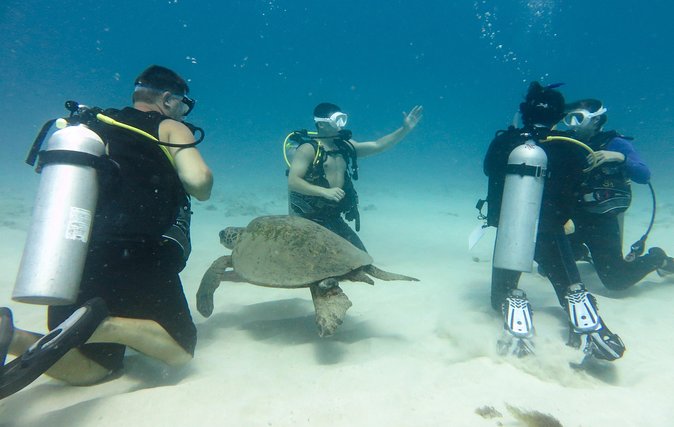
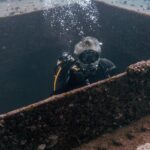
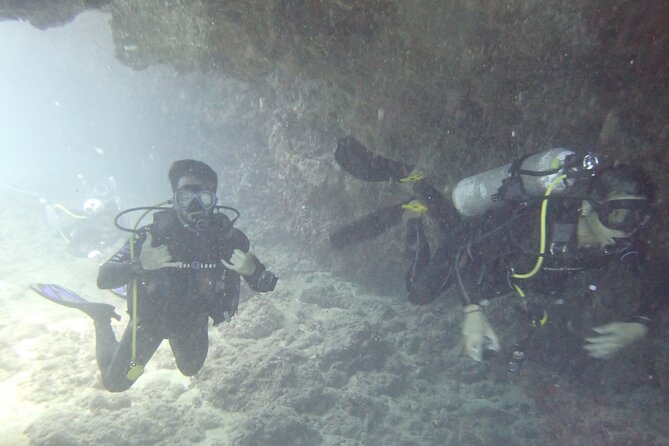
Day two moves you into the ocean for two open-water training dives (underwater sessions) designed to apply what you practiced in confined water. This is where you stop thinking in exercises and start thinking in real conditions: water movement, buoyancy control, and staying oriented while you focus on the task list.
This is also where the scenery becomes part of the training. Hawaii’s reef areas are known for marine life, and you’ll be looking for sea turtles, octopuses, and tropical reef fish as you explore. Even if visibility isn’t perfect, the training still hits its marks: you get practice using your skills in a setting that feels like what you’ll do long-term after certification.
One thing to remember: instructors usually won’t teach you to “just wing it.” They’ll coach you on the exact behaviors that keep you safe and comfortable—especially around breathing, equipment checks, and communication underwater. If any part of the day feels challenging, that’s normal. The benefit of the two-weekend structure is that day two becomes a test you can improve after, not a one-shot pressure moment.
If you’re worried about comfort, focus on the process, not the performance. The best outcomes here come from following the instructor’s cues, doing things slowly at first, and building a rhythm.
Weekend Two: Finishing Confined Skills and Completing Check-Out Sessions
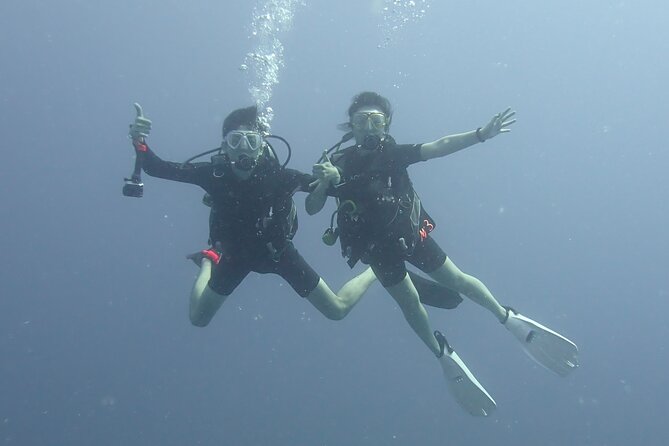
The second weekend continues the learning in two steps: confined-water training and then final check-out sessions in the open water. Day three completes the confined portion. Think of day three as the “tighten the screws” day, where you polish skills and build consistency.
Day four wraps everything up with the final two check-out sessions. This is the moment when your skills need to stick under real conditions. You’re not starting from scratch—you’re applying what you practiced and refined. If you’re nervous, this is also why the schedule is spread out. Confidence builds between weekends.
This portion matters for your long-term diving habits. The best certification experiences don’t just teach you what to do for the test. They also build the habits that make future dives calmer. Good instructors spend time on safety behaviors and on making sure you understand what you’re doing and why.
Based on what people highlight about their instructors—people like Nick, Jess, Chandler, Hunter, and Ed for being patient and organized—you can expect a supportive environment that doesn’t treat nervous students as a problem. The goal is to meet you at your comfort level and then guide you forward.
And yes, you’ll log your certification requirement by the end. Once it’s done, you’re not just certified in theory—you’ve actually practiced in Honolulu water with local conditions.
What You’ll See in Honolulu’s Waters: Turtles, Octopus, and Reef Fish
Hawaii is a big part of why this course is so tempting. The goal isn’t sightseeing first. It’s training first. But the reef environment makes training feel like more than homework.
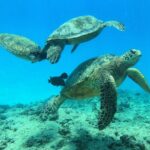
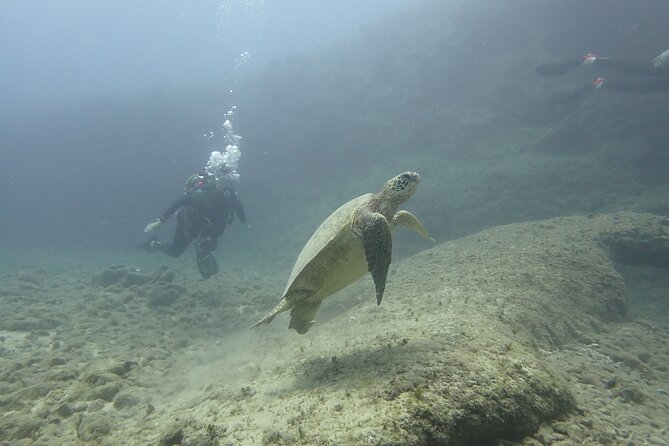
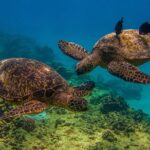
When the conditions line up, you’ll be looking for sea turtles, octopuses, and a wide variety of colorful tropical fish. That matters because it changes the mindset underwater. Instead of feeling like you’re only managing gear, you start noticing wildlife and using your skills while you explore.
Also, reef life tends to reward calm behavior. If you’re careful with buoyancy and movement, you’re more likely to spot creatures without disturbing them. In other words: good technique leads to better viewing.
Just keep expectations grounded. You’re learning scuba skills, and wildlife sightings depend on conditions. Still, the chance to see turtles and octopus while you practice is a major reason people recommend getting certified in Hawaii rather than elsewhere.
If you want to make it even better, bring curiosity. Ask your instructor what to look for, and pay attention during surface intervals so you can be ready when your team heads back down.
Equipment Plan: What’s Included, What You Must Bring, and Gear Shopping Reality
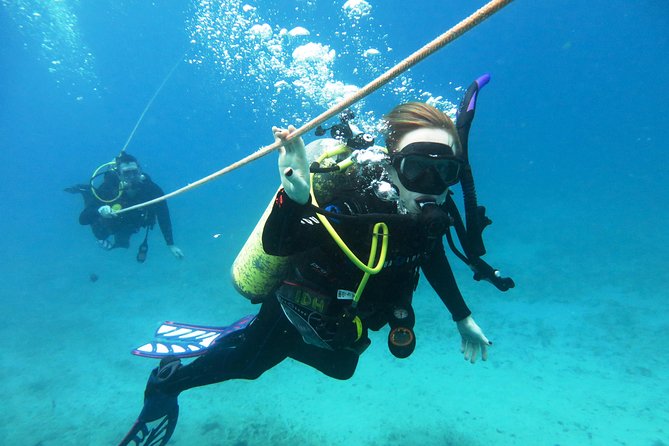
Here’s the practical equipment breakdown: the course includes use of scuba equipment, but you need to bring your own mask, snorkel fins and boots. If you don’t have them, you can purchase what you need locally, with prices starting at $175.
This is one of those details that can quietly change your total trip cost. If you’re traveling light and don’t already own mask/fins/boots, budget for it. If you’re particular about fit—especially with masks—bringing your own can reduce stress. A proper mask fit matters when you’re learning, because it affects comfort and confidence.
What’s a plus is that you don’t have to source everything. You’ll still get the rest of the equipment you need for training, so you can focus on learning rather than researching gear brands.
One more note: rental gear isn’t something you should fear, but it also isn’t something you should ignore. Do your equipment checks every time you gear up. If anything feels off, say something immediately. That’s how you keep the whole training day smooth.
Instructors and Safety: Why Patient Coaching Makes Certification Feel Manageable
The biggest theme in the instructor feedback is how people feel during training: relaxed enough to learn, guided enough to stay safe, and corrected enough to improve.
Multiple instructor names show up with strong praise for patience and clear teaching, including Lenny, Theo, Hunter, Anna, Ed, Chandler, Nick, and Jess. While different instructors have different styles, the shared value is consistent coaching: they help you feel comfortable with equipment and techniques instead of rushing you past hard moments.
Look for what that implies for you. If you’re nervous, you want someone who can explain the same concept more than once without making you feel bad. If you’re unsure about breathing underwater, you want an instructor who can break skills into small steps and keep you from panicking.
Safety is part of every certification, but the tone matters. An instructor who focuses on confidence and comfort tends to reduce mistakes. Less flailing, better buoyancy, and fewer awkward moments usually means a calmer class for everyone.
Also, this course is set up for locals, but it welcomes anyone who can meet the schedule. A small group (max 8) helps instructors manage each student’s pace, which is one reason the course can feel personal rather than mass-produced.
Price and Value of $495: What You’re Really Paying For
At $495 per person, this course is positioned as a value option for Honolulu. The big question is whether the price matches what you actually get.
Here’s what’s included: a professional guide and use of scuba equipment. There’s also required digital learning, and the course ends with SSI Open Water certification plus four local underwater training sessions. For new divers, that package is meaningful: you’re paying for supervised skill development, not just a ticket to see fish.
What costs extra is mostly predictable: you’ll likely pay to acquire mask, snorkel fins, and boots if you don’t already have them. The option starts around $175, which is worth planning for. You also need your own transportation, which can add to the total cost depending on where you’re staying.
So is $495 a good deal? For a full SSI Open Water setup with guided training in Hawaii over two weekends and small-group size, it can be. The course also has a strong rating and very high recommendation rate, which suggests many students feel the learning quality matched the price.
One more real-world note: the experience is non-refundable and non-changeable. That’s not unusual for training, but it’s important. If you’re booking late or your health is uncertain, this is where you should be cautious.
Getting There from Honolulu: Meeting Point, Start Time, and Transport Reality
The course starts at Honolulu Scuba Company, 670 Auahi St, suite a-1, Honolulu, HI 96813 at 7:00 am, and it ends back at the meeting point.
This matters because early starts can be tricky if you’re staying far from central Honolulu or if your group relies on taxis only. Since private transportation isn’t included, you’ll need a plan that gets you there on time.
Small details like the start time can make your day easier or harder. If you can, set up your day so you’re not rushing to parking or catching rides at the last minute. Being early helps you focus on the course.
Also, because the training happens over two weekends, you’ll want to make transportation repeatable. Pick lodging and transit options that you can manage twice, not just once.
Is This Right for You: Fitness, Health Questionnaire, and Flying Timing
This course expects a moderate physical fitness level. That doesn’t mean you need to be an athlete, but you should be comfortable with water activities and moving with scuba gear during practice.
You’ll also need to complete a health questionnaire prior to diving (underwater scuba). Some conditions can prevent you from participating, including examples like asthma and heart conditions. When in doubt, talk to your doctor before you commit.
Timing also matters. Underwater scuba within 48 hours of flying is not recommended. That’s a practical safety guideline. If you’re building your trip, plan to arrive earlier or schedule certification so you have time to adjust.
If you’re coming from another part of the US or arriving late in the day before the first session, you might want to rethink your order of activities. This isn’t a course where you can easily “make up time” if your body needs adjustment.
Should You Book Honolulu Scuba Company for SSI Open Water Certification?
I think you should book this course if you want a real, guided path to SSI Open Water that happens in Hawaii, with instructors who prioritize confidence and patient coaching in small groups. You’re also a strong fit if you have at least a bit of flexibility for two consecutive weekends and you can handle early 7:00 am starts.
You might pause if you don’t have your own transportation lined up, or if you’re uncertain about medical clearance. The schedule is structured, the course is non-refundable, and the health questionnaire is not optional.
If your goal is to leave certified and ready to explore—looking for turtles and octopus while you practice the skills—that’s exactly what this program is built to do.
FAQ
How long is the open water certification course?
The course runs about 4 days total, spread over two consecutive weekends.
Where does the course start?
The meeting point is Honolulu Scuba Company at 670 Auahi St, suite a-1, Honolulu, HI 96813. The activity ends back at the meeting point.
What time does the first day begin?
Start time is 7:00 am.
What certification will I earn?
You’ll earn an Open Water Scuba Certification from SSI after completing the training.
Do I need to finish online learning before I arrive?
Yes. Digital learning is included and required to be completed before the first day of class (you’ll need to contact them for access).
What scuba equipment is included, and what should I bring?
Scuba equipment is included, but you need to bring your own mask, snorkel fins, and boots. If you don’t have them, prices for gear start at $175.
Is transportation included?
No. Private transportation is not included, so you’ll need your own way to get to the meeting point.
How many people are in a class?
The maximum group size is 8 travelers.
Can I go underwater scuba soon after flying?
Underwater scuba within 48 hours of flying is not recommended.
FAQ
Is the experience refundable or changeable if my plans shift?
No. The experience is non-refundable and cannot be changed for any reason.