REVIEW · WORKSHOPS
Two-hours handmade ceramic class, make your own souvenir Honolulu
Book on Viator →Operated by Ceramic Workshop - Handmade Pottery Class · Bookable on Viator
Mug in two hours. That’s the fun part, and it’s set up so beginners can actually succeed. I love that you’ll hand-build a practical piece (a coffee mug or bowl) without experience, and you also get to pick the glaze color after your piece is formed. The main thing to plan for is the waiting time after class, since your pottery has to be fired and glazed before pickup or shipping.
This is a small-group workshop (max 6), which makes it easier to get real help instead of standing around. The instructor, Karen, is described as a teacher who keeps things friendly and clear, and a class like this is a natural fit for families and first-timers.
The other practical note: it’s priced at $95 per person and scheduled only at the listed times (Monday mornings during the season shown), so you’ll want to choose your day carefully.
In This Review
- Key highlights before you go
- Where the workshop fits into your Honolulu plans
- Two hours of hands-on pottery: what you’ll actually do
- Picking your mug or bowl (and making it feel like yours)
- The teacher factor: Karen’s hands-on guidance
- What happens after class: firing, glazing, pickup, or shipping
- Price and value: what $95 includes (and why it’s fair)
- Group size and vibe: calm, focused, and beginner-friendly
- Timing strategy: book early to avoid shipping stress
- Who should book this ceramic class
- Practical details to help your session go smoothly
- Should you book this Honolulu mug or bowl class?
- FAQ
- How long is the ceramic class in Honolulu?
- How much does the handmade ceramic class cost?
- What can I make during the class?
- Do I need any ceramic experience?
- What’s included in the price?
- Can I choose the glaze color?
- What happens after the class ends?
- Is shipping included?
- Where does the class start?
- What is the cancellation policy?
Key highlights before you go
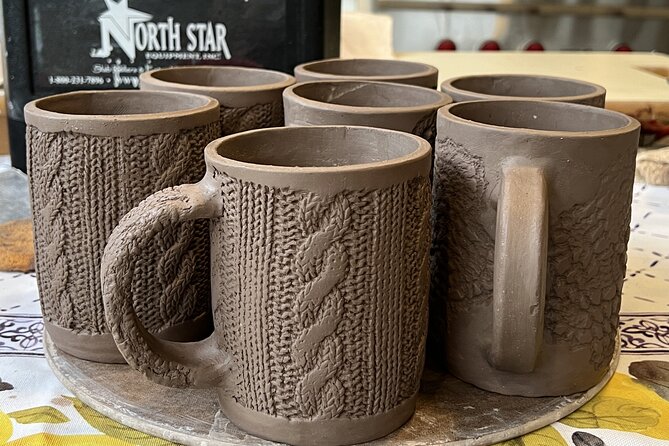
- No experience needed: you start with clay and build up your mug or bowl step by step
- Small group size (max 6): more attention, less rushing, better results
- Firing and glazing included: your piece doesn’t stay “just made”
- Glaze color choice: you can tailor the look of your souvenir
- You can pick up or ship: USPS/UPS available, with the shipping fee not included
- Karen’s beginner-friendly teaching: people call out how accommodating she is
Where the workshop fits into your Honolulu plans
This ceramic class takes place in Oahu, at 3036 Diamond Head Rd, Honolulu, HI 96815. It’s a simple setup: arrive, create, leave with the confidence that your souvenir is really started. The session runs about two hours, and the schedule shown lists Mondays 10:30 AM–12:30 PM within the date range provided.
Why that matters: with a hands-on class, your timing affects everything afterward. If you’re staying only a short time, you’ll want to schedule this early enough that firing and glazing won’t collide with your flight date. The class itself is only two hours, but the ceramic part continues after you leave.
Also, this is offered in English, and the workshop is described as near public transportation. If you’re already planning to be around the Diamond Head area, this is a convenient way to add something personal without wasting a half-day driving.
One more logistics detail that helps: you’ll get a mobile ticket, and confirmation happens at booking. That’s the kind of small smoothness that keeps a creative day from turning into a paperwork day.
You can also read our reviews of more tours and experiences in Oahu


Two hours of hands-on pottery: what you’ll actually do
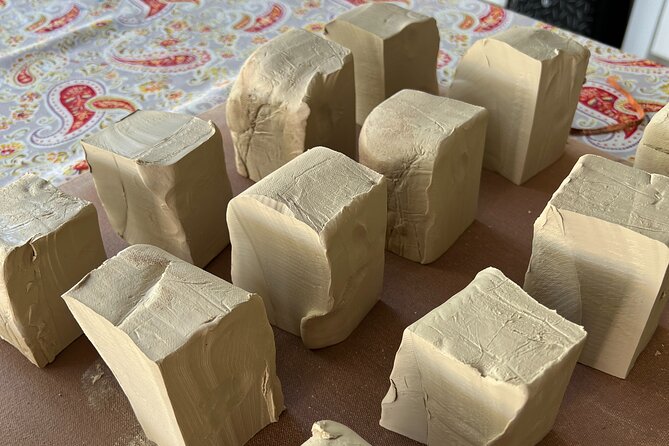
The workshop is a hand-building ceramic class, which means you’re not doing wheel throwing. Instead, you’ll work with clay to form a functional mug or bowl. You start with a plain block of clay and shape it into a container you can actually use at home—something that feels more meaningful than a store-bought souvenir.
Here’s the basic flow you can expect:
- You form the body of your piece.
- If you’re making a mug, you’ll attach the handle.
- Then you add textures and personal touches so it looks like you, not like everyone else.
The best part for first-timers is that the process is guided. You don’t need pottery knowledge to know what you’re doing next. Tools and materials are provided, and the artist supports you step by step.
Why I think this is a smart Honolulu activity: it’s creative, but it’s also structured. You’re not just “trying something.” You’re following a path that ends with an object you’ll recognize as yours.
And because the group is capped at 6 people, your teacher can actually move around, check what you’re doing, and help you adjust before it becomes a permanent mistake.
Picking your mug or bowl (and making it feel like yours)
The class outcome is designed around something you’ll want to keep using: a coffee mug or bowl. That matters because the souvenir “value” isn’t just visual. It’s functional. When you drink from it months later, the memory stays alive.
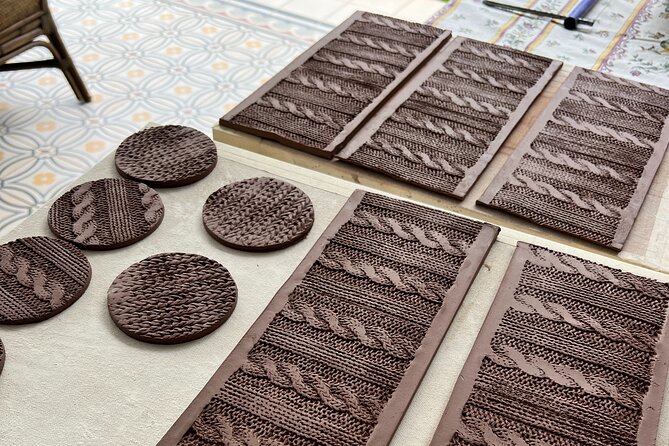
You also get to add finishing touches—textures and personal details—during the session. This is where you can lean into your travel self: draw inspiration from the colors you’ve seen around Honolulu, pick something simple if you’re unsure, or go more playful if you like bold choices.
Then comes the part that helps your piece look finished rather than homemade: after your session, your item is fired and glazed. The glazing includes a color of your choice, so your souvenir can match your home vibe instead of forcing you into the one color the studio happens to have that week.
What I like about this arrangement is that it reduces the “what if I mess up” anxiety. You do the shaping and decoration while you’re there, and the studio handles the ceramic finishing that requires the right equipment.
The teacher factor: Karen’s hands-on guidance
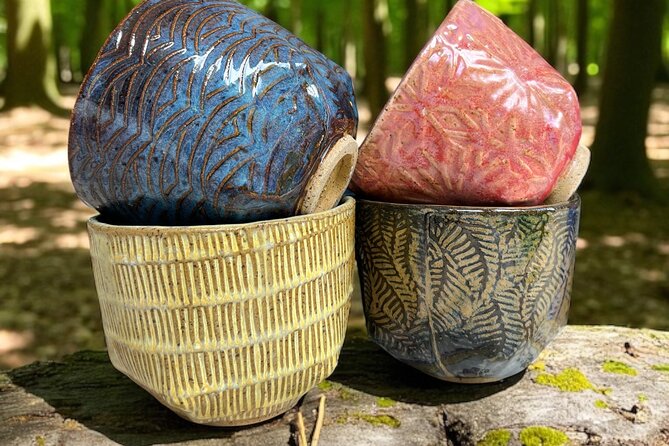
A big part of whether a beginner class feels fun or frustrating comes down to the instructor’s teaching style. In this workshop, the key name you’ll hear is Karen. The standout theme around her is that she’s friendly, and she coaches people who have no ceramic experience.
That “no experience” setup is also why this makes sense as a short activity. In two hours, you’re not learning pottery as a long-term craft. You’re learning just enough to make something real. And when instruction is clear and calm, you leave with a souvenir you feel proud of.
One extra detail that can save real money: Karen may be able to drop off your items if there’s enough time for them to cure and cool before you leave. That can be useful if you’re trying to avoid shipping your finished piece.
Keep that in mind when you plan your schedule. If you can do the class early enough in the trip, you might reduce the hassle and cost later.
What happens after class: firing, glazing, pickup, or shipping
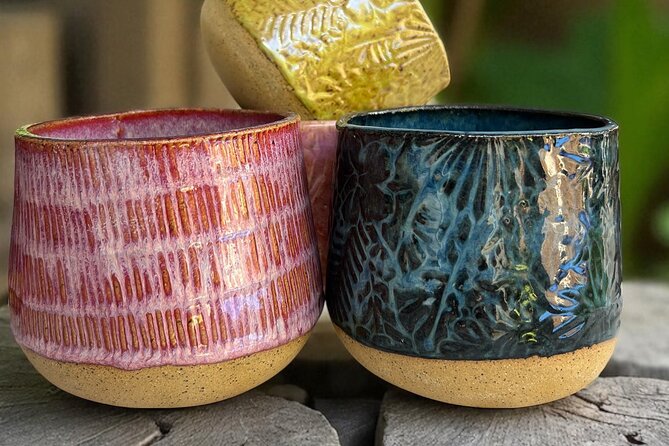
Here’s where many “make-a-souvenir” activities fall short: you make something, then you wait forever with no clear next steps. This workshop is built for the post-class stage.
After your two-hour session:
- Your piece gets fired.
- Then it’s glazed in the color you choose.
- You’re notified when it’s ready for pickup.
If you can’t pick it up, you can have it shipped via USPS or UPS. The shipping fee is not included in the $95 price, so factor that in if you’ll be heading out of Honolulu before your piece finishes.
Why this matters for decision-making: ceramic takes time. Even if the class itself is short, the finished product isn’t ready the moment you walk out the door. If you’re the type who wants to carry everything home immediately, you’ll need to plan differently.
In practical terms, you should ask yourself one question before booking: do you have enough time after the class to either pick it up locally or tolerate the shipping step? If yes, the experience is smooth and stress-free. If no, you’ll be paying more or waiting longer than you might want.






Price and value: what $95 includes (and why it’s fair)
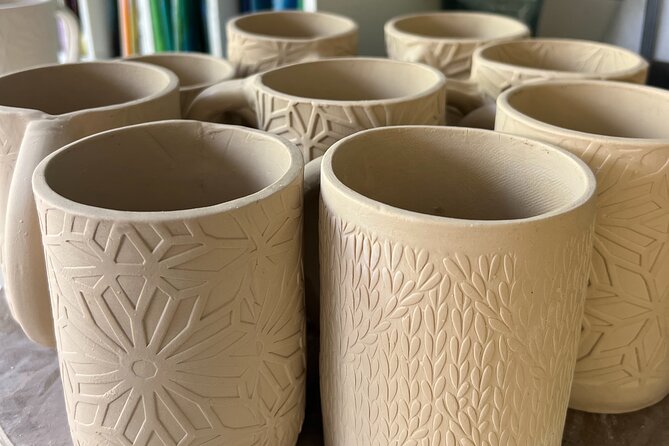
At $95 per person for about two hours, this isn’t a “cheap craft.” It’s not meant to be. It’s priced like a real studio experience with real finishing work.
Here’s what’s included:
- Instructions
- Materials and tools
- Firing
- A mug to keep after firing
Even better for value: the creative part isn’t on a vague timer. You’re guided through making a functional piece, and the studio does the behind-the-scenes ceramic work that requires equipment and time.
What isn’t included:
- Shipping fee (if you need it shipped)
When you compare this to buying a finished mug or bowl in a souvenir shop, the value is that you don’t just receive the object. You create it. That personal connection is hard to price, but it’s what makes this kind of class worth it, especially if you want a gift that doesn’t look like a generic souvenir.
One more value clue: the class is typically booked about 23 days in advance on average. That suggests the session has a dependable schedule and a limited capacity. If you wait too long, you might lose the day that works best for pickup and timing.
Group size and vibe: calm, focused, and beginner-friendly
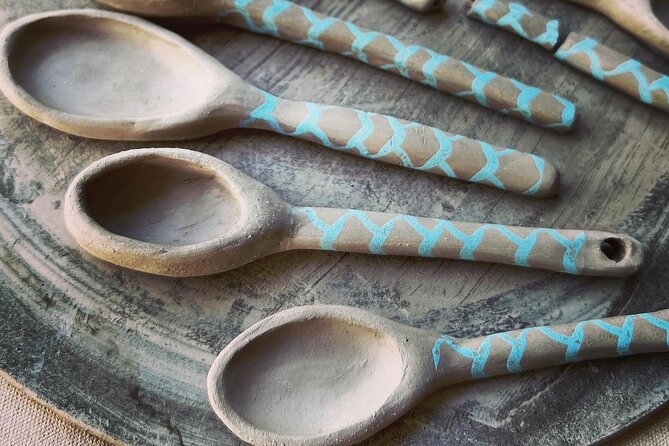
This workshop caps at 6 travelers. That number sounds small on paper, but it changes the feeling of the class.
In a larger group, beginners often spend the whole time trying to interpret what’s next. Here, with fewer people in the room, you can get the help you need without feeling rushed or embarrassed.
It also supports a more relaxed pace. The process is described as relaxing and rewarding, and that’s usually what happens when an instructor can actually watch everyone’s work and correct issues early.
It’s also a good family activity style. The class format is hands-on, short, and structured enough that kids and adults can participate. You’ll want to judge what age makes sense for your group, but the overall setup is friendly for beginners.
Timing strategy: book early to avoid shipping stress
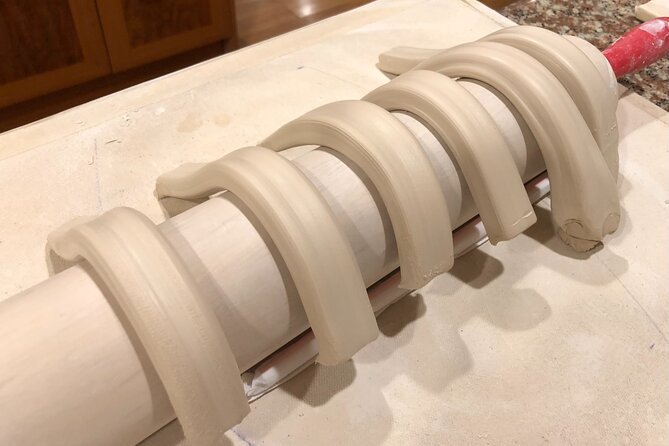
The class is only Monday mornings in the schedule shown. So even before you think about pottery drying time, you need to pick a Monday that fits your Honolulu stay.
Then think about the post-class timeline:
- Your item needs to cure, cool, then be fired and glazed.
- Pickup depends on when it’s ready.
- Shipping is available, but you’ll pay the shipping fee.
One tip that’s worth your attention: if you can, book this early in your trip. That gives the studio time to get your piece through the full process and increases your odds of picking it up locally. If Karen can drop it off before you leave, that’s the kind of convenience that makes a souvenir class feel easy rather than logistical.
If you’re tight on time, plan for shipping. It’s there for a reason.
Who should book this ceramic class
This is a strong fit if you:
- Want an authentic Honolulu keepsake you actually made
- Have no ceramic experience and don’t want a steep learning curve
- Prefer a small group (max 6) with real guidance
- Want something functional to use at home, not just an ornament
- Are traveling with family and want a short, hands-on activity
It may be less ideal if you:
- Need a souvenir immediately to take home the same day
- Have no flexibility for pickup or shipping after firing and glazing
The sweet spot is a traveler who can spare two hours for the class and then handle the finishing stage after.
Practical details to help your session go smoothly
A few small habits make a hands-on craft day work better:
- Bring your mobile ticket and plan to arrive at the start address at 3036 Diamond Head Rd.
- Choose your glaze color thoughtfully once you’re guided through options. Your finished look depends on this step.
- If you’re trying to avoid shipping, plan around pickup timing. This is why booking earlier in your trip pays off.
- Since the class is capped at 6, show up on time. It protects everyone’s ability to get help during the build.
And if you’re hoping for convenience like a drop-off, ask the instructor about timing as soon as you can during your visit. Karen’s described as accommodating, and you’ll only get that benefit if there’s enough time for the piece to cure and cool before you head out.
Should you book this Honolulu mug or bowl class?
I’d book it if you want a souvenir with real meaning and you like the idea of taking home something you can use. The $95 price makes sense because the value isn’t only the two-hour class. It’s the materials, tools, firing, and glazing, plus the fact that your piece is guided to a usable result.
I’d also book it if you’re traveling as a beginner—this workshop is structured for people who have never worked with clay. The small group size helps you get the support you need, and Karen’s teaching style is consistently described as friendly and accommodating.
Skip it only if you absolutely cannot handle the post-class finishing stage. If you’re leaving Honolulu right away and can’t do pickup, you’ll likely end up with shipping added on.
If you can plan for firing time, this is one of those Honolulu activities that turns travel time into an object you’ll remember every day.
FAQ
How long is the ceramic class in Honolulu?
The class lasts about 2 hours.
How much does the handmade ceramic class cost?
The price is $95.00 per person.
What can I make during the class?
You’ll create a functional ceramic piece like a coffee mug or a bowl.
Do I need any ceramic experience?
No experience is needed. The class is designed for beginners.
What’s included in the price?
Included are instructions, materials, tools, firing, and a mug you keep after firing.
Can I choose the glaze color?
Yes, you can choose the glaze color.
What happens after the class ends?
Your piece will be fired and glazed. You’ll be notified when it’s ready for pickup, or you can have it shipped.
Is shipping included?
Shipping is not included. The shipping fee applies if you choose USPS or UPS.
Where does the class start?
The meeting point is 3036 Diamond Head Rd, Honolulu, HI 96815, USA.
What is the cancellation policy?
You can cancel for a full refund if you cancel at least 24 hours before the experience start time. Free cancellation is allowed up to that cutoff, based on local time.