REVIEW · SURFING LESSONS
Beginner Surfing Lessons In Waikiki
Book on Viator →Operated by Hawaiian Boy Surf School · Bookable on Viator
First time on a surfboard feels like a leap. In Waikiki, you get a private one-on-one lesson focused on real basics—so you’re not just watching, you’re trying, fast. The whole plan is built around learning the ocean, getting feedback, and aiming to stand up by the end.
I like that the instruction is personal, not generic. When coaches such as Preston and Scotty work with you, the vibe comes through: clear basics, encouragement, and support that helps beginners build confidence quickly. And you’re not stuck doing only theory—you’re back in the water to attempt your first rides.
One thing to consider: there’s a small reported risk of a no-show, plus some confusion when people relied on third-party messaging. To protect your trip, confirm the meetup details clearly ahead of time and build in a little extra buffer at the start.
In This Review
- Key things that make this lesson worth your hour
- Waikiki Beach: Why this spot works for first-timers
- Meeting at Duke Paoa Kahanamoku: the easiest way to start on time
- The 1-hour game plan: from safety talk to wave attempts
- Safety and ocean conditions: what good coaching sounds like
- Catching waves with personal feedback (and real encouragement)
- Preston and Scotty: why these coaches get mentioned by name
- Price and value: what $110 buys you in Waikiki
- A real-world caution: the no-show risk and how to prevent it
- Who this lesson suits best
- Should you book this beginner surfing lesson in Waikiki?
- FAQ
- Where do we meet for the beginner surf lesson?
- Is this a private lesson or a group class?
- How long is the lesson?
- Is the lesson offered in English?
- What is the cancellation policy?
- Do I get a ticket on my phone?
- Can most travelers participate?
- What should the lesson help me achieve?
Key things that make this lesson worth your hour
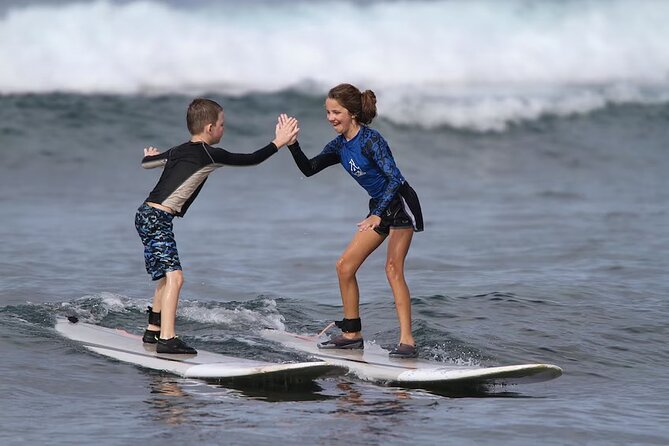
- Private coaching means corrections happen fast, right when you need them
- Waikiki Beach is the classic setting for first-timers, with an iconic shoreline to aim for
- Safety and ocean conditions are covered before you paddle out, not after mistakes pile up
- The goal is standing and surfing your first wave by the end of the session
- Coaches like Preston and Scotty are praised for being supportive and very instructional
- Success can happen quickly, including reports of long rides for beginners and kids
Waikiki Beach: Why this spot works for first-timers
Waikiki is one of those places where the scenery helps you learn. The coastline is famous, the surf culture is everywhere, and it feels like you’re stepping into the real Hawaii surf story—not a bland substitute. For a beginner, that matters. When you’re nervous, familiarity and visibility help you focus on the lesson.
This is also a practical choice. You’re spending roughly an hour, and beginners benefit from minimizing travel time and maximizing time with your instructor. Instead of bouncing around to complicated logistics, you start near central Waikiki and focus on getting board skills and wave attempts done.
You can also read our reviews of more tours and experiences in Oahu


Meeting at Duke Paoa Kahanamoku: the easiest way to start on time
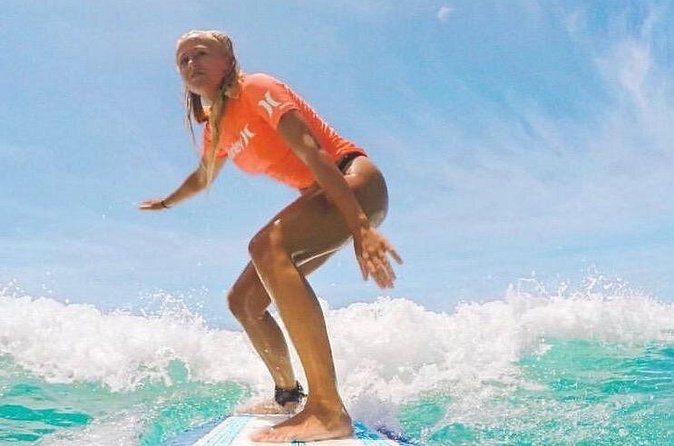
You meet at the Duke Paoa Kahanamoku Statue on Kalākaua Ave in Honolulu. That’s a solid anchor point because it’s a well-known landmark in the area, and it’s easy to spot compared with some vague meeting codes.
In real-life terms, I’d still show up early. One review notes people were a little uncertain where to meet, but their guide reached out and helped them get sorted. That’s the right kind of outcome: fast guidance when you’re worried you picked the wrong spot.
The lesson ends back at the same meeting point. That keeps the day simple, especially if you’re pairing surfing with other Waikiki plans.
The 1-hour game plan: from safety talk to wave attempts
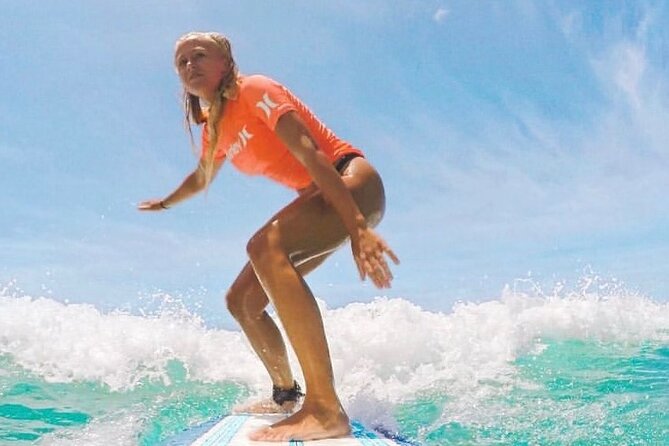
The session runs about 1 hour, and it’s structured like a sprint. You don’t just get a walk-through and a photo op. You get taught the key basics, you get in the water, and you get feedback in the moments that matter.
Here’s the flow you should expect:
- You start on the beach with safety protocols and a quick look at ocean conditions
- Your instructor covers basic technique so you’re not guessing when it’s time to paddle and pop up
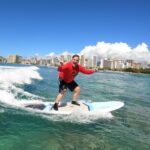
- Then you go into the water and try to catch waves while your instructor watches and gives personalized corrections
- The lesson description includes a promise to get you standing and surfing your first wave by the end
That last point is worth paying attention to. Beginner surf is often about learning faster than your fear. A session that’s organized around that goal tends to keep you moving toward progress instead of freezing you in the learning stage.
Safety and ocean conditions: what good coaching sounds like
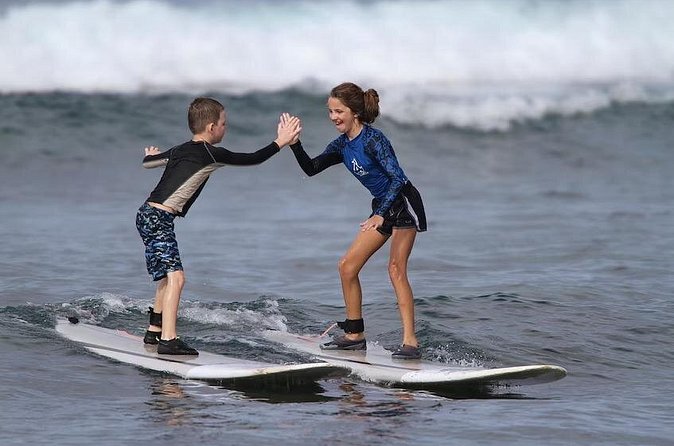
Before you even attempt a wave, you’ll get instruction on ocean conditions and core safety protocols. For beginners, this step is not optional fluff. Surfing punishes sloppy assumptions. Even if you’re excited, you need to understand what the water is doing and how to stay out of trouble.
A good beginner lesson makes safety feel doable. It turns scary ideas into simple habits: where you should position yourself, how to handle the moment before a wave, and how to think through each attempt instead of panicking mid-action. The praise in the reviews points to instructors being supportive and informative, not harsh or vague.
This is also where the private format helps. When you’re only one group with one instructor, you can ask questions and clarify confusion immediately. That short-circuits the classic beginner problem: you paddle out unsure, then spend the ride fighting uncertainty instead of improving technique.
Catching waves with personal feedback (and real encouragement)
Catching your first waves is where most beginner lessons either click—or feel like work. What makes this one different is the coaching emphasis on getting you into the action quickly, then adjusting what you’re doing while you’re trying.
Multiple reviews mention early wins and encouraging instruction. People report catching the first wave, then heading out for bigger ones, and that shift is huge for motivation. If you’re only learning in tiny increments, your brain never quite believes it can work. But when you stand and ride—even once—it changes your whole attitude for the rest of the session.
The private setup also helps with pacing. Your instructor can slow you down to get the basics right, or push you a bit once you’re comfortable enough to attempt more. One review describes a party of four where multiple people had initial successes on their first time. That’s the power of tailored coaching in a short window.
And yes, kids are specifically called out as doing well. If you’re traveling with family, this matters because kids need patience and clear feedback more than they need lectures. Reviews mention kids getting long rides their first time out and wanting to book again.






Preston and Scotty: why these coaches get mentioned by name
When reviews start repeating a coach’s name, that usually means something. Here, Preston gets called out repeatedly for being informative and helpful from the moment you meet. People describe him as supportive and good at building confidence, especially for complete beginners.
Scotty also appears in the feedback, with praise for teaching the basics in a way that gets you moving on the water rather than stuck waiting for permission to try. The theme across both coaches: encouragement plus clear fundamentals. That combo is what helps beginners progress fast.
There’s another subtle win here: you’re not just paying for instruction—you’re paying for a style that makes you feel safe enough to keep trying. Surfing rewards repeat attempts, and you can’t repeat if you dread the next paddle-out.
Price and value: what $110 buys you in Waikiki
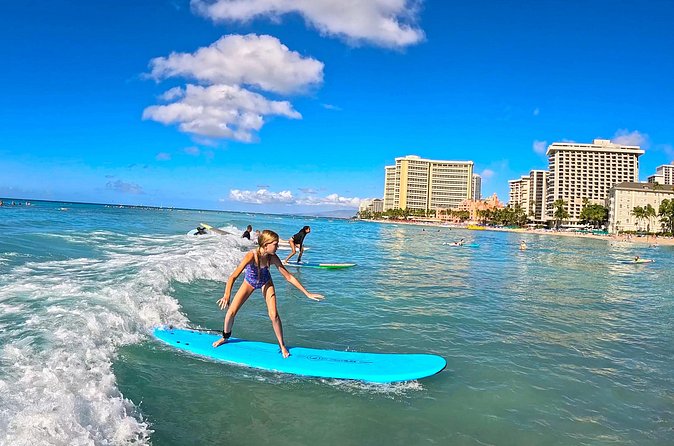
This lesson costs $110 per person and runs about 1 hour. In Hawaii, that can feel like a lot—until you think about what you’re actually buying.
You’re buying:
- Private one-on-one time, which is rare if you’re trying to learn quickly
- Hands-on guidance during the parts that matter (paddling, standing up, timing)
- A push toward a meaningful goal by the end of the session: your first wave
If your priority is confidence and a real chance to stand, the value is in the coaching intensity. A cheaper group format can be great too, but it often spreads attention thin. With this format, you’re less likely to waste time misunderstanding what to do next.
Also, the session is booked ahead on average (about 5 days in advance), which hints at demand. If you’re traveling in a busy window, plan earlier rather than later.
A real-world caution: the no-show risk and how to prevent it
One review reports a no-show and mentions issues trying to get support through a third-party chat, plus missing or incorrect phone contact info. I’m not saying that’s the norm. I am saying you should handle it like a smart traveler.
Here’s how you protect yourself with the facts you do have:
- Confirm your meeting details before the day of the lesson
- If you’re booked through a third party, try to verify the information with the actual provider name: Hawaiian Boy Surf School
- Keep your confirmation message saved
- Arrive early enough that you still have time to sort things out on Waikiki’s busy streets if something feels off
The goal is simple: don’t rely on a mystery call number. Have the right meetup info in hand and show up with time to breathe.
Who this lesson suits best
This experience is built for beginners, and the wording is clear that most travelers can participate. It’s also a private tour/activity, meaning it’s just your group—helpful for families, couples, and small groups who don’t want to share attention with strangers.
If you’re the kind of traveler who likes active learning—getting instruction, then immediately trying—it fits your style. If you’re coming as a family, it’s been praised for kids’ first-time success, including long rides and a desire to book another day.
If you travel with a service animal, the activity allows service animals. And because it’s near public transportation, you can likely reach the meetup area without a car (though you’ll still want to account for Waikiki crowds).
Should you book this beginner surfing lesson in Waikiki?
If you want the fastest path to your first standing moment, I’d say yes—this is aimed at beginners and structured around safety, ocean awareness, and active wave attempts within an hour. The repeated praise for instructors like Preston and Scotty also points to coaching that’s patient and effective, not just scenic and vague.
But if you’re the type who needs perfect certainty down to the minute, take one extra step: confirm meetup details ahead of time and be ready with the provider information. The no-show story is rare, yet it’s real enough that smart prep is worth it.
If you’re staying in Waikiki and want an experience that feels authentically Hawaiian without turning your day into a complicated project, this is a good bet. You’re paying for focused instruction, and the goal is clear: get up on the board and ride at least one wave before you’re done.
FAQ
Where do we meet for the beginner surf lesson?
You’ll meet at the Duke Paoa Kahanamoku Statue on Kalākaua Ave, Honolulu, HI 96815. The activity ends back at the same meeting point.
Is this a private lesson or a group class?
It’s a private tour/activity. Only your group participates.
How long is the lesson?
The lesson is about 1 hour (approx.).
Is the lesson offered in English?
Yes, the experience is offered in English.
What is the cancellation policy?
Free cancellation is available. You can cancel up to 24 hours in advance for a full refund.
Do I get a ticket on my phone?
Yes. It’s a mobile ticket.
Can most travelers participate?
The activity notes that most travelers can participate, and service animals are allowed.
What should the lesson help me achieve?
The lesson description says you’re guaranteed to get standing and surfing your first wave by the end of the lesson.