REVIEW · HISTORICAL TOURS
Historical Tour of Downtown Honolulu in Red Light District
Book on Viator →Operated by Honolulu Red Light Tours · Bookable on Viator
This is one of Honolulu’s strangest time capsules. The tour focuses on downtown life during the city’s Chinatown prostitution heyday, using six stops at former brothels to connect street corners to real-era stories. I especially like how the guide-led walk keeps things moving at an easy pace, and the group stays small. One thing to consider: the subject matter is adult and unfiltered, so it may not feel comfortable for everyone.
I like the mix of Downtown Honolulu landmarks and plain spoken context, including the working girls checking in at the Blaisdell site with the Chief of Police. I also like the human tone from guides such as Jackie and Jim—fun, but not goofy, and tied to what was actually going on during WWII-era Honolulu.
The biggest drawback is emotional, not physical: you’re learning about prostitution and how power worked in that system. If you prefer lighter history, this may feel heavy fast.
In This Review
- Key things I’d watch for
- Entering the Old Blaisdell: where Chinatown’s system had a front door
- The short walking route: how this 1-hour tour stays doable
- Six former brothels: turning building fronts into WWII-era lessons
- The tone: honest history without turning it into entertainment
- Price and timing: does $60 feel worth it?
- What you’ll do (and what you won’t) on the tour
- Who this tour suits best
- Should you book Honolulu Red Light Tours?
- FAQ
- Where does the tour start?
- Where does the tour end?
- How long is the downtown Honolulu red light district tour?
- How much does the tour cost?
- Is the tour offered in English?
- How many people are in the group?
- Is the tour wheelchair friendly?
- Are service animals allowed?
- Can I consume alcohol on the tour?
- What is the cancellation policy?
Key things I’d watch for
- Six former brothel stops that turn building fronts into real stories from the 1930s–1944 years
- Small group size (maximum 8 people), which helps you hear the guide and ask questions
- Easy, wheelchair-friendly route with an important timing note about the elevator
- A 1-hour format that’s short enough to fit into a busy Honolulu day
- Adult-focused historical framing that stays factual, not sensational
Entering the Old Blaisdell: where Chinatown’s system had a front door
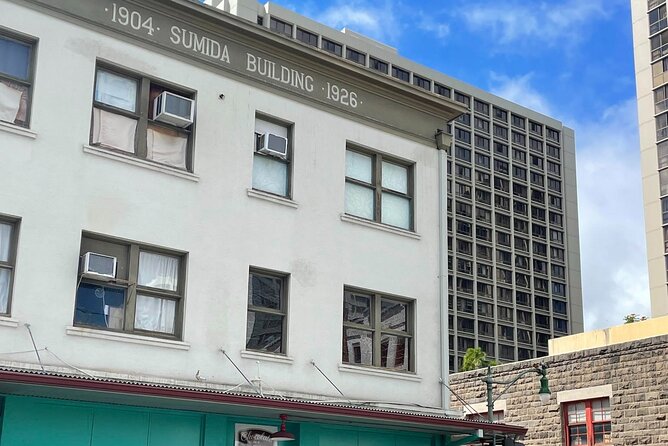
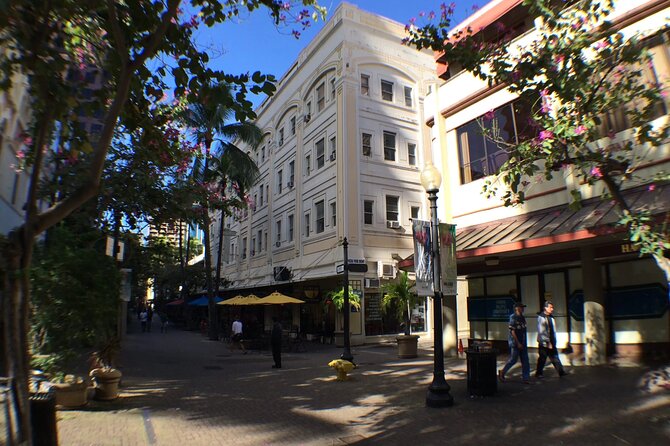
The tour starts at the Old Blaisdell Hotel area on Fort Street Mall, specifically at 1154 Fort St, Honolulu. That matters because the beginning isn’t just a random meeting point. It’s tied to how the system functioned on the ground—working girls checked in with the Chief of Police. Even if you don’t know anything about this period, that one detail sets the tone: prostitution here wasn’t hidden myth. It was organized, monitored, and part of the city’s day-to-day reality.
From there, the walk moves through the historic red light district in downtown Honolulu. You’re not just looking at old buildings; you’re being taught how to read the street. The guide helps you connect what you see—locations in Chinatown and downtown—to what people were doing there in the 1930s through 1944.
And yes, the tour’s focus can feel blunt. That’s the point. If you come in expecting a tidy fairy tale about the past, you’ll probably leave with a clearer, harsher picture.
You can also read our reviews of more historical tours in Oahu


The short walking route: how this 1-hour tour stays doable
This is a short walking tour designed for many physical abilities. The route is described as wheelchair friendly, and the operator notes that they can accommodate visitors in wheelchairs for earlier tours because the historic elevator stops running at 4:30 PM.
That’s the practical detail I appreciate most. Honolulu sidewalks can be uneven, so the fact that the route is planned for accessibility means less stress on timing and terrain. If you’re comparing tour options, this one has a clear goal: keep the experience tight and manageable in about 1 hour while still covering multiple stops.
Group size also plays into how the walk feels. With a maximum of 8 people, it’s easier to stay together, and it’s more likely you’ll hear the guide without craning your neck or competing with a bigger crowd.
One more logistics note: it runs in English, uses a mobile ticket, and is near public transportation. That’s good news if you don’t want to build an entire day around getting to one remote spot.
Six former brothels: turning building fronts into WWII-era lessons
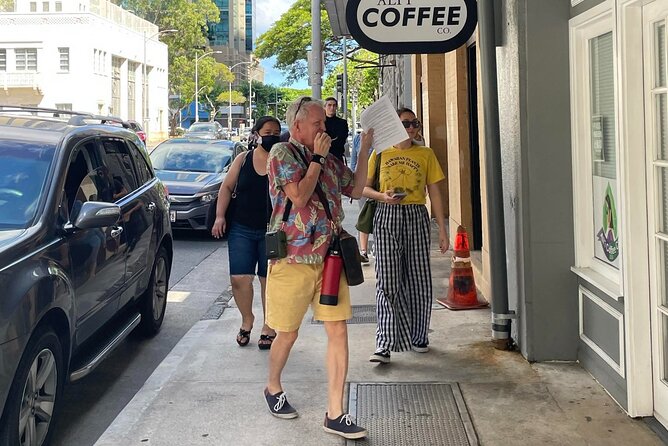
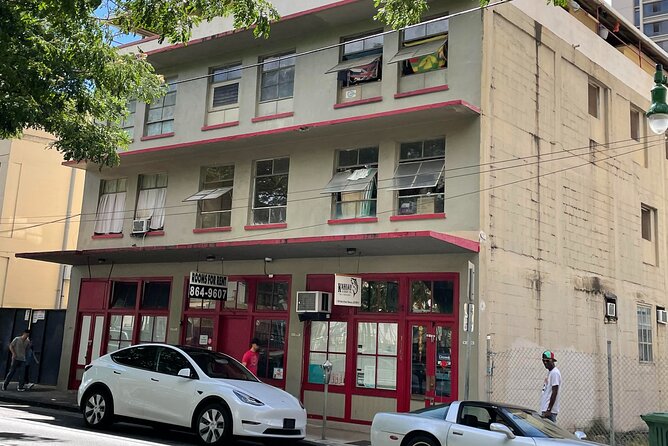
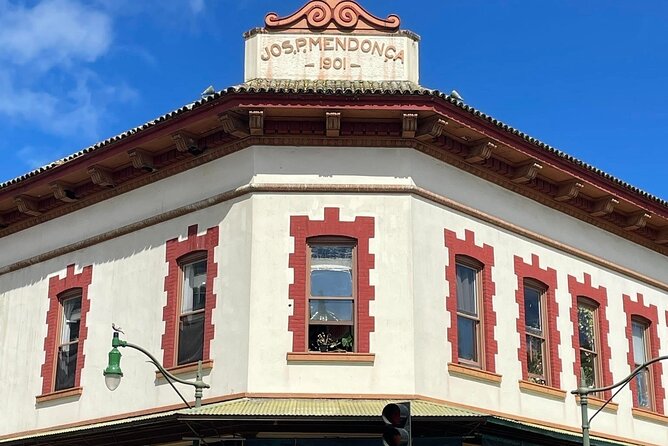
The heart of the tour is the set of six former brothel locations. You’ll stop at each one, and the guide explains the steamy, complicated stories attached to that building—how it fit into the area’s prostitution economy during the 1930s–1944 period.
Because the tour is only about an hour, each stop is designed to give you one strong takeaway rather than a long lecture. You’ll get enough context to understand what made each place part of the system: who it served, how the area operated, and why it mattered in that particular stretch of Honolulu’s timeline.
A key value here is that you’re learning through place. Instead of reading a page about the past, you’re standing on a street that still looks like itself. That makes it easier to remember details like timelines and how WWII-era conditions shaped life downtown.
Still, don’t mistake the building stops for a history-of-architecture tour. This is about social reality. The stories are meant to show what day-to-day life could look like when money, rules, and survival were tied together.
The tone: honest history without turning it into entertainment
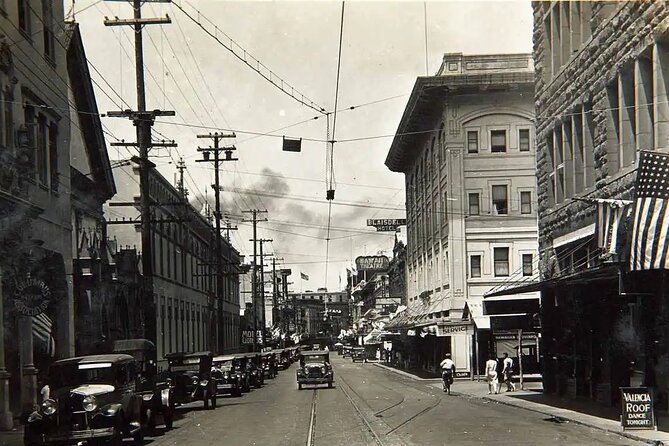
A number of people rate this tour highly because it doesn’t sugarcoat what the era was like. The best parts of the experience are the guide’s attitude: clear, educational, and human, without turning suffering into a stage act.
Guides such as Jackie and Jim come through as someone who can handle hard topics with both humor and restraint. That combination is rare and it helps you stay engaged without feeling steamrolled. The tour’s message is essentially that the system worked by rules set by people with power—and that reality shaped what both men and women had to deal with.
That’s why some visitors call it a reminder that not all history is comfortable. It’s also why the tour can land with extra weight if you’re traveling during or after learning about WWII in Hawaii. Downtown Honolulu has a lot of layers, and this one is not polite.
If you’re the kind of person who wants history to be factual and direct, you’ll probably appreciate the vibe.
Price and timing: does $60 feel worth it?
At $60 per person for about 1 hour, this isn’t a budget “walk and listen” activity. It costs more than generic city tours. The value comes from three places:
- Depth per minute. You’re getting six meaningful stops and period context in a tight timeline.
- Small group format (max 8 people), which often improves the quality of the experience compared with larger walks.
- A very specific topic. This isn’t just downtown sightseeing; it’s a focused look at prostitution-era Chinatown and how the city managed it between the 1930s and 1944.
Planning-wise, it’s useful to know that bookings average around 71 days in advance. That doesn’t mean you must book months ahead, but it’s a hint that schedules can fill, especially if you want a certain day or time.
You’ll also want to decide whether you’re okay with an adult subject. If yes, the cost starts to make sense because you’re paying for a niche guided explanation, not just time outside.
And if you’re wondering about alcohol: the tour info says you must be 21 to consume alcohol. If you’re not planning to drink, that rule mostly just tells you the operator expects mixed participant ages.






What you’ll do (and what you won’t) on the tour
Here’s the practical expectation set so you can decide quickly.
What you will do:
- Meet at 1154 Fort St, Honolulu (Old Blaisdell Hotel area)
- Walk through the downtown red light district
- Make six stops at former brothels
- Hear period context tied to the specific locations you’re standing in
- Stay active for about an hour, with accessibility considered
What you won’t get:
- A long, slow museum style experience (this is built for movement)
- A soft-focus version of the era
- A “sit and relax” tour where you won’t need to walk between points
If you’re the kind of traveler who likes a plan and a clear route, this works well. If you want lots of downtime and no heavy subject matter, you might prefer a different downtown option.
Who this tour suits best
I think this tour fits best for people who:
- Like short walking tours with a defined theme
- Want a more direct look at Honolulu’s past, not only the postcard version
- Enjoy learning from guides who can explain uncomfortable topics clearly (Jackie and Jim are named in reviews)
- Are ready to connect WWII-era Hawaii to the human choices and power dynamics happening downtown
It might not suit you as well if:
- You’d rather avoid prostitution as a topic
- You want a family-friendly history walk
- You’re hoping for light entertainment rather than hard truths
Should you book Honolulu Red Light Tours?
If you want a tight, place-based, fact-forward look at Chinatown’s 1930s–1944 prostitution era, I’d say book it. The small group size, short timing, and accessibility-friendly route help you fit it into a day without turning it into a chore. Just go in prepared for adult content and a straightforward tone—the experience earns its strong ratings because it doesn’t blink at what happened.
FAQ
Where does the tour start?
The tour meets at 1154 Fort St, Honolulu, HI 96813, USA.
Where does the tour end?
The activity ends back at the meeting point.
How long is the downtown Honolulu red light district tour?
It’s about 1 hour (approx.).
How much does the tour cost?
The price is $60.00 per person.
Is the tour offered in English?
Yes, it is offered in English.
How many people are in the group?
This tour/activity has a maximum of 8 travelers.
Is the tour wheelchair friendly?
The route is wheelchair friendly. The operator notes that wheelchairs can be accommodated for earlier tours because the historic elevator stops running at 4:30 PM.
Are service animals allowed?
Yes, service animals are allowed.
Can I consume alcohol on the tour?
You must be 21 to consume alcohol.
What is the cancellation policy?
Free cancellation is available up to 24 hours in advance for a full refund. Cancel at least 24 hours before the experience’s start time to get your money back.