REVIEW · SCUBA DIVING
Oahu: Shallow Reef Scuba Dive for Certified Divers
Book on GetYourGuide →Operated by Dive Oahu Inc · Bookable on GetYourGuide
Two reef stops can feel like a wildlife documentary. This 3-hour shallow-reef scuba session for certified scuba students pairs PADI coaching with two popular Southern Oahu reef areas, where you’re in clear, calm water and close enough to notice the details—turtles, reef fish, and the volcanic reef shapes that hold them together.
I really like the hands-on style of the team: PADI-certified instruction in the water, plus strong equipment support and a captain who keeps things runny and steady. I also like that the operation is built for structure and safety—people are fitted up, given a clear briefing, then pointed at the life. The main consideration is that it’s not suitable for kids under 10 or pregnant women, and you’ll need to show proof of certification and be able to swim and understand English.
In This Review
- Key things worth knowing before you go
- Two Reef Stops Off Ala Moana: What makes this outing special
- Boat day logistics: how the team keeps you on track
- The safety briefing: short, important, and not negotiable
- Underwater Block 1 and Block 2: why two 75-minute sessions work
- Turtle Canyons: the reef formations that make sea turtles feel close
- Kaiser’s: the classic shallow-reef feel and big animal energy
- What you can hope to see: sharks, rays, octopus, and more
- Timing and what it feels like during the 3 hours
- Price and value: is $248 a fair deal?
- Who should book (and who shouldn’t)
- What to bring and the after-scuba rule that matters
- Should you book this shallow reef session?
- FAQ
- How long is the experience?
- What does it cost?
- What reef areas will you explore?
- Do I need scuba certification before boarding?
- What’s included in the price?
- Are add-ons available?
- Who is this not suitable for?
Key things worth knowing before you go
- Two reef sites: Kaiser’s and Turtle Canyons in Southern Oahu waters
- PADI-certified instructors who guide and help you stay comfortable underwater
- Shallow-water focus that makes turtle and reef-fish sightings feel more achievable
- Premier gear rental + snacks and refreshments so you’re not scrambling mid-day
- Add-ons on request like GoPro rental, DPV scooter, Nitrox, private guide, or private photographer
Two Reef Stops Off Ala Moana: What makes this outing special
This is built for people who already have scuba certification and want a confident, guided experience without the stress of planning and site-finding on your own. You’ll start at the Ala Moana area and head out with a small, organized group. Then you get two separate underwater blocks—each designed for shallow reef viewing and lots of marine-life chances.
The best part is how the sites are chosen. Kaiser’s and Turtle Canyons are known for being reef-rich and wildlife-friendly, and they work well with the idea of shallow water: you can spend time watching instead of fighting conditions. The “why” is simple. In shallower reefs, you tend to get better visibility and easier depth control, which means less time worrying and more time noticing.
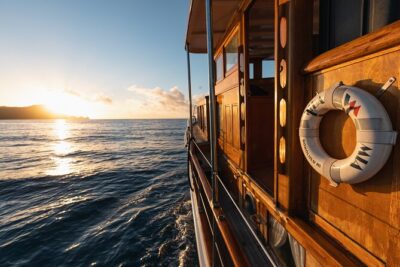
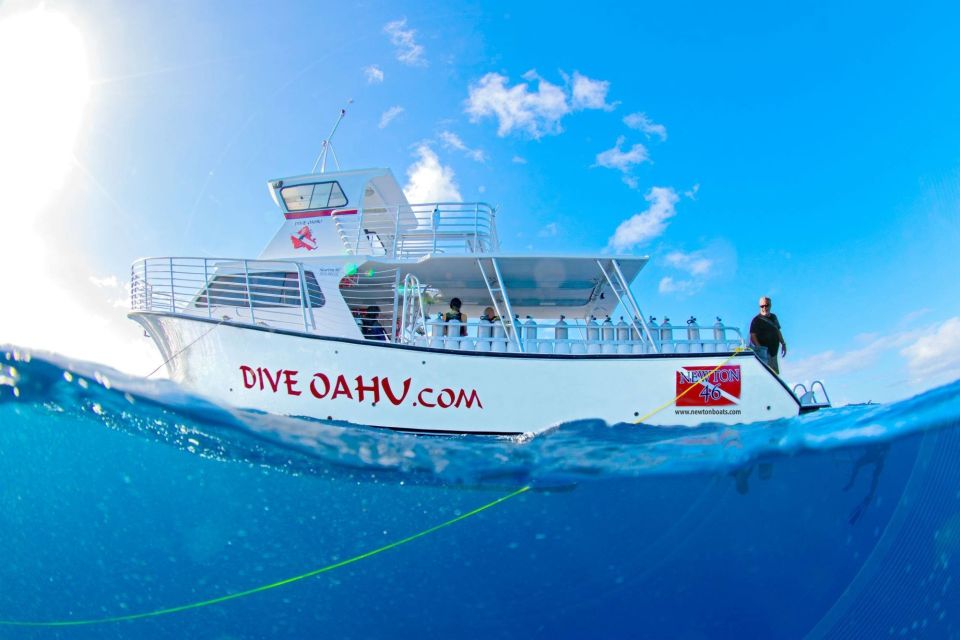
One more practical note: you’re on a new 46-foot Newton boat with comfort and amenities onboard. That matters when you’re doing two underwater sessions in one outing. A smoother ride and comfortable timing can be the difference between feeling relaxed and feeling worn out before you even hit the water.
You can also read our reviews of more scuba diving tours in Oahu
Boat day logistics: how the team keeps you on track
From the moment you’re at the dock, the day is set up to move cleanly. You meet at the operator’s location at Ala Moana, and the day runs on time with a safety briefing before the water time starts. You’re also required to arrive 30 minutes early so they can do waivers and equipment fitting. That early buffer is a big deal because good fit = better buoyancy and less fiddling in the moment.
The boat crew and instructors are part of the “quality control.” In particular, I like that captain Nacho is named by guests as someone who runs the trip well, and instructor Dan is singled out as careful with spotting sea life and looking after each person. That combination—captain for smooth operation, instructor for calm underwater guidance—is exactly what you want when you’re paying for a guided reef experience.
English instruction is provided, so you’re not expected to puzzle things out underwater. You just need to understand the verbal guidance so you can follow directions quickly (think hand signals, staying aware of other people, and basic safety flow).
The safety briefing: short, important, and not negotiable
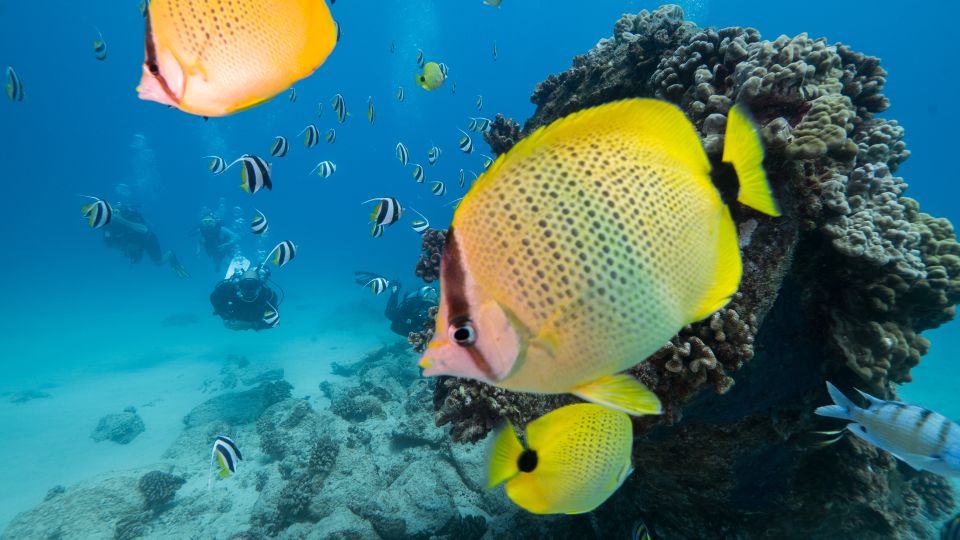
Before you go in the water, you get a 25-minute safety briefing. That’s long enough to cover what matters without dragging the day out, and it’s the piece that keeps the whole outing feeling professional.
Here’s what you should expect in spirit: how to use your gear correctly, what the plan is for the underwater time, and how the group will be managed. They’ll also check your readiness in a practical way, which is why you must be able to understand English and be in good health.
Also, show up with the right documents and mindset. You’ll need to provide proof of certification (PADI or another approved course) before boarding. The requirement is explicit because the sites and underwater time assume you’re already trained and comfortable with standard scuba procedures.
Underwater Block 1 and Block 2: why two 75-minute sessions work
The schedule is simple and efficient: after the safety briefing, you have two guided underwater blocks of 75 minutes each, with snorkeling/scuba time included across those periods.
This split helps in two ways:
- You get more time watching reef life across different moments of the day. Wildlife isn’t static. If conditions or light change slightly, the second block can feel fresh rather than repetitive.
- You don’t have to be underwater nonstop for the full outing. The day is paced so you can manage your comfort and focus.
Between blocks, you’ll be back onboard to regroup, hydrate, and reset. Since snacks and refreshments are included, you’re less likely to feel “hangry” on a boat (and on a boat, your body works a bit harder than you think). This is a small detail, but it often makes the overall experience feel smoother.
Turtle Canyons: the reef formations that make sea turtles feel close
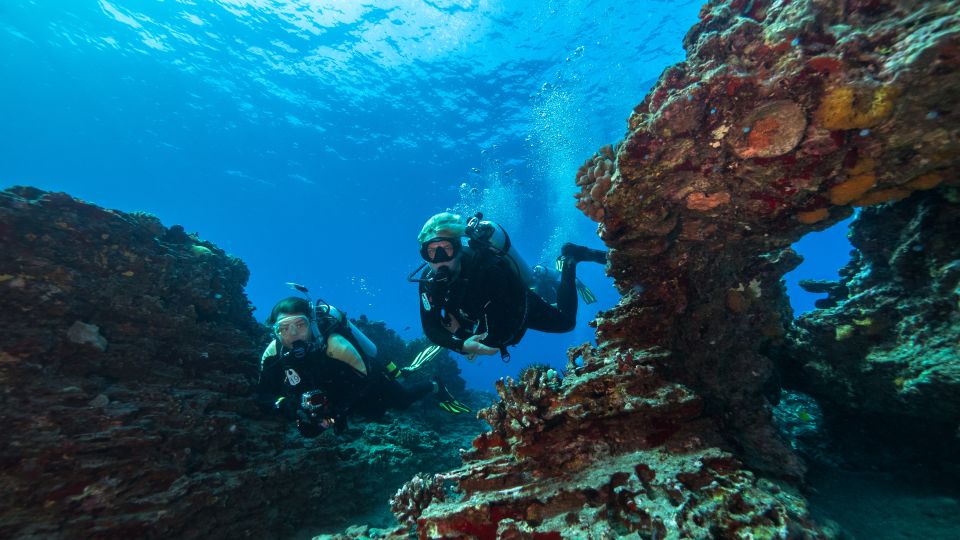
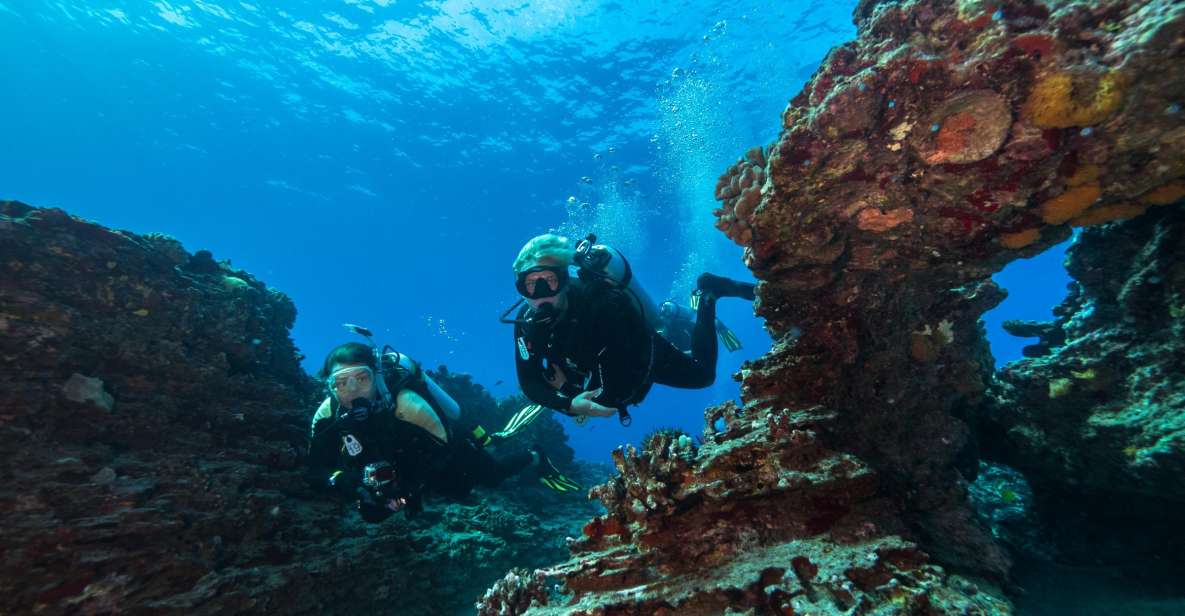
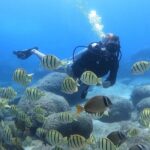
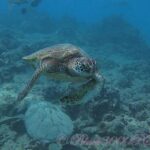
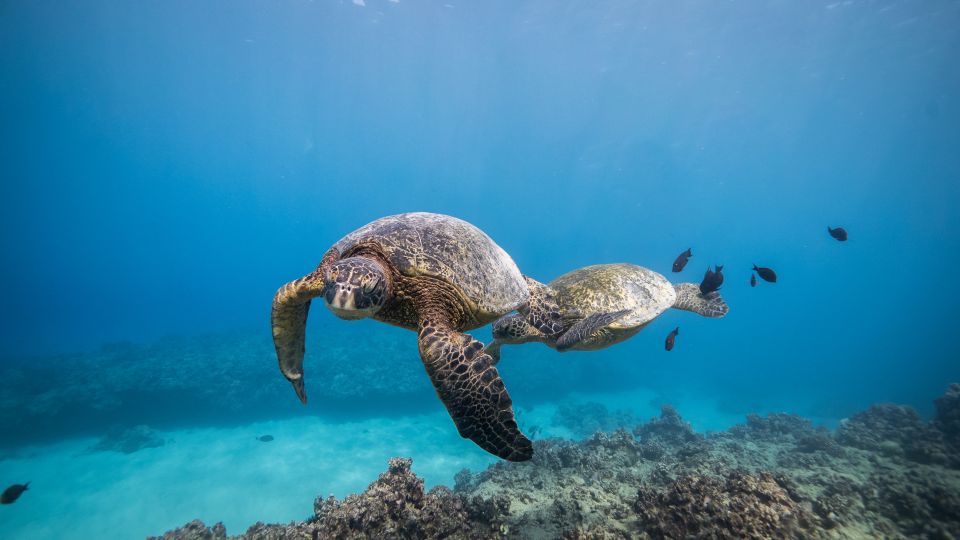
If you like the idea of seeing sea turtles without stressing about getting lucky, Turtle Canyons is the highlight area on this route. It’s described as a reef system shaped by volcanic activity—meaning the rock structure is interesting, broken up, and built in a way that supports lots of life.
In practical terms, volcanic reef formations tend to create:
- ledges and crevices where fish hang out
- more stable micro-habitats where turtles may graze
- interesting terrain for underwater navigation and “where did that come from?” sightings
The wildlife focus here is strong. You can look for Hawaiian Green Sea Turtles, and the reefs are also tied to endemic species like Gold Ring Surgeon Fish. That matters because endemic fish add a feeling of place. You’re not just seeing “a generic reef.” You’re seeing something tied to Hawaii’s underwater ecosystems.
And yes, you might also catch glimpses of other rare or standout fish—names like Saddleback butterflyfish and Flame angelfish are specifically mentioned as possibilities. Even when the fish don’t show up on command, the reef structure gives you plenty of places to search calmly.



Kaiser’s: the classic shallow-reef feel and big animal energy
Kaiser’s is the other named site on this outing, and it rounds out the trip nicely. Where Turtle Canyons leans into turtle-focused reef canyons, Kaiser’s is the kind of shallow reef area that often delivers variety—more fish movement, more chances to spot larger reef animals, and a general “busy reef” vibe.
From the overall descriptions and the way guests talk about the experience, Kaiser’s seems to be part of why people leave happy and not just “I saw something.” On one recent scuba session, guests highlight sightings like lots of turtles and even white-tip reef sharks. You can’t count on any one animal every single time, but the fact that guests mention sharks at this site tells you the reef supports serious life, not just small fish.
If you want a reef where your attention can wander—from sand patches to reef edges to animal spotting—that’s the promise behind these shallow sites.
What you can hope to see: sharks, rays, octopus, and more
You’ll hear a lot of wildlife possibilities, and it’s worth translating them into what you’ll actually notice underwater.
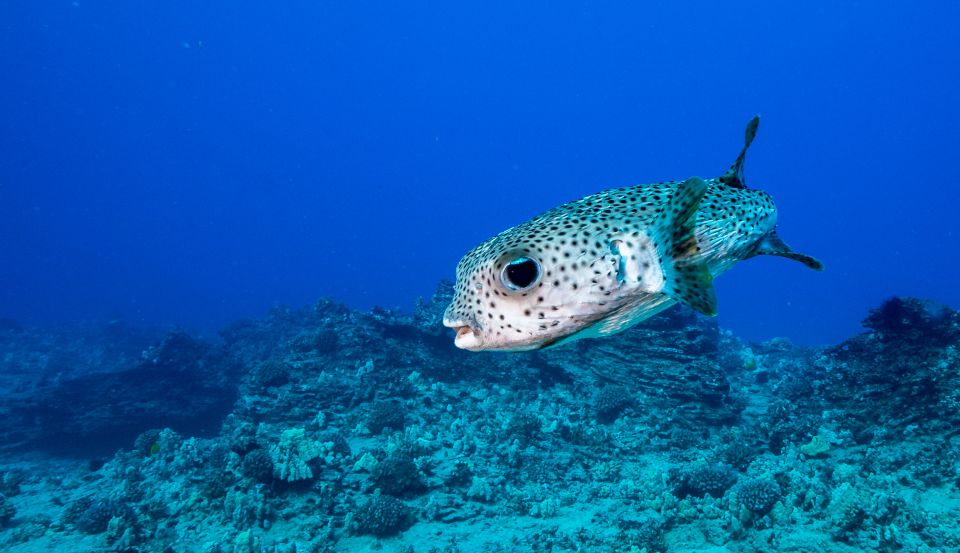
The listed possibilities include sharks and rays, plus encounters like octopus and dolphins. In shallow reef conditions, you often get more consistent opportunities to notice smaller changes in movement—fish school patterns, turtle grazing behavior, and how animals react to divers. That’s why shallow reef routes are popular for certified scuba students: you can spend time watching instead of just passing over terrain.
Based on the strongest feedback from guests, the non-negotiable star is sea turtles. When the day is going well, turtles are the thing people remember most. Secondary favorites include distinct reef fish like surgeon fish and the kind of colorful “name fish” people love to recognize.
Also, don’t ignore the importance of spotting skills. Guests specifically praise the instructor for actively spotting sea life. That means you’ll be more likely to see animals that might otherwise stay half-hidden in plain sight.
Timing and what it feels like during the 3 hours
This is a 3-hour outing, which means you should plan for a compact schedule. You’ll spend:
- time getting checked in, fitting gear, and doing waivers
- 25 minutes on the safety briefing before you hit the water
- two guided blocks of 75 minutes each for snorkeling/scuba time
- then you’re back at the Ala Moana dock
In real terms, your day doesn’t feel like an all-day commitment. It’s perfect when Oahu is already packed and you still want a quality underwater experience. It’s also a good match if you don’t want to burn a whole morning or afternoon traveling between far-flung dive sites.
One thing I’d plan around: you’ll want to be ready to move on schedule. Reef conditions can shift, so the “three hours” structure helps keep the day predictable.
Price and value: is $248 a fair deal?
At $248 per person for a 3-hour guided outing, the value comes from what’s bundled and what you get in your time.
You’re paying for:
- PADI-certified instruction during the session
- gear rental (so you’re not paying separately or transporting it)
- two guided reef sites—Kaiser’s and Turtle Canyons
- snacks and refreshments onboard
- an established safety and spotting workflow
If you’ve ever tried to cobble together a reef day with your own planning, you already know the hidden costs: time, coordination, and the stress of getting it wrong. Here, you’re outsourcing the setup and the “find and interpret the reef” part to people who know these sites.
Then factor in the add-ons option. If you want media or extra help underwater, you can request items like GoPro rental or a DPV underwater scooter, plus Nitrox or a private guide/photographer. The base price still keeps it straightforward; the add-ons give you a way to tailor without losing the guided structure.
Who should book (and who shouldn’t)
This one fits best if you’re:
- already certified and comfortable with standard scuba procedures
- able to swim and in generally good health
- able to understand English verbal instructions
- interested in shallow reef areas with strong wildlife odds, especially sea turtles
It’s explicitly not suitable for:
- children under 10
- pregnant women
If you’re someone who gets anxious about underwater communication, this can still work well because you’ll have an instructor guiding you, and the team aims to keep the experience organized and safe.
If you’re the type who wants total freedom (no group pacing, no briefing, no structured plan), you might feel boxed in. This is a guided reef experience, so the structure is the product.
What to bring and the after-scuba rule that matters
You don’t need much, but don’t show up empty-handed. Bring:
- swimwear
- a towel
- sunscreen
- your scuba certification proof
The after-scuba rule is important: you must not fly within 24 hours after your scuba session. That’s a safety constraint you should respect, even if your flight is tomorrow morning. If your schedule is tight, plan your Oahu itinerary so this activity lands with enough buffer.
Also, use common sense on comfort. This is a boat day with time in the sun. Sunscreen and a towel help you feel human before and after you’re in the water.
Should you book this shallow reef session?
Book it if you want a guided, organized underwater experience on Southern Oahu that focuses on shallow reefs and serious wildlife potential—especially sea turtles—without the planning headaches. The combo of PADI instruction, two named reef sites (Kaiser’s and Turtle Canyons), and included gear plus snacks makes it feel like solid value for the time you spend on the water.
Skip it if you’re under 10, pregnant, or you can’t swim well, or if you’d struggle with English guidance. Also skip it if your flight plans leave no room for the 24-hour rule after scuba.
If your goal is to leave with reef memories, calm guidance, and a realistic shot at seeing Hawaii’s iconic animals, this is a strong choice.
FAQ
How long is the experience?
It lasts 3 hours.
What does it cost?
The price is $248 per person.
What reef areas will you explore?
You’ll visit popular reef sites including Kaiser’s and Turtle Canyons.
Do I need scuba certification before boarding?
Yes. You must show proof of certification through PADI or another approved diving course before boarding.
What’s included in the price?
It includes a PADI certified instructor for the guided tour, premier gear rental, snacks and refreshments, and the guided exploration of the reef sites.
Are add-ons available?
Yes. You can request add-ons such as GoPro rental, DPV underwater scooter, Nitrox tank rental, a private guide, and/or a private photographer.
Who is this not suitable for?
It isn’t suitable for children under 10 and for pregnant women.