REVIEW · FOOD
Private Walking Food Tour in Honolulu With Secret Food Tours
Book on Viator →Operated by Secret Food Tours · Bookable on Viator
Honolulu can feel like a lot at once. This private food walk ties Waikiki classics together with history you can actually picture. You start in central Waikiki, then move stop to stop with small lessons that connect what you’re eating to the people and events that shaped the islands.
What I like most is the food mix and the pacing. You get a malasada, seasonal tacos with Hawaiian comfort foods, fresh poke, Hawaiian shave ice, and even a secret dish that rounds things out instead of turning it into a sugar-only parade.
One thing to consider is that it’s a walking tour and it needs good weather. It also calls for moderate physical fitness, so plan on steady steps and comfortable shoes.
In This Review
- Key highlights that make this tour worth your time
- Waikiki food and history, walking at a human pace
- What you really eat: malasada, poke, shave ice, and more
- Entering Waikiki history: the route from Kalākaua to the Marketplace
- Stop 1: King David Kalākaua Statue and Hawaiian food kept alive
- Stop 2: Brothers in Valor Memorial and the WWII story behind the names
- Stop 3: Fort DeRussy Beach Park and the defensive shoreline
- Stop 4: The Royal Hawaiian area—pink stucco, famous guests, and ghost stories
- Stop 5: Duke Kahanamoku Lagoon and the founder of modern surfing
- Stop 6: Kuhio Beach Hula Show and surfing’s coastal roots
- Stop 7: International Market Place finish—where your next meal becomes easy
- Guide matters: how Stella’s approach improves the whole day
- Price and value: $370 for a private 3-hour food walk
- Timing, weather, and what to wear in Waikiki
- Should you book this private Honolulu food walking tour?
- FAQ
- How long is the private walking food tour in Honolulu?
- Where does the tour start and end?
- What time does the tour begin?
- Is this tour private or shared?
- What food is included in the tour?
- What language is the tour offered in?
- How does ticketing work?
- When will I get confirmation after booking?
- What’s the cancellation policy if weather is bad?
Key highlights that make this tour worth your time
- Private group experience: it’s just your group, so the pace and questions feel personal
- Food that’s full-size, not just samples: you’ll likely leave satisfied (and full)
- Guide-led history with real context: from Hawaiian royalty to WWII memorials
- Waikiki landmarks in a smart order: King David Kalākaua to International Market Place
- Diet awareness: the guide has shown they pay close attention to at least some restrictions
Waikiki food and history, walking at a human pace
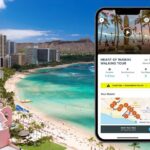
This is a private walking food tour in Honolulu on Oahu, with a start time of 11:00 am. You’re out for about 3 hours, and you’ll meet at 2050 Kalākaua Ave. The walk ends near International Market Place at 2330 Kalākaua Ave, so you can naturally roll into shopping, coffee, or your next meal after.
Because it’s private, you’re not wedged into a big group shuffle. You can ask questions and linger briefly when the story matters to you. It also helps that the meeting area is near public transportation, which makes it easier to build the tour into a day that already includes Waikiki beach time.
The main “logistics” factor is physical comfort. This one asks for moderate fitness, which usually means expect a steady walking rhythm and some time outdoors. And since the experience depends on good weather, check conditions the day of travel. If the weather doesn’t cooperate, you’ll be offered a different date or a full refund.
You can also read our reviews of more walking tours in Oahu
What you really eat: malasada, poke, shave ice, and more
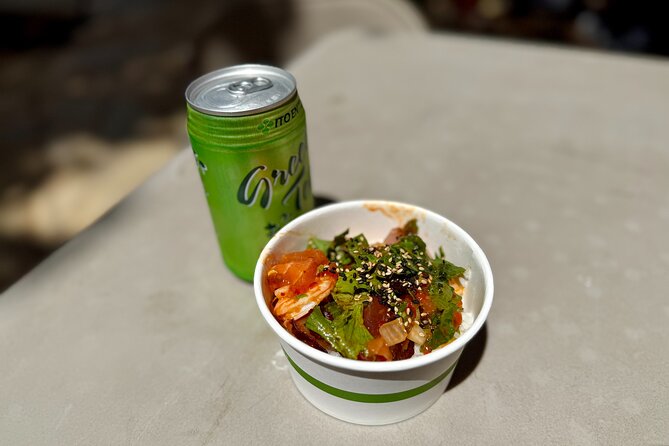
The tastings aren’t theoretical. This tour gives you a lineup of classic Honolulu foods that people actually crave.
Here’s the food flow you can expect:
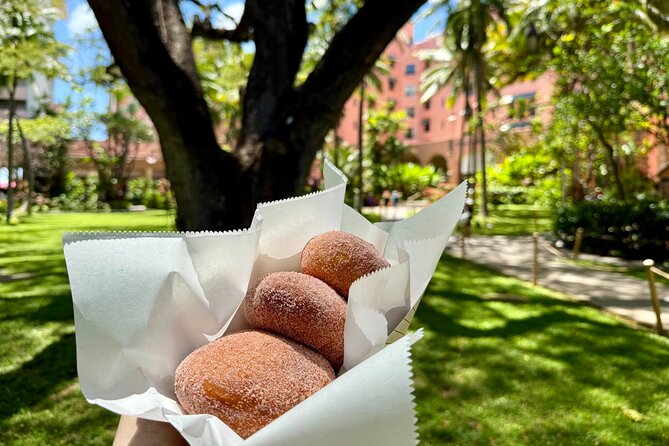
- Malasada: a sweet, fried dough treat that fits perfectly early in the walk
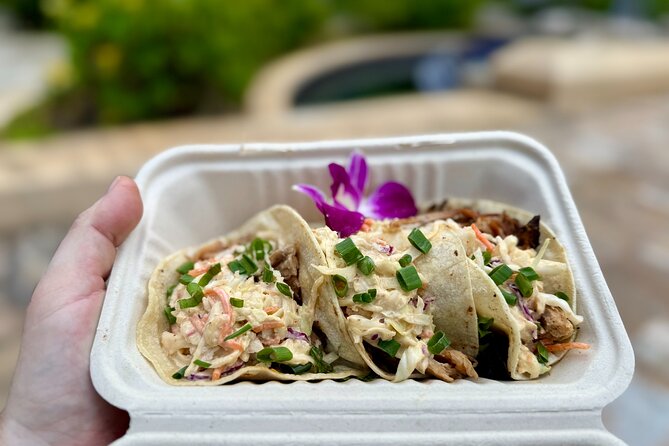
- Seasonal tacos with Hawaiian comfort foods: a modern, island-leaning twist that still feels familiar
- Fresh poke: the Hawaii staple you don’t want to miss, especially when it’s served fresh
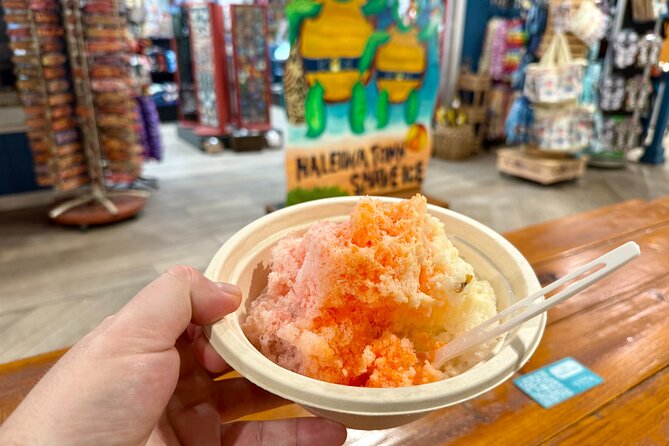
- Hawaiian shave ice: the cool-down moment as the day warms up
- Our delicious secret dish: the wildcard that helps the tour feel complete
In practice, that mix matters. A lot of food tours overdo it with tiny sweets or just “snack-sized” bites. This one has enough variety and portion weight that you’re not hunting dinner later just to feel normal again. If you’re a first-time visitor who’s unsure which Honolulu foods are worth your limited vacation time, this list hits several of the big ones—without ignoring the cultural side of the story.
If you have dietary needs, don’t stay silent. One review specifically praised the guide for paying attention to a sugar aversion, which is a strong signal that the guide takes restrictions seriously. If sugar, allergies, or other limits matter for you, bring it up when you book so you’re not guessing on the day.
Entering Waikiki history: the route from Kalākaua to the Marketplace
The tour’s best trick is its structure. You don’t just “walk and eat.” Each stop is a quick cultural checkpoint that makes the next bite feel less random.
You’ll start at a statue connected to Hawaiian leadership, then shift to WWII remembrance, move through a defensive shoreline park, and head toward Waikiki landmarks tied to hotel history and modern surfing. The last stops put you back where many visitors want to end anyway, but with context you can carry—so International Market Place feels like a finish line, not a generic tourist zone.
And the order is smart: it’s built so you’re learning as you go, not cramming facts at the start and then disappearing into food. The pacing also keeps things manageable—each stop is timed for quick stories, then you’re off to the next tasting.
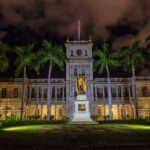
Stop 1: King David Kalākaua Statue and Hawaiian food kept alive
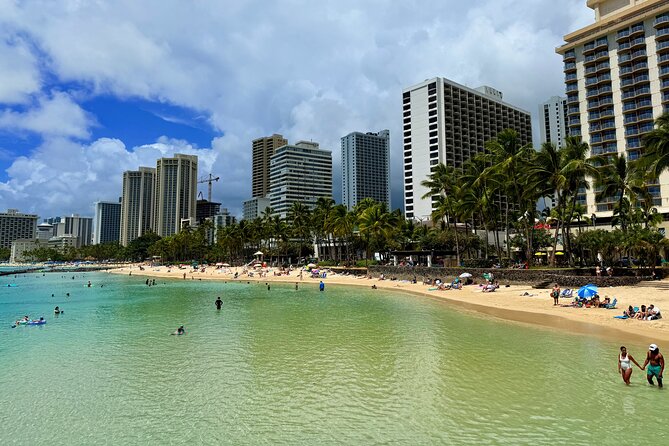
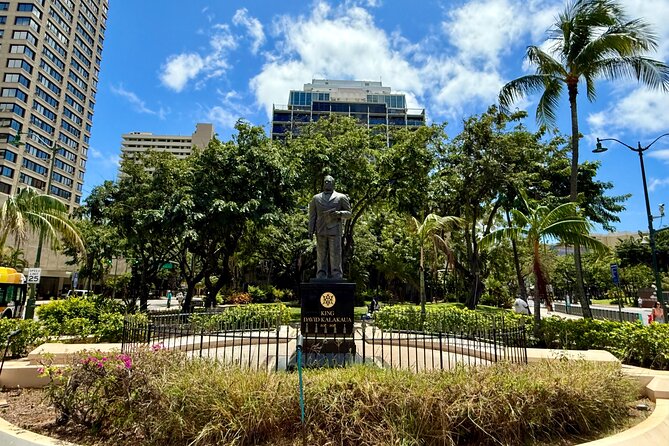
Your first story begins with King David Kalākaua, often remembered as a last king of Hawaii. The focus here isn’t trivia—it’s about cultural survival.
You’ll learn how Kalākaua is tied to the way Hawaiian culture and food traditions were kept alive during a changing era. For me, that’s the key angle: this isn’t just a history stop that feels separate from dinner. It sets the tone that food on Oahu isn’t only about taste. It’s also identity, memory, and continuity.
Practical note: since it’s about 20 minutes, it’s a good warm-up stop even if you’re still shaking jet lag. You’ll get enough background to make later stops click.
Stop 2: Brothers in Valor Memorial and the WWII story behind the names
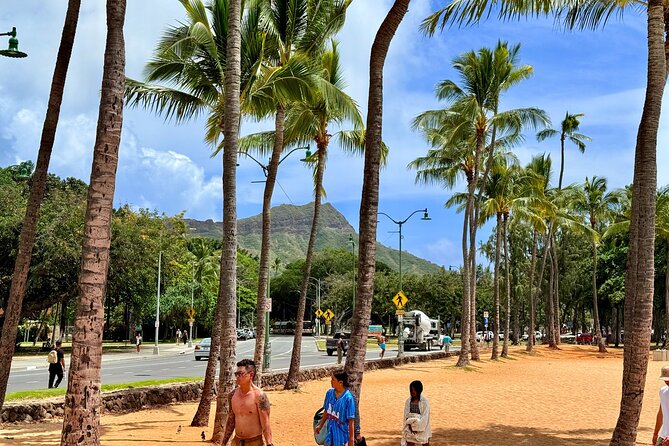
Next comes a memorial connected to the Japanese American contributions to the Allied war effort in WWII. This stop is brief—also about 20 minutes—but it’s emotionally grounded.
Memorials can easily turn into quick photo stops. Here, the goal is to help you understand why the names and story matter in a Hawaiian context. Oahu isn’t just beach scenery; it was part of the broader American war story in complex ways. Seeing this early in the walk helps you notice how Honolulu layers multiple chapters of history in one small area.
The only drawback here is the mood. If you want a purely upbeat day, this section is more reflective than silly. But for most visitors, it’s exactly the balance that makes a culture-focused food tour feel real.
You can also read our reviews of more food & drink experiences in Oahu
Stop 3: Fort DeRussy Beach Park and the defensive shoreline
From WWII remembrance, you shift to coastline and defense at Fort DeRussy Beach Park. This area is tied to the Hawaiian Army Museum and its role as a defensive barrier for the Hawaiian Islands.
This stop helps you connect two things that often don’t get linked in tourist days: Waikiki’s postcard coastline and the fact that the shoreline has strategic meaning. Understanding that adds weight to the views, even if you’re not in “museum mode.”
You’ll spend around 20 minutes here. The setting also works well for a break in the walking rhythm—beach park energy plus a story that explains why this place mattered beyond tourism.
Stop 4: The Royal Hawaiian area—pink stucco, famous guests, and ghost stories
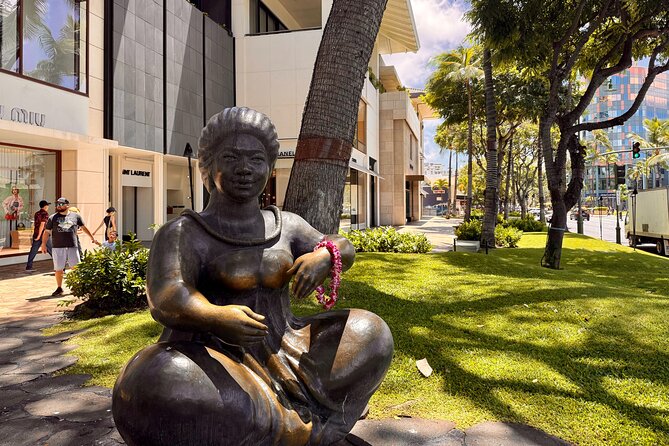
Then you’re in the world-famous Waikiki atmosphere: the area tied to the Royal Hawaiian Resort (the classic pink stucco hotel built in 1927). The tour connects it to a near 100-year history with famous guests and even stories of hauntings.
A quick heads-up: “hauntings” are usually more folklore than documented evidence. Still, those stories can be fun, and they often explain how a place became a symbol. If you like architecture and hotel history, you’ll enjoy how the guide frames the building as part of Waikiki’s identity.
At about 20 minutes, it’s enough time to absorb the vibe without dragging. It also sets up what comes next: surfing and the beach culture that defines Waikiki’s modern image.
Stop 5: Duke Kahanamoku Lagoon and the founder of modern surfing
The tour then focuses on Duke Kahanamoku Lagoon, with the iconic statue of Duke Kahanamoku, credited with founding modern surfing.
This is one of those stops where the learning makes the landmark more meaningful. If you’ve seen surfing your whole life in videos and competitions, this gives you a local anchor point. It’s not just “look at the statue.” It’s a chance to understand how Waikiki’s beach culture became global, starting with Hawaiian figures and traditions.
Spend around 20 minutes here. If you’re traveling with kids or teens, this is usually an easy moment because it connects history to something they already recognize.
Stop 6: Kuhio Beach Hula Show and surfing’s coastal roots
Next is the Kuhio Beach Hula Show area. The focus is on the birthplace of surfing along the coast of Waikiki.
This stop adds a cultural layer that most food tours skip. You’re not just eating while staring at water. You’re learning how movement, land, and water traditions overlap on Oahu. The hula show connection also keeps the story from turning into “sports only.”
The watch-out is again energy and weather. Since you’re outside, bring sun protection and plan for humidity. The food portion after this stop can be cooler and sweeter, but you’ll want to feel comfortable enough to enjoy it.
Stop 7: International Market Place finish—where your next meal becomes easy
The walk ends near International Market Place, which is ideal for finishing strong. You’ll reach the area after your tastings and history stops, and you can use the location to keep your day simple: one final drink, a quick dessert, or shopping if that’s your thing.
This “end by design” matters because food tours can leave you stranded in the middle of nowhere. Here, you finish where people actually eat. It’s a small thing, but it makes the whole afternoon feel complete.
Guide matters: how Stella’s approach improves the whole day
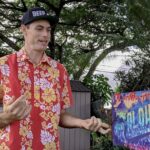
The guide experience is a major part of why this tour gets strong feedback. Stella is described as both personable and knowledgeable, with history that stays connected to the food.
What’s especially useful for you is how she’s said to work the route with good pacing, plus recommendations that feel local instead of copy-paste tourist tips. One review praised her for knowing lots of people—shop owners and bartenders—so the tour isn’t stuck in “facts plus food.” It turns into a guide-led map of where to go next.
There’s also that important note about diet: a sugar aversion was handled with close attention. That doesn’t guarantee every restriction will be accommodated perfectly, but it’s a solid sign that you should communicate needs early. In a food tour, clarity beats assumptions.
Price and value: $370 for a private 3-hour food walk
At $370 per person, this isn’t a budget snack run. But it’s also not priced like a generic mass-market city tour.
Here’s what you’re paying for, in real terms:
- A private experience, so it’s your group only
- Multiple tastings, including malasada, poke, shave ice, and more
- History stops across several Waikiki landmarks
- A guide who can connect the dots between culture and cuisine
There are also group discounts, which is a big deal if you’re traveling with friends or family and can split the total more efficiently. Since it’s booked on average around 87 days in advance, that timing suggests it’s popular—so lock in if your calendar is firm.
If you’re weighing value, think of this as three things at once: a walking tour, a food tour, and a local history orientation. If you want one activity to do all three, the price starts to look more reasonable.
Timing, weather, and what to wear in Waikiki
Your tour starts at 11:00 am. That timing works well because it gets you tasting early enough that you’re not starving and late enough that morning is already set.
Since the experience requires good weather, you’ll want to check forecasts the day before and the morning of. If conditions are bad, you should expect an alternate date or refund rather than a forced “power through.”
For clothing, aim for comfort: a walking tour in Waikiki can mean sun, humidity, and sidewalk stretches. Good shoes matter more than fancy outfits. Bring sun protection, and keep water handy.
Should you book this private Honolulu food walking tour?
Book it if you want Waikiki food plus culture in one smooth afternoon. I think it’s a great match for first-timers who want the big flavors—malasada, poke, shave ice—paired with meaningful stops like Kalākaua, WWII remembrance, and surf history.
Also book it if you appreciate a guide who can tailor the day. The praise for Stella’s local know-how and care with a sugar aversion is the kind of detail that makes a tour feel safer and more thoughtful.
Skip it if you’re shopping for ultra-light walking, or if your trip is tight around uncertain weather. Even with a private pace, the outdoor parts are central.
If you like your travel days structured but not rigid—eat, learn, walk, then finish near food and shopping—this one has the right rhythm.
FAQ
How long is the private walking food tour in Honolulu?
It runs for about 3 hours (approx.).
Where does the tour start and end?
It starts at 2050 Kalākaua Ave, Honolulu, HI 96815 and ends near the International Market Place at 2330 Kalākaua Ave, Honolulu, HI 96815.
What time does the tour begin?
The start time is 11:00 am.
Is this tour private or shared?
It’s private. Only your group participates.
What food is included in the tour?
Included tastings are malasada, seasonal tacos with Hawaiian comfort foods, fresh poke, Hawaiian shave ice, and a delicious secret dish.
What language is the tour offered in?
The tour is offered in English.
How does ticketing work?
You’ll receive a mobile ticket.
When will I get confirmation after booking?
Confirmation is received within 48 hours of booking, subject to availability.
What’s the cancellation policy if weather is bad?
There’s free cancellation up to 24 hours in advance for a full refund. The experience requires good weather; if it’s canceled due to poor weather, you’ll be offered a different date or a full refund.