REVIEW · CYCLING TOURS
“Tour de Honolulu” Foodie Bike Tour
Book on Viator →Operated by Bike Tour Hawaii · Bookable on Viator
Honolulu tastes better from a bike seat. I love the local food tastings and the guide-led history and culture commentary, and you’ll cover far more ground than you could on foot. The main thing to consider is the pace: it’s about 4½ hours, so plan on a steady ride and come with a moderate fitness level.
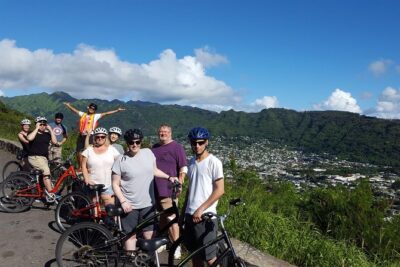
You start at Kuhio Beach and you’re set up with a helmet and bicycle before you roll. In reviews, the guide Kelly (spelled Kally in one) is praised for safety, plus for making the ride feel personal, even for families with kids who aren’t strong cyclists.
In This Review
- Quick hits if you’re deciding today
- Why this bike-and-food plan works in Honolulu
- Price and value: what $189 buys you
- Getting going at Kuhio Beach: setup, safety, and the group vibe
- The route: Waikiki’s canal to Ala Moana’s people’s park
- Historic Canal (built in 1929): Waikiki’s backbone
- Ala Wai Driving Range: golf’s most famous view
- Neal S. Blaisdell Center: Elvis, statues, and the entertainment era
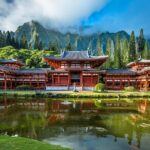
- Hawaiian Mission Houses Historic Site and Archives: architecture with a shipping history
- Iolani Palace: the only royal palace in the United States
- Hawaii State Capitol: open-air government with unusual architecture
- Kaka’ako: murals, development, and the future of Oahu–Honolulu
- Ala Moana Beach Park: Hawaii’s people’s park, 100 acres of options
- Food tasting you can expect: familiar flavors with Hawaii personality
- How the guide turns stops into a story you’ll remember
- Who this tour is best for (and who should think twice)
- Should you book Tour de Honolulu Foodie Bike Tour?
- FAQ
- FAQ
- How long is the Tour de Honolulu Foodie Bike Tour?
- What time does the tour start, and where does it meet?
- Is this tour private?
- What biking equipment is included?
- What food and drinks are included in the tastings?
- What fitness level do I need?
- What happens if the weather is poor or if I need to cancel?
Quick hits if you’re deciding today
- Private tour, personalized pacing: it’s just your group, so you can ask questions without herding strangers.
- Bike + helmet included: you don’t waste time figuring out gear or sorting logistics.
- Live commentary as you ride: history isn’t trapped in a museum room; it shows up at the stops.
- A route that moves beyond Waikiki: you’ll see royal sites, government architecture, and the art-and-growth zone of Kaka’ako.
- Food tastings, not a single snack stop: the tour includes multiple tastings plus bottled water, and coffee/tea.
Why this bike-and-food plan works in Honolulu
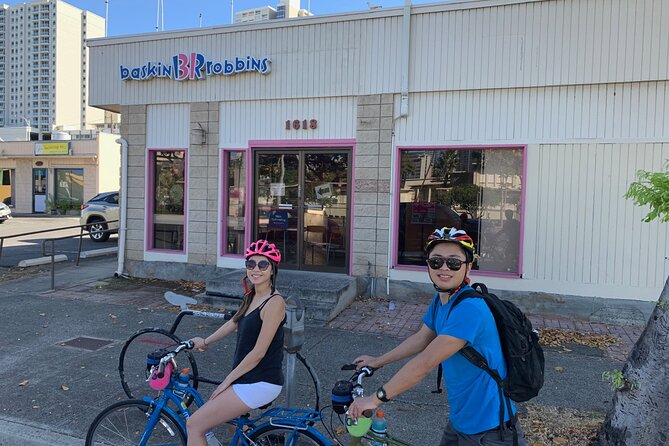
Honolulu is spread out in a way that makes “just walk” tours feel slow fast. The bike format lets you see neighborhoods and landmarks without spending half your day waiting at crosswalks or backtracking. You get the momentum of a real ride, but with scheduled pauses where the guide points out what you’re actually looking at.
I also like that this tour aims for both sides of Honolulu: the famous postcard areas and the places where locals eat, shop, and hang out. The route doesn’t treat culture like a lecture. It connects what’s on the street—architecture, monuments, murals—to the food you taste along the way.
One more practical bonus: the tour is built for food lovers, but it still stays light on pressure. You’re not doing a marathon eating challenge. It’s structured tastings, then moving on while your appetite stays happy.
You can also read our reviews of more tours and experiences in Oahu
Price and value: what $189 buys you
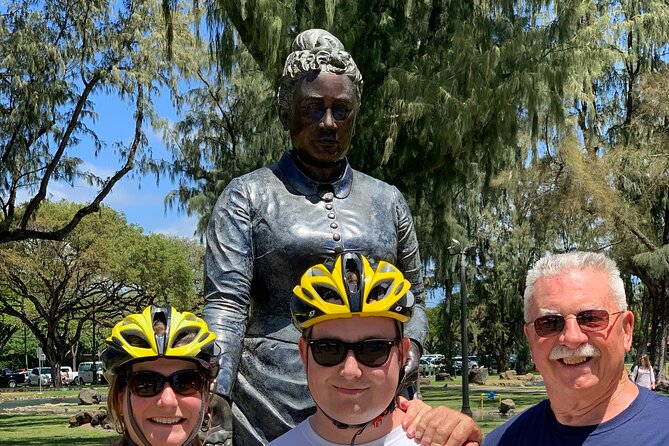
At $189 per person for about 4 hours 30 minutes, you’re paying for three big things: guided cycling, multiple tastings, and access to the places that are part of the story of Honolulu.
Bike tours can be either “a ride with a few photos” or “a food outing with a little scenery.” This one tries to do both well. You get a real guide with live commentary, plus bottled water and coffee/tea. On top of that, your sample menu includes items that feel distinctly local or Hawaii-leaning, like fish taco, Hawaiian pizza, kalua pork sliders, and shave ice.
Is it cheaper than eating your way through town on your own? Sure, because you control what you buy. But you don’t control route design, timing, and which stops pair best with the history at each location. Here, you’re paying to remove the guesswork and swap it for a guided plan that keeps you moving.
Getting going at Kuhio Beach: setup, safety, and the group vibe
The tour meets at 2453 Kalākaua Ave at Kuhio Beach, starting around 1:00 pm and ending back at the meeting point. That matters because you’re not trying to coordinate a new start point or end point after the ride. You can treat it like a long afternoon activity, then keep the rest of your day open.
The basic equipment is included: a bicycle and a helmet. That’s not a small detail. When safety gear is already handled, you can focus on riding comfortably instead of juggling rentals. The tour is also described as private, meaning only your group participates, which usually creates a calmer rhythm and fewer “stop-and-start” delays.
Fitness-wise, they ask for moderate physical fitness. Translation: you should be okay with sustained pedaling, not just a few minutes at a time. If you’re bringing kids or people who don’t ride often, the guide’s role becomes even more important, and reviews specifically praise Kelly/Kally for keeping things safe and manageable.
The route: Waikiki’s canal to Ala Moana’s people’s park
This is the kind of itinerary that feels like a “Honolulu highlight reel,” but told from street level. You’ll roll past well-known places and then stop at spots that explain why they matter.
Historic Canal (built in 1929): Waikiki’s backbone
You kick off with a look at a historic canal built in 1929, described as a major feature of the Waikiki neighborhood. Even if you don’t know the name before, you’ll likely recognize the way waterways and canals shape how a neighborhood grows. It’s one of those infrastructural stories that makes the city make more sense.
The stop is short, so don’t expect a deep walk-through. Instead, think of it as your “here’s what shaped this area” orientation before you start connecting the later stops.
You can also read our reviews of more cycling tours in Oahu

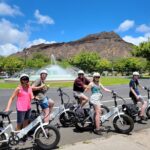
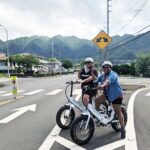
Ala Wai Driving Range: golf’s most famous view
Next you roll past Ala Wai Driving Range, with the note that it’s the most popular golf course in North America. This is the kind of landmark that’s less about what you do and more about what you see. The presence of golf right here tells you how quickly Waikiki turned into an international vacation hub.
If golf isn’t your thing, you might still appreciate how this stop frames the area’s identity. Honolulu tourism history isn’t just about beaches; it’s also about resort lifestyle.
Neal S. Blaisdell Center: Elvis, statues, and the entertainment era
At Neal S. Blaisdell Center, the focus is an Elvis Presley statue tied to his last concert in 1973. It’s a quick stop, but it’s a meaningful one because it marks how Honolulu has hosted global pop culture alongside local tradition.
The practical takeaway: it gives you a chance to see how the city remembers major moments, not just how it performs them.
Hawaiian Mission Houses Historic Site and Archives: architecture with a shipping history
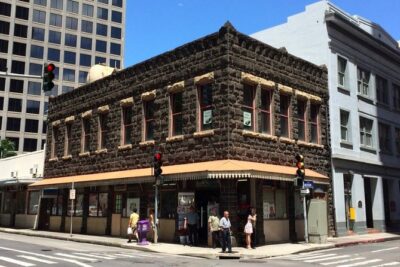
Then you head to Hawaiian Mission Houses Historic Site and Archives, described as the first western-style home built in Hawaii. The key detail here is that it was brought from Massachusetts in 1820–1821.
That’s a fascinating twist on what “historic preservation” means. Instead of preserving something in place forever, this is about a building that traveled. You’re not just looking at old wood; you’re seeing early connections between places across the ocean.
Stop time here is brief, but it’s one of the stops that can help you reframe Honolulu history from a single era into a chain of influences.
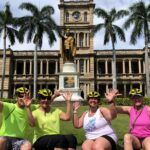
Iolani Palace: the only royal palace in the United States
Roll through Iolani Palace, described as the only Royal Palace in the United States. Even if you’ve seen photos, seeing it from street level helps. It brings the idea of monarchy into a location you can actually point to, not just a page in a book.
One consideration: because the stop is about timing and pacing, you may not have long “wander time.” If you want longer time for photos or slower reading of details, you’ll need to plan an extra visit later.
Hawaii State Capitol: open-air government with unusual architecture
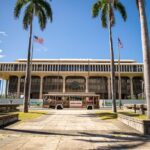
At the Hawaii State Capitol, you get a look at the only open-air state capitol in America, with architecture described as out of the box. This is one of the best stops for people who like design. Open-air settings change how buildings feel; they’re less like an indoor office and more like a public stage.
Quick tip: keep an eye up while you’re riding and listening. Stops like this reward those who look around rather than just straight ahead.
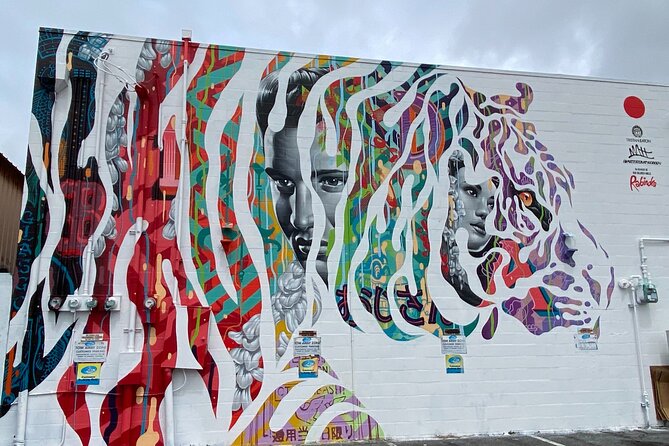
Kaka’ako: murals, development, and the future of Oahu–Honolulu
A bigger time slot comes at Kaka’ako, described as the future of Oahu–Honolulu and a neighborhood with murals and new development. This is where the tour shifts tone from past-centered landmarks to a place that feels like it’s still being written.
Fifteen minutes here is enough to take in the mood: art on walls, new buildings, and that “city growth” energy. If you’re the kind of person who loves street art, you’ll likely wish you had more time after the tour ends, so plan a follow-up walk or ride nearby if you can.
Ala Moana Beach Park: Hawaii’s people’s park, 100 acres of options
You end at Ala Moana Beach Park, described as a 100-acre park built in 1948 with lots of activities. Even with a short stop, this is a strong finish because it’s a classic “how people actually spend time” setting.
It’s called Hawaii’s park for the people, which is a handy phrase. You see the idea in the space itself: different groups using the park in different ways, not just one attraction trying to pull you in.
Food tasting you can expect: familiar flavors with Hawaii personality
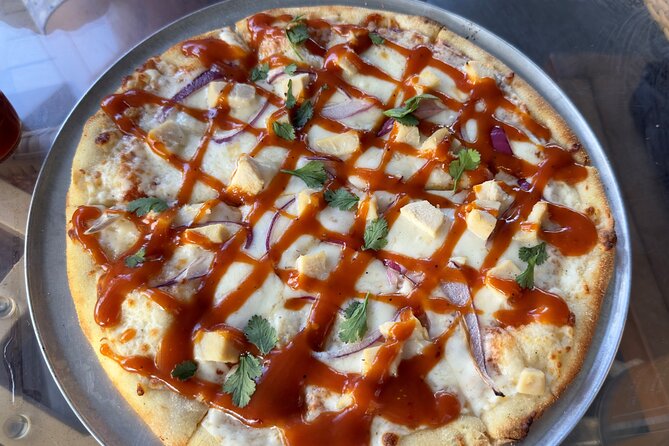
The tour includes food tastings and beverages. Bottled water is part of it, and you also get coffee and/or tea. The sample menu includes:
- Fish taco on a corn tortilla
- Hawaiian pizza
- Kalua pork sliders
- Shave ice with local-style flavors
What I like about this lineup is that it doesn’t depend on one single concept. You get savory bites (fish and pork) and then finish with something cold and iconic. Shave ice is the right ending because it resets your palate for a true afternoon break.
In reviews, people go beyond the sample menu and mention favorites like poke salmon and tuna, plus other local-style bites and desserts. It’s a sign that the guide chooses places that feel current and local, not just predictable.
Practical advice: if you’re someone who gets full easily, you might still enjoy the experience because portions are treated like tastings. Bring a normal appetite. You shouldn’t need to bring a power-banker and a stretchy waistband.
How the guide turns stops into a story you’ll remember
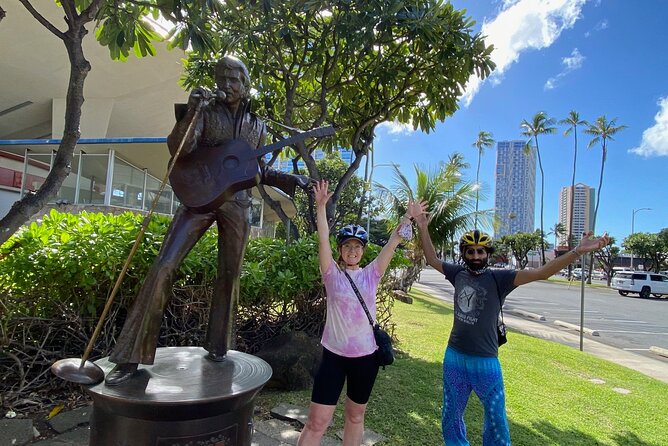
A food tour works best when the guide explains why the food fits the place. Here, the commentary also ties in with what you’re looking at outside your handlebars.
You pass through layers of Honolulu: tourism-era landmarks, the influence of western settlement, royal-era reminders, and modern government space. Then you end with a public park feel. That arc is what keeps it from turning into a list of trivia facts.
Reviews also highlight Kelly’s personality and local perspective, and that matters because Honolulu has a lot of “tour voice” information online. A good guide helps you see the city as something people live in day to day, not a set built for visitors.
One extra value-add from reviews: Kelly is praised for taking lots of photos and even creating a short video from the ride. That’s a nice option if you want memories that are more than just selfies.
Who this tour is best for (and who should think twice)
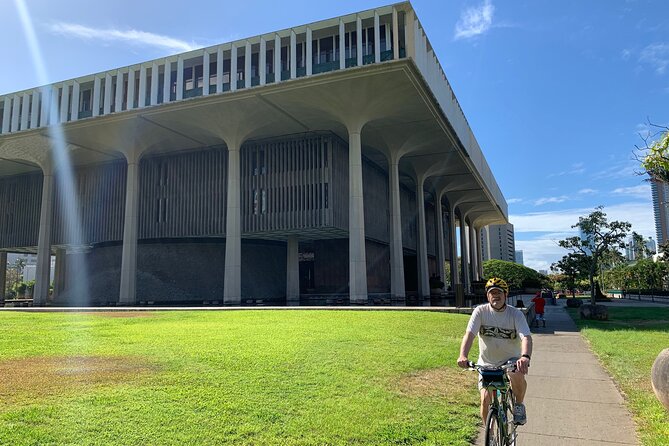
This is a great fit if you want:
- A private outing with a guide who can answer questions
- A way to see Waikiki plus nearby landmarks without doing a slow walk
- A mix of cycling, food tastings, and culture stops
It also seems to work for families. Reviews mention a family of five where two kids weren’t avid bike riders, and the guide helped keep everyone safe and comfortable. Still, remember that the tour expects moderate fitness, so it’s best if you can match your group to the activity level.
Who might think twice? If you dislike riding for extended periods, or if you only want short, flat, totally casual movement, a bike tour may feel like work instead of fun. This one isn’t described as leisurely pedaling the whole way. It’s a structured ride with stops.
Should you book Tour de Honolulu Foodie Bike Tour?
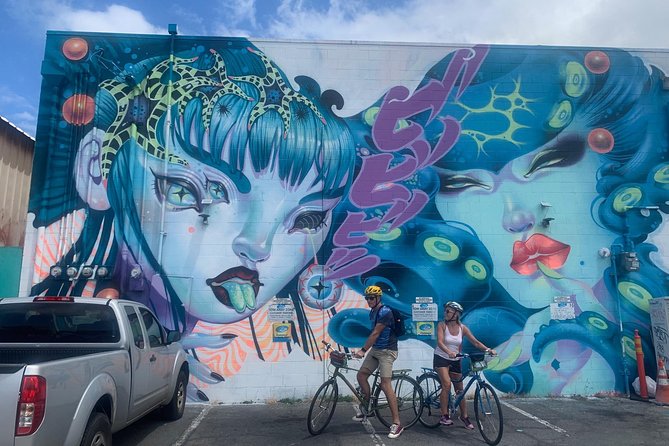
If you like eating while moving, and you want a guided route that covers more than Waikiki alone, I’d book it. The combination of bike + helmet included, live commentary, and multiple tastings for a fixed afternoon block is good value for a first look at Honolulu.
Do it if you’re the type who enjoys history, architecture, and street-level culture, but you also want dessert and local bites along the way. Skip it only if cycling for 4½ hours sounds stressful, or if you prefer to explore at your own pace without a schedule.
FAQ
FAQ
How long is the Tour de Honolulu Foodie Bike Tour?
It lasts about 4 hours 30 minutes.
What time does the tour start, and where does it meet?
The tour starts at 1:00 pm and meets at Kuhio Beach, 2453 Kalākaua Ave, Honolulu, HI 96815.
Is this tour private?
Yes. It’s listed as private, so only your group will participate.
What biking equipment is included?
The tour includes use of a bicycle and a helmet, plus a tour escort/host.
What food and drinks are included in the tastings?
Food tasting is included along with bottled water and coffee and/or tea. The sample menu includes fish taco, Hawaiian pizza, kalua pork sliders, and shave ice.
What fitness level do I need?
The tour recommends travelers have a moderate physical fitness level.
What happens if the weather is poor or if I need to cancel?
The tour requires good weather. If it’s canceled due to poor weather, you’ll be offered a different date or a full refund. For cancellations, you must cancel at least 24 hours in advance for a full refund.