REVIEW · CANOES & KAYAKS
#1 eFoil 1.25 hr or 2 hr wing foil or windsurf or kayak lesson
Book on Viator →Operated by Pa'ani Wai Hawai'i · Bookable on Viator
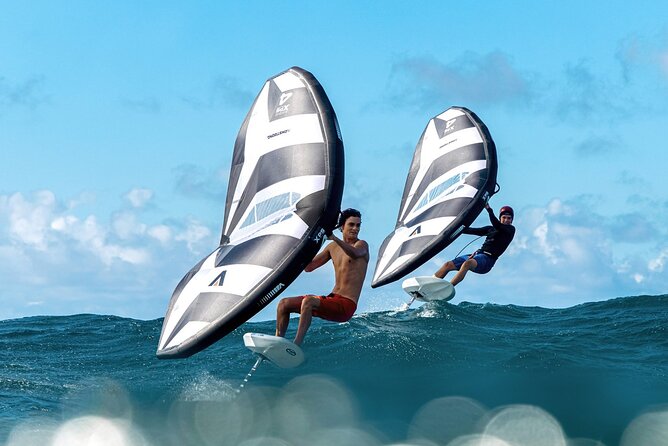
Flying over water can feel instant here. I like that Pa’ani Wai Hawai’i teaches you in the same Kailua-area water where locals actually play, and it pairs that with 2-way radio helmet coaching so you get corrections while you’re on the move. You also get to choose your sport—eFoil, wing foil, windsurf, or kiteboarding—so the lesson can match your interests instead of forcing you into one lane.
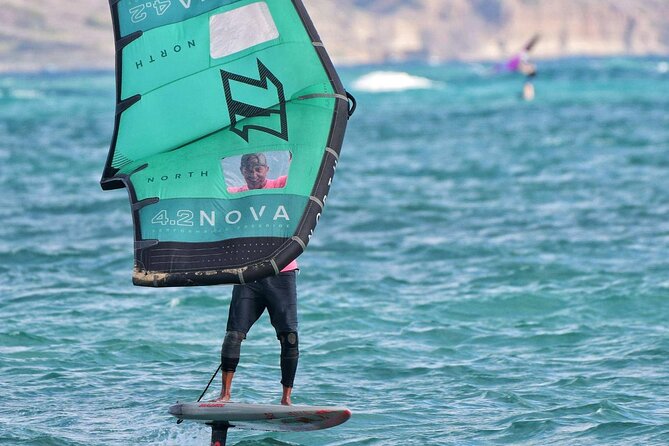
What really works for me is the teacher-to-student feedback loop. With instructors like Ray and Josh (both long-time Kailua locals in the rotation), you get encouragement that’s practical, plus safety focus that doesn’t kill the fun. I also love the equipment approach: you don’t haul your own setup, and the gear is from major brands like Fliteboard, Starboard, Cabrinha, North, and Armstrong wings and foils.
One drawback to plan around: this is weather-dependent. If conditions are off, the lesson can be rescheduled or refunded, and eFoil is shorter than the other options (one hour for eFoil versus about two hours for the rest).
In This Review
- Key highlights worth planning for
- Kailua starts the lesson: Kailua Beach Park to Lanikai water
- Radio helmets: the fastest way to learn without stopping
- Choosing your sport: eFoil, wing foil, windsurf, or kiteboarding
- What a real lesson feels like over 1 or 2 hours
- Equipment that doesn’t slow you down: Fliteboard, Starboard, Cabrinha, North, Armstrong
- Where you’ll spend your time in the water (and why it matters)
- Safety and coaching style: fun, but not reckless
- Price and value: $450 per person, and what you get for it
- Who this is best for (and who might wait a bit)
- Should you book Pa’ani Wai Hawai’i for an eFoil or wing lesson?
- FAQ
- How long is the lesson?
- Can I choose between eFoil, wing foil, windsurf, or kiteboarding?
- Is equipment included?
- What about the 2-way radio helmets?
- Where does the experience start and end?
- Is this a group lesson or private?
- What if weather is bad?
- Can I bring a service animal?
- What’s the cancellation rule?
Key highlights worth planning for
- 2-way radio helmet coaching: you don’t have to paddle back to ask questions mid-lesson
- Pick your water-sport path: eFoil, wing foil, windsurf, or kiteboarding in Oahu
- No-equipment-headache policy: quality gear is provided for you
- Local teaching experience: 35 years of instruction, with instructors Ray and Josh praised in particular
- Top gear lineup: Fliteboard, Starboard, Cabrinha, North, Armstrong foils and wings
- Family-group friendly: private lesson option for groups up to 15
Kailua starts the lesson: Kailua Beach Park to Lanikai water
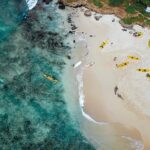
Your session begins at 171 Hamakua Dr, Kailua and you’ll head to Kailua Beach Park first. This is the sensible place to start because it gives you a controlled setup before you move into the learning zone. I like lesson flow that goes from ground basics to water practice without chaos, and the way they run it feels built for that.
Then you’ll continue on to Lanikai Beach for more time in the water. Lanikai is part of why so many people come to Kailua in the first place, and the payoff is simple: you get more real riding time in the kind of conditions you came for. The practical downside is also simple: if wind and water aren’t cooperating, your instructor may adjust the session to keep you safe and progressing.
You can also read our reviews of more tours and experiences in Oahu


Radio helmets: the fastest way to learn without stopping
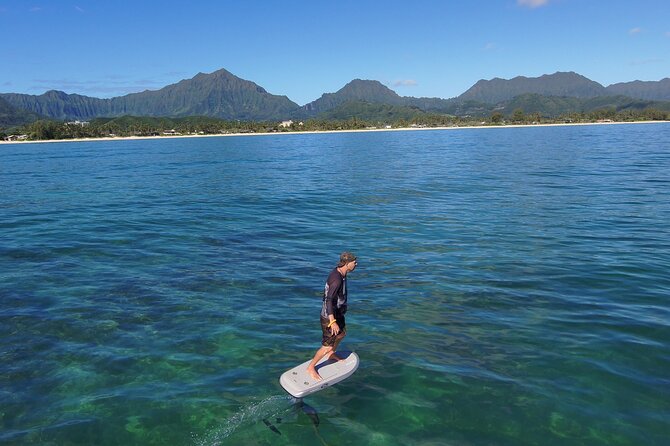
If you’ve ever watched someone learn to foil, you know the big problem: coaching is hard to deliver while you’re moving. Here, that’s solved with 2-way radio communication helmets used during instruction. I genuinely like this because it cuts out the back-and-forth that wastes minutes.
Here’s what that means for your learning:
- You can get feedback while you’re still making attempts, not after you’ve returned to shore.
- You can hear corrections clearly even when wind and water noise are doing their best to ruin communication.
- You can stay focused on your next try instead of scanning for your instructor.
Josh is specifically called out for patient, safety-focused teaching and for using the radio helmet so students can keep spending their minutes actually practicing. That’s the difference between a lesson that feels like watching and one that feels like you’re progressing.
Quick note: the radio helmets are part of the instruction. Gear rentals don’t include the radio helmets; they’re for lessons with the instructors.
Choosing your sport: eFoil, wing foil, windsurf, or kiteboarding
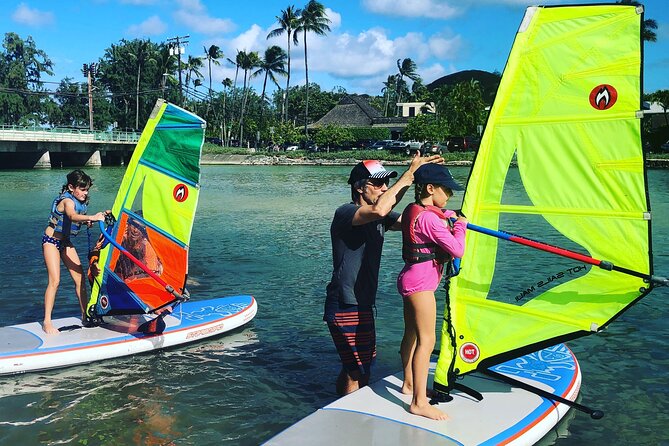
This school is built around one big idea: you can choose what you want to learn. That matters because wing foiling, windsurfing, and kiteboarding each have their own learning curve and safety needs. Trying to force yourself into the wrong sport can turn a fun vacation into homework.
They offer:
- eFoil instruction (shorter time: about one hour)
- Wing foil lessons (about two hours)
- Windsurf lessons (about two hours)
- Kiteboarding lessons (about two hours)
From what I’ve seen in the lesson approach described, eFoil can act like a shortcut into the foil-feel—getting you comfortable with balance and control before you tackle wind-driven power. That’s a common pattern in how people build skill quickly, and it fits the praise you’ll see for learning to foil fast.
If you’re deciding between options, think about your goal:
- Choose eFoil if you want to get flying sooner and build foil confidence efficiently.
- Choose wing foil if you want the full “my body + wing + foil” coordination puzzle.
- Choose windsurf if you like steering by feel and want a classic board-and-sail style challenge.
- Choose kiteboarding if you’re ready for the extra wind and line awareness that comes with kites.
What a real lesson feels like over 1 or 2 hours
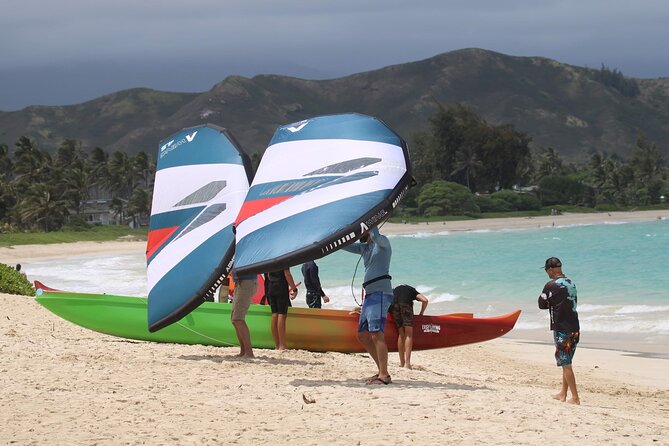
Lessons are generally two hours, with one exception: eFoil is one hour. That difference matters. Two hours gives more room for repeats and small improvements. One hour still can be productive, but it’s more like a concentrated session where you build key skills and get a taste of flying.
A good lesson usually follows a flow like this (and you can expect this rhythm):
- Setup and safety briefing on the beach
- Board and foil or sail/wing familiarization
- First controlled attempts with constant coaching
- A ramp-up phase where you ride more and stop doing only drills
I also like that the instruction is tailored to you. In reviews, people mention that Josh matches equipment to needs and that the teacher adjusts based on how you’re doing. That’s a big deal because foiling is one of those activities where tiny changes—stance, wing angle, or approach—can be the difference between a wobble and progress.
Groups matter, too. Group lessons are described as requiring more than one traveler, and the key point is that private lessons run only for your group. That means you’re not sharing coaching attention with strangers if you book private.
Equipment that doesn’t slow you down: Fliteboard, Starboard, Cabrinha, North, Armstrong
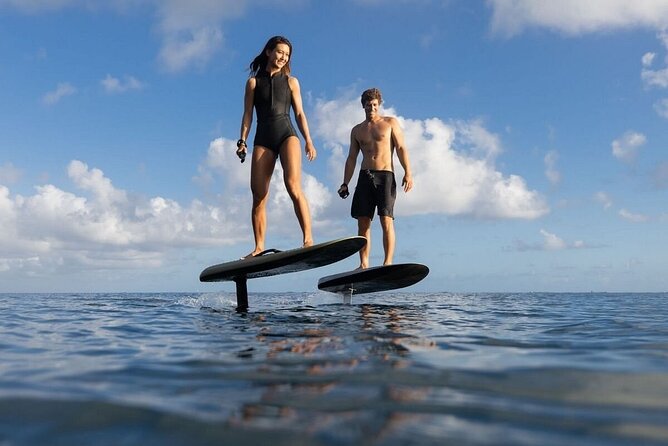
One of the easiest ways to make a lesson better is removing friction. You don’t need to bring your own board, foil, wing, sail, or kite gear. The lesson includes all necessary quality name brand equipment.
The brands listed help explain why the sessions feel smooth:
- Fliteboard and Starboard are associated with modern performance surf-foils and boards.
- Cabrinha and North are major kiteboarding brands.
- Armstrong wings and foils are used for foiling systems.
You might not care about brand names before you try this, but after, you’ll care about one thing: gear that’s set up correctly and maintained. In the feedback, equipment condition is praised, which matters for safety and for how quickly you can learn.
You can also read our reviews of more tours and experiences in Oahu

Where you’ll spend your time in the water (and why it matters)
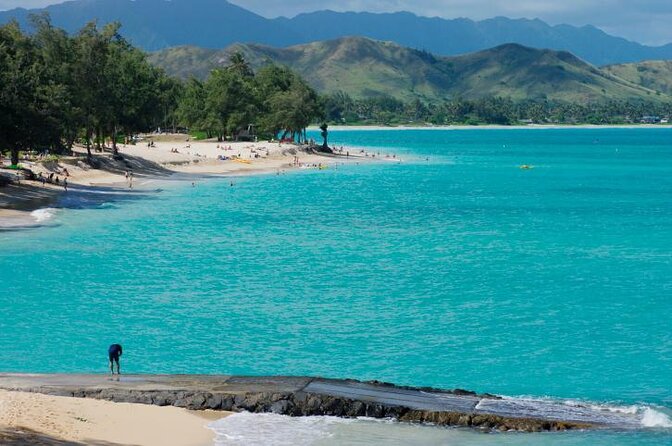
Even with great coaching, you still need the right setting. This experience rotates between Kailua Beach Park and Lanikai Beach, and that gives you a mix of start-and-build versus practice-in-motion.
Why that matters:
- Starting at Kailua Beach Park means you get a clean beginning for basics and setup.
- Moving toward Lanikai keeps the lesson connected to the kind of water conditions people come to Oahu for.
- Being around local spots also tends to make instruction more practical, especially when your teacher is planning around wind and water.
You’ll also benefit from instructors who know the local conditions. Josh is specifically praised for local knowledge about spots and conditions. That kind of real-world context helps you avoid common beginner frustrations, like trying too hard in the wrong wind range.
Safety and coaching style: fun, but not reckless
In every one of these sports—foiling, winging, windsurfing, or kite—safety isn’t optional. The good news here is that the coaching style is described as safety-focused without being stiff. Josh is called out for being patient and encouraging, and that combo matters because beginners need both confidence and clear boundaries.
The radio helmets also play a role in safety. When you can hear your instructor instantly, you can react faster to changes in plans. That reduces the risk of confusion, which is where problems start.
One more safety-related consideration: this activity requires good weather. That’s not a marketing line. It’s a reality for wind and water sports. If conditions aren’t right, you’ll be offered a different date or a full refund.
Price and value: $450 per person, and what you get for it
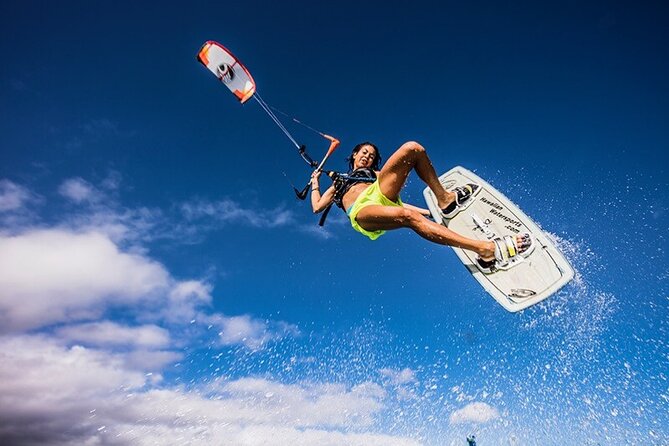
The price is $450 per person. That sounds steep until you break down what’s included and what’s not.
Included value:
- Instructor-led lesson time in your chosen discipline
- Top-brand equipment provided
- 2-way radio helmet during instruction
- Private option for your group (so your coaching is for you, not a random mix of strangers)
Not included:
- You don’t rent the radio helmets; those are only used with instructor-led lessons
How I think about the value:
- If you were to rent gear and figure out setup on your own, the cost could quickly balloon, and you’d lose the time advantage that coaching gives you.
- With foiling and wind sports, small safety and technique errors create bigger delays than they look like they should. A good lesson prevents wasted hours.
Also: they’re described as teaching all options—eFoil, wing foil, windsurf, and kiteboarding. If you’re traveling with people who want different sports, this avoids the hassle of booking separate operators and mixing schedules.
Who this is best for (and who might wait a bit)
This is a strong fit if you want an authentic Kailua experience and you learn best with clear coaching. People mention progression—getting up and improving within lesson cycles—and the radio helmet setup makes it easier to keep momentum.
It’s also a good option for families and groups. Private lesson groups up to 15 are mentioned, and private means it’s only your group. If you’re traveling with mixed ages or skill levels, you’ll want to book thoughtfully, because all sports require water confidence and willingness to practice.
Who might wait:
- If your trip can’t flex at all for weather, you’ll want a backup day. This experience requires good weather.
- If you’re uncomfortable in windy water environments, you might start with the sport that feels most manageable for you. (And you can ask your instructor for guidance on the best entry point once you book.)
Should you book Pa’ani Wai Hawai’i for an eFoil or wing lesson?
If you want a vacation activity that teaches real skill fast, I’d book it. The biggest reasons are practical: radio-helmet coaching that keeps you learning without stopping, and gear provided from reputable brands so you’re not stuck figuring out equipment before you even start.
Book it especially if:
- You want to compare sports in one school (eFoil now, wing foil next, kite later).
- You’re traveling with a group and want private coaching rather than competing for attention.
- You like structured learning, patience, and local conditions.
Skip it for now if your schedule is locked to one weather day and you can’t reschedule. Wind and water sports don’t forgive bad conditions.
FAQ
How long is the lesson?
All lessons are about two hours, except eFoil, which is about one hour.
Can I choose between eFoil, wing foil, windsurf, or kiteboarding?
Yes. You can select the sport for your lesson while in Oahu.
Is equipment included?
Yes. The lesson includes all necessary quality name brand gear and equipment.
What about the 2-way radio helmets?
The 2-way radio helmets are provided for instruction. Rental packages do not include radio helmets; radios are used with instructor-led lessons.
Where does the experience start and end?
It starts at 171 Hamakua Dr, Kailua, HI 96734 and ends back at the meeting point.
Is this a group lesson or private?
This is offered as a private tour/activity, meaning only your group participates.
What if weather is bad?
This experience requires good weather. If it’s canceled due to poor weather, you’ll be offered a different date or a full refund.
Can I bring a service animal?
Yes, service animals are allowed.
What’s the cancellation rule?
Free cancellation is available up to 24 hours in advance for a full refund. If you cancel less than 24 hours before the start time, it isn’t refunded.